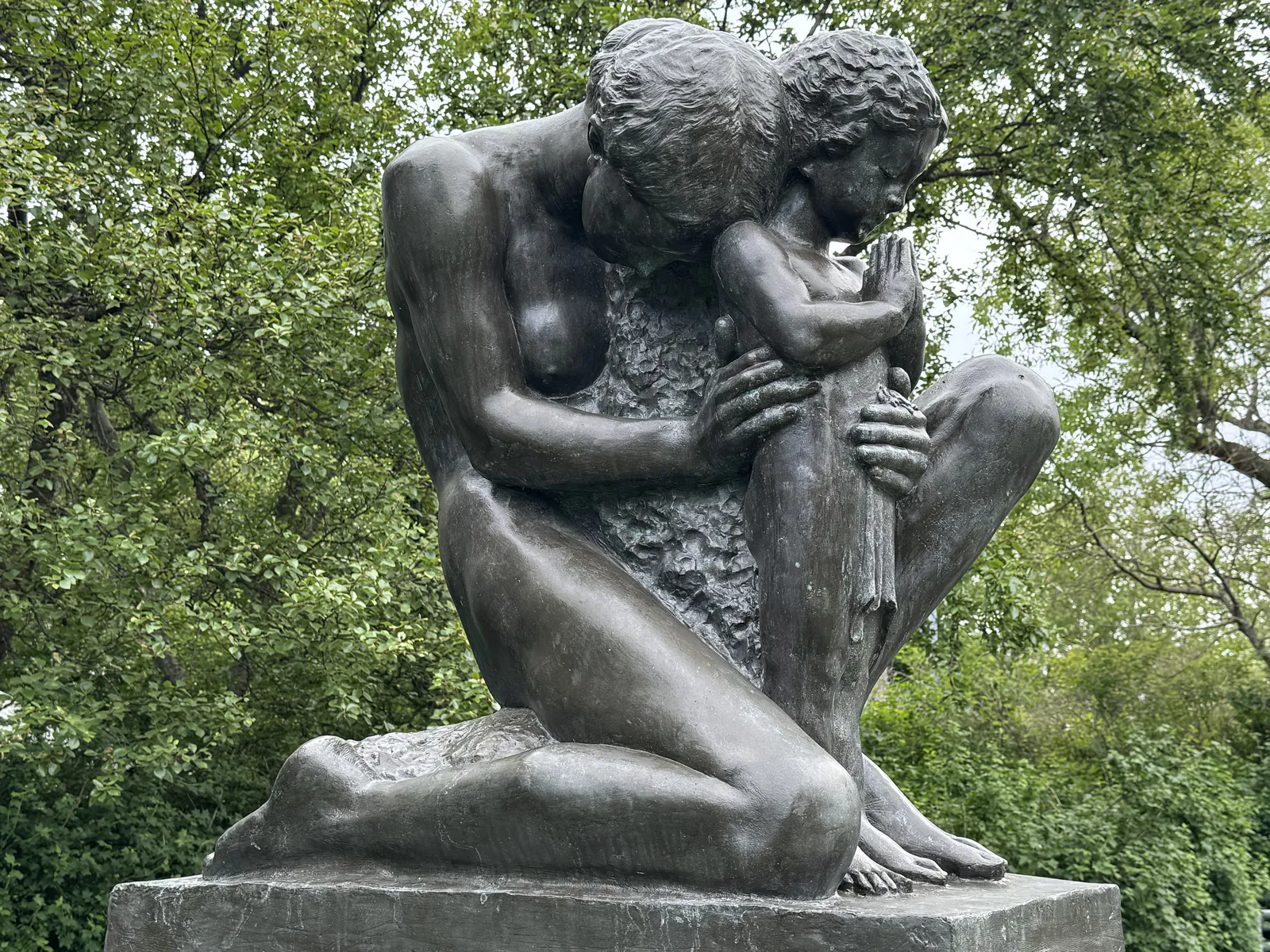
The Prayer
Einar Jónsson
Created in 1909 and later cast in bronze, this sculpture shows a kneeling woman embracing a praying child, merging maternal love with spiritual devotion. Jónsson, pioneer of Icelandic sculpture, wove Nordic symbolism into works that joined earthly care and divine aspiration. His 1909 donation of all his art to the nation ensured the founding of Iceland’s first art museum in 1923, making pieces like The Prayer central to national identity.
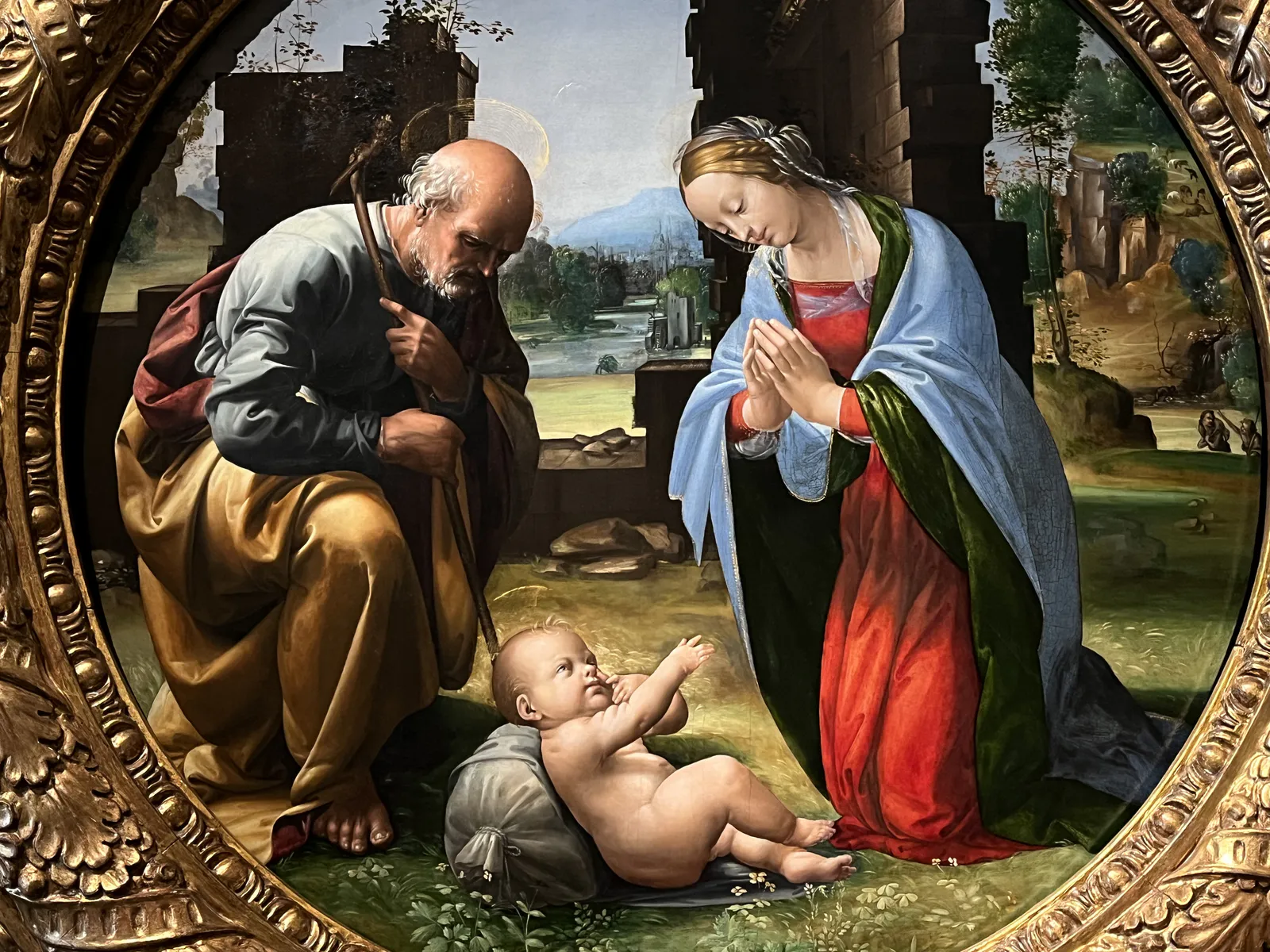
Adoration of the Child (detail)
Fra Bartolomeo
This tondo or circular painting (c.1495), Mary and Joseph kneel in reverence before the infant Christ, who rests on a sack amid delicate vegetation. The ruined architecture behind them symbolizes the fall of paganism, while the balanced composition and radiant palette reflect Bartolomeo’s early embrace of Renaissance ideals.
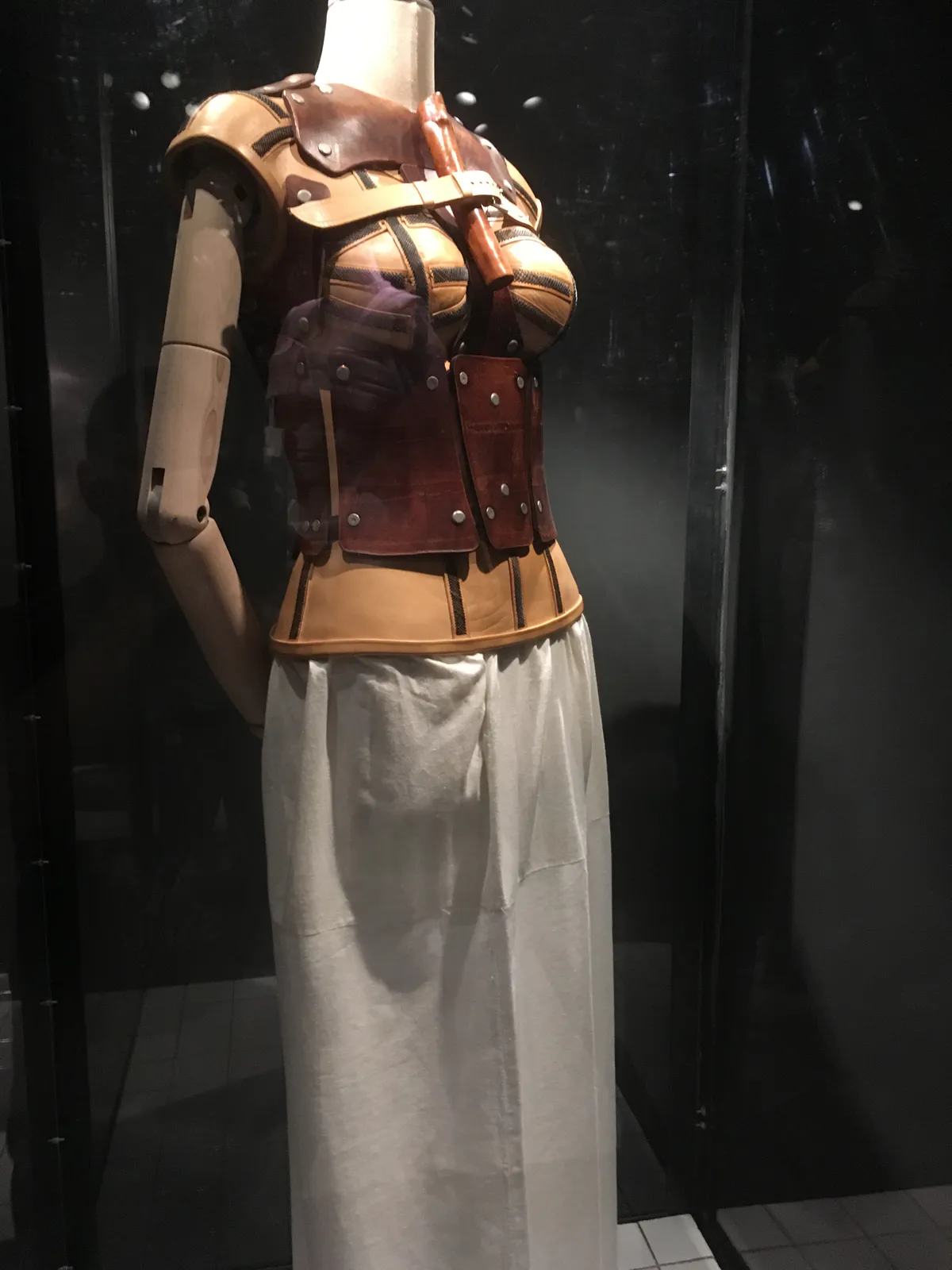
Painted Orthopedic Corset
Frida Kahlo
This hand-painted leather corset (c.1944), worn by Frida Kahlo, illustrates both her physical suffering and creative defiance. After spinal injuries and repeated surgeries, Kahlo turned orthopedic braces into canvases, inscribing them with personal symbols. She transformed medical necessity into art, merging pain, identity, and resilience.
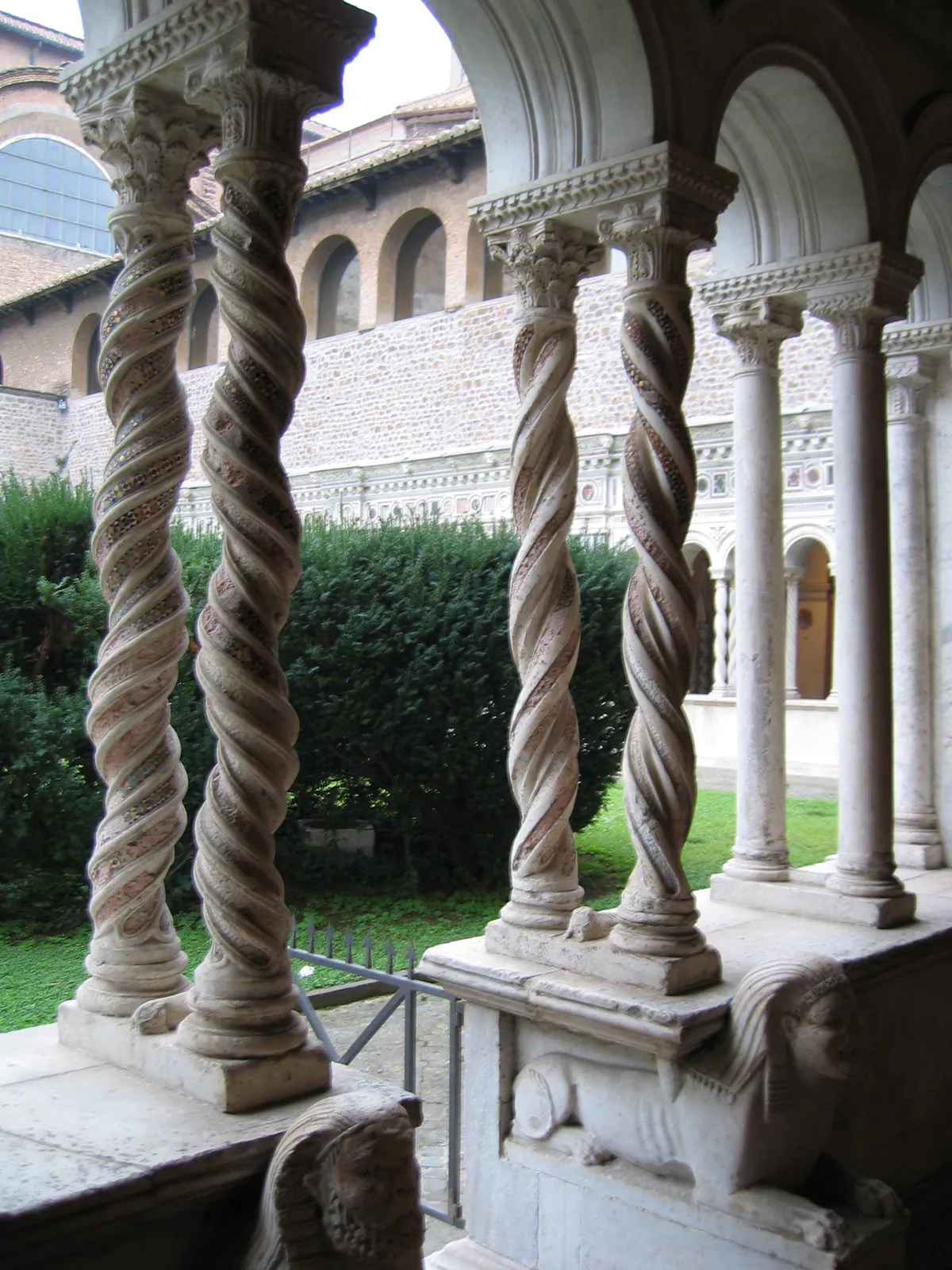
Cosmatesque Columns with Lions and Sphinxes
Vassalletto Workshop
These cloister columns (c.1215), with spiraled shafts and vivid mosaic inlays in the cosmatesque style—a Roman art blending colored marble, glass, and porphyry into geometric patterns—rest on sculpted lions and sphinxes. Crafted by the Vassalletto masters, they unite classical form and Christian meaning, embodying medieval Rome’s vision of divine order through ancient craft.
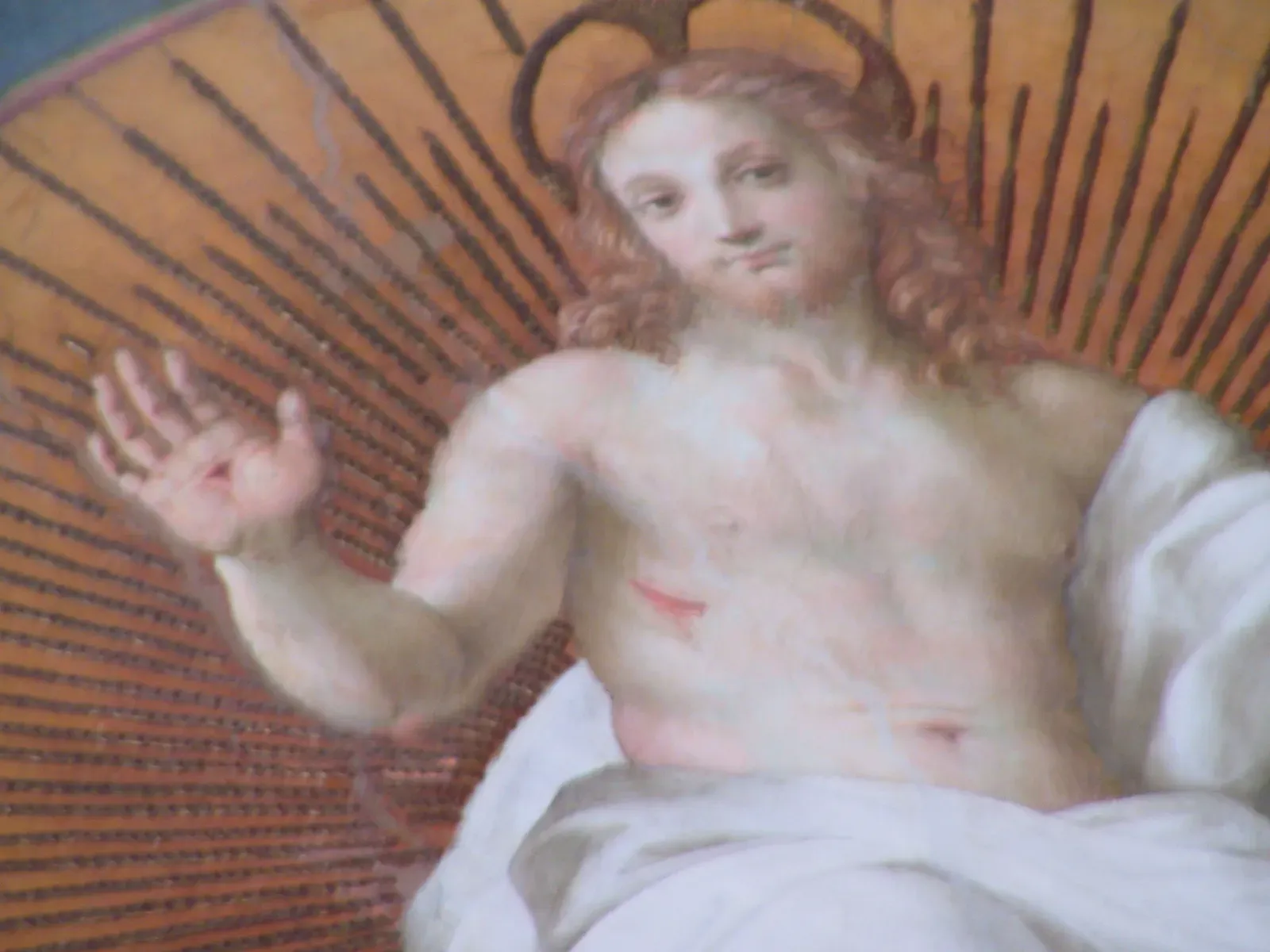
Christ in Glory (detail)
Raphael
The radiant figure of the risen Christ (1508–10) crowns the celestial register of The Disputation of the Sacrament. His raised hand and visible wounds recall both his Passion and his role as judge at the end of time. Encircled by golden rays, he visually affirms the doctrine of the Eucharist as the enduring, real presence of Christ.
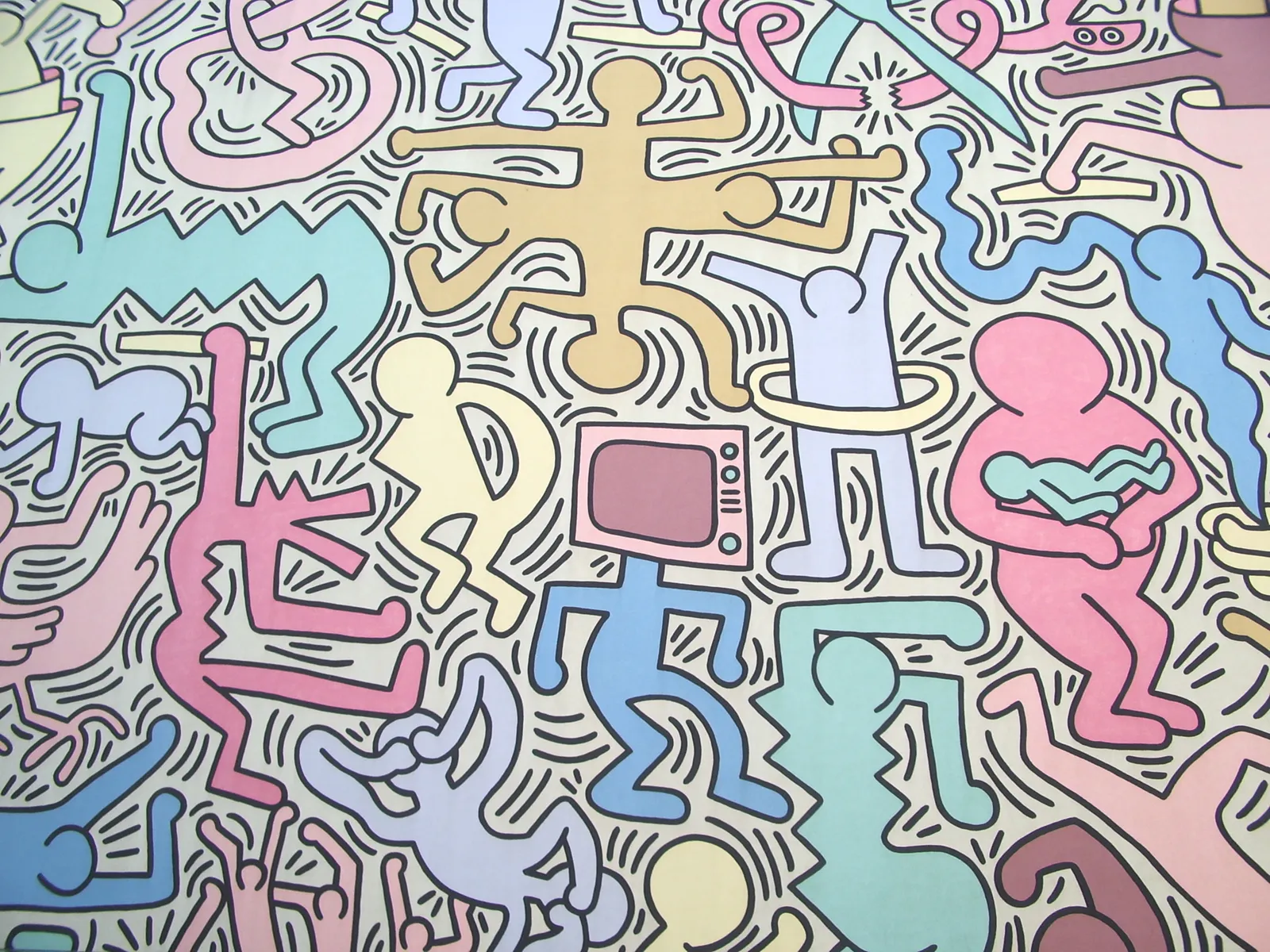
Tuttomondo
Keith Haring
This section of Tuttomondo (1989) showcases Keith Haring’s vibrant visual language with simplified human forms, radiant lines, and vivid colors in rhythmic harmony. The mural, painted in Pisa, celebrates peace and collective action, with each figure symbolizing a social or spiritual force working toward global unity. Haring’s work demonstrates the power of art to convey universal themes of cooperation and harmony.
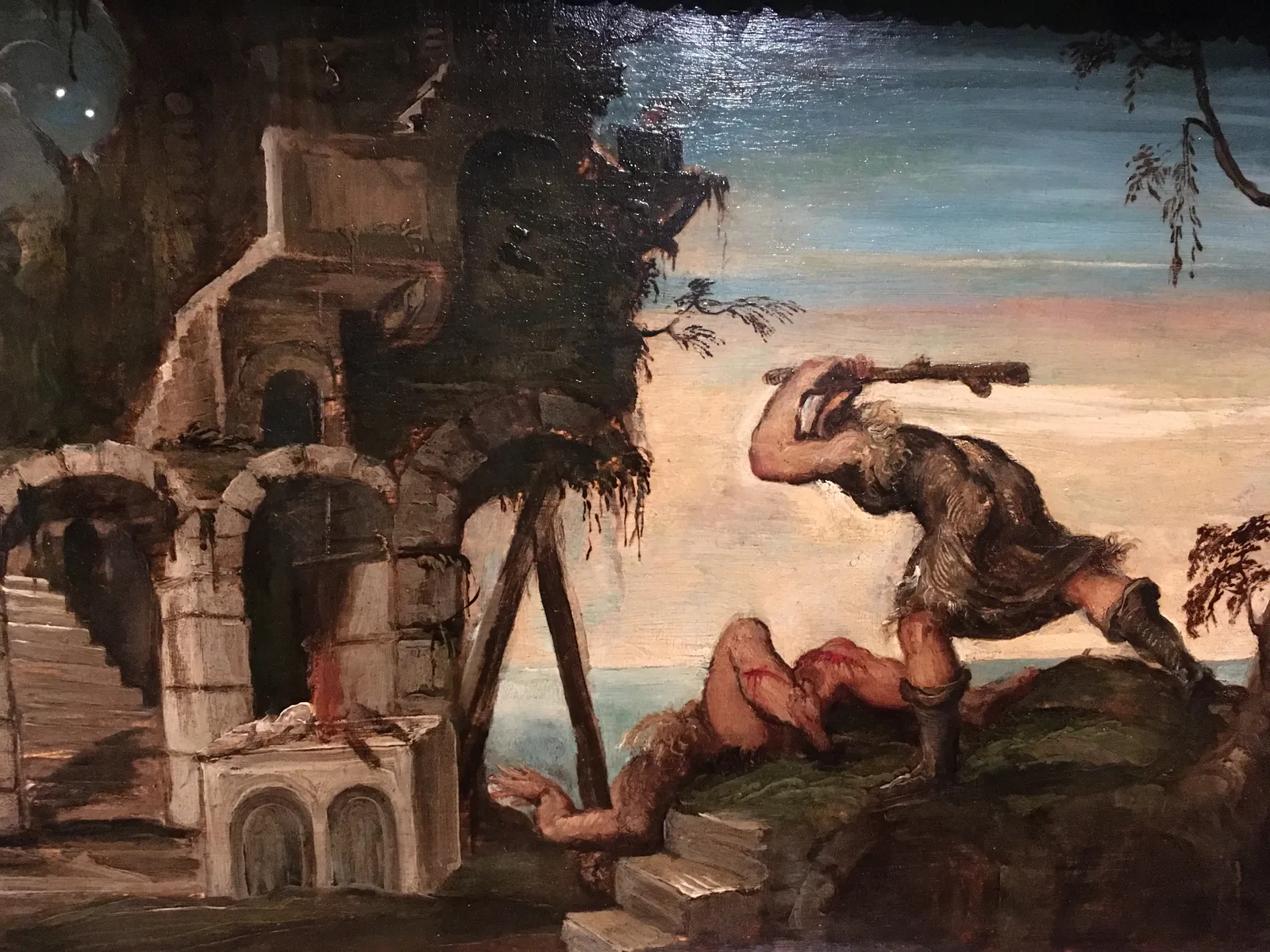
Cain and Abel
Tintoretto
The scene (1550–53) shows the biblical story of Cain’s jealousy and the murder of his brother Abel. The work reflects the Mannerist style through sharp contrasts of light and shadow, twisting poses, and tense, compressed space. Tintoretto’s hallmark energy appears in the sweeping gestures and urgent brushwork that heighten the scene’s violence, underscoring the enduring power of biblical themes in Renaissance art.
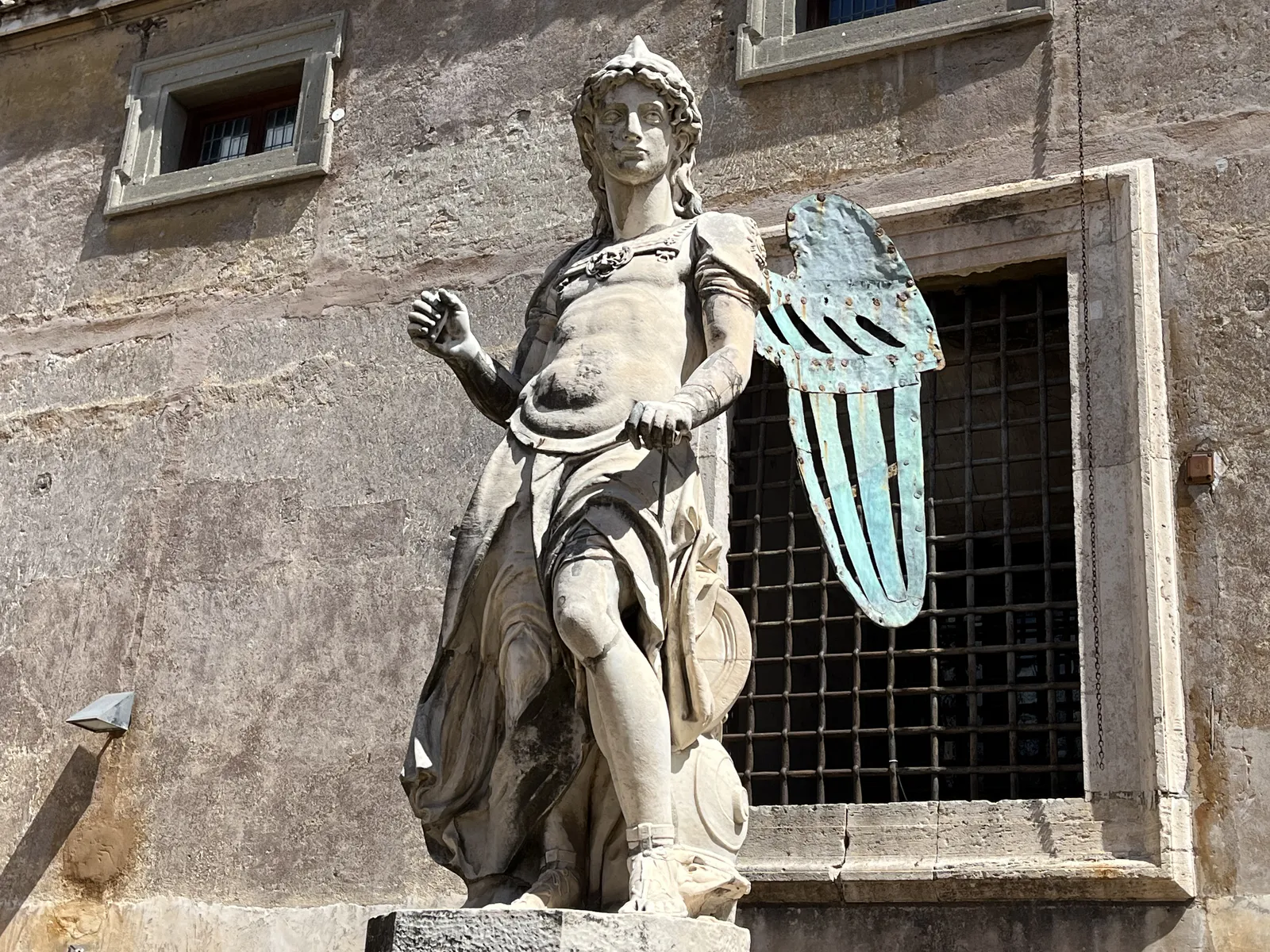
Archangel Michael
Raffaello da Montelupo
This marble statue (1544) once crowned the fortress, showing the Archangel Michael in the moment of sheathing his sword after ending the plague of 590. The figure’s contrapposto stance and idealized anatomy recall classical sculpture, while the raised wings and military dress assert his role as heavenly protector. The blend of antique form and Christian subject turns a local miracle into a civic symbol of deliverance.
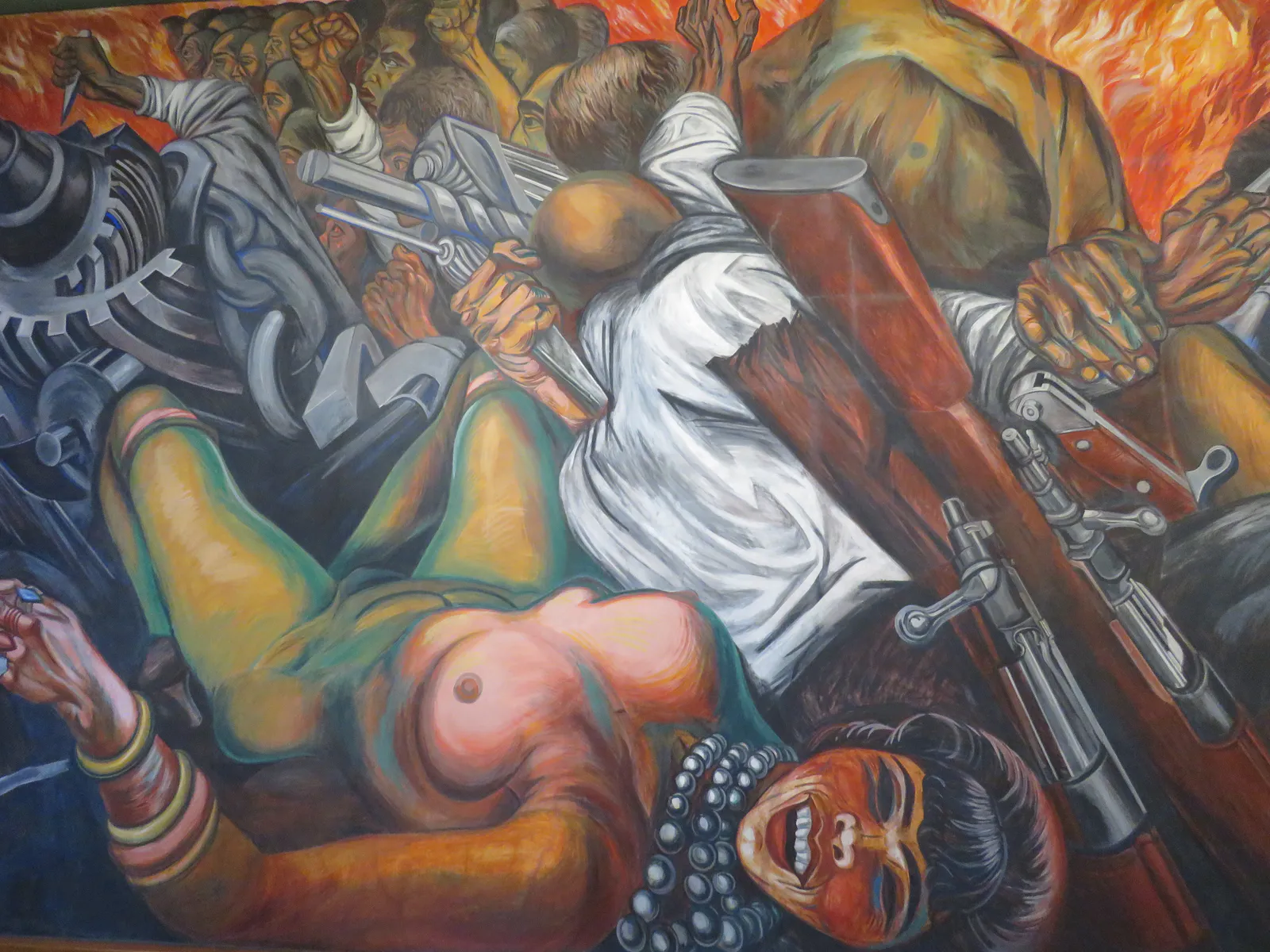
Katharsis (detail)
José Clemente Orozco
This explosive mural section (1934) fuses war, lust, and revolution into a single convulsion. Clashing fists, rifles, and machines crush bodies into chaos. The nude woman evokes both violence and moral decay, while fire and protest surge behind. Orozco presents modernity as an inferno—only through destruction can truth emerge.
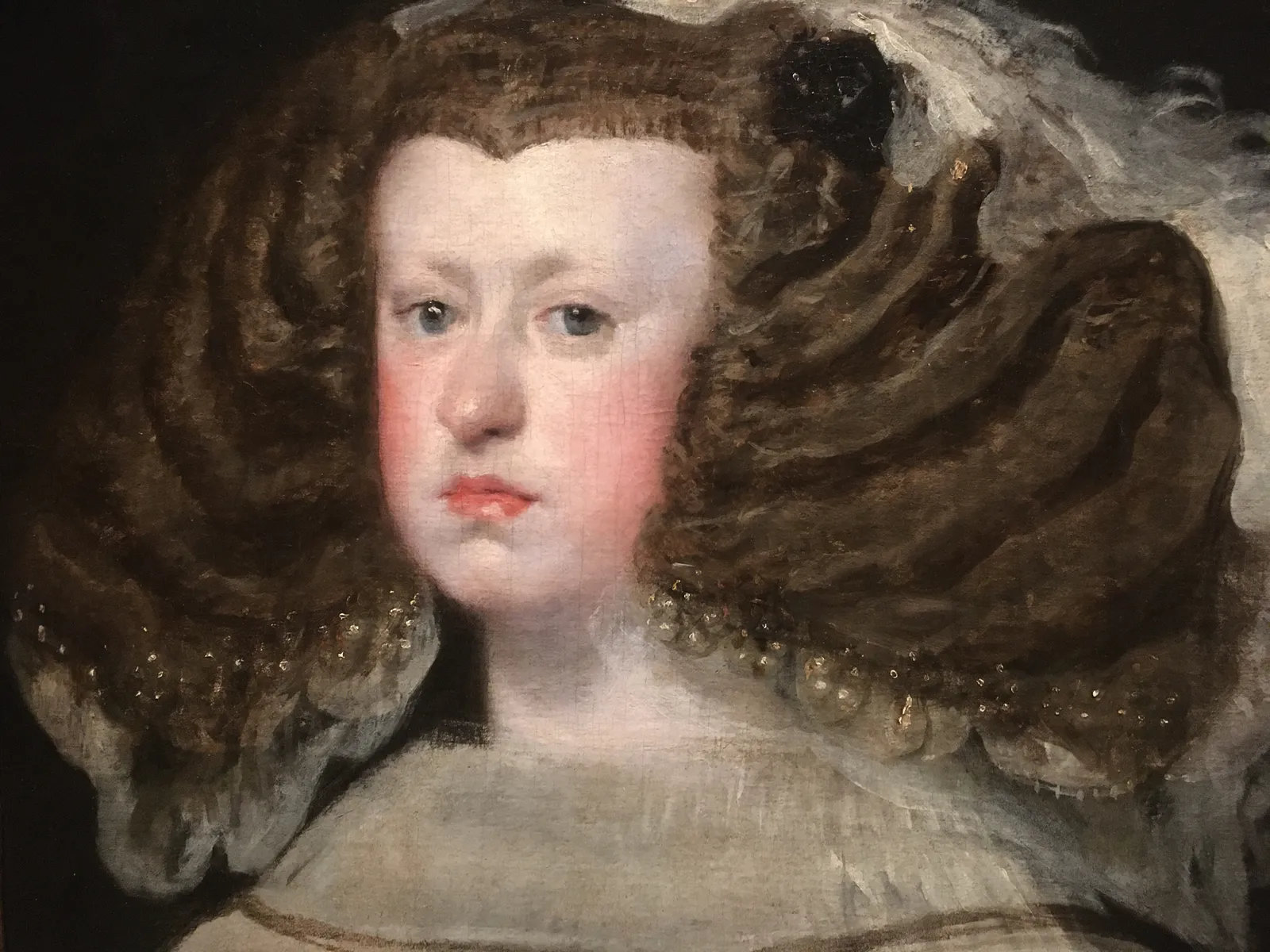
Queen Mariana
Diego Velázquez
Diego Velázquez’s portrait of Queen Mariana (c. 1656) captures the young queen with sensitivity, highlighting her regal authority and personal nuance. Painted during her early years as Philip IV’s wife, it is part of a series of likenesses that served as studies for larger compositions. These studies influenced other works, including those in Barcelona and Madrid.
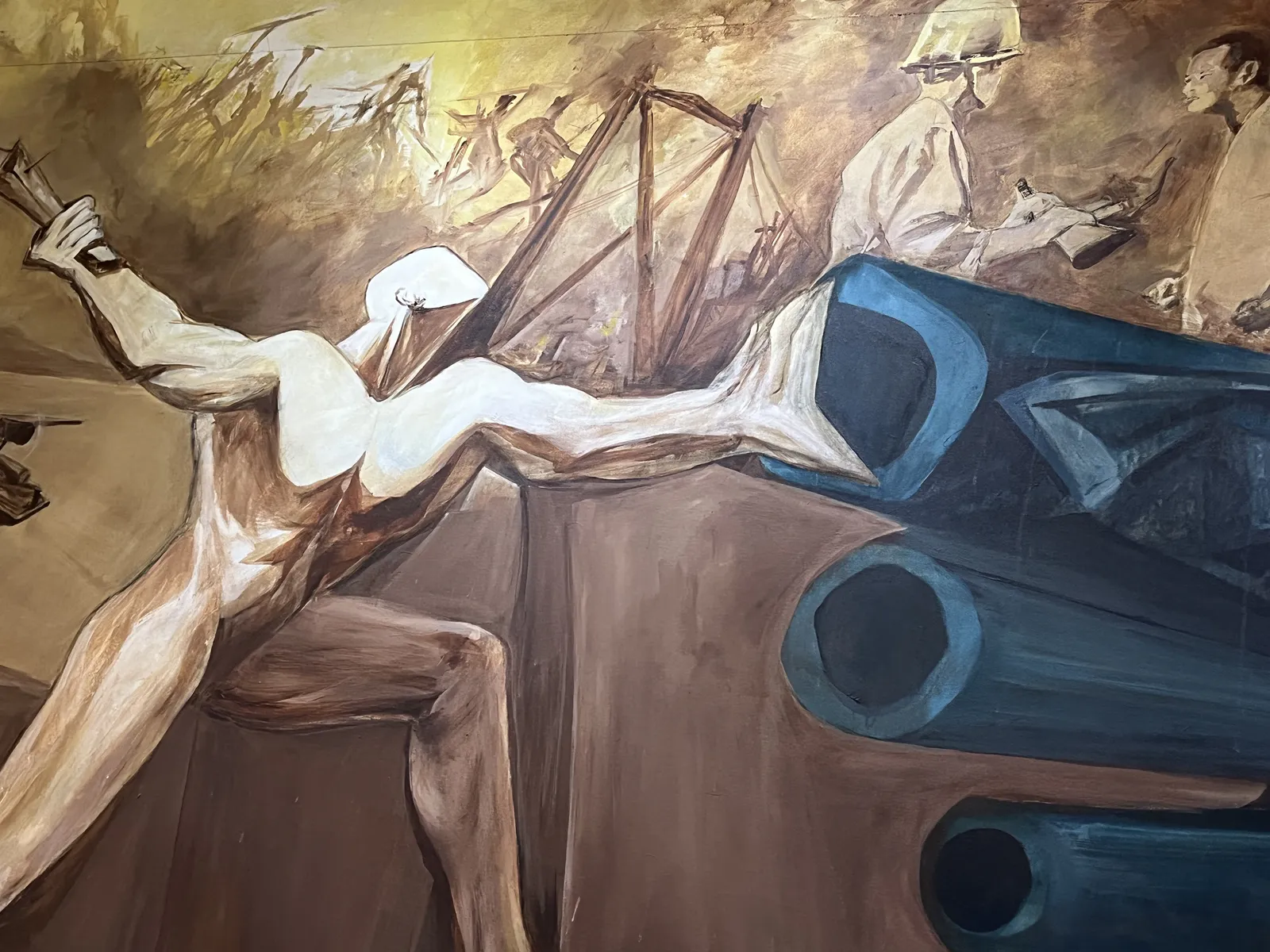
El pueblo en lucha
Ramón Oviedo
This mural (2013) shows a bound, faceless figure hurling itself toward the dark mouths of cannons, while ghostly soldiers and crowds emerge in the background. The scene recalls the Dominican struggle against dictatorship and foreign intervention in the 20th c. By fusing a single straining body with collective, blurred forms, Oviedo concentrates individual sacrifice into a broader history of resistance.
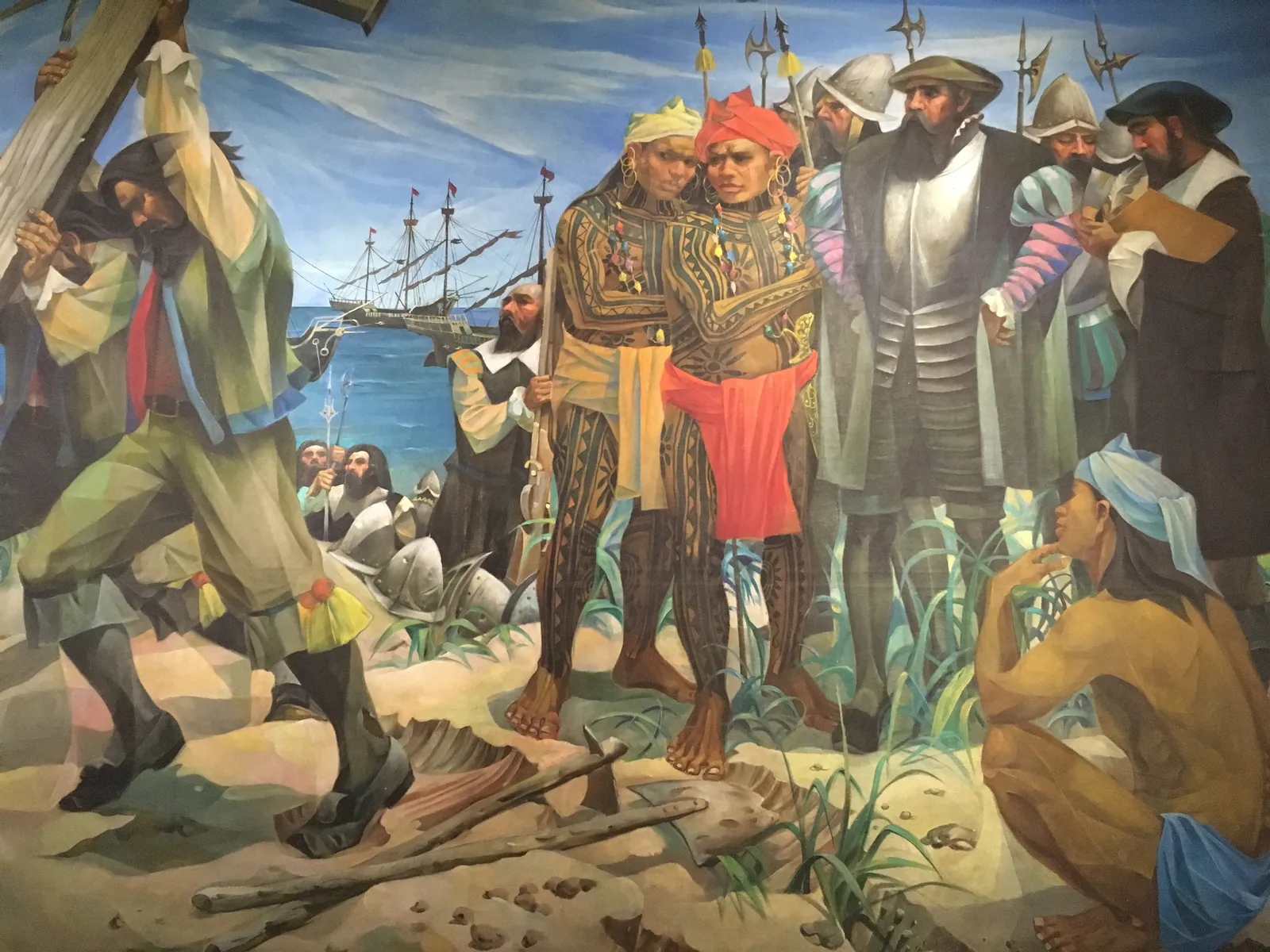
Planting of the First Cross
Vicente Manansala
The painting depicts the 1521 event in Cebu where Ferdinand Magellan and Spanish soldiers, with tattooed natives called pintados, planted a cross. Commissioned for the 400th anniversary of Philippine Christianization in 1965, it captures a pivotal historical moment. Manansala’s transparent cubism blends traditional and modern styles, highlighting cultural convergence. The original cross is a historical artifact in Cebu City.
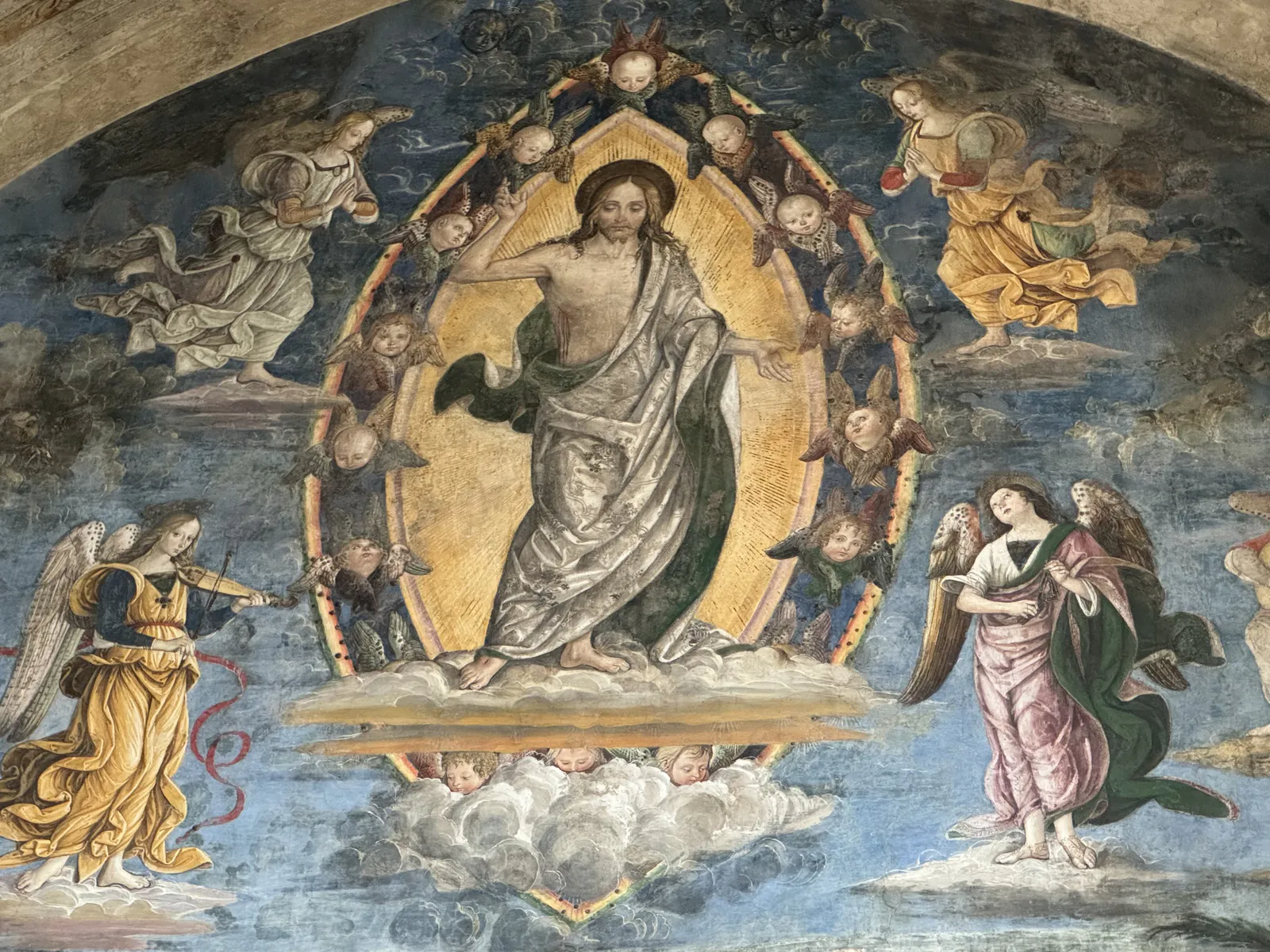
Christ in Majesty
Pinturicchio
Nikolo-Dvorishchensky Cathedral (1113) rises in compact tiers with clustered domes and narrow slit windows. Its pale plaster, often pink in daylight, stands in Yaroslav’s Court, the precinct founded by Yaroslav the Wise. Commissioned by Prince Mstislav to honor St Nicholas, it shaped the civic core of the Novgorod Republic and adapted Byzantine forms locally. The white building behind is part of the 17th-c. Merchant Court complex.
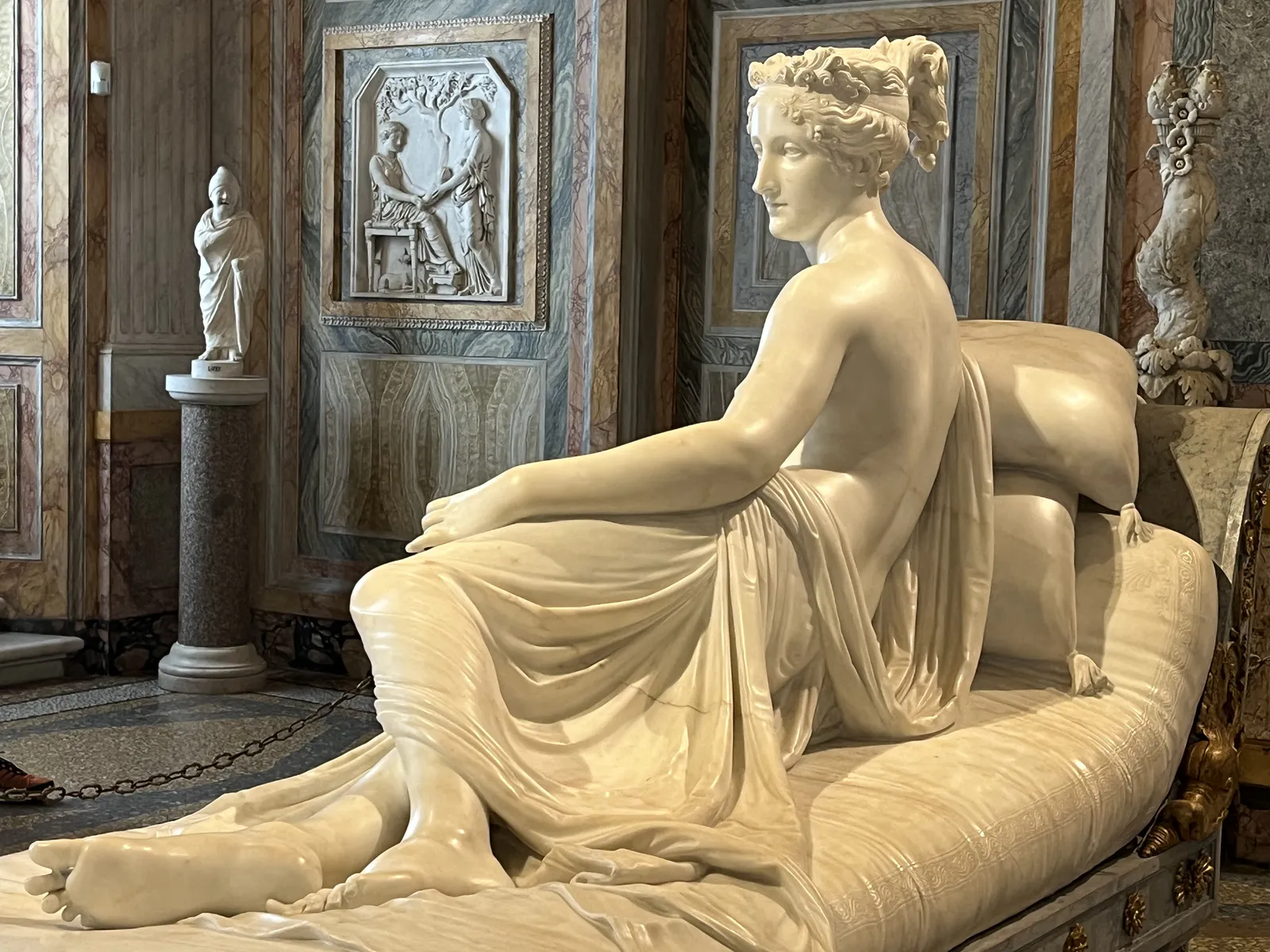
Pauline Bonaparte as Venus Victrix
Antonio Canova
Antonio Canova's marble masterpiece (1805–08) depicts Pauline Bonaparte as Venus Victrix, reclining semi-nude on a couch, holding an apple symbolizing Venus's triumph in the Judgement of Paris. Commissioned by her husband, Camillo Borghese, Pauline insisted on being portrayed as Venus rather than Diana. The sculpture, originally designed to rotate, reflects both personal ambition and classical beauty.
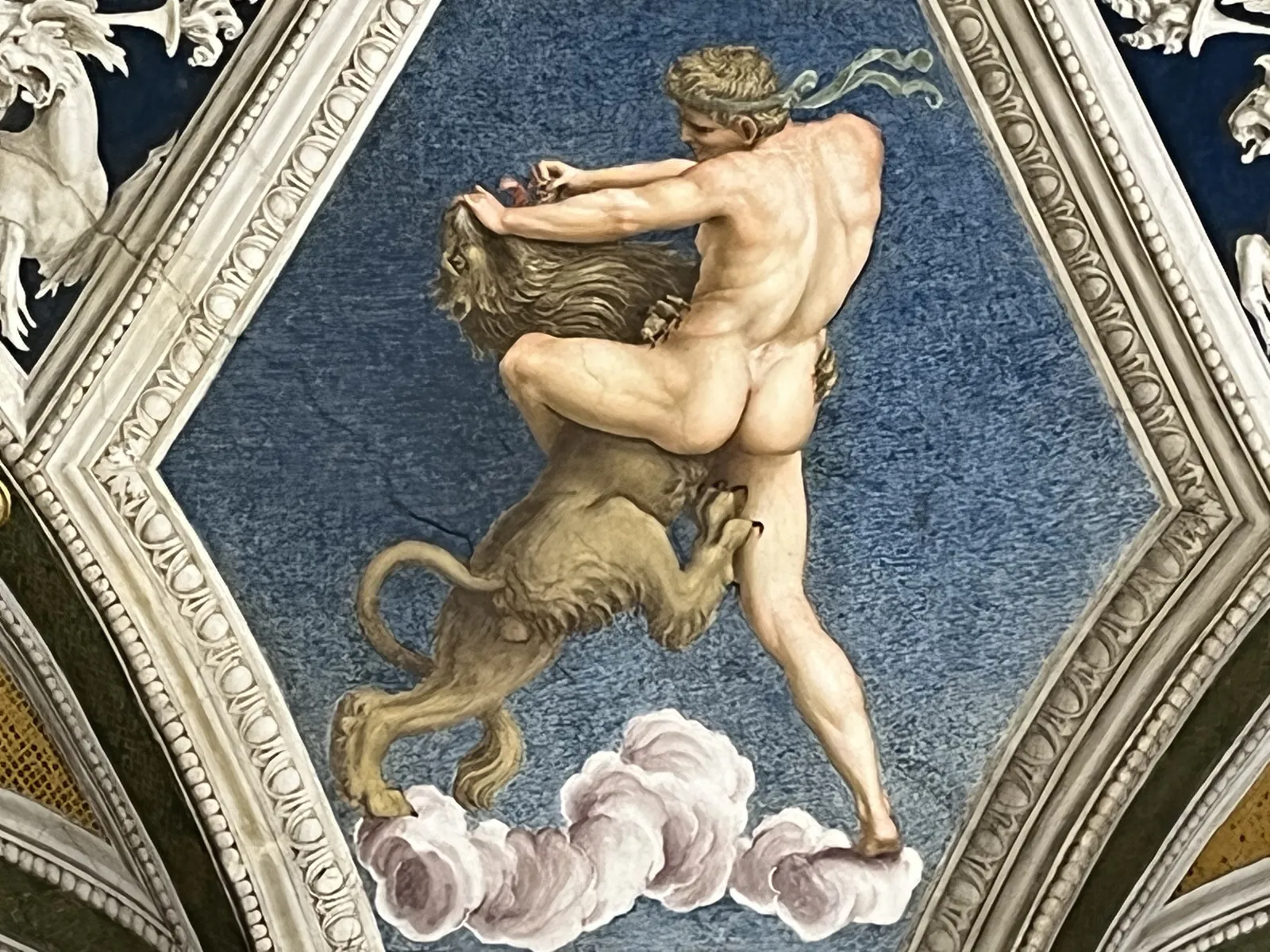
Hercules Defeating the Nemean Lion
Baldassare Peruzzi
This fresco (c. 1511) in the Loggia of Galatea shows Hercules wrestling the invulnerable Nemean Lion, one of his Twelve Labors. The hero’s twisting nude body and the lion’s straining muscles emphasize physical struggle and controlled force. As part of a zodiac cycle, the scene represents the sign of Leo and links mythological heroism to Renaissance interests in astrology and humanist virtue.
“When the path is beautiful, do not ask where it leads.” — Zen proverb
Welcome to my travel photography!
“When the path is beautiful, do not ask where it leads.” — Zen proverb
Welcome to my travel photography!
For as long as I can remember, my path has been one of discovery—seeking beauty, timelessness, and connection in every corner of the world. It has also been a journey of deep learning and understanding. I’ve been an avid traveler (or perhaps a travel addict?) for most of my life. My love for travel began long before I ever left home: as a child, I drew a fantasy map of my grandparents’ apartment and “traveled” through it with my cousin Sonya, imagining adventures in every corner. Nearly 90 countries and countless moments of awe later, I’m excited to share this journey with you.
Thanks to the tireless and ingenious programming of Diagilev, we’re now able to present about fifteen percent of the images I’ve accumulated over the years. More will be released in small batches depending on your interest. While the first release leans toward museum photography, later ones will include more nature, architecture, culture, and general travel experiences. If you’d like to receive email notifications about new releases, feel free to reach out—no commercial use, ever.
Throughout my travels, I’ve been drawn to two intertwined kinds of discovery. One is intellectual: learning why the world is the way it is. History became my guide, shaping my perspective and filling my camera roll with museums and old buildings. To me, history is not the past—it is the key to understanding the present and how the world became what it is. The other is emotional: seeking moments of elevation—spirituality, beauty, harmony—often found in nature, monasteries, and ancient sacred spaces. Together, these impulses shape my photography. It invites you to learn, admire, and soar—to rise above the mundane and see the world through a lens of curiosity and wonder.
Much of my later travel became possible thanks to my job with Delta Air Lines, but the wanderlust began years earlier. By the time I joined the industry, I had already visited over 35 countries and lived in several—largely thanks to a backpacking journey around the world with Luis León, whose face appears in many early photos. I grew up in Ufa in the USSR, and since leaving it I have lived, studied, and worked in Latvia, the United States, France, South Korea, Canada, Spain, Italy, Brazil, Japan, and Colombia.
A life of near-constant movement may seem a little crazy, but it has deepened my understanding of the world and produced the photography you are about to see. Over the years, my style has evolved—more intentional, more refined—yet its core remains the same: a search for understanding, timeless beauty, and a connection to those who walked this earth long before us.
I hope these photos stir something in your soul, just as they did in mine. I’d love to hear from you—whether reactions, suggestions, corrections, or a request to be added to the email list for new releases (no commercial use, I promise). You can learn more about my travels here, and my academic life here.
Enjoy our shared journey!