The Directory: A Republican Laboratory Before Napoleon
The Directory (1795–1799)
Created by the Constitution of Year III (22 August 1795), the Directory took its name from the five directors who jointly exercised executive power. Bourgeois in inspiration, the regime restored indirect, tax-based suffrage to elect two legislative chambers: the Council of the Five Hundred and the Council of Ancients. It became an important republican laboratory, especially in Europe, where several “sister republics” were established. In Paris, existing scientific institutions were confirmed and new ones founded, drawing on a broader pool of talent; in 1798 a traveler described the capital as “the great whirlwind of the world,” animated by an ostentatious youth.
Nonetheless, civil war and unrest persisted. Conspiracies and coups d’état from both the neo-Jacobin left and royalist right followed one another until Napoleon Bonaparte’s coup of 9 November 1799 (18 Brumaire Year VIII). The Directory was then replaced by the Consulate, an authoritarian regime headed by three consuls, the first of whom, Bonaparte, was appointed for life in 1802 and in reality held all power.
Created by the Constitution of Year III (22 August 1795), the Directory took its name from the five directors who jointly exercised executive power. Bourgeois in inspiration, the regime restored indirect, tax-based suffrage to elect two legislative chambers: the Council of the Five Hundred and the Council of Ancients. It became an important republican laboratory, especially in Europe, where several “sister republics” were established. In Paris, existing scientific institutions were confirmed and new ones founded, drawing on a broader pool of talent; in 1798 a traveler described the capital as “the great whirlwind of the world,” animated by an ostentatious youth.
Nonetheless, civil war and unrest persisted. Conspiracies and coups d’état from both the neo-Jacobin left and royalist right followed one another until Napoleon Bonaparte’s coup of 9 November 1799 (18 Brumaire Year VIII). The Directory was then replaced by the Consulate, an authoritarian regime headed by three consuls, the first of whom, Bonaparte, was appointed for life in 1802 and in reality held all power.

The Black Cat Sign
Lasting Reforms of the French Revolution
Lasting Reforms Of The Revolution
The Revolution reshaped everyday life in France. The country was reorganized into départements, and the old patchwork of weights and measures was replaced by a unified metric system using metres, litres, and grams. At the same time, the modern idea of the museum emerged: a public institution open to all, preserving rare and precious objects as a shared memory of the past.
The Revolution reshaped everyday life in France. The country was reorganized into départements, and the old patchwork of weights and measures was replaced by a unified metric system using metres, litres, and grams. At the same time, the modern idea of the museum emerged: a public institution open to all, preserving rare and precious objects as a shared memory of the past.
From Royal Flight to Republic: France 1791–1792
Crisis Of 1791–1792 And The Birth Of The Republic
Refusing to accept limits on his power, Louis XVI tried to flee in the night of 20–21 June 1791, but was intercepted at Varennes and brought back to the Tuileries in a tense atmosphere. Most deputies opted for a constitutional monarchy, and on 14 September the king swore an oath to the 1791 Constitution. The Constituent Assembly gave way to the Legislative Assembly, while the Revolution, seen as a threat by European courts and royalist émigrés, exposed France to the risk of invasion. Anticipating danger, the French declared war on Austria on 20 April 1792.
At the same time, the king’s double game became increasingly visible, and radical republicans prepared an uprising. In the night of 9–10 August a revolutionary Commune replaced the old municipal council, and on 10 August federated volunteers and Parisian workers attacked the Tuileries. The king’s powers were suspended, and a new National Convention was elected by universal male suffrage. On 21 September 1792 it abolished the monarchy; the next day France effectively became a republic.
⸻
Refusing to accept limits on his power, Louis XVI tried to flee in the night of 20–21 June 1791, but was intercepted at Varennes and brought back to the Tuileries in a tense atmosphere. Most deputies opted for a constitutional monarchy, and on 14 September the king swore an oath to the 1791 Constitution. The Constituent Assembly gave way to the Legislative Assembly, while the Revolution, seen as a threat by European courts and royalist émigrés, exposed France to the risk of invasion. Anticipating danger, the French declared war on Austria on 20 April 1792.
At the same time, the king’s double game became increasingly visible, and radical republicans prepared an uprising. In the night of 9–10 August a revolutionary Commune replaced the old municipal council, and on 10 August federated volunteers and Parisian workers attacked the Tuileries. The king’s powers were suspended, and a new National Convention was elected by universal male suffrage. On 21 September 1792 it abolished the monarchy; the next day France effectively became a republic.
⸻
Revolutionary and Napoleonic Transformations in Paris
Revolutionary and Napoleonic Transformations
The French Revolution produced lasting changes. France was reorganized into départements, and a unified metric system—metres, litres and grams—replaced the patchwork of local weights and measures. At the same time, the modern concept of a public museum emerged: an institution open to all, preserving rare and precious objects as a shared memory of the past.
Under Napoleon, Paris was reshaped to rival ancient Rome. He commissioned monuments in a Roman style, such as the Arc de Triomphe, and launched major projects to modernize the capital with new markets, fountains, a canal and improved sewers. By this period, Paris had more than 600,000 inhabitants and was consolidating its role as a political and cultural centre of Europe.
The French Revolution produced lasting changes. France was reorganized into départements, and a unified metric system—metres, litres and grams—replaced the patchwork of local weights and measures. At the same time, the modern concept of a public museum emerged: an institution open to all, preserving rare and precious objects as a shared memory of the past.
Under Napoleon, Paris was reshaped to rival ancient Rome. He commissioned monuments in a Roman style, such as the Arc de Triomphe, and launched major projects to modernize the capital with new markets, fountains, a canal and improved sewers. By this period, Paris had more than 600,000 inhabitants and was consolidating its role as a political and cultural centre of Europe.
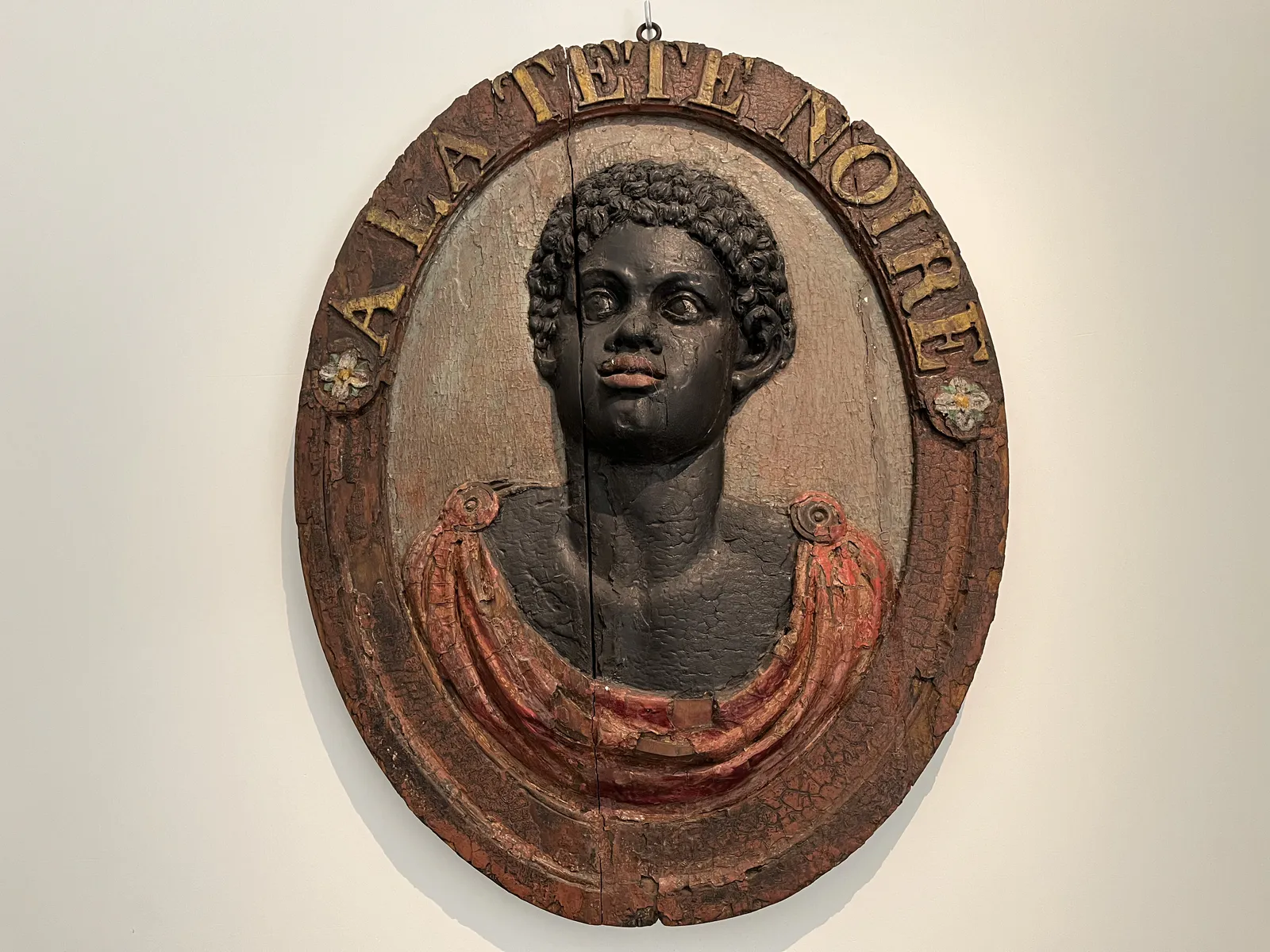
The Black Head Wine Merchant Sign
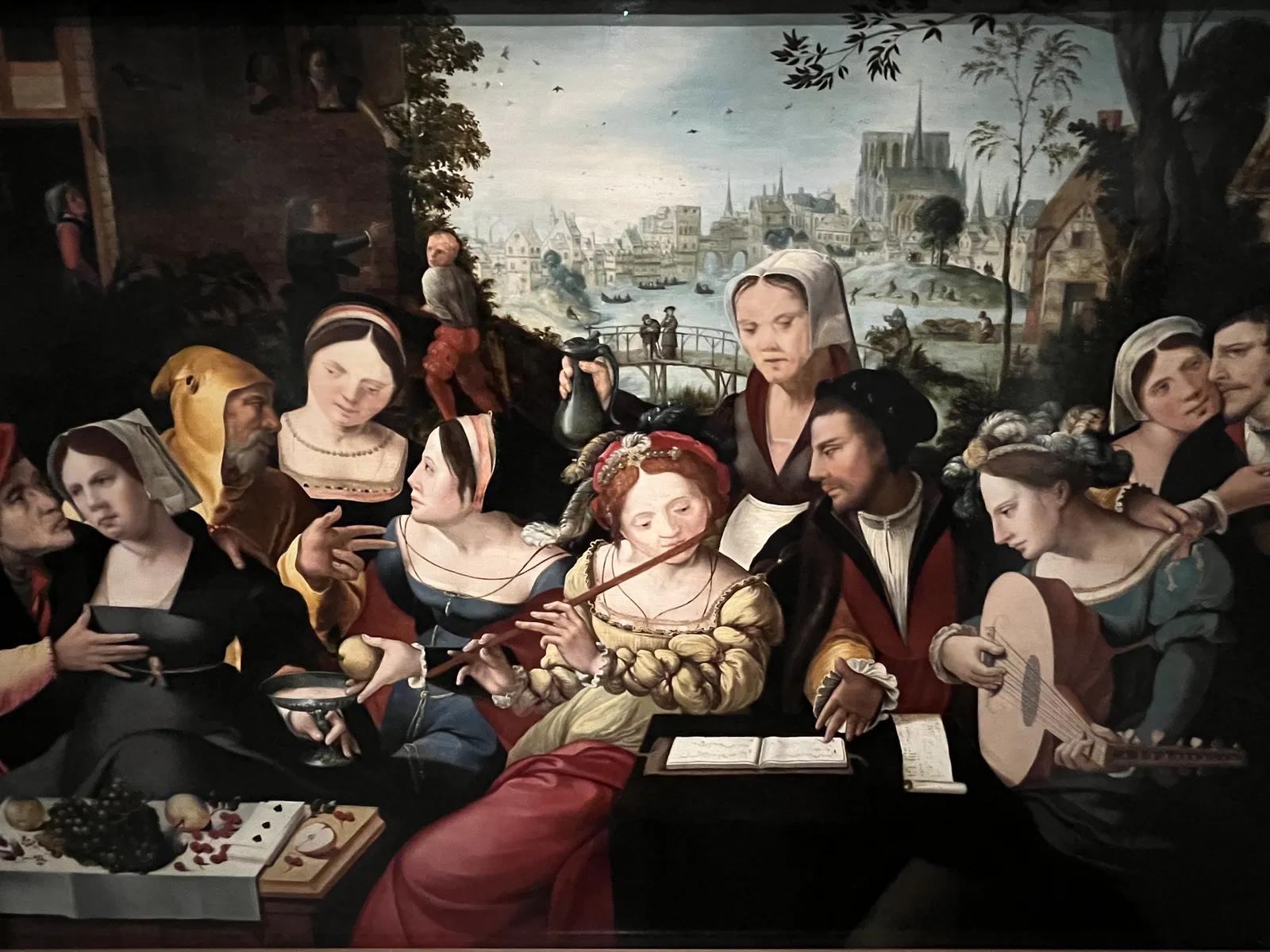
The Prodigal Son among Courtesans
The July Revolution of 1830 and the Three Glorious Days
The July Revolution of 1830
In July 1830, King Charles X issued a series of ordinances that curtailed the power of elected deputies, restricted the franchise and suppressed freedom of the press. Journalists initiated a protest that quickly spread, drawing many Parisians into the streets. Over three days of uprising—27, 28 and 29 July, later known as the “Three Glorious Days”—Paris experienced a new revolution, which toppled the king and marked the end of his rule.
In July 1830, King Charles X issued a series of ordinances that curtailed the power of elected deputies, restricted the franchise and suppressed freedom of the press. Journalists initiated a protest that quickly spread, drawing many Parisians into the streets. Over three days of uprising—27, 28 and 29 July, later known as the “Three Glorious Days”—Paris experienced a new revolution, which toppled the king and marked the end of his rule.
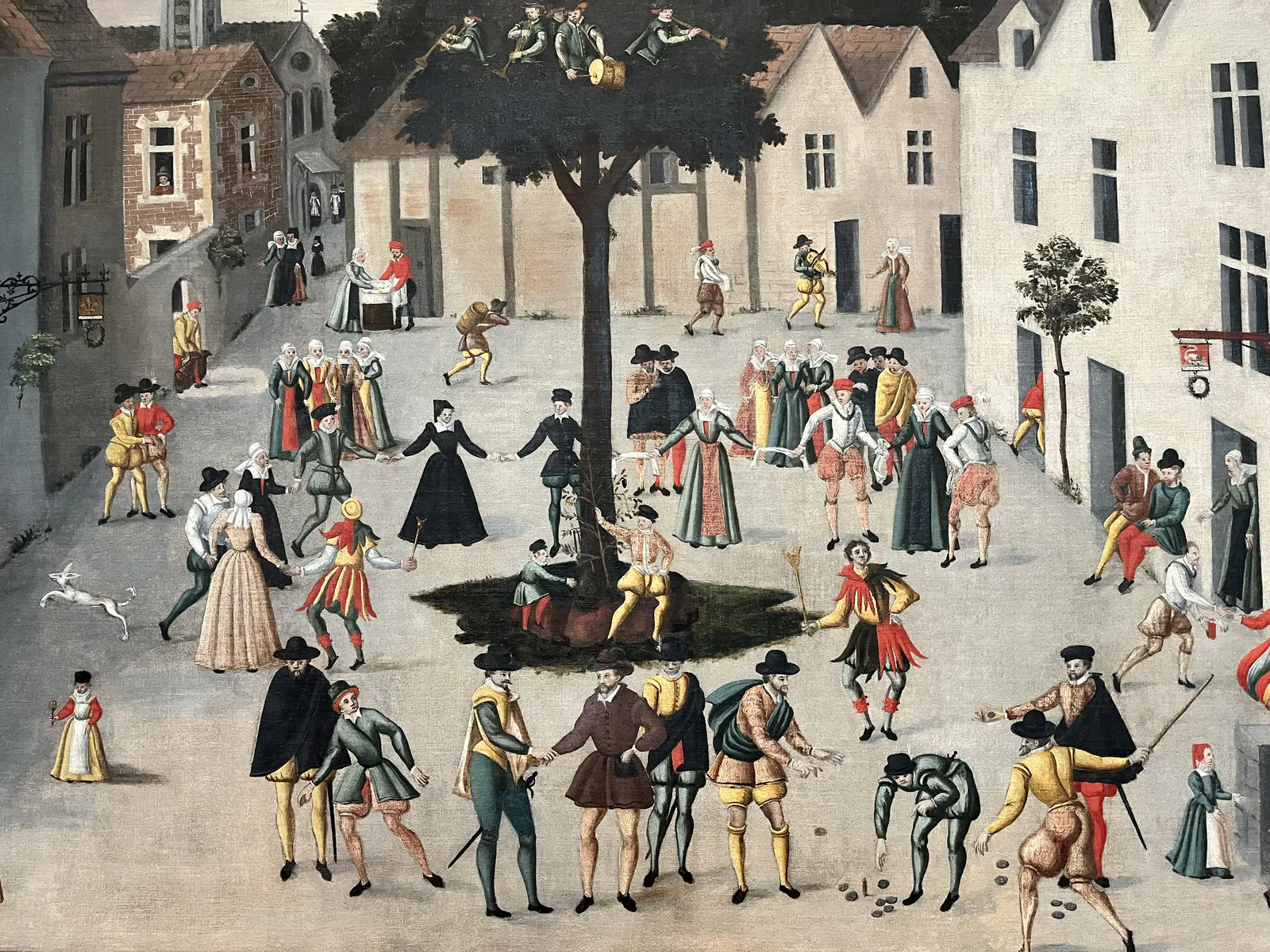
French Street Festival Scene
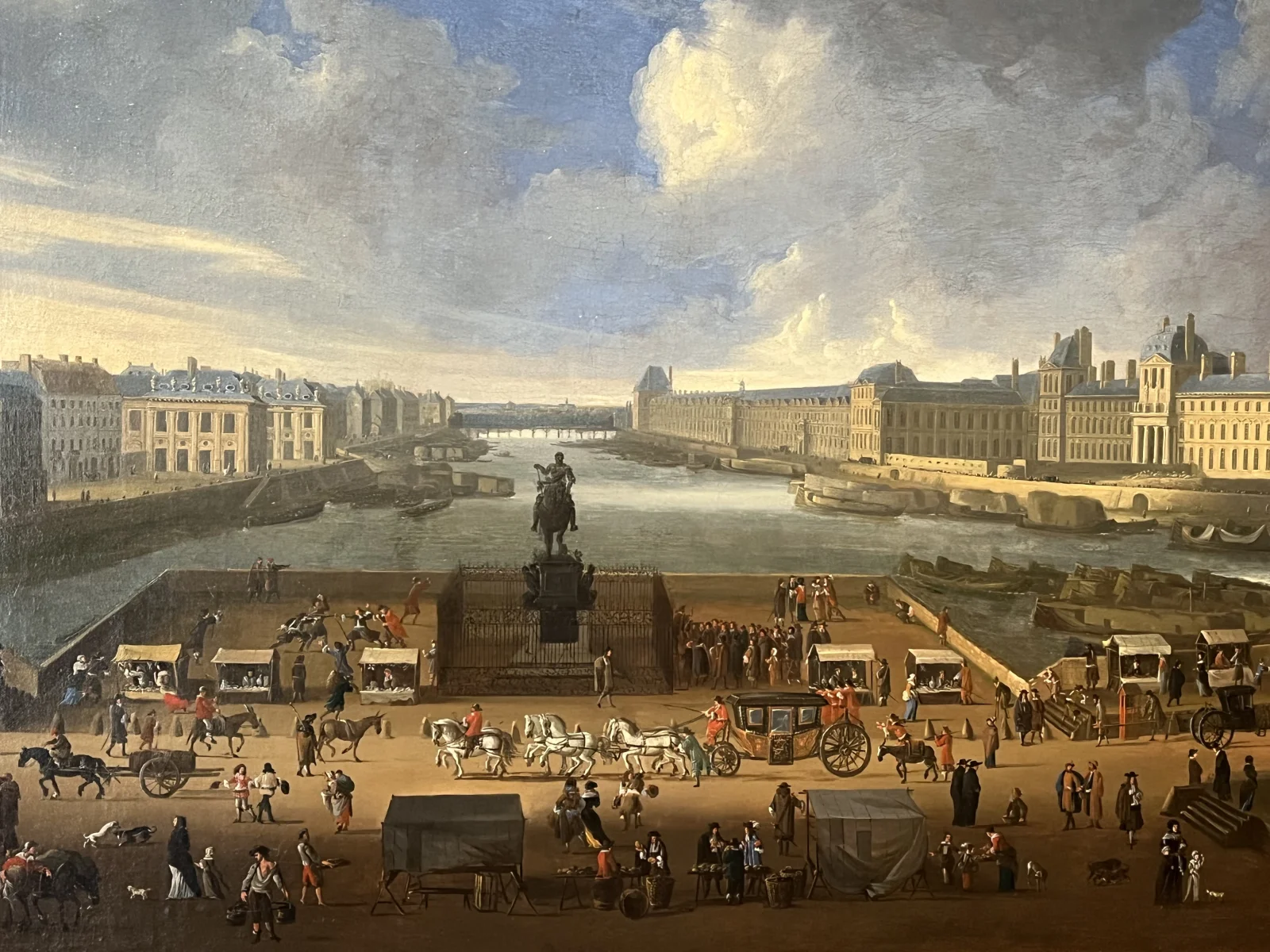
The Seine, the Louvre, and the College of the Four Nations from Pont Neuf

10,000 and 1,000 Livres Tournois Notes
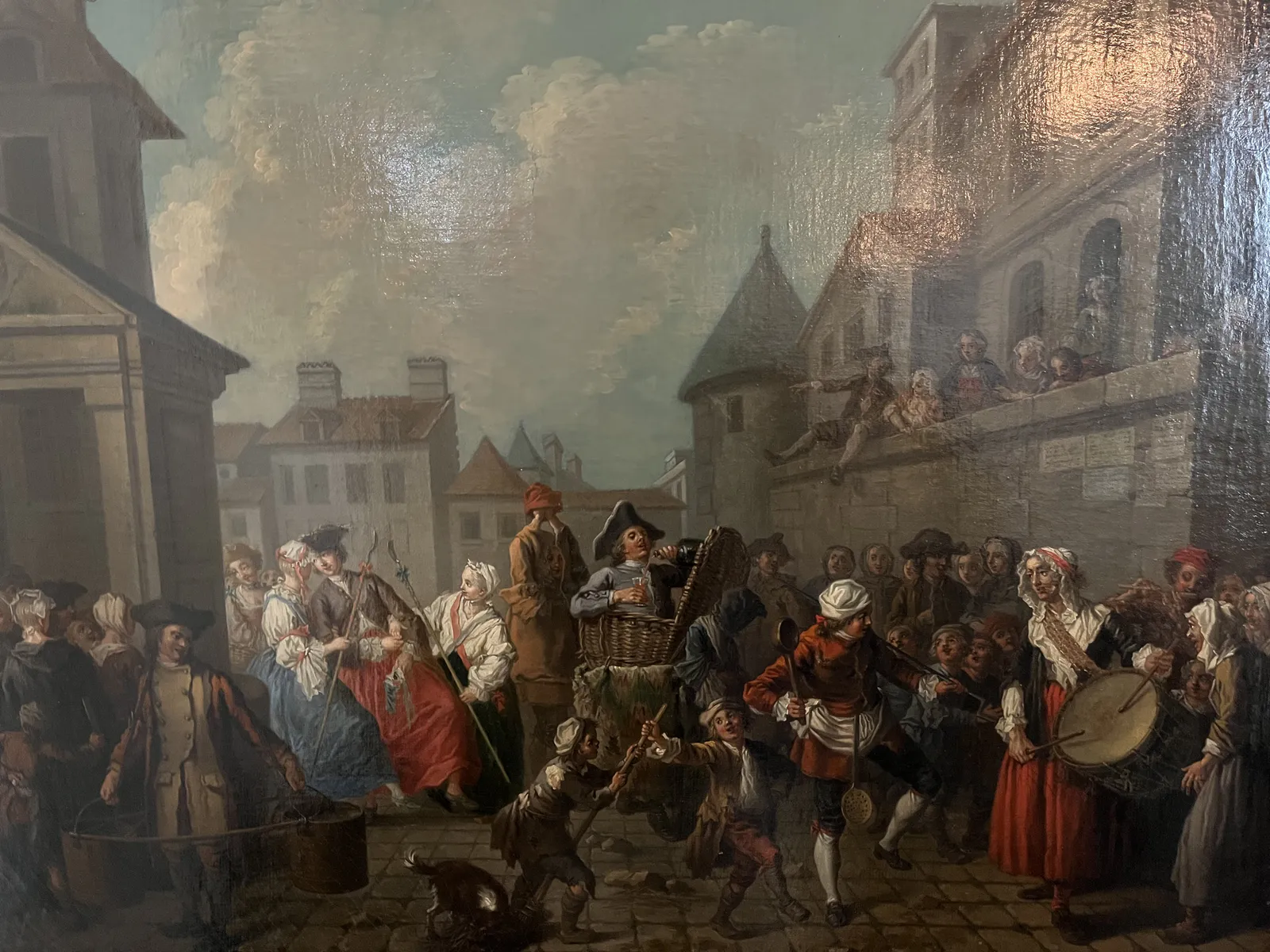
The Carnival in Paris
The July Revolution of 1830 and the Three Glorious Days
The July Revolution Of 1830
In July 1830 Charles X issued decrees curbing the deputies’ power, restricting the vote, and suppressing press freedom. Journalists led the protest, quickly joined by crowds of Parisians. The capital rose in three days of insurrection—the “Three Glorious Days” of 27, 28, and 29 July 1830—which toppled the king and opened a new political era.
In July 1830 Charles X issued decrees curbing the deputies’ power, restricting the vote, and suppressing press freedom. Journalists led the protest, quickly joined by crowds of Parisians. The capital rose in three days of insurrection—the “Three Glorious Days” of 27, 28, and 29 July 1830—which toppled the king and opened a new political era.
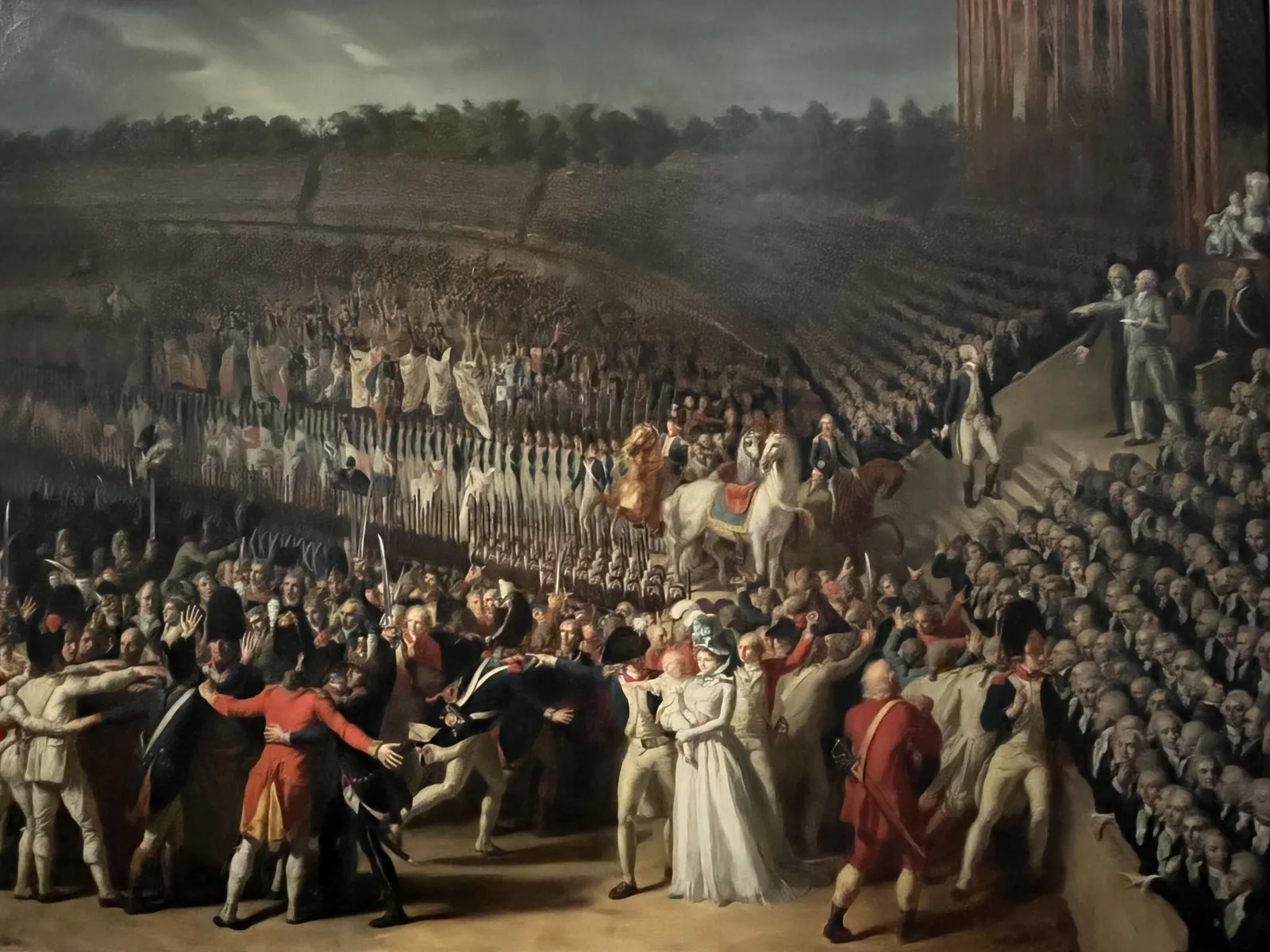
Fête de la Fédération
Napoleon’s Transformation of Paris into a Modern Metropolis
Napoleon’s Transformation Of Paris
To rival ancient Rome, Napoleon commissioned Roman-style monuments such as the Arc de Triomphe and launched major works to modernize Paris. He equipped the capital with new markets, fountains, a canal, and a more systematic sewer network. By then, Paris had grown into a metropolis of more than 600,000 inhabitants.
To rival ancient Rome, Napoleon commissioned Roman-style monuments such as the Arc de Triomphe and launched major works to modernize Paris. He equipped the capital with new markets, fountains, a canal, and a more systematic sewer network. By then, Paris had grown into a metropolis of more than 600,000 inhabitants.
From the Terror to the Directory: France’s Shifting Republic
From Terror to the Directory (1794–1799)
In 1792, the Montagnards defeated the Girondins and, allied with the sans-culottes, set up a revolutionary dictatorship that crushed opposition while voting the first abolition of slavery in history. Their rule ended when Robespierre was arrested and guillotined in 1794, opening the way to a new regime.
Established by the Constitution of Year III (22 August 1795), the Directory placed executive power in the hands of five directors and restored indirect, tax-based suffrage to elect two legislative chambers: the Council of the Five Hundred and the Council of Ancients. It became a republican “laboratory,” inspiring several “sister republics” in Europe and encouraging scientific institutions in Paris, then described as “the great whirlwind of the world.” Yet civil war, plots and coups from both neo-Jacobins and royalists persisted. On 9 November 1799 (18 Brumaire Year VIII), Napoleon Bonaparte seized power; the Directory gave way to the Consulate, an authoritarian regime led by three consuls, with Bonaparte—appointed for life in 1802—holding real control.
In 1792, the Montagnards defeated the Girondins and, allied with the sans-culottes, set up a revolutionary dictatorship that crushed opposition while voting the first abolition of slavery in history. Their rule ended when Robespierre was arrested and guillotined in 1794, opening the way to a new regime.
Established by the Constitution of Year III (22 August 1795), the Directory placed executive power in the hands of five directors and restored indirect, tax-based suffrage to elect two legislative chambers: the Council of the Five Hundred and the Council of Ancients. It became a republican “laboratory,” inspiring several “sister republics” in Europe and encouraging scientific institutions in Paris, then described as “the great whirlwind of the world.” Yet civil war, plots and coups from both neo-Jacobins and royalists persisted. On 9 November 1799 (18 Brumaire Year VIII), Napoleon Bonaparte seized power; the Directory gave way to the Consulate, an authoritarian regime led by three consuls, with Bonaparte—appointed for life in 1802—holding real control.
France 1791–1792: A Constitutional Monarchy Under Siege
France 1791–1792: Constitutional Monarchy Under Strain
Refusing to accept limits on his power, Louis XVI attempted to flee France on the night of 20–21 June 1791, but was intercepted at Varennes and brought back to Paris amid growing distrust. Most deputies opted for compromise, preserving a constitutional monarchy: on 14 September he swore an oath to the new Constitution, the Constituent Assembly gave way to the Legislative Assembly, and the king remained formally on the throne.
Abroad, European courts and royalist émigrés viewed the Revolution as a threat, raising the risk of invasion. To preempt this danger, France declared war on Austria on 20 April 1792. As Louis XVI’s double game with foreign powers became more obvious, radical republicans prepared an insurrection. In the night of 9–10 August an insurrectionary Commune replaced the old Paris municipality; on 10 August fédérés and Parisian workers stormed the Tuileries, the king’s powers were suspended, and a new National Convention was elected by universal male suffrage. On 21 September 1792 it abolished the monarchy, and France effectively became a republic.
Refusing to accept limits on his power, Louis XVI attempted to flee France on the night of 20–21 June 1791, but was intercepted at Varennes and brought back to Paris amid growing distrust. Most deputies opted for compromise, preserving a constitutional monarchy: on 14 September he swore an oath to the new Constitution, the Constituent Assembly gave way to the Legislative Assembly, and the king remained formally on the throne.
Abroad, European courts and royalist émigrés viewed the Revolution as a threat, raising the risk of invasion. To preempt this danger, France declared war on Austria on 20 April 1792. As Louis XVI’s double game with foreign powers became more obvious, radical republicans prepared an insurrection. In the night of 9–10 August an insurrectionary Commune replaced the old Paris municipality; on 10 August fédérés and Parisian workers stormed the Tuileries, the king’s powers were suspended, and a new National Convention was elected by universal male suffrage. On 21 September 1792 it abolished the monarchy, and France effectively became a republic.

Portrait of Jean-Paul Marat
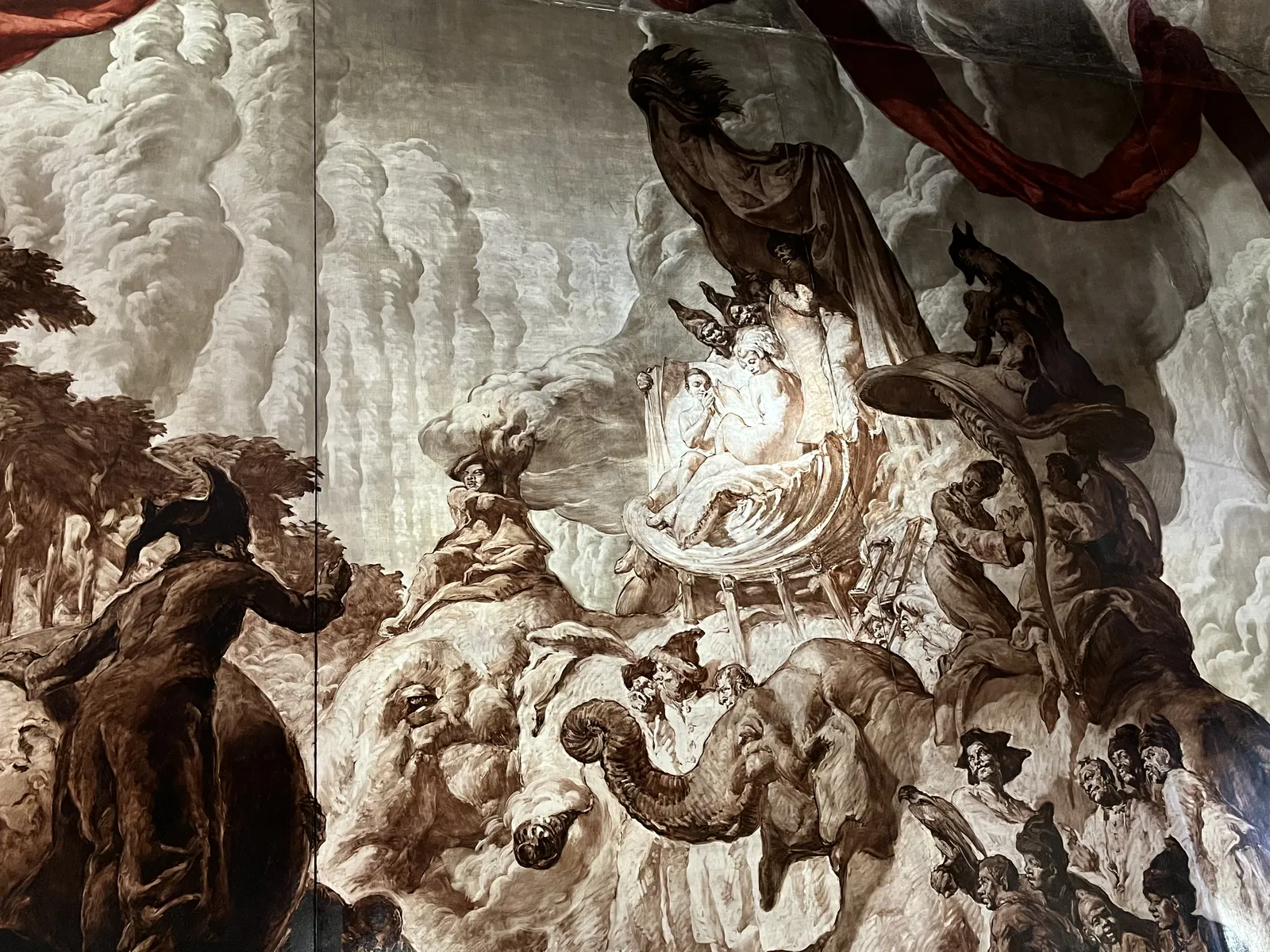
Queen of Sheba
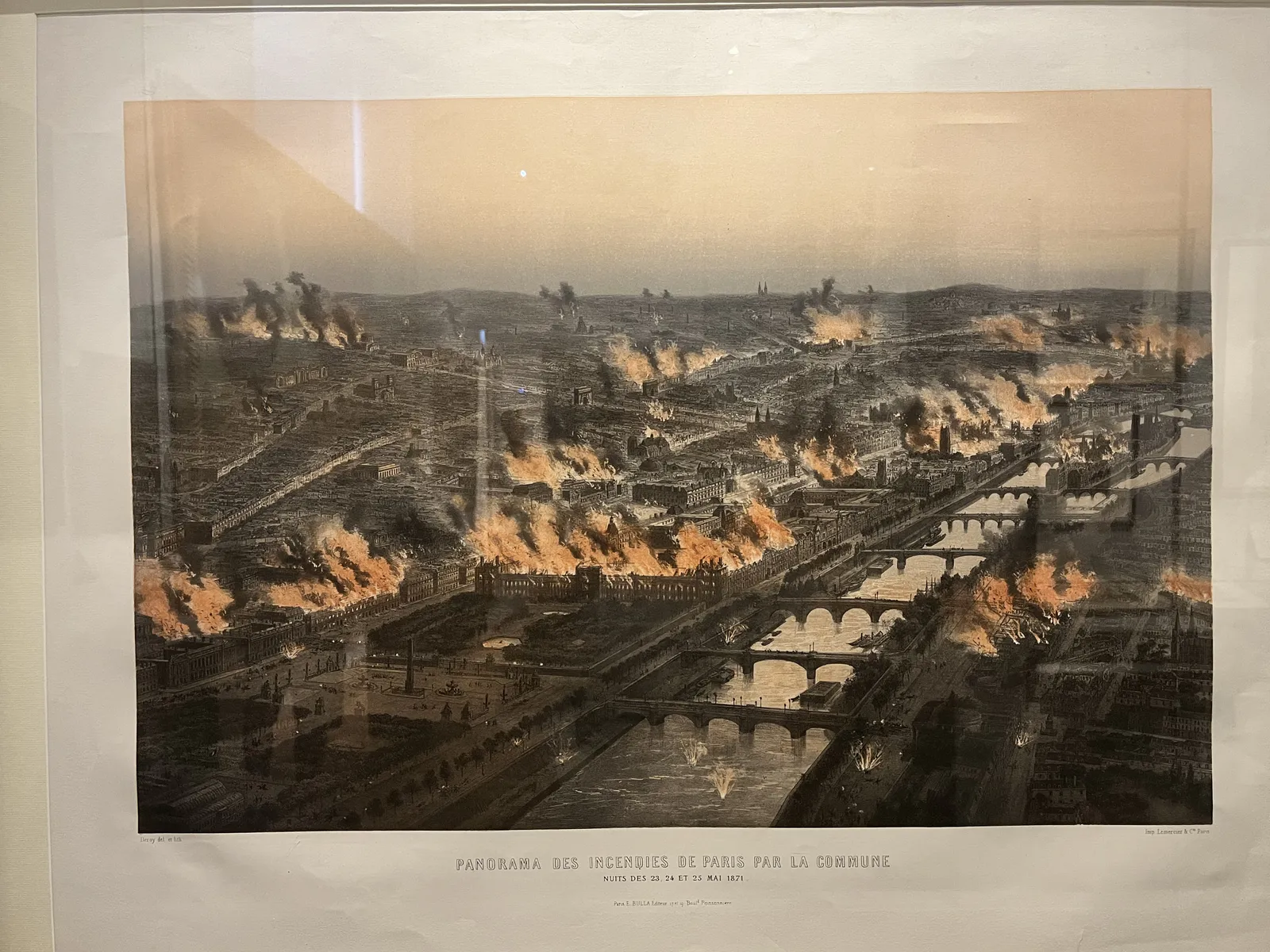
Fires in Paris during the Commune
Early Years of France’s First Republic, 1792–1795
Early Years Of The First Republic (1792–1795)
The National Convention, which took office on 21 September 1792, was divided between two main political groups: the Girondins, who favored a liberal, moderate republic, and the Montagnards, closer to the sans-culottes and supportive of extensive exceptional measures. In spring 1793 the Convention created a Committee of Public Safety and reorganized the Committee of General Security. After the Girondins were ousted on 2 June 1793, the Montagnards had the more democratic Constitution of Year I adopted.
Facing civil war and foreign invasion, the deputies left a mixed legacy. The revolutionary dictatorship repressed all opposition and excluded women from political life, yet also introduced foundational political, economic, and institutional reforms, including the first abolition of slavery in history on 4 February 1794. On 10 June 1794 (22 Prairial Year II), a new law accelerated political repression. The arrest and execution of Robespierre and his allies on 27 July 1794 (9 Thermidor Year II) marked a turning point and the desire to moderate the Revolution. In 1792, the Montagnards, allied with the sans-culottes, had overcome the Girondins; by 1794 their own leader was guillotined in turn.
The National Convention, which took office on 21 September 1792, was divided between two main political groups: the Girondins, who favored a liberal, moderate republic, and the Montagnards, closer to the sans-culottes and supportive of extensive exceptional measures. In spring 1793 the Convention created a Committee of Public Safety and reorganized the Committee of General Security. After the Girondins were ousted on 2 June 1793, the Montagnards had the more democratic Constitution of Year I adopted.
Facing civil war and foreign invasion, the deputies left a mixed legacy. The revolutionary dictatorship repressed all opposition and excluded women from political life, yet also introduced foundational political, economic, and institutional reforms, including the first abolition of slavery in history on 4 February 1794. On 10 June 1794 (22 Prairial Year II), a new law accelerated political repression. The arrest and execution of Robespierre and his allies on 27 July 1794 (9 Thermidor Year II) marked a turning point and the desire to moderate the Revolution. In 1792, the Montagnards, allied with the sans-culottes, had overcome the Girondins; by 1794 their own leader was guillotined in turn.
Early Years of the First French Republic, 1792–1795
The Early Years of the First Republic (1792–1795)
The National Convention, which took office on 21 September 1792, quickly polarized between two main groups: the Girondins, who favored a liberal, moderate republic, and the Montagnards, who were close to the sans-culottes and supported sweeping emergency measures. In spring 1793 the Convention created the Committee of Public Safety and reorganized the Committee of General Security; after the Girondins’ expulsion on 2 June, the Montagnards pushed through what they saw as a more democratic Constitution of Year I.
Overwhelmed by civil war and foreign invasion, the deputies left a mixed legacy. The revolutionary dictatorship crushed opposition and excluded women from political life, yet it also introduced foundational political, economic and institutional innovations, including the first abolition of slavery in French history on 4 February 1794. On 10 June 1794 (22 Prairial Year II), a new law intensified political repression. The arrest and execution of Robespierre and his allies on 27 July 1794 (9 Thermidor Year II) marked a determination to curb the Terror and moderate the course of the Revolution.
The National Convention, which took office on 21 September 1792, quickly polarized between two main groups: the Girondins, who favored a liberal, moderate republic, and the Montagnards, who were close to the sans-culottes and supported sweeping emergency measures. In spring 1793 the Convention created the Committee of Public Safety and reorganized the Committee of General Security; after the Girondins’ expulsion on 2 June, the Montagnards pushed through what they saw as a more democratic Constitution of Year I.
Overwhelmed by civil war and foreign invasion, the deputies left a mixed legacy. The revolutionary dictatorship crushed opposition and excluded women from political life, yet it also introduced foundational political, economic and institutional innovations, including the first abolition of slavery in French history on 4 February 1794. On 10 June 1794 (22 Prairial Year II), a new law intensified political repression. The arrest and execution of Robespierre and his allies on 27 July 1794 (9 Thermidor Year II) marked a determination to curb the Terror and moderate the course of the Revolution.
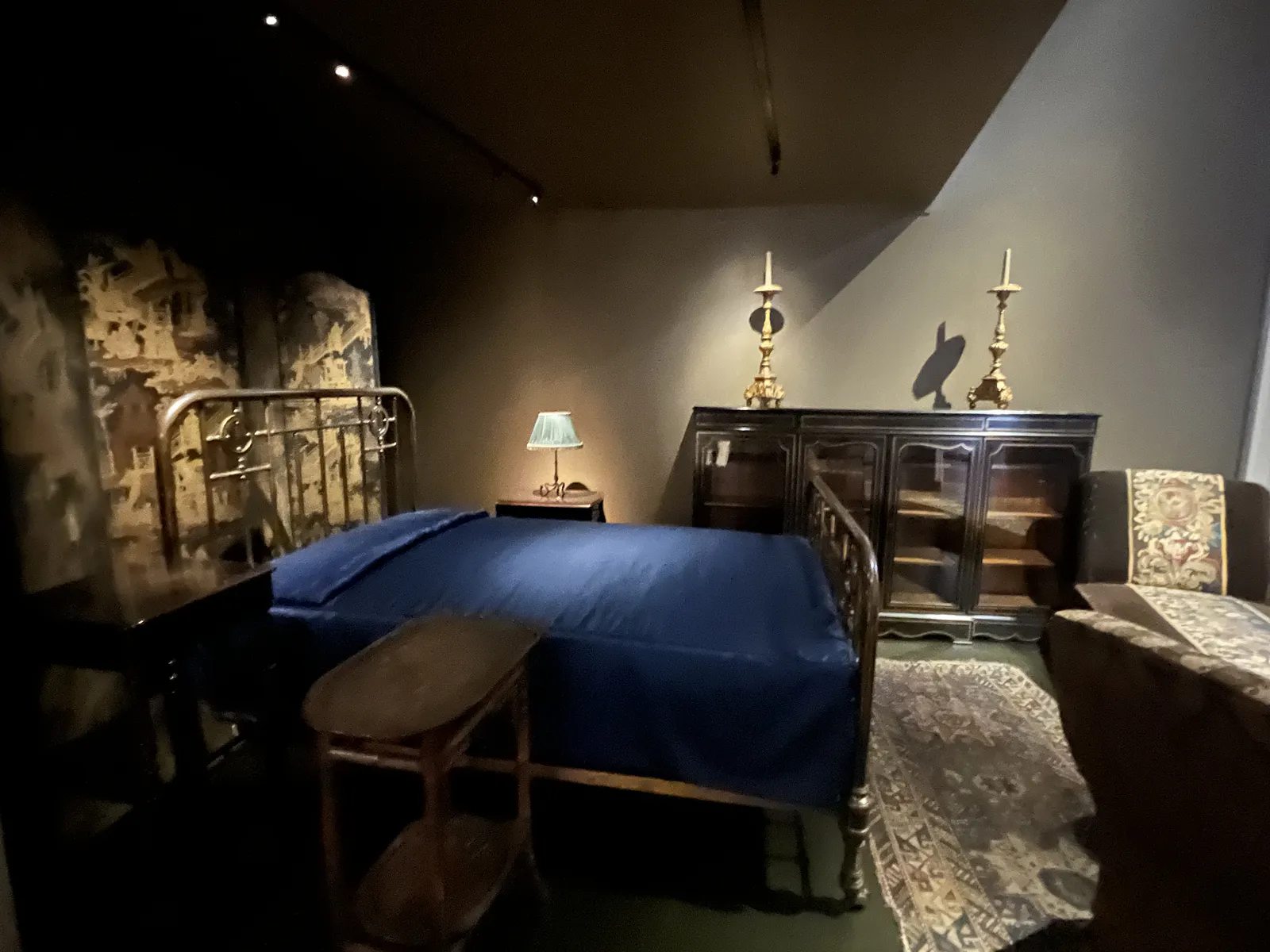
Marcel Proust's Bedroom
Fall of the French Monarchy and the Royal Family’s Fate
Fall Of The Monarchy And Fate Of The Royal Family (1792–1793)
Although the monarchy was abolished on 21 September 1792, Louis XVI and his family had been imprisoned since 13 August. Renamed “Louis Capet,” in reference to his ancestor Hugues Capet, he was treated as a simple citizen. The discovery of the “iron chest,” containing documents proving his collusion with foreign sovereigns and his corruption of political figures, convinced the Convention to put him on trial. After long debates, he was found guilty almost unanimously, but condemned to death by only a narrow majority.
Louis XVI was guillotined on 21 January 1793, followed by Marie-Antoinette on 16 October and the king’s sister, Madame Élisabeth. The dauphin died in the Temple prison on 8 June 1795. For many in France and across Europe, the king’s execution was a sacrilege that accelerated events. Refusing conscription into republican armies, many French people—especially in the West—took up arms against the Revolution, while the formation of a broad European coalition pushed the Revolution toward greater radicalization.
⸻
Although the monarchy was abolished on 21 September 1792, Louis XVI and his family had been imprisoned since 13 August. Renamed “Louis Capet,” in reference to his ancestor Hugues Capet, he was treated as a simple citizen. The discovery of the “iron chest,” containing documents proving his collusion with foreign sovereigns and his corruption of political figures, convinced the Convention to put him on trial. After long debates, he was found guilty almost unanimously, but condemned to death by only a narrow majority.
Louis XVI was guillotined on 21 January 1793, followed by Marie-Antoinette on 16 October and the king’s sister, Madame Élisabeth. The dauphin died in the Temple prison on 8 June 1795. For many in France and across Europe, the king’s execution was a sacrilege that accelerated events. Refusing conscription into republican armies, many French people—especially in the West—took up arms against the Revolution, while the formation of a broad European coalition pushed the Revolution toward greater radicalization.
⸻
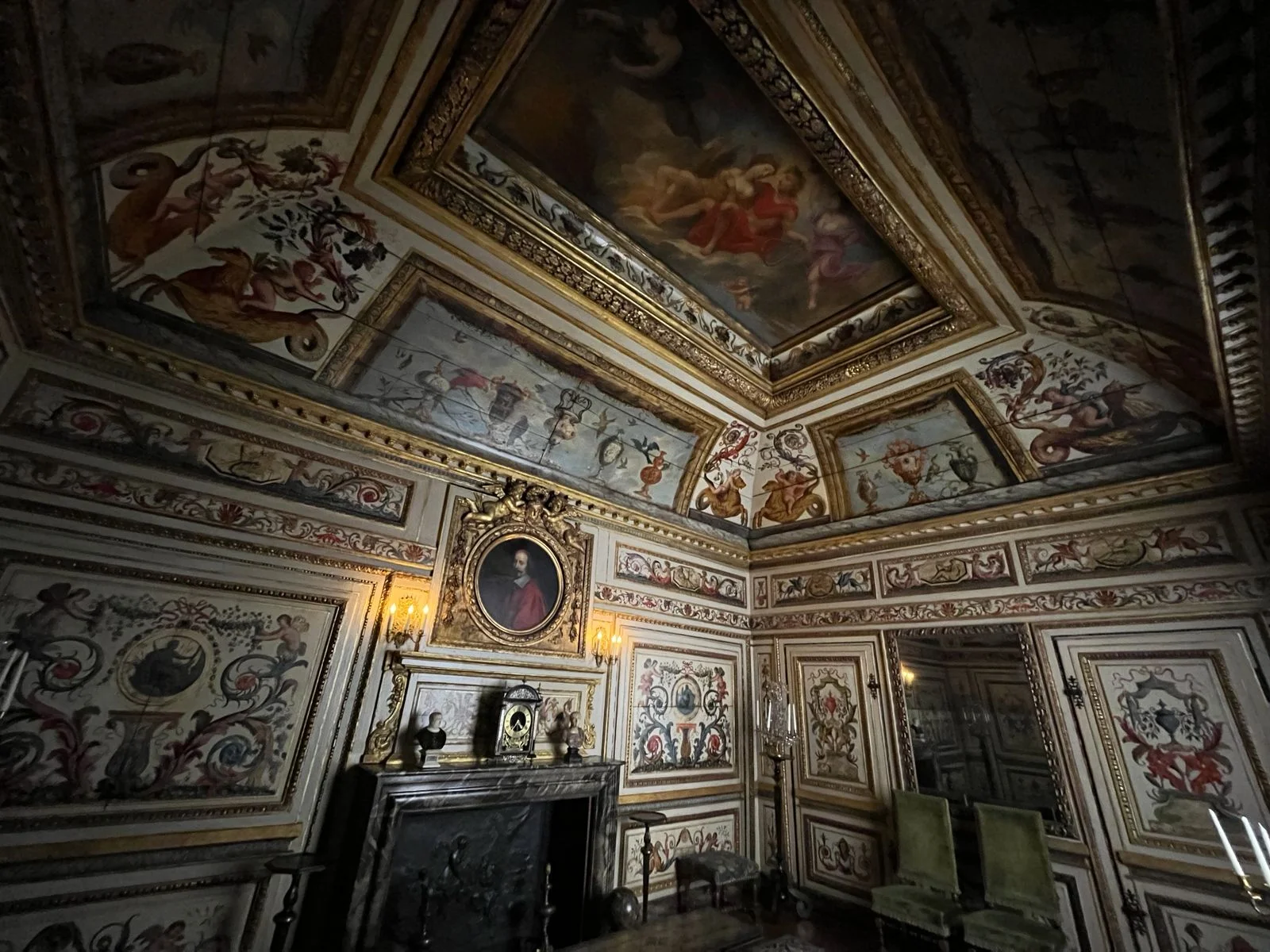
Baroque Grotesques on Boiserie Panels
The Fall of the French Monarchy and the Royal Family’s Fate
The Fall of the Monarchy and the Royal Family’s Fate (1792–1793)
Although the monarchy was abolished on 21 September 1792, Louis XVI and his family had been imprisoned since 13 August. Dubbed “Louis Capet,” in reference to his ancestor Hugues Capet, he was reduced to the status of an ordinary citizen. The discovery of the “iron chest,” containing documents that proved his collusion with foreign rulers and his corruption of political figures, convinced the National Convention to put him on trial. After intense debate he was found guilty by an overwhelming majority, but condemned to death by only a narrow vote.
Louis XVI was guillotined on 21 January 1793, followed by Marie-Antoinette on 16 October and the king’s sister, Madame Élisabeth. The dauphin died in the Temple prison on 8 June 1795. Many in France and across Europe perceived the king’s execution as sacrilegious, which accelerated events: large numbers of French people—especially in the West—took up arms against the Revolution, refusing conscription into republican armies. At the same time, the formation of a broad European coalition against France helped push the Revolution in an increasingly radical direction.
Although the monarchy was abolished on 21 September 1792, Louis XVI and his family had been imprisoned since 13 August. Dubbed “Louis Capet,” in reference to his ancestor Hugues Capet, he was reduced to the status of an ordinary citizen. The discovery of the “iron chest,” containing documents that proved his collusion with foreign rulers and his corruption of political figures, convinced the National Convention to put him on trial. After intense debate he was found guilty by an overwhelming majority, but condemned to death by only a narrow vote.
Louis XVI was guillotined on 21 January 1793, followed by Marie-Antoinette on 16 October and the king’s sister, Madame Élisabeth. The dauphin died in the Temple prison on 8 June 1795. Many in France and across Europe perceived the king’s execution as sacrilegious, which accelerated events: large numbers of French people—especially in the West—took up arms against the Revolution, refusing conscription into republican armies. At the same time, the formation of a broad European coalition against France helped push the Revolution in an increasingly radical direction.
Musée Carnavalet
Set in two elegant mansions in the historic Marais district, the Musée Carnavalet is devoted to the turbulent, inventive story of Paris. Its immersive galleries guide visitors from the final years of the monarchy through the Revolution, the First Republic and the rise of Napoleon, showing how political upheavals reshaped the city and daily life. Paintings, sculptures, documents and decorative arts evoke key moments such as the fall of Louis XVI, the birth of republican institutions and the great urban transformations that followed.
Beyond major historical episodes, the museum highlights quieter revolutions: the creation of départements, the adoption of the metric system, the emergence of public museums and the modernization of Paris with markets, fountains, canals and sewers. Visitors wander through period rooms, emblematic objects and evocative cityscapes that trace Paris’s growth into a modern capital of more than 600,000 inhabitants, revealing how its streets, monuments and citizens have continually reinvented themselves.
Beyond major historical episodes, the museum highlights quieter revolutions: the creation of départements, the adoption of the metric system, the emergence of public museums and the modernization of Paris with markets, fountains, canals and sewers. Visitors wander through period rooms, emblematic objects and evocative cityscapes that trace Paris’s growth into a modern capital of more than 600,000 inhabitants, revealing how its streets, monuments and citizens have continually reinvented themselves.
Popular categories
Advertising space