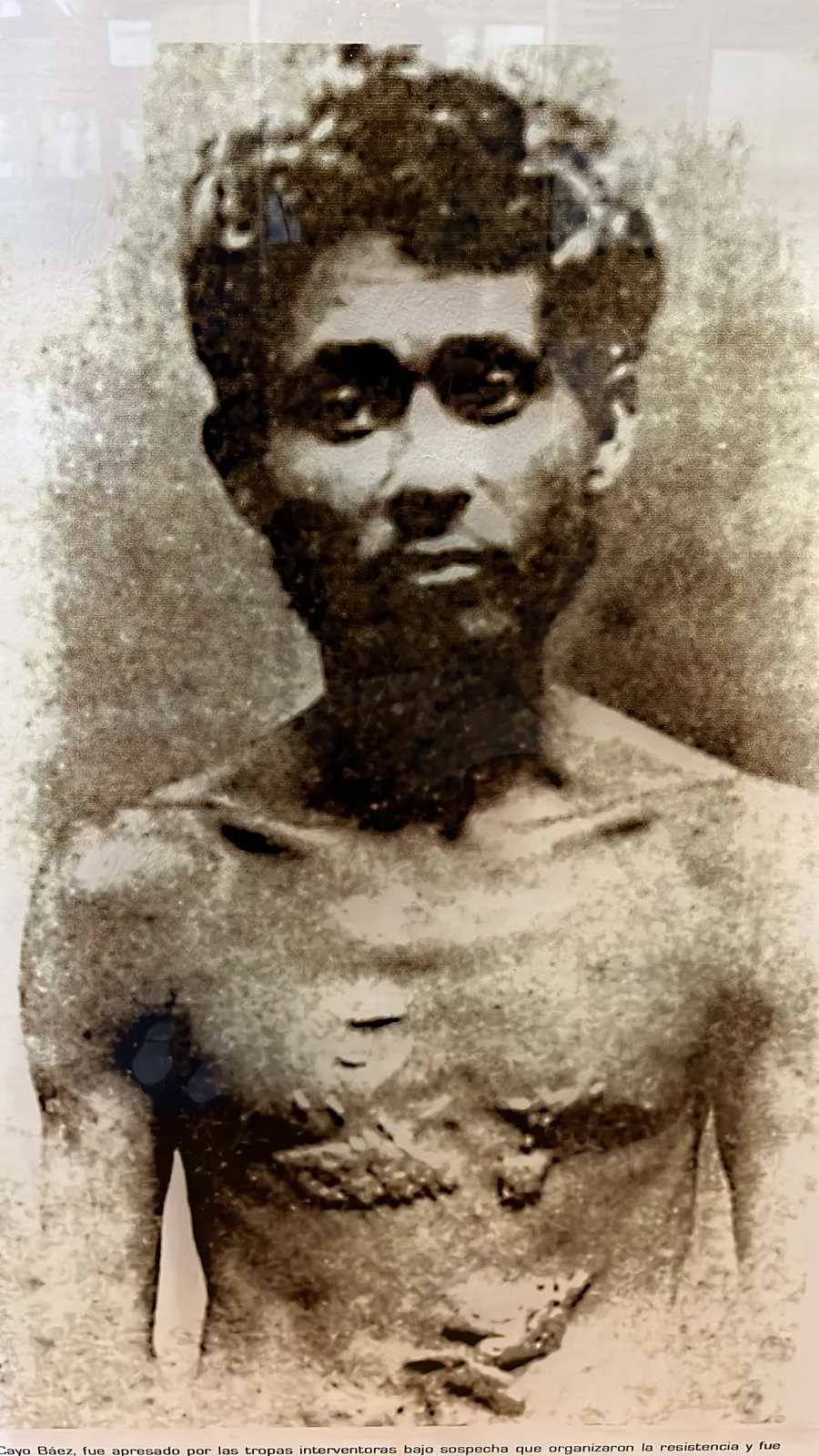
Cayo Báez after Torture
Inside “La 40”: A Survivor’s Account of Torture and Terror
Torture chamber of “La 40”
The night I arrived at the torture center, the place seemed like something out of a Dantean hallucination. Throughout the prison courtyard and its various rooms, torture was carried out in every imaginable way, amid a bestial frenzy in which guards and naked, handcuffed men were mixed together—screaming and writhing like decapitated chickens. It is hard for even the calmest mind to witness a defenseless, naked man turned into a mass of lacerated flesh, transformed into a kind of bipedal zebra with his entire body covered in black, bleeding welts caused by more than two hundred lashes delivered with whips, thick wires, and plastic tubing.
The screams produced by the application of electric current—its burning effect running through the entire nervous system—were especially wavering and wrenching. The sight of a naked man strapped to a chair covered with copper plates was particularly dramatic: the victim twisted violently under the shocks, his body contracting, his facial rictus shifting between howls of pain, creating a truly unbearable vision. Meanwhile, during pauses, the chorus of torturers exchanged jokes and sarcasm about the victims, while amusing themselves by continuously extinguishing cigarettes on the bodies of the bound men in La Silla. When someone lost consciousness from the beatings delivered in a ring called El Coliseo—by two or three guards at once on the skinned, bleeding, raw flesh of the captive—a can of salt water was poured on him, or he was placed in La Silla to be revived with electric shocks.
A powerful spotlight produced a blinding light that felt as though it burned into one’s brain, even with eyes closed, while the interrogation continued. El Coliseo was also used to unleash two trained dogs upon the captive—always naked and handcuffed—who endured intermittent attacks with pauses of thirty seconds to a minute. During each pause, the interrogators resumed their questioning before signaling the dogs to attack again. The dogs obeyed automatically, both the order to assault and the order to stop. It was a system of physical and psychological torture: the dogs remained practically on top of the victim, growling, waiting for the next signal.
Electric tubes applied to vital areas were common, but the most terrible aspect of this infernal catalog was not the torment each person received. Ultimately, there comes a moment when pain plunges one into a fog, a kind of half-conscious state in which the mind goes blank, fainting occurs, and a strange numbness sets in. Even more unbearable than one’s own punishment is witnessing—or hearing—the torment inflicted on others.
—Rafael Valera Benítez
Complot Develado, Vol. I, pp. 32–33.
The night I arrived at the torture center, the place seemed like something out of a Dantean hallucination. Throughout the prison courtyard and its various rooms, torture was carried out in every imaginable way, amid a bestial frenzy in which guards and naked, handcuffed men were mixed together—screaming and writhing like decapitated chickens. It is hard for even the calmest mind to witness a defenseless, naked man turned into a mass of lacerated flesh, transformed into a kind of bipedal zebra with his entire body covered in black, bleeding welts caused by more than two hundred lashes delivered with whips, thick wires, and plastic tubing.
The screams produced by the application of electric current—its burning effect running through the entire nervous system—were especially wavering and wrenching. The sight of a naked man strapped to a chair covered with copper plates was particularly dramatic: the victim twisted violently under the shocks, his body contracting, his facial rictus shifting between howls of pain, creating a truly unbearable vision. Meanwhile, during pauses, the chorus of torturers exchanged jokes and sarcasm about the victims, while amusing themselves by continuously extinguishing cigarettes on the bodies of the bound men in La Silla. When someone lost consciousness from the beatings delivered in a ring called El Coliseo—by two or three guards at once on the skinned, bleeding, raw flesh of the captive—a can of salt water was poured on him, or he was placed in La Silla to be revived with electric shocks.
A powerful spotlight produced a blinding light that felt as though it burned into one’s brain, even with eyes closed, while the interrogation continued. El Coliseo was also used to unleash two trained dogs upon the captive—always naked and handcuffed—who endured intermittent attacks with pauses of thirty seconds to a minute. During each pause, the interrogators resumed their questioning before signaling the dogs to attack again. The dogs obeyed automatically, both the order to assault and the order to stop. It was a system of physical and psychological torture: the dogs remained practically on top of the victim, growling, waiting for the next signal.
Electric tubes applied to vital areas were common, but the most terrible aspect of this infernal catalog was not the torment each person received. Ultimately, there comes a moment when pain plunges one into a fog, a kind of half-conscious state in which the mind goes blank, fainting occurs, and a strange numbness sets in. Even more unbearable than one’s own punishment is witnessing—or hearing—the torment inflicted on others.
—Rafael Valera Benítez
Complot Develado, Vol. I, pp. 32–33.
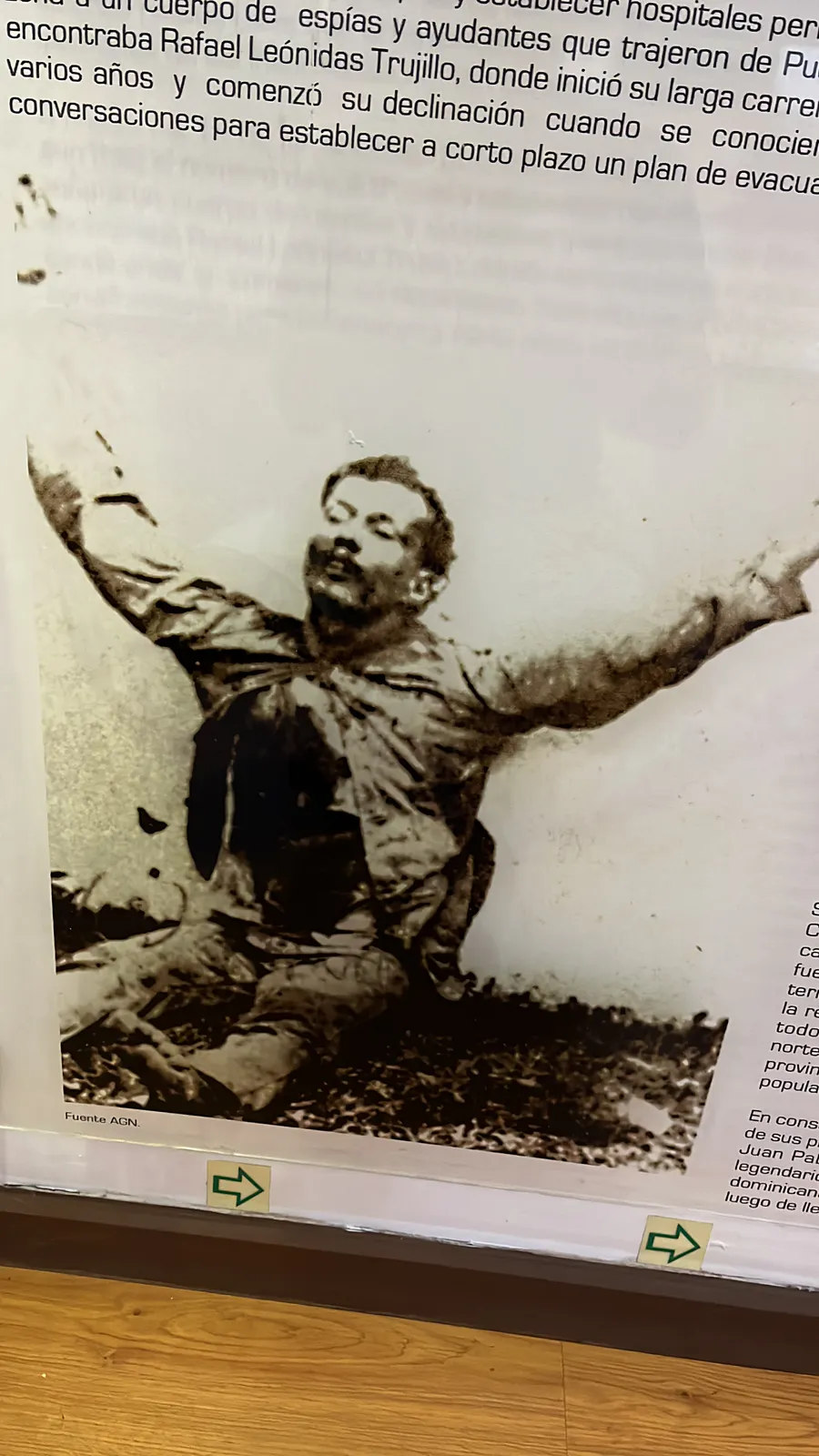
Death of an Anti-US Fighter
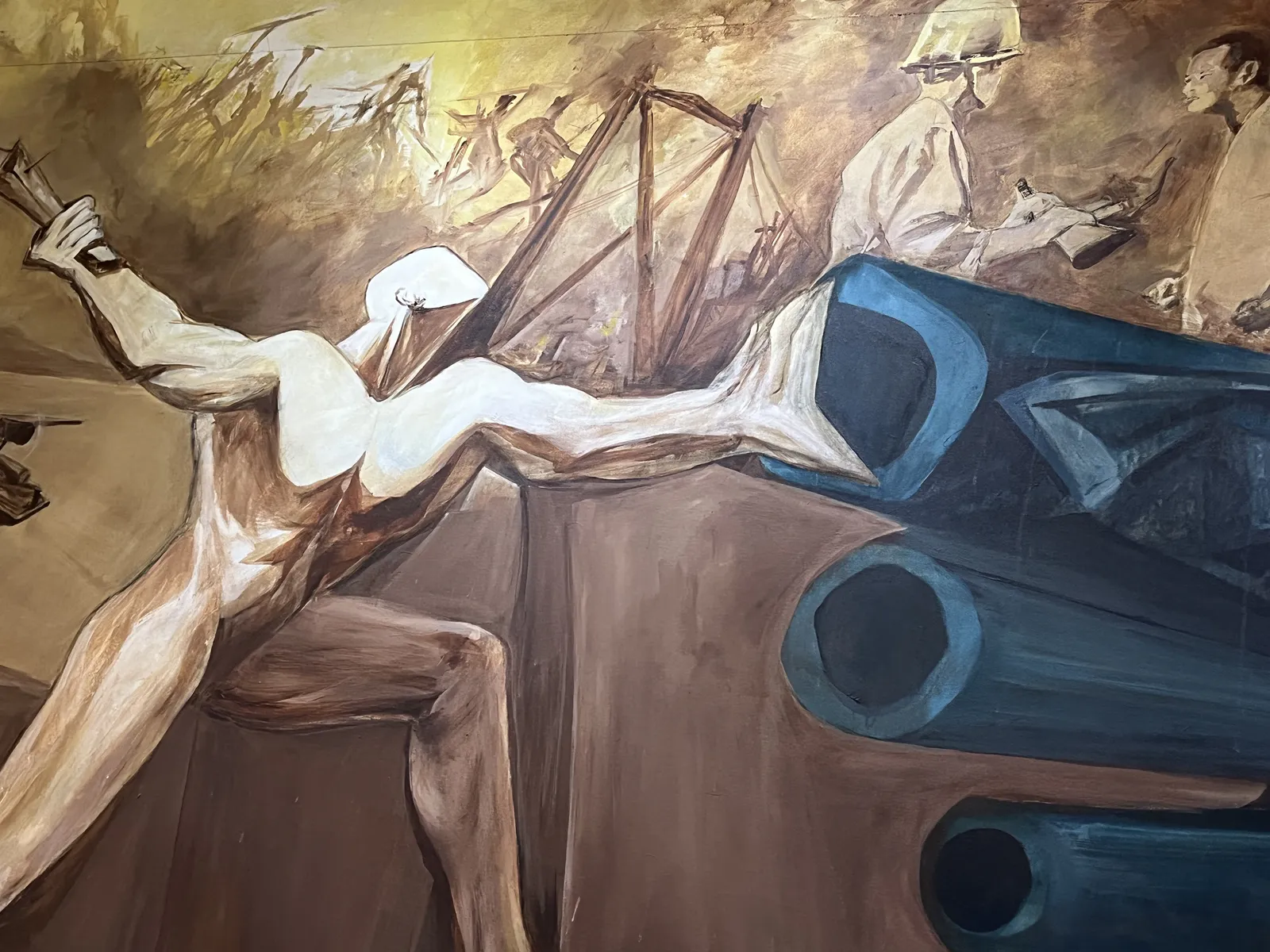
El pueblo en lucha
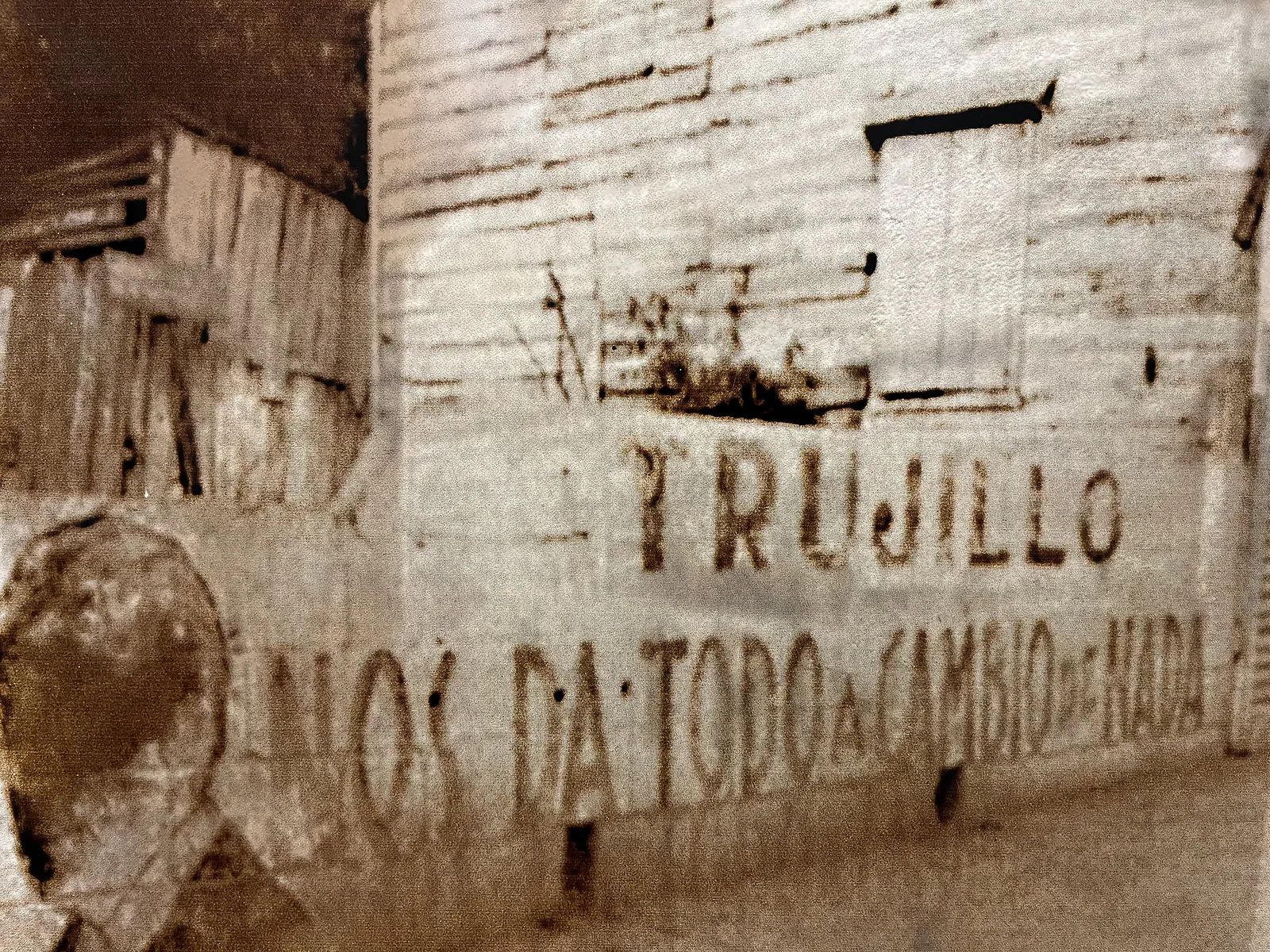
Trujillo’s Cult of Gratitude
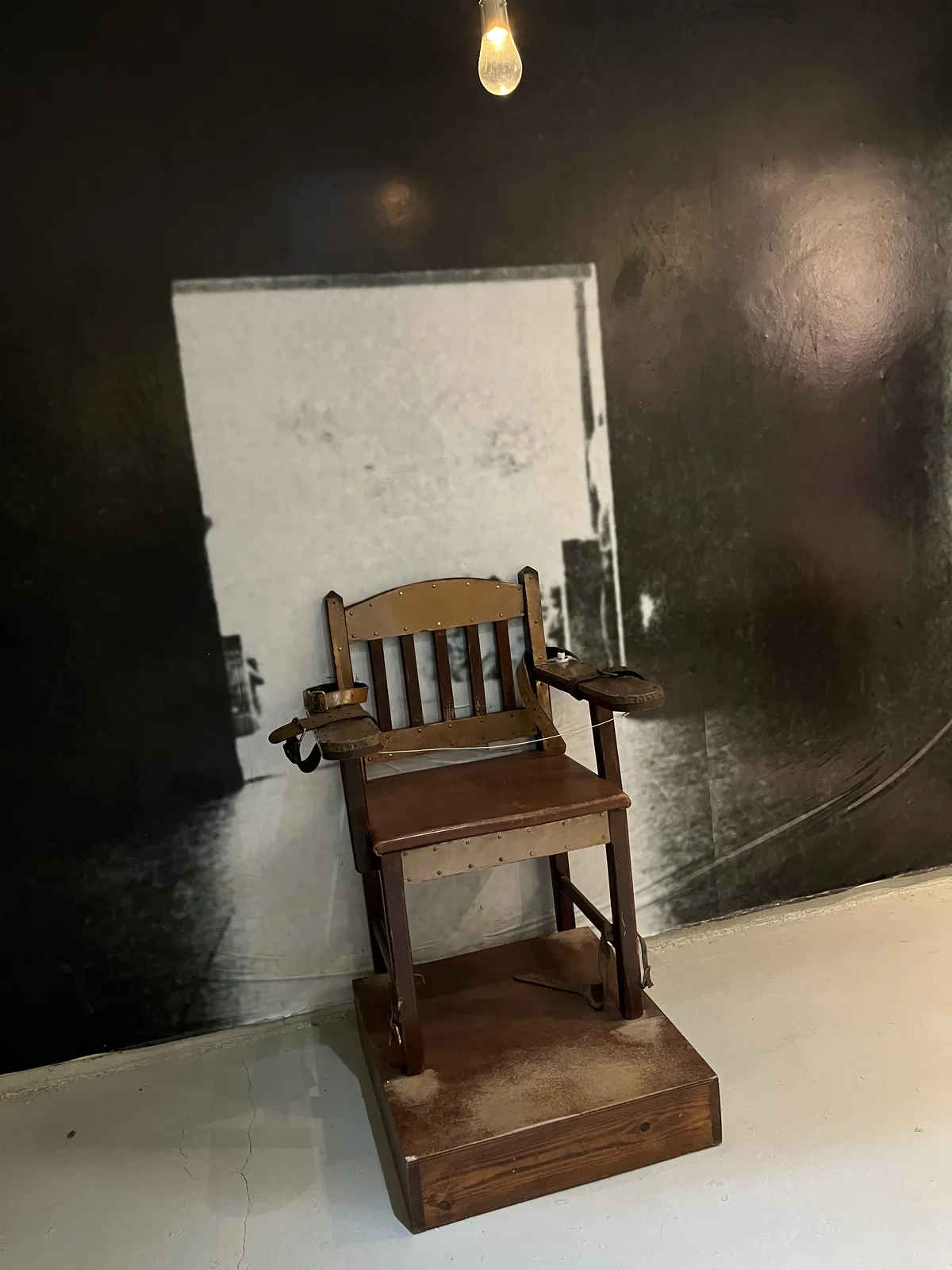
The Throne Torture Chair
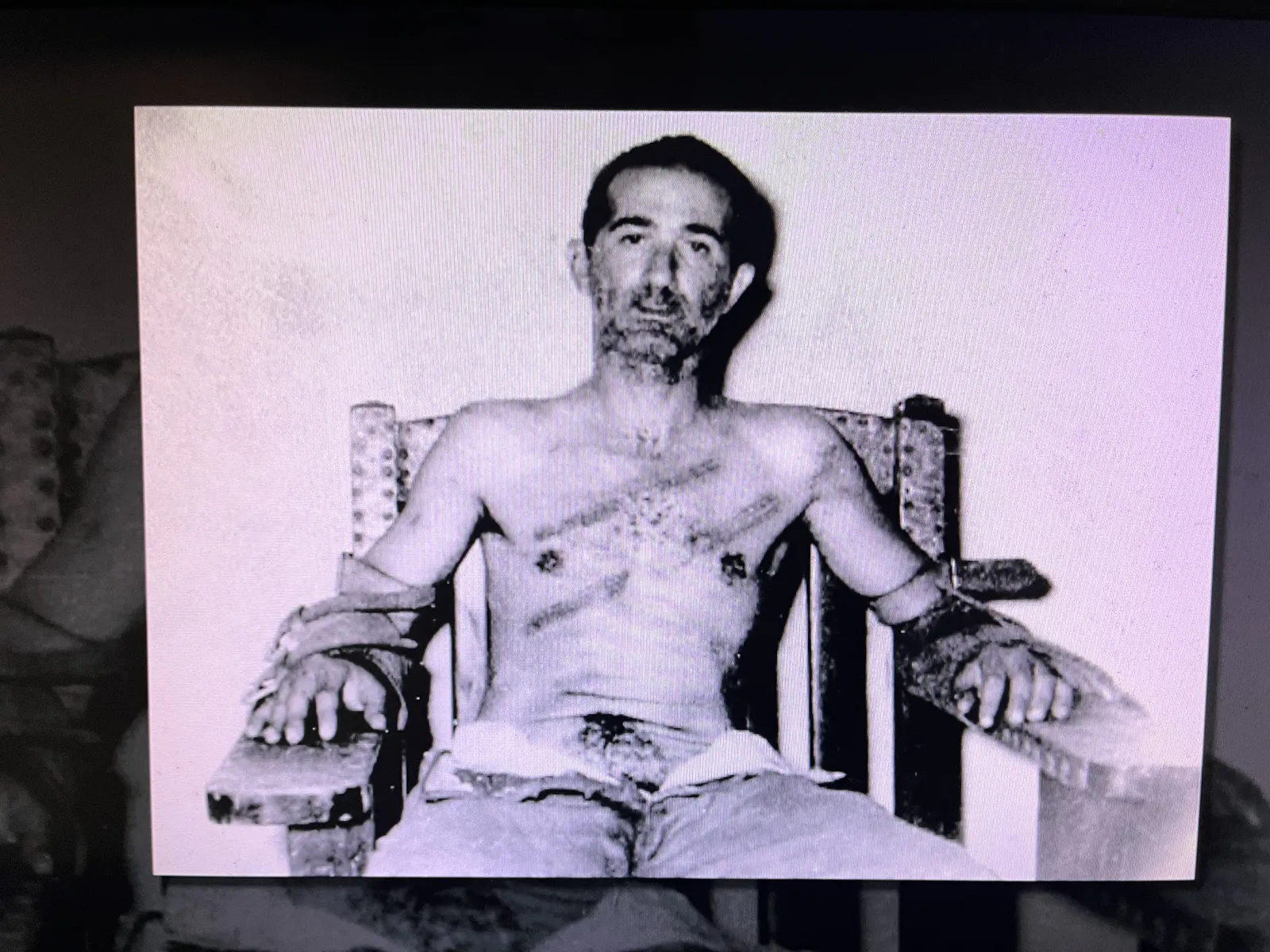
Miguel Álvarez Fadul After Torture
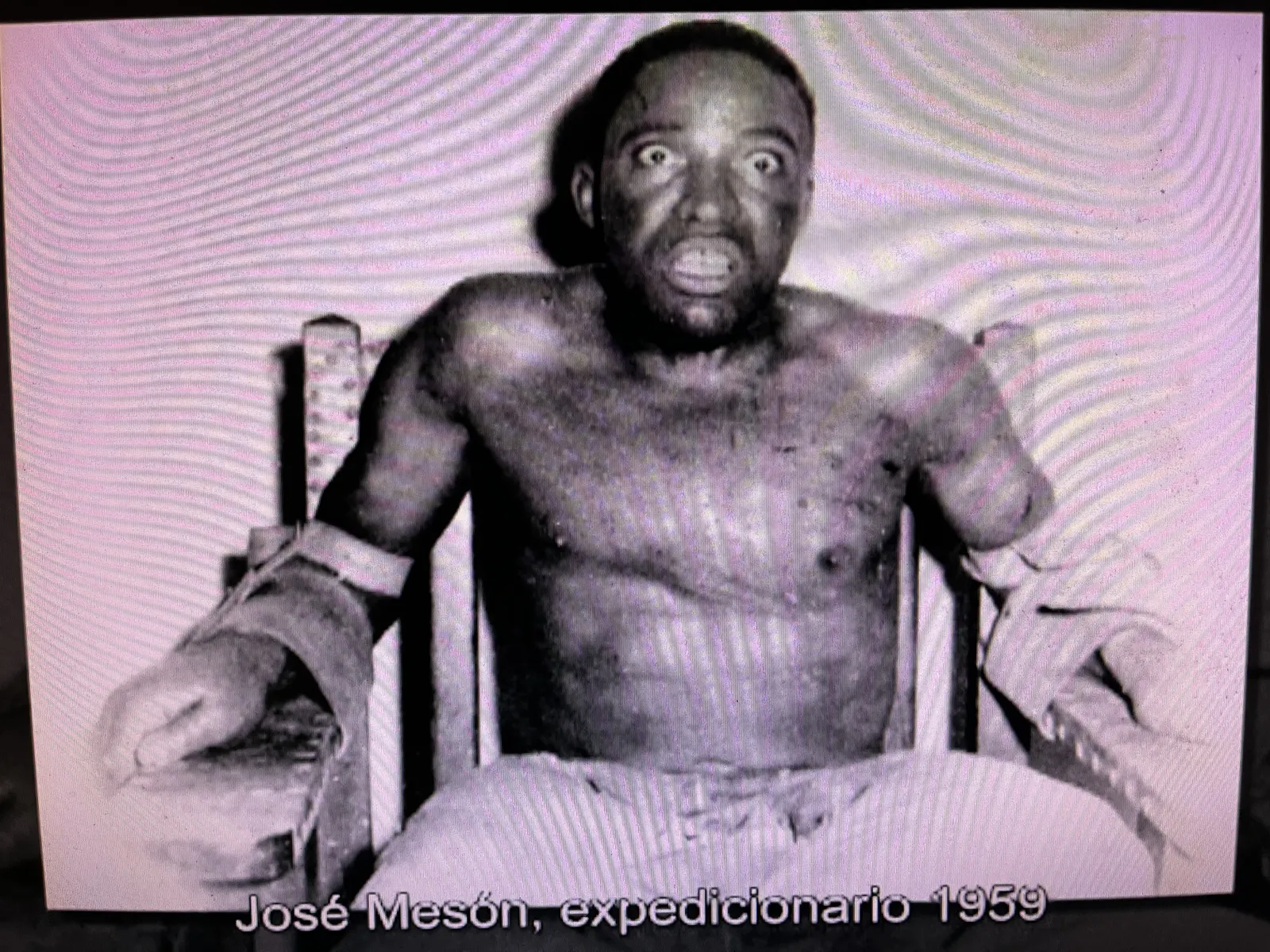
José Mesón After Torture
Trujillo’s Grip on Dominican Industry and Wealth
Monopolization of National Industry Under Trujillo
By concentrating political power and commanding the state’s institutions—including the army, police, and security services—Trujillo and his associates monopolized the limited industrial development of the Dominican economy. As noted by Professor Bosch, Trujillo forcibly positioned himself as the dominant figure in national industry. At the time of his death, he controlled 51% of the country’s industrial capital. His personal fortune, built through industries, plantations, vast cattle herds, sugar mills, airlines, shipping lines, and banking deposits, exceeded 600 million dollars of that era—equivalent to more than 3 billion today. To illustrate the scale of this wealth, a four-door Chevrolet cost roughly one thousand pesos in 1960.
By concentrating political power and commanding the state’s institutions—including the army, police, and security services—Trujillo and his associates monopolized the limited industrial development of the Dominican economy. As noted by Professor Bosch, Trujillo forcibly positioned himself as the dominant figure in national industry. At the time of his death, he controlled 51% of the country’s industrial capital. His personal fortune, built through industries, plantations, vast cattle herds, sugar mills, airlines, shipping lines, and banking deposits, exceeded 600 million dollars of that era—equivalent to more than 3 billion today. To illustrate the scale of this wealth, a four-door Chevrolet cost roughly one thousand pesos in 1960.
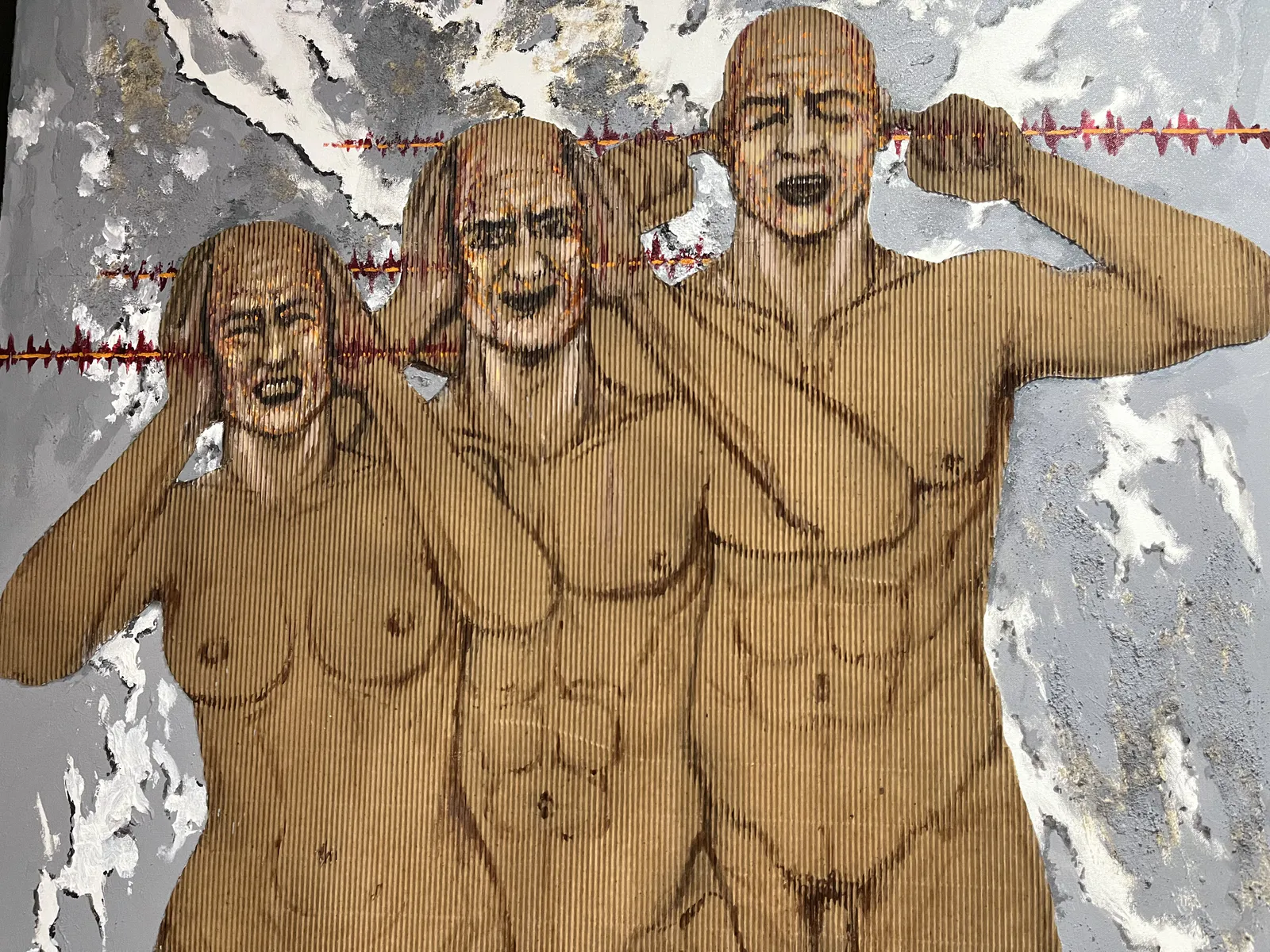
Silenced by Pain
Economic Power and Monopoly Under Trujillo’s Dictatorship
Economic Power Under Trujillo
Under Rafael Trujillo’s dictatorship, the limited industrial development of the Dominican Republic was systematically monopolised by the dictator, his associates, and his family. State institutions—including the army, police, and security services—were placed at the service of their economic interests. As historian Juan Bosch observed, Trujillo turned himself by force into the “great captain” of national industry.
At the time of his death, Trujillo controlled about 51% of all industrial capital in the country. His personal fortune included factories, plantations, vast cattle ranches, sugar mills, airlines and shipping companies, and large bank deposits. It was estimated at over 600 million U.S. dollars of that period—equivalent to more than three billion today. For comparison, in 1960 a four-door Chevrolet automobile cost around one thousand pesos.
Under Rafael Trujillo’s dictatorship, the limited industrial development of the Dominican Republic was systematically monopolised by the dictator, his associates, and his family. State institutions—including the army, police, and security services—were placed at the service of their economic interests. As historian Juan Bosch observed, Trujillo turned himself by force into the “great captain” of national industry.
At the time of his death, Trujillo controlled about 51% of all industrial capital in the country. His personal fortune included factories, plantations, vast cattle ranches, sugar mills, airlines and shipping companies, and large bank deposits. It was estimated at over 600 million U.S. dollars of that period—equivalent to more than three billion today. For comparison, in 1960 a four-door Chevrolet automobile cost around one thousand pesos.
Memorial Museum of Dominican Resistance
The Memorial Museum of Dominican Resistance is dedicated to those who opposed the Trujillo dictatorship and other authoritarian regimes in the Dominican Republic. Through documents, testimonies and carefully curated displays, it shows how power, wealth and state institutions were monopolized, and how this shaped daily life. Visitors gain insight into the scale of repression, from economic control to the use of the army, police and secret services to silence dissent.
The museum’s atmosphere is sober and intense, inviting reflection rather than spectacle. Reconstructions and accounts of torture centers such as the notorious “La 40” reveal the brutal physical and psychological torment inflicted on prisoners. Personal stories, photographs and historical objects give a human face to persecution, honoring victims and resistance fighters. A visit offers a powerful, unsettling but essential understanding of the country’s path toward democracy.
The museum’s atmosphere is sober and intense, inviting reflection rather than spectacle. Reconstructions and accounts of torture centers such as the notorious “La 40” reveal the brutal physical and psychological torment inflicted on prisoners. Personal stories, photographs and historical objects give a human face to persecution, honoring victims and resistance fighters. A visit offers a powerful, unsettling but essential understanding of the country’s path toward democracy.
Popular categories
Advertising space