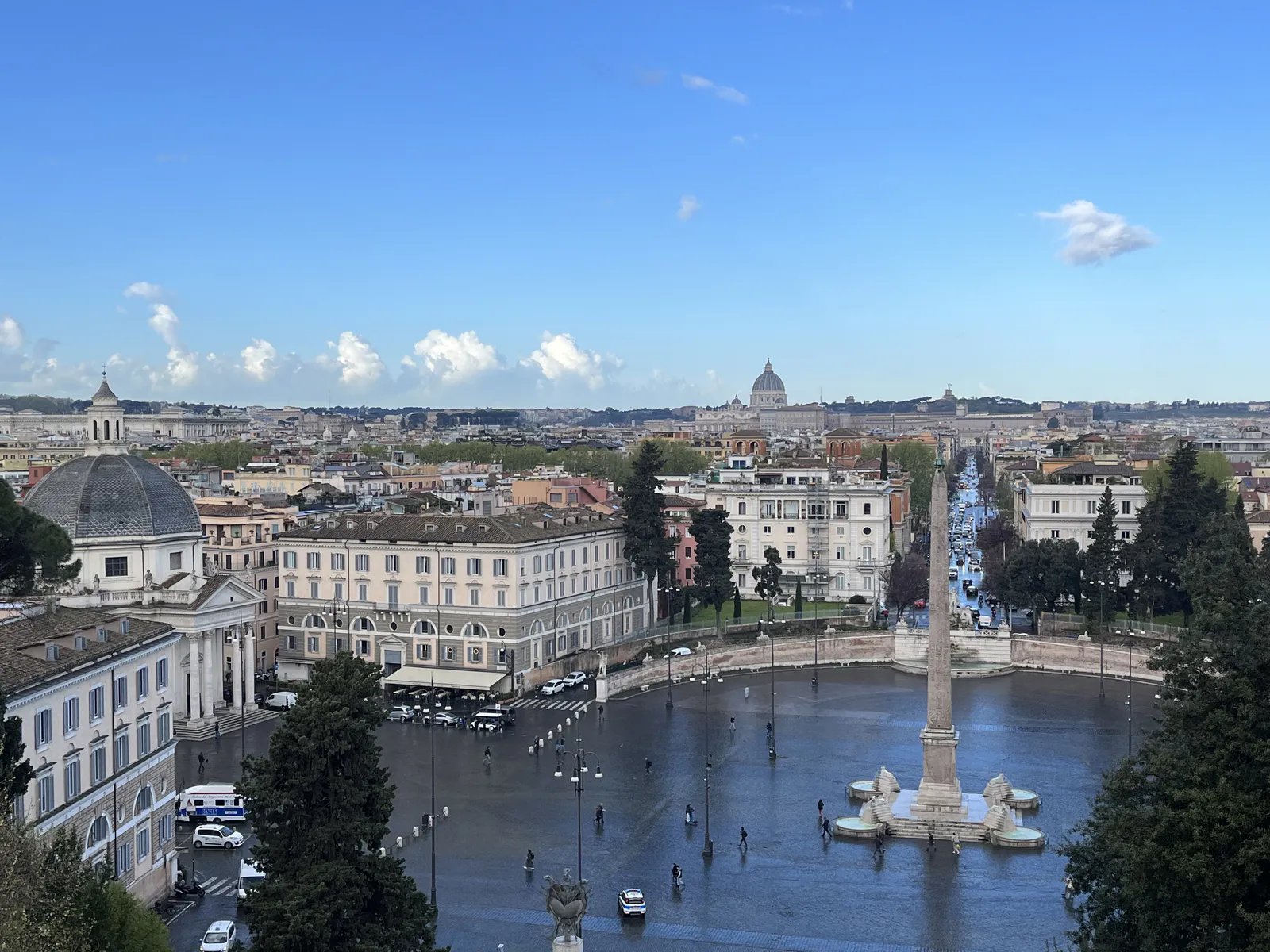
The Egyptian Obelisk and Via del Corso View
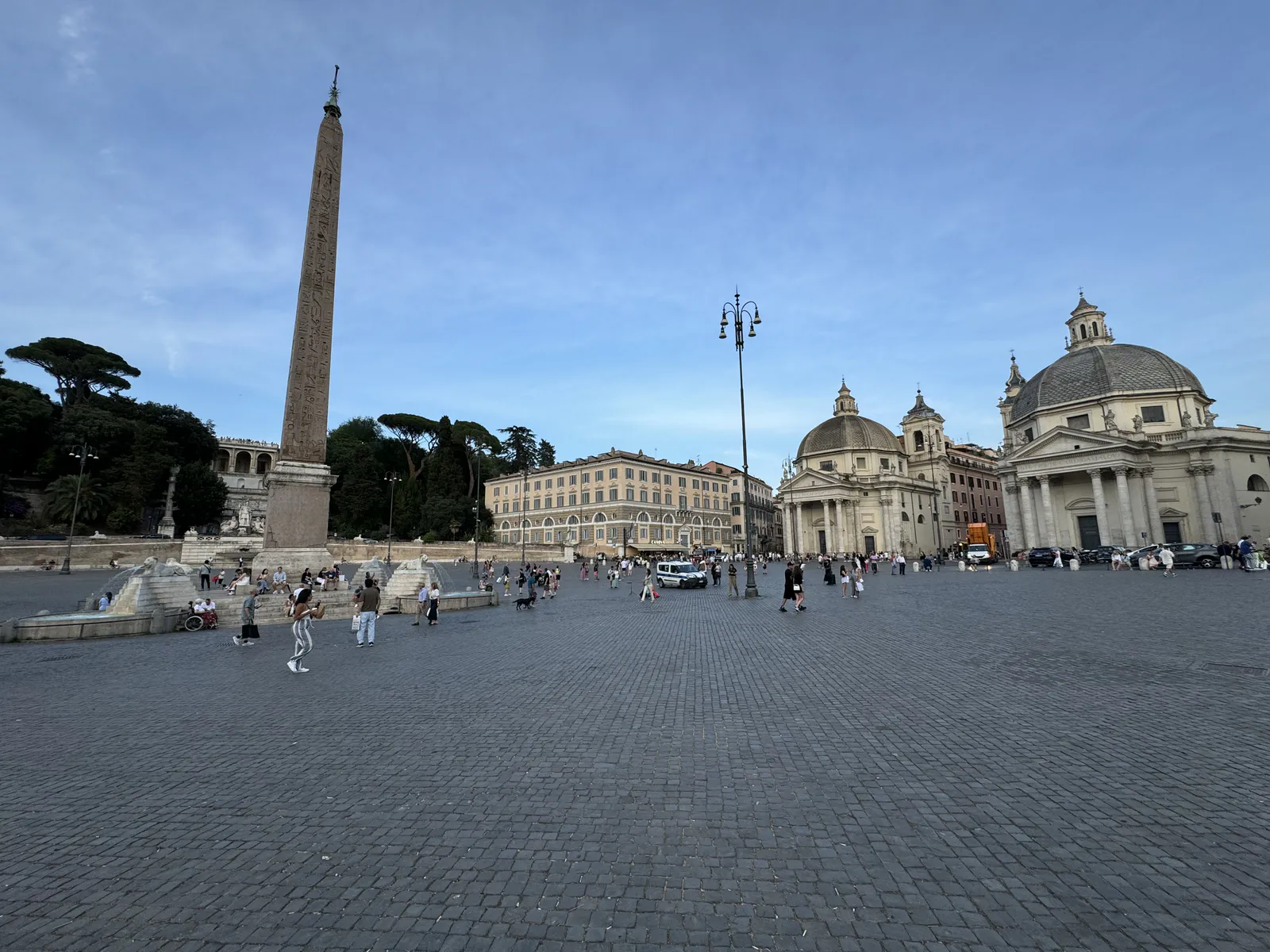
Obelisk, Fountain and Twin Churches
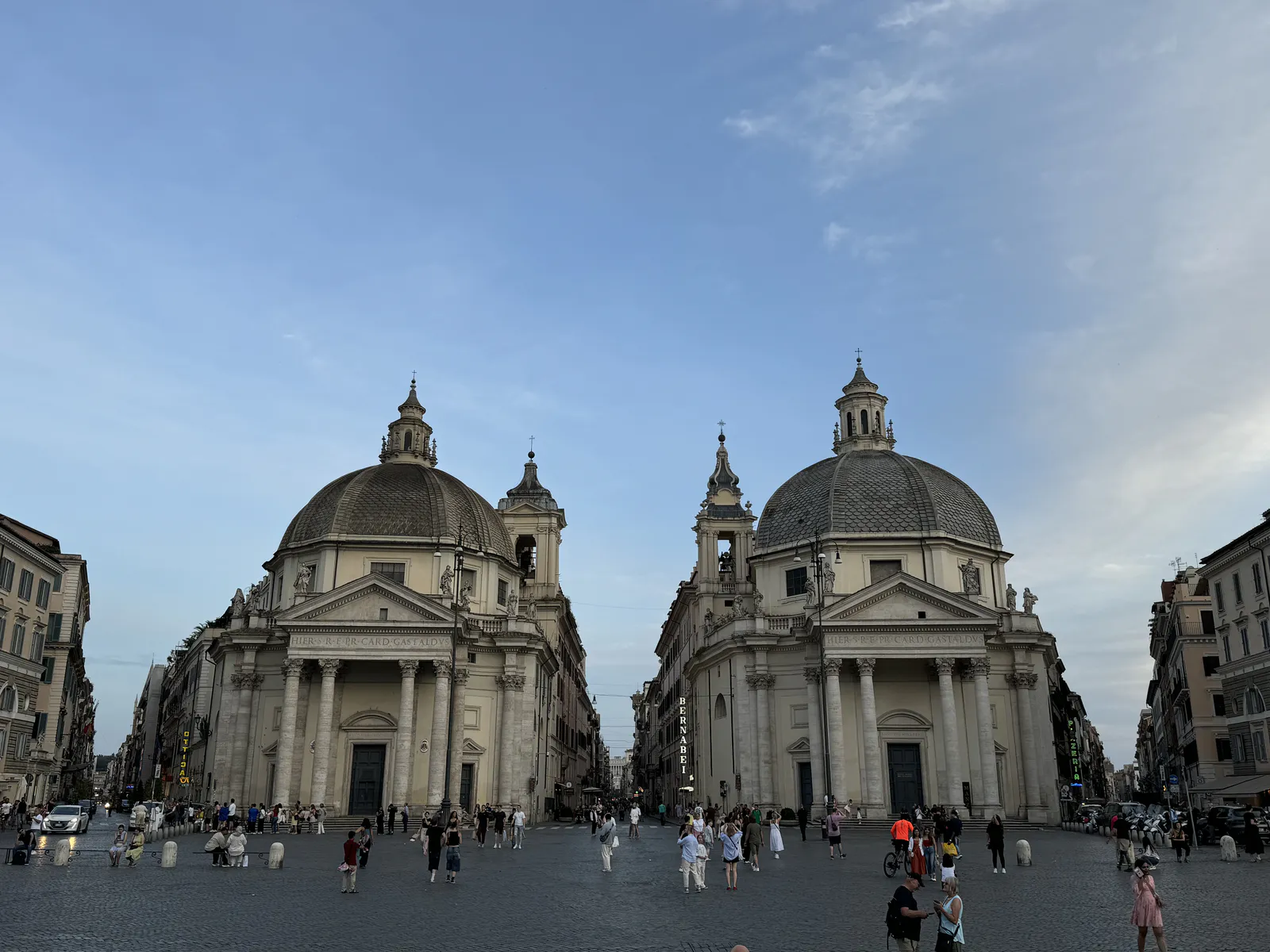
Santa Maria dei Miracoli and Santa Maria in Montesanto
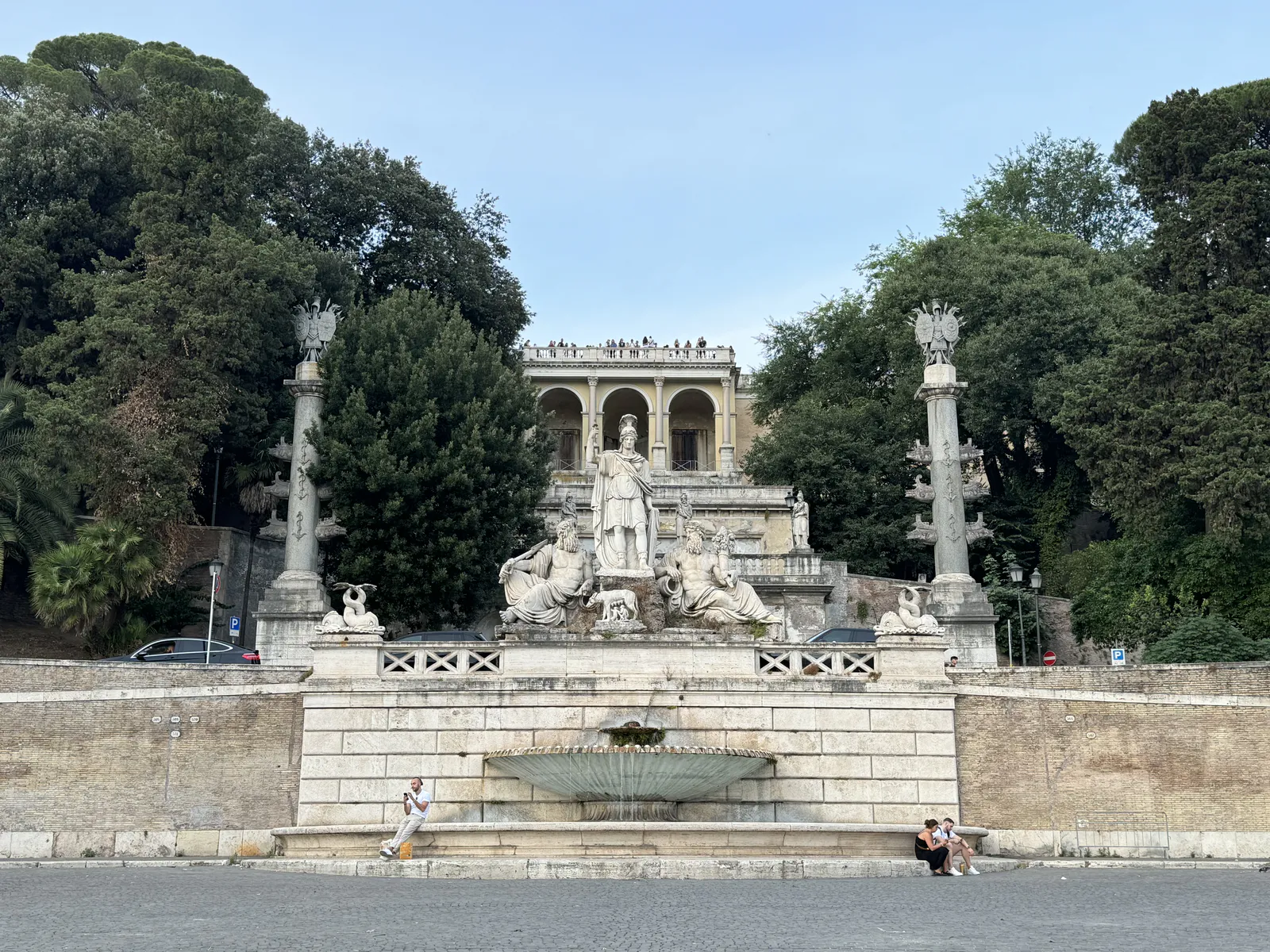
Fountain of the Goddess Roma
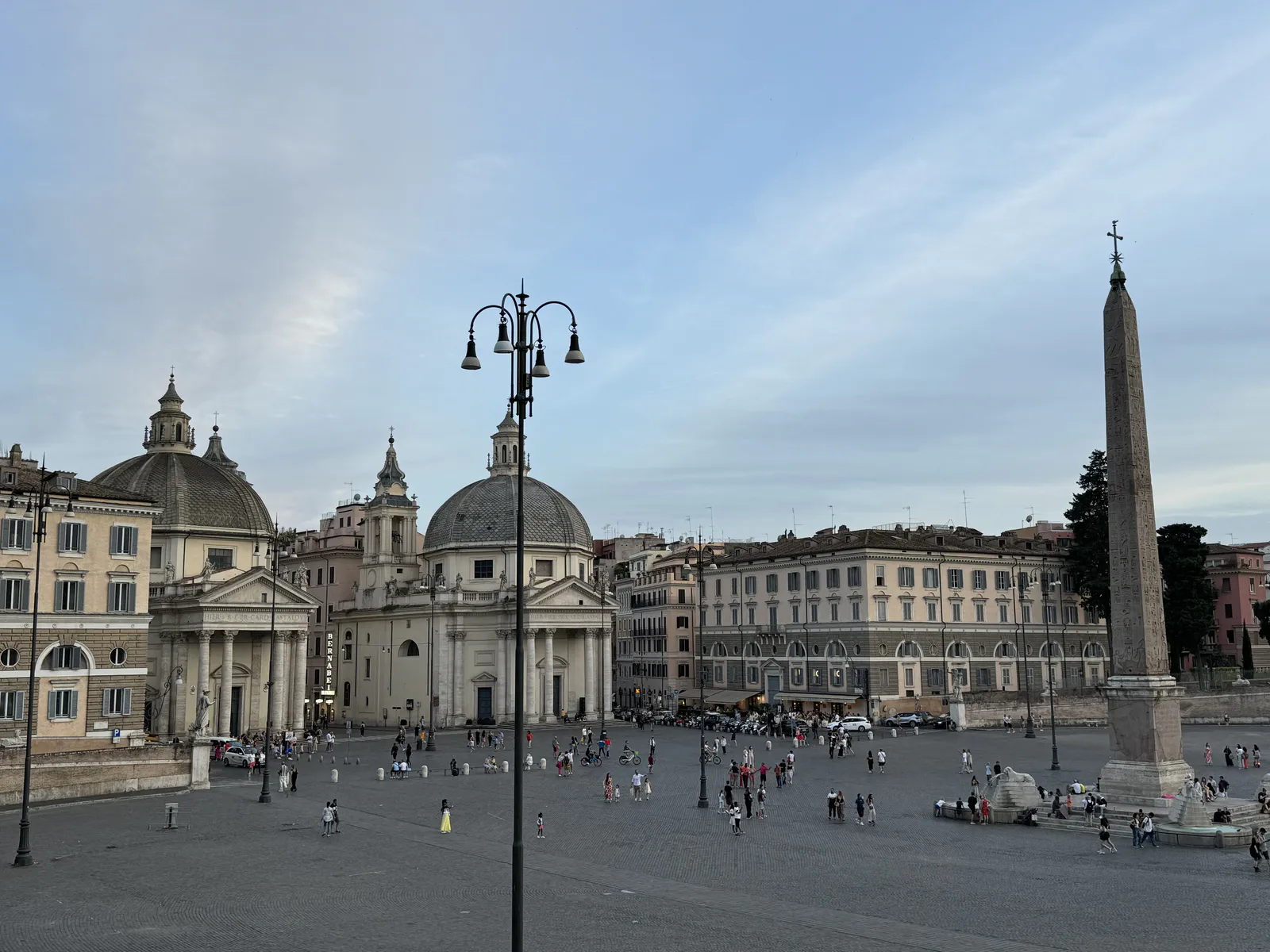
Twin Churches and Flaminio Obelisk
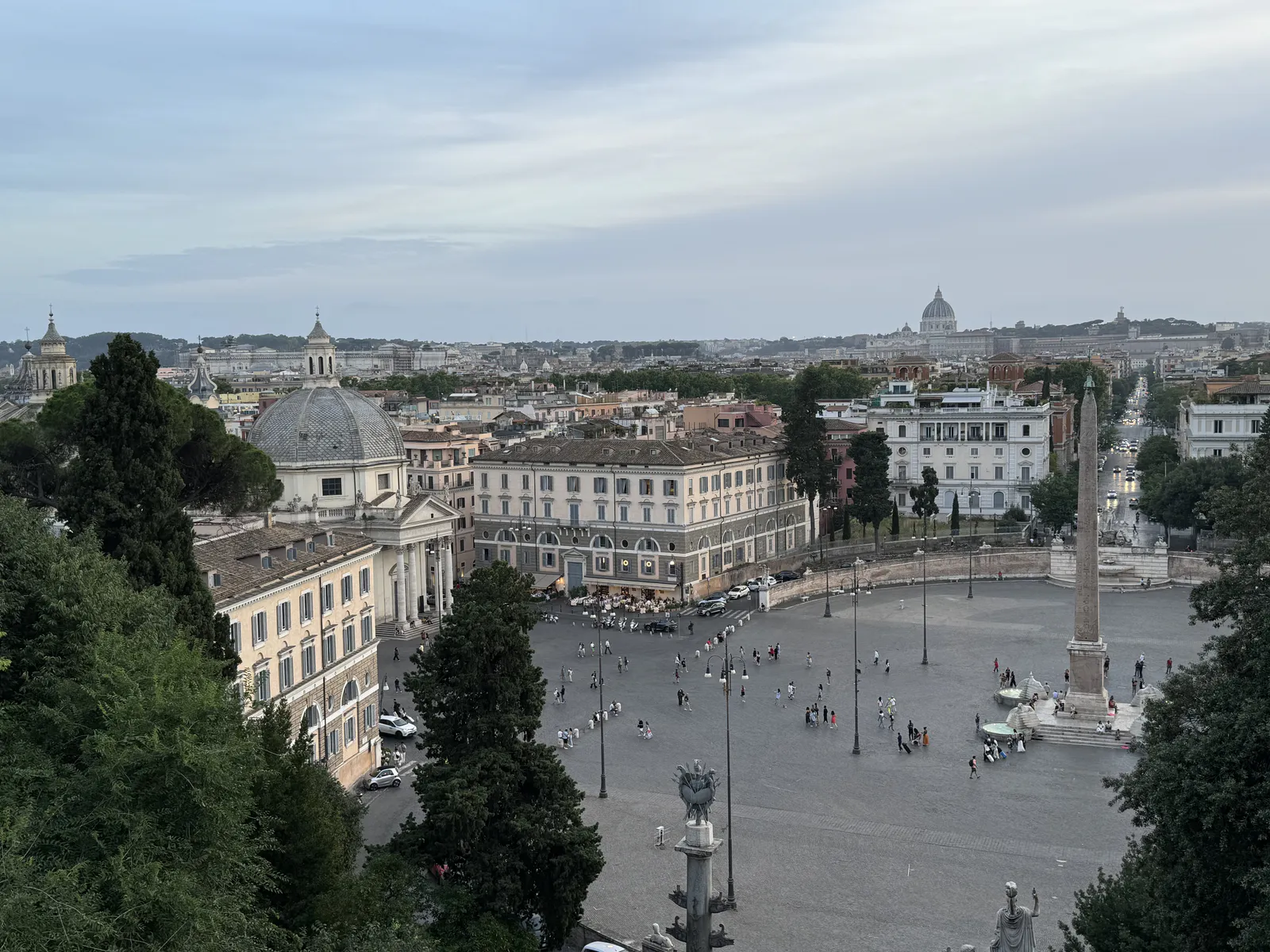
Piazza del Popolo towards Vatican
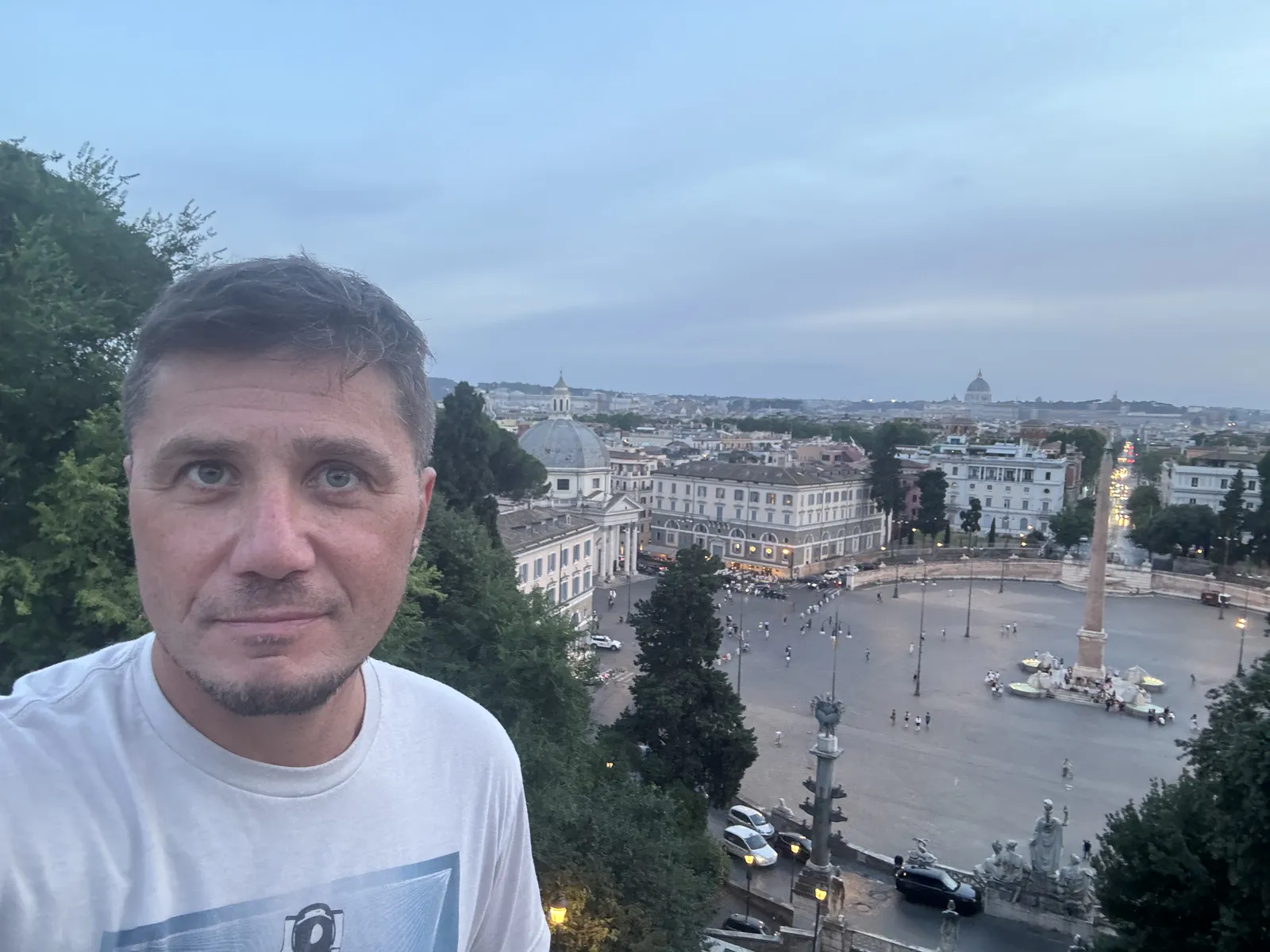
Max overlooking Piazza del Popolo
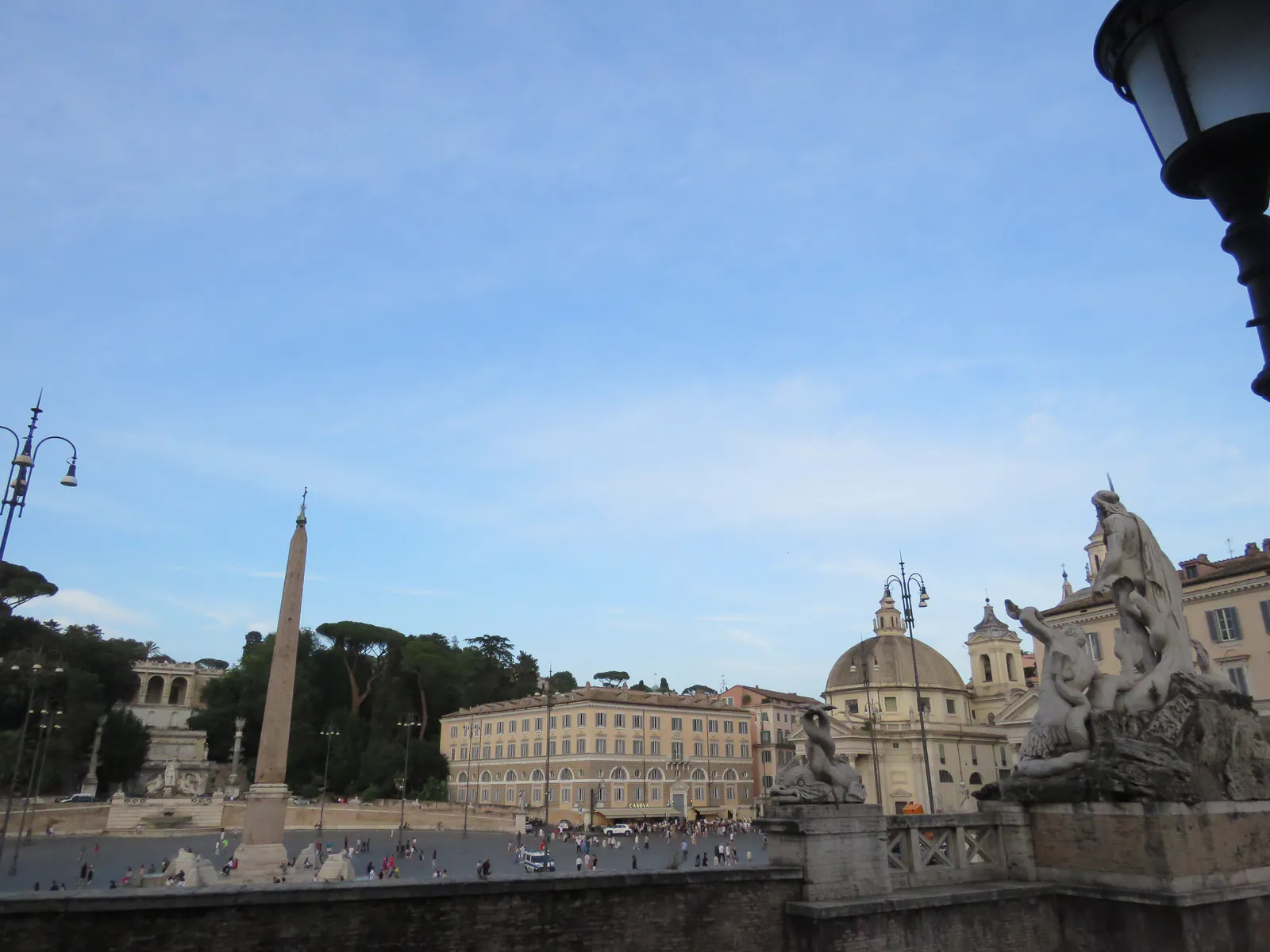
Flaminian Obelisk and Fountain of Goddess Rome
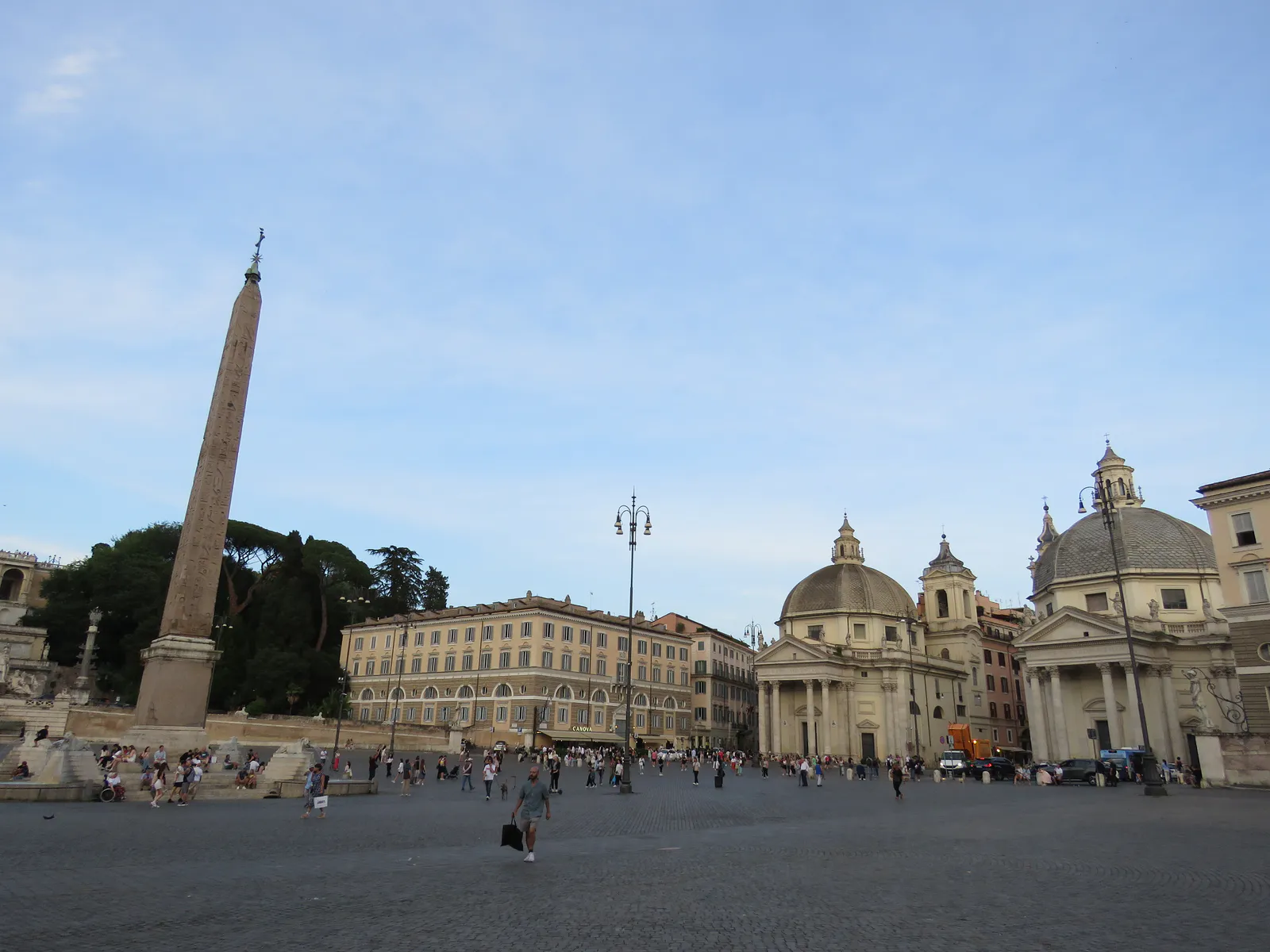
Flaminio Obelisk and Twin Churches
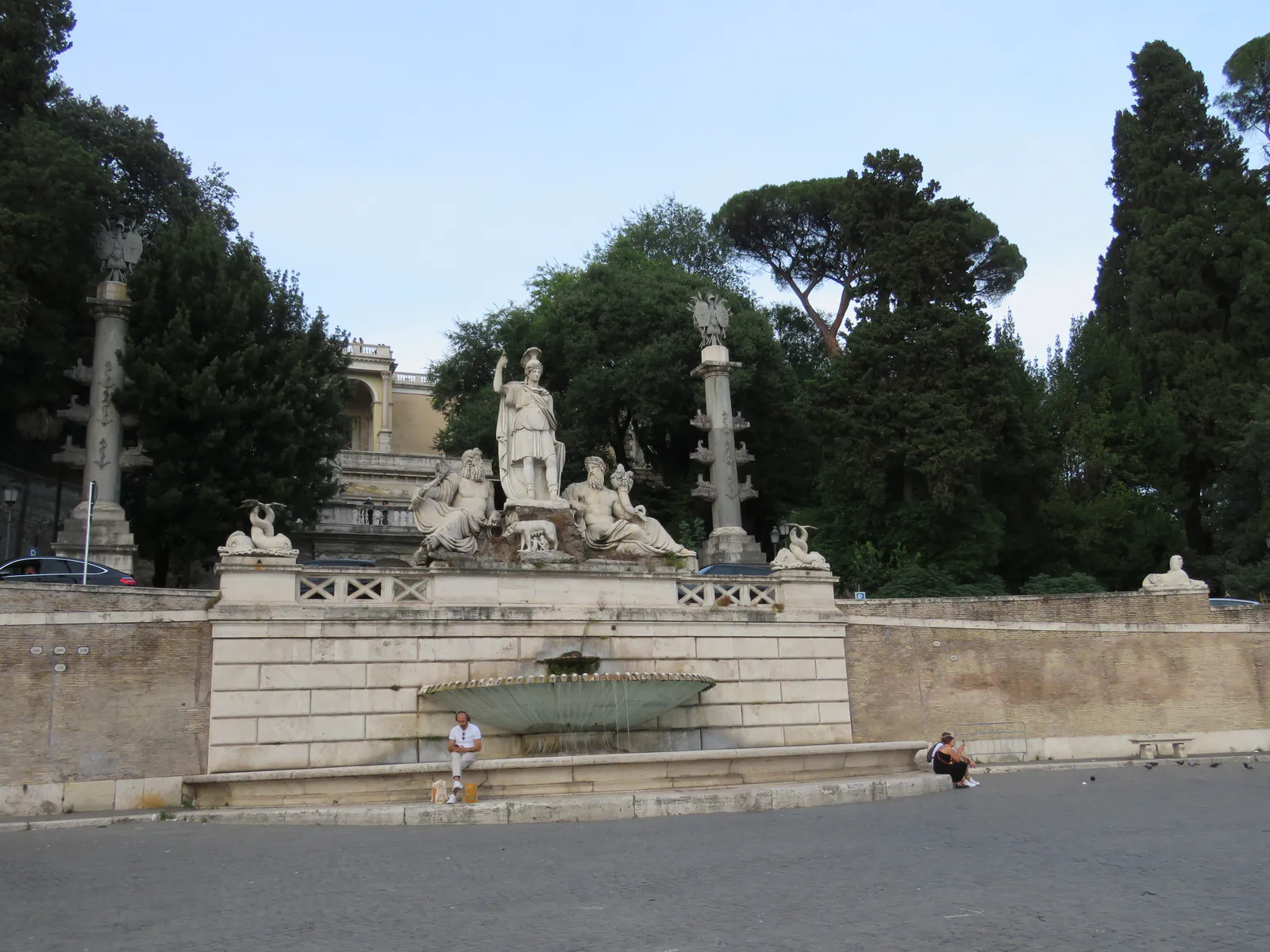
Fountain of the Goddess Roma
Piazza del Popolo
At the heart of Rome, Piazza del Popolo embodies the city’s blend of historical grandeur and lively public life. Once the main gateway for travelers arriving from the north, this broad square unfolds a tapestry of art, architecture, and memory, dominated by the obelisk of Ramesses II, an ancient Egyptian monument that recalls conquest and devotion. Its name, meaning “People’s Square,” reflects its role as a civic stage where political rallies, religious processions, and public festivities have long taken place.
Framed by the twin Baroque churches of Santa Maria dei Miracoli and Santa Maria in Montesanto, the piazza showcases a carefully planned symmetry, refined in the 19th century by architect Giuseppe Valadier. Today, locals and visitors cross its cobblestones in a quiet dialogue with the past, sensing the presence of emperors, artists, and revolutionaries who once gathered here. Piazza del Popolo remains a living canvas of Rome’s history, a place where time seems to pause and the city’s enduring spirit can be felt.
Framed by the twin Baroque churches of Santa Maria dei Miracoli and Santa Maria in Montesanto, the piazza showcases a carefully planned symmetry, refined in the 19th century by architect Giuseppe Valadier. Today, locals and visitors cross its cobblestones in a quiet dialogue with the past, sensing the presence of emperors, artists, and revolutionaries who once gathered here. Piazza del Popolo remains a living canvas of Rome’s history, a place where time seems to pause and the city’s enduring spirit can be felt.
Popular categories
Advertising space