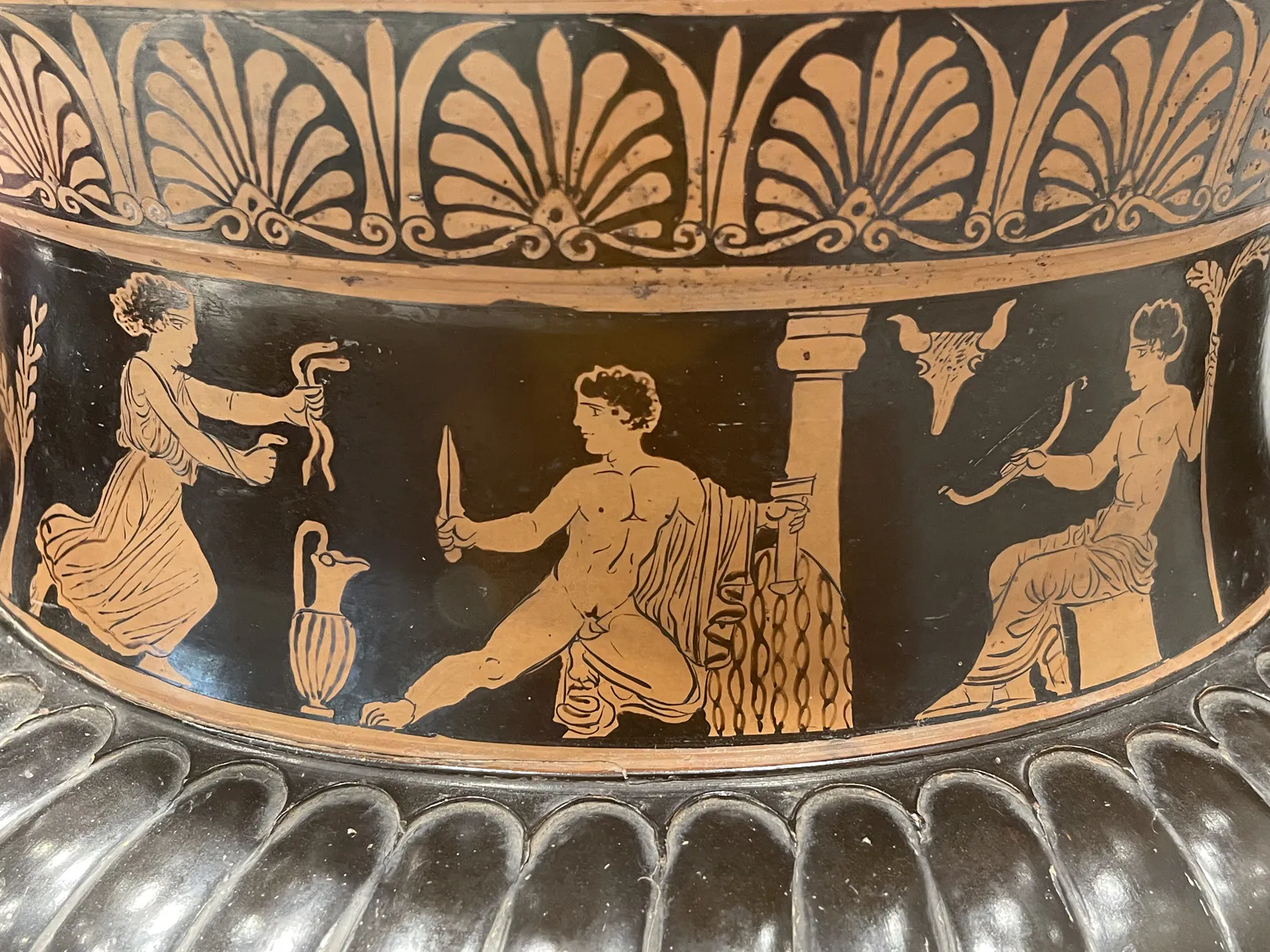
Orestes Pursued by the Furies
Painter of the Birth of Dionysus
This Apulian red-figure krater, used for mixing wine and water, (410–390 BC) depicts Orestes defending himself with a sword against the Erinyes, avenging his mother's death. Apollo, seated with a bow, offers protection, symbolizing divine sanction amid human guilt. This scene illustrates the complex interplay of justice and retribution in Greek mythology.
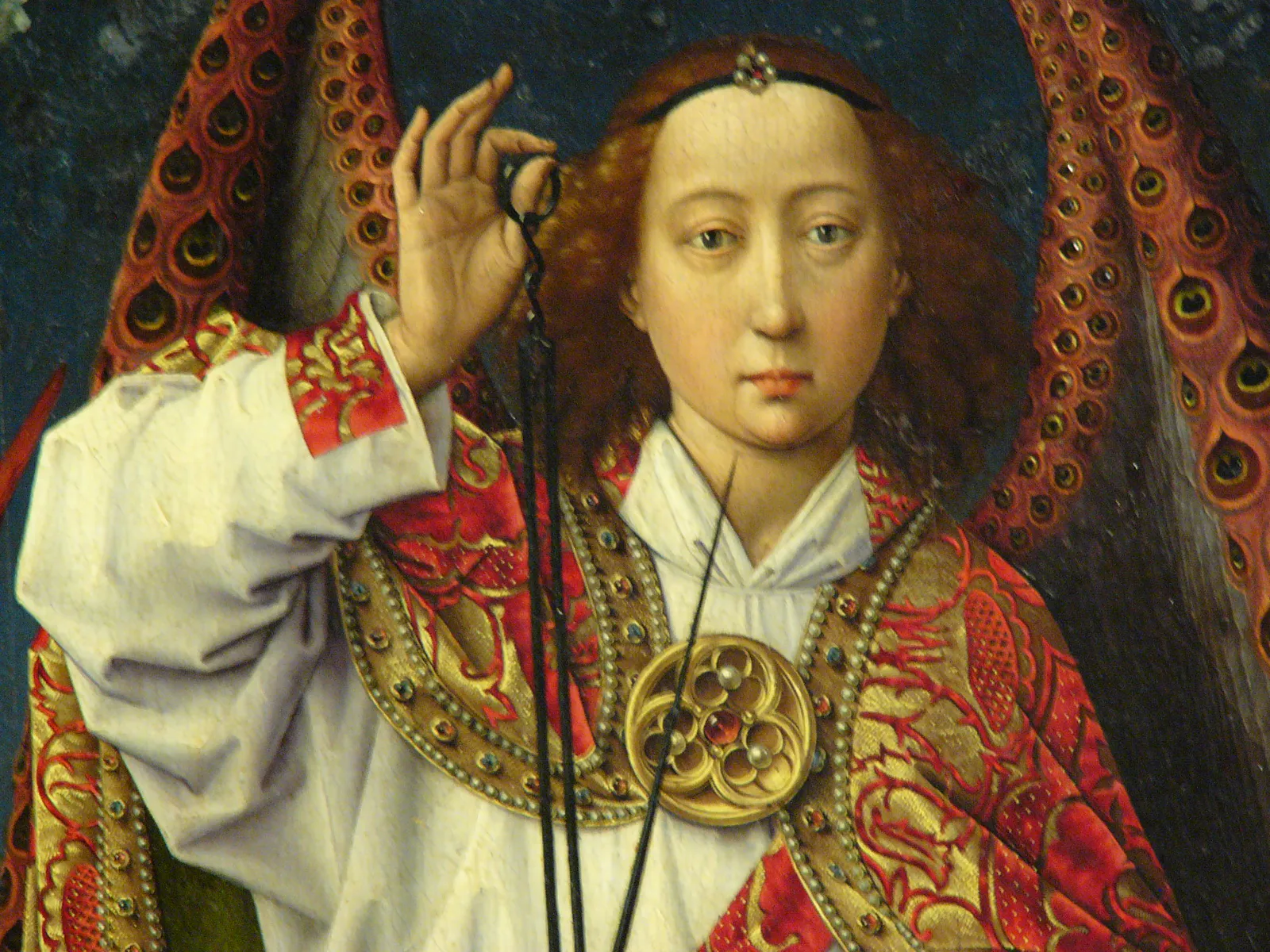
Archangel Michael
Rogier van der Weyden
This panel (1445–50) from the Beaune Altarpiece shows Archangel Michael weighing souls on Judgment Day. His youthful calm contrasts with the gravity of divine judgment. The richly patterned brocade and peacock-feather wings reflect Burgundian court opulence, linking celestial imagery with the devotional grandeur of 15th-century Flanders.
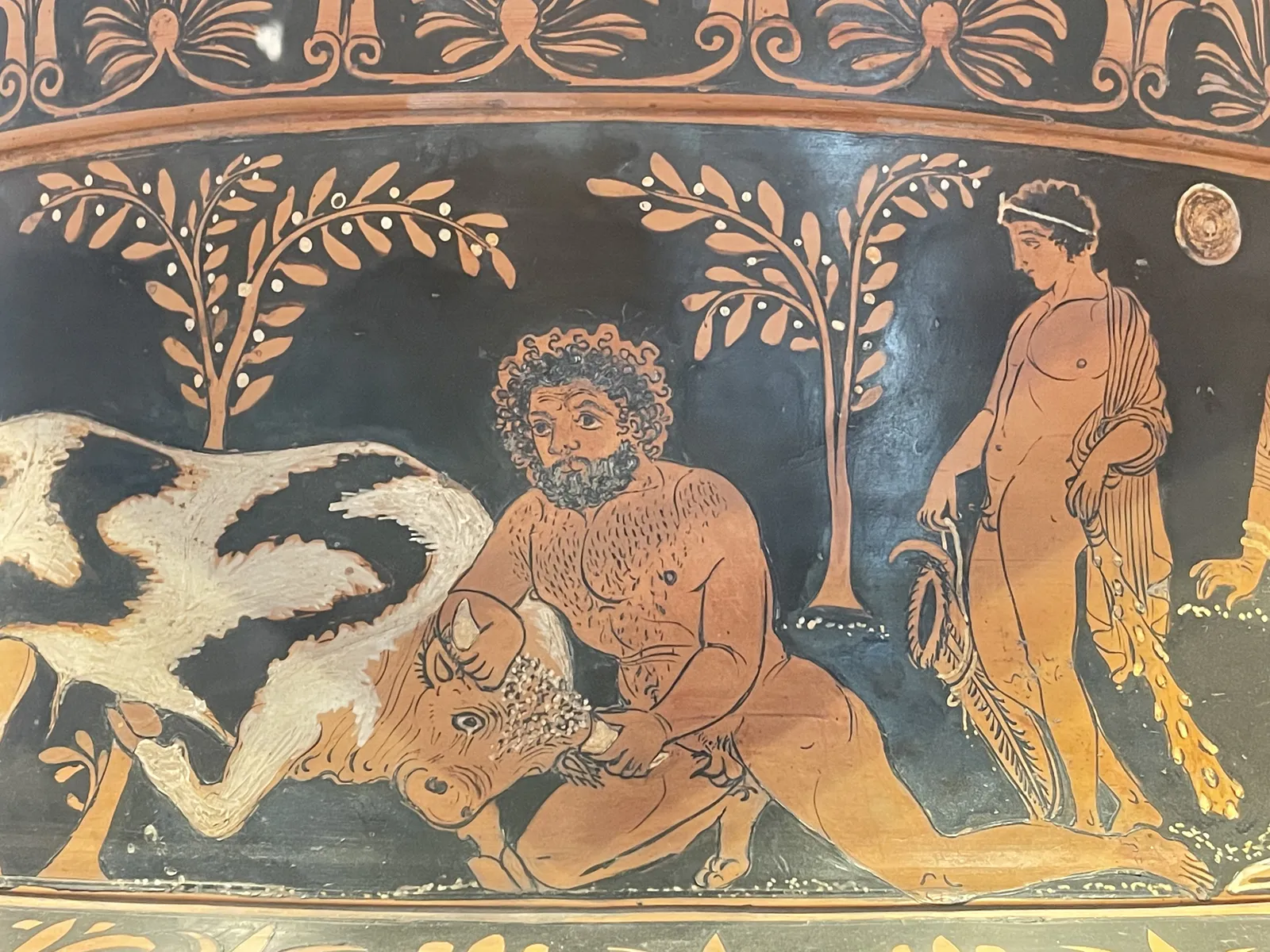
The Capture of the Cretan Bull
Lycungus Painter
Heracles grapples with the Cretan bull, locking its horns as the animal lunges, while Athena and a youthful attendant stand calmly among stylized trees. The scene represents his seventh labour, subduing the bull sent by Poseidon after King Minos withheld a promised sacrifice. This Apulian red-figure volute krater (mixing bowl) (360–345 BC) reflects South Italian interest in myth as a drama of human strength under divine supervision.
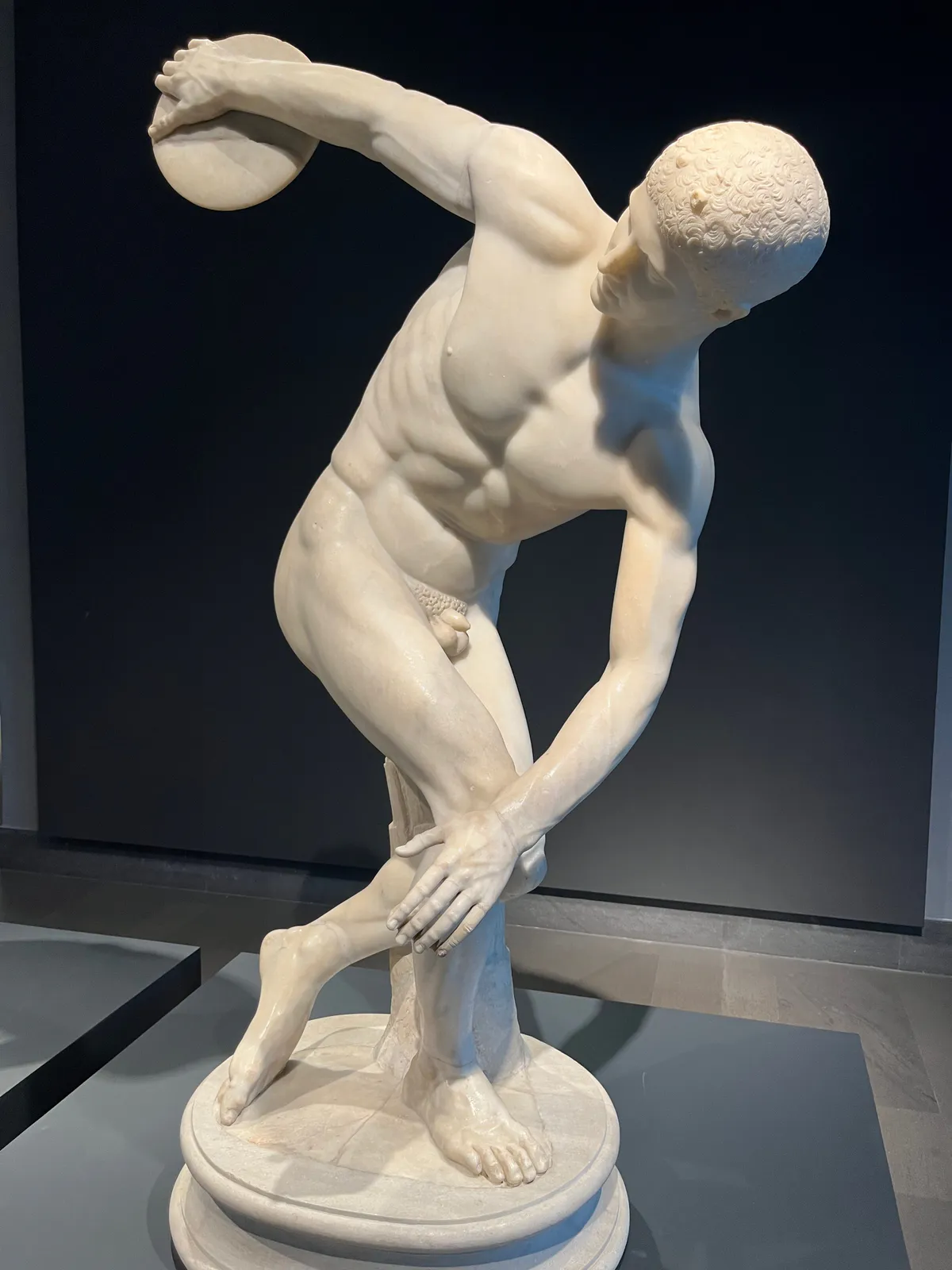
Discobolus
Myron
This Roman marble statue (mid-2nd c.) is a faithful copy of Myron’s Greek bronze Discobolus (c. 450 BC). It depicts an athlete in a dynamic pose, poised to release a discus, showcasing the Greek exploration of human form and movement. The sculpture highlights the tension and grace of athletic prowess, reflecting Roman admiration for Greek art and the enduring legacy of classical ideals in depicting the human body.
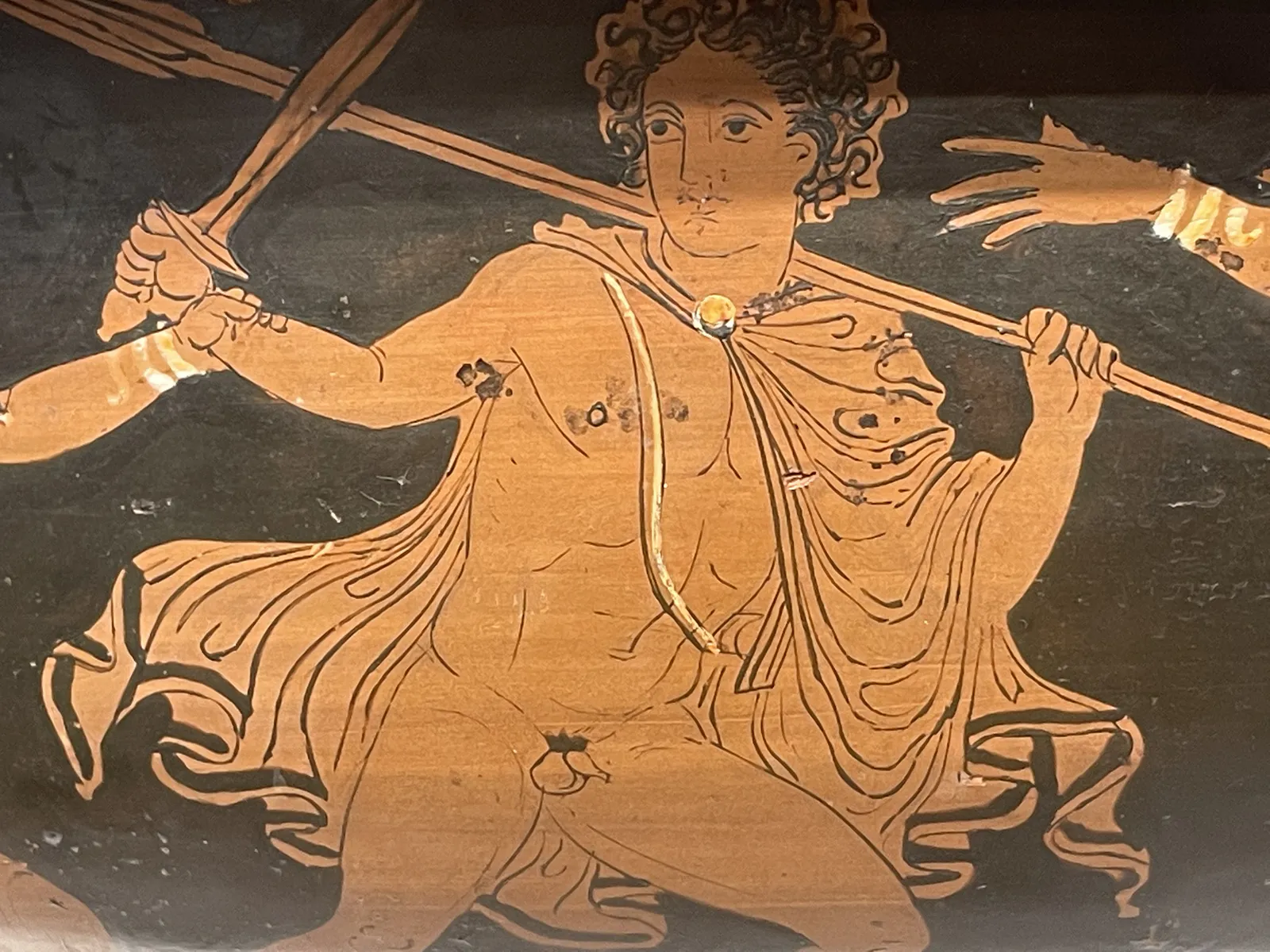
Pentheus Attacked by Bacchic Women
The Oxford Group Workshop
This Apulian red-figure plate (360–350 BC) shows Pentheus arming himself against Dionysus’ cult. In myth, he is seized by Bacchic women, including his mother Agave, who mistake him for prey and tear him apart. The scene warns against impiety and defying divine power, embodying the tragic cost of resisting Dionysian ecstasy and communal worship.
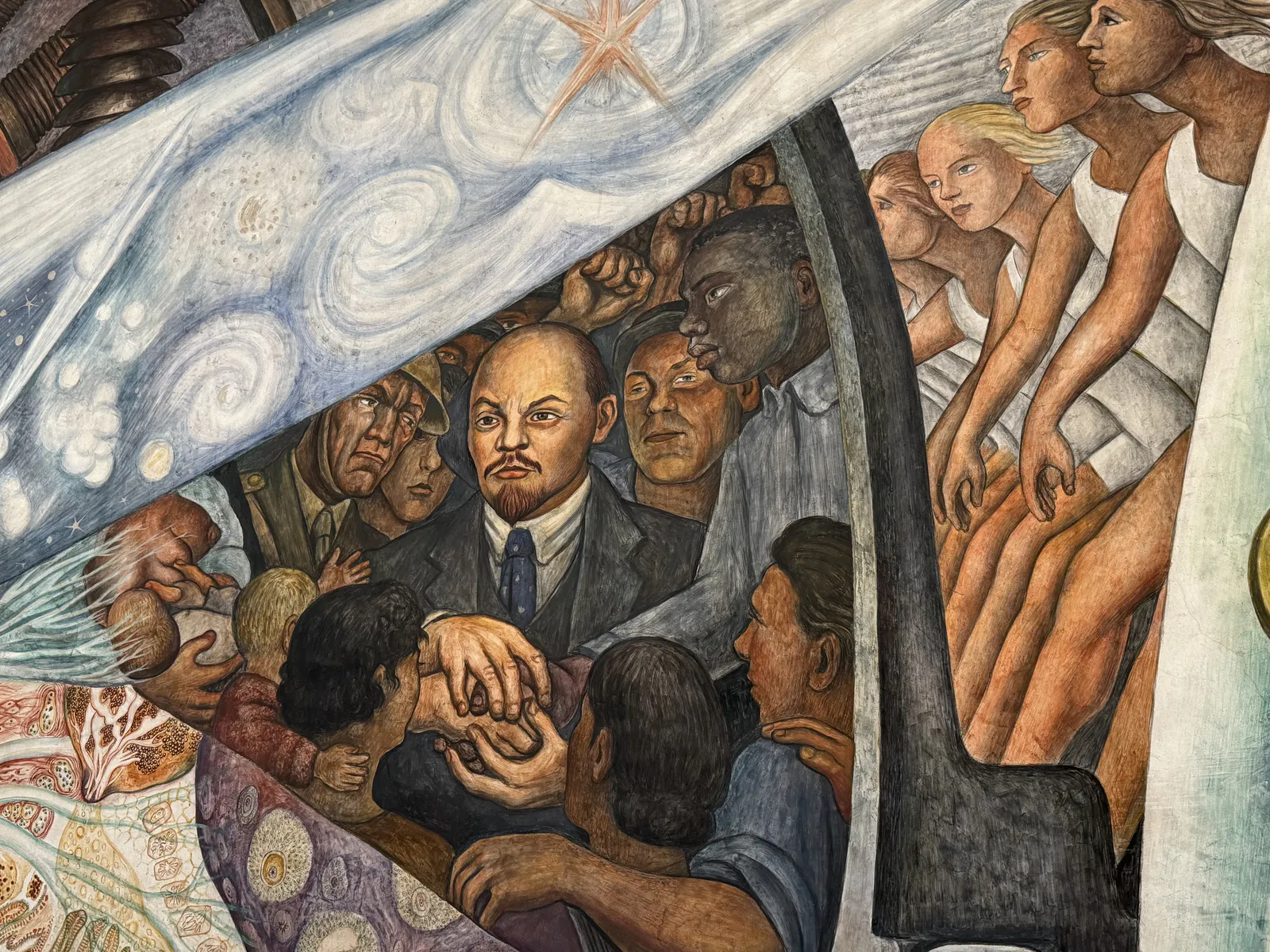
Lenin and the Workers (detail)
Diego Rivera
In this vivid section of Man, Controller of the Universe (1934), Lenin extends his hand to unite workers of different races and backgrounds. His central placement amid galaxies and scientific motifs reflects Rivera’s belief in a revolutionary, rational future led by socialist ideals and global class solidarity.
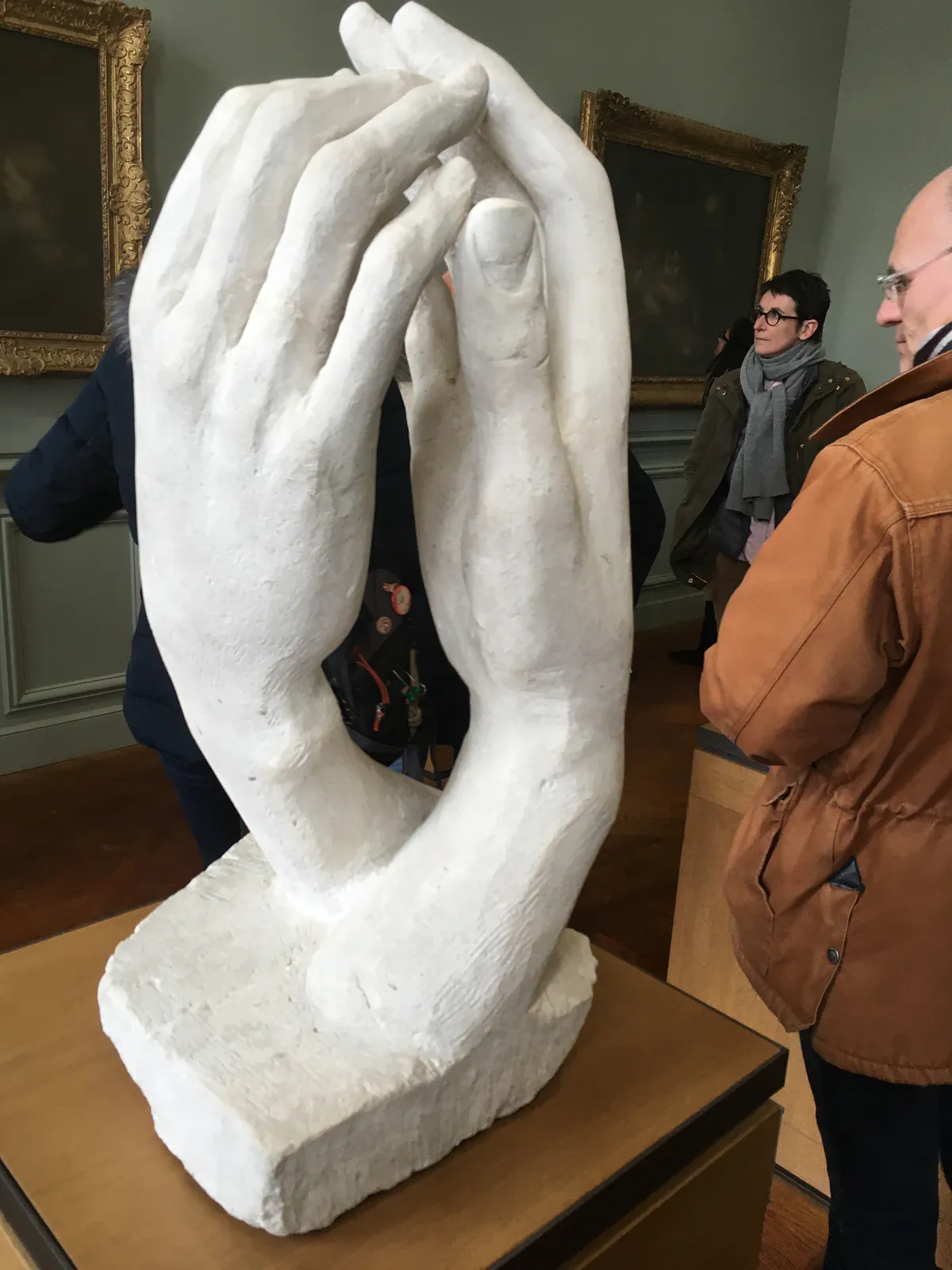
The Cathedral
Auguste Rodin
This 1908 sculpture features two right hands reaching towards each other, symbolizing connection and unity. Initially named The Arch of Alliance, it was inspired by Gothic cathedral rib vaults and renamed in 1914. The texture and interplay of light and shadow evoke prayer and contemplation. This work marks Rodin’s shift from realism to modernism, emphasizing emotional depth over physical form.
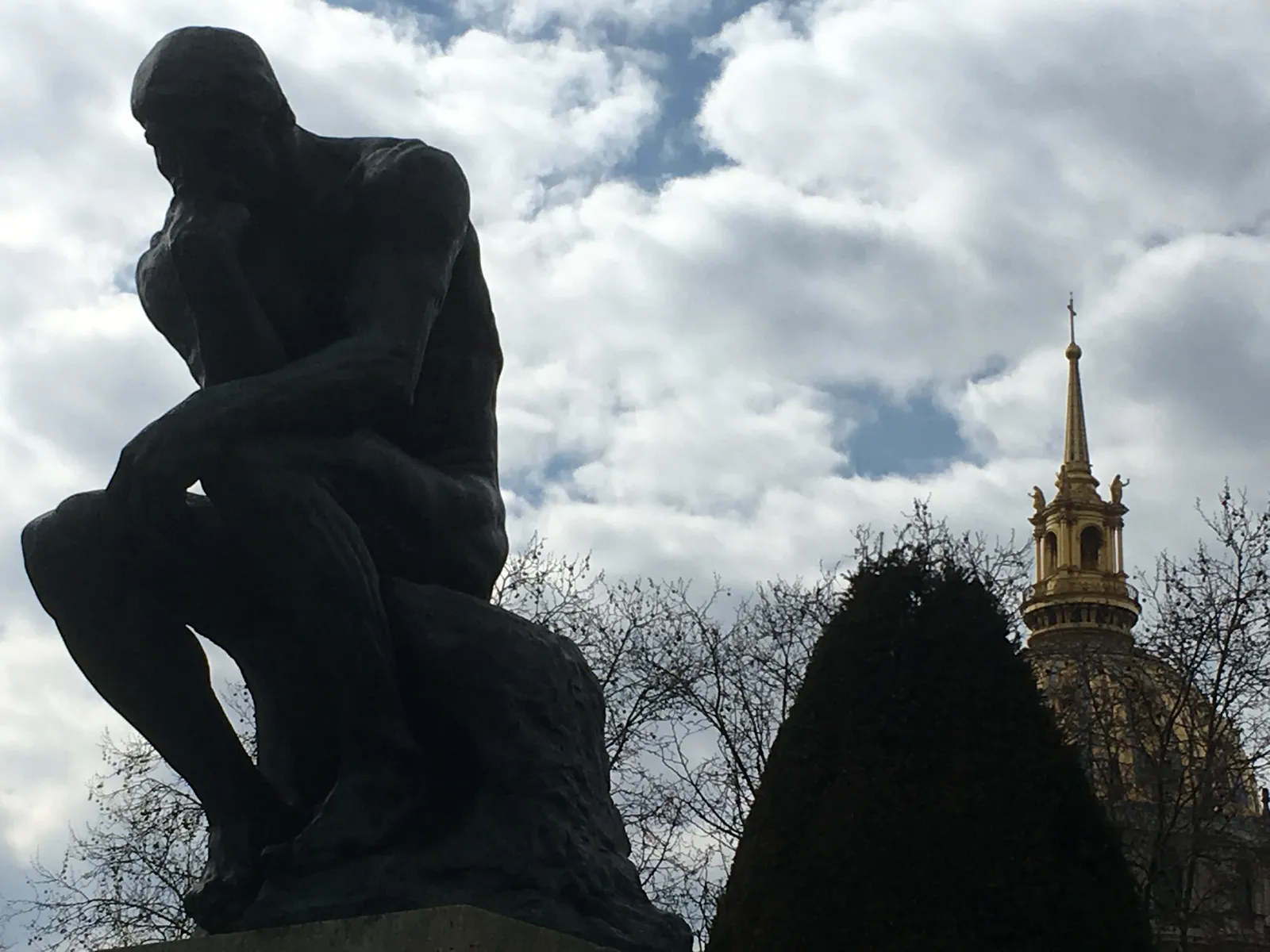
The Thinker
Auguste Rodin
Rodin's iconic bronze sculpture, The Thinker(1904), depicts a nude male figure in deep contemplation, symbolizing profound thought. Originally part of The Gates of Hell, it reflects on philosophy and introspection. This one is the monumental casting, with 27 full-sized versions worldwide. The masterpiece invites viewers to ponder life's complexities, embodying the universal quest for understanding and intellectual pursuit.
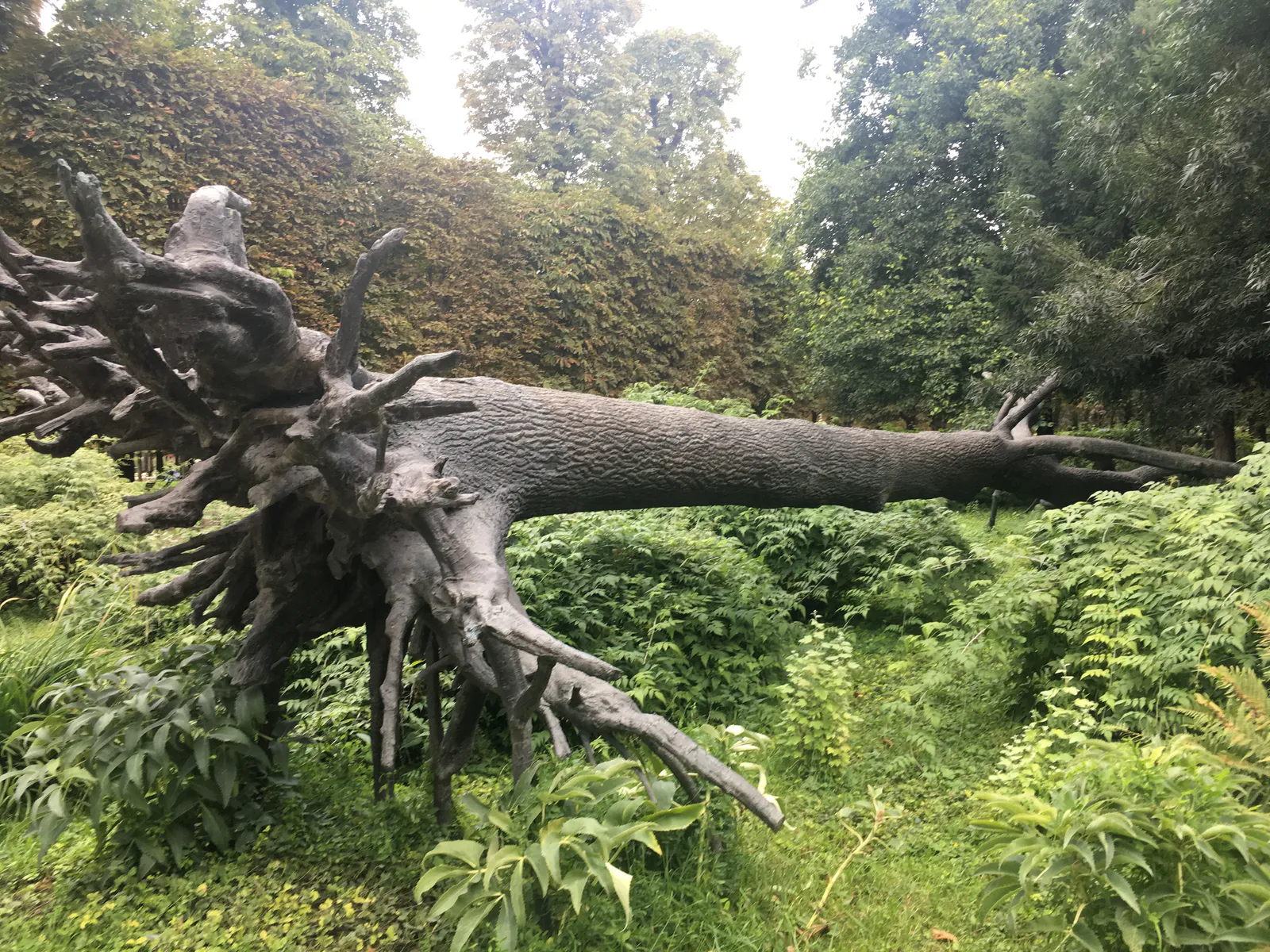
The Tree of Vowels
Giuseppe Penone
This monumental bronze sculpture (2000) shows a fallen oak with roots extending like veins across the ground. Installed in the Jardin des Tuileries, it demonstrates Penone’s exploration of the connection between humanity and nature. The work combines organic memory with sculptural permanence, inviting reflection on time, fragility, and the endurance of natural forms.
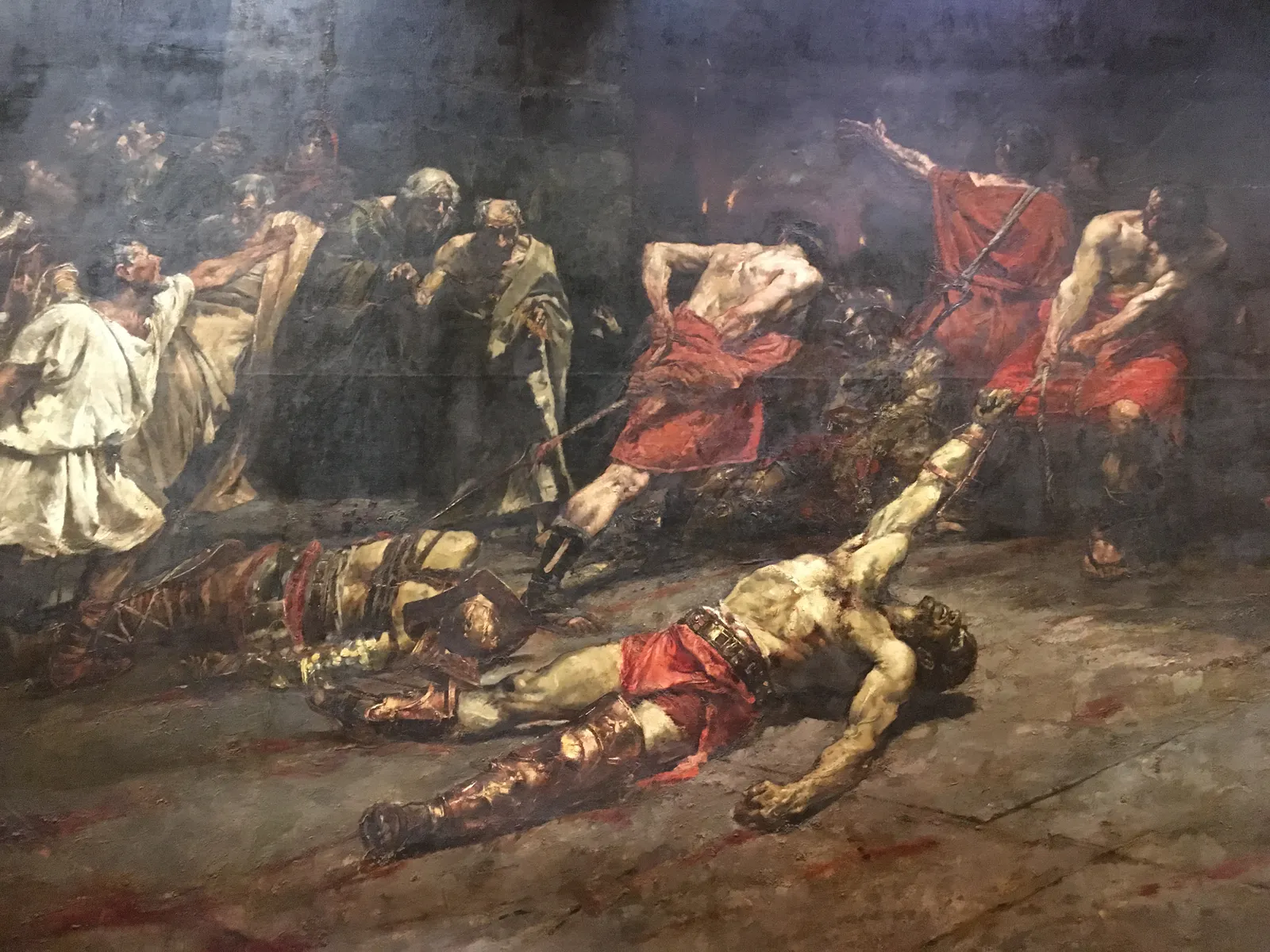
Spoliarium
Juan Luna
This vast 1884 canvas depicts slain gladiators dragged from the Roman arena, their bodies stripped in the spoliarium — the chamber beneath the Colosseum where the dead were despoiled. Luna used the scene as an allegory for the Philippines under Spanish rule, exposing oppression and voicing a nationalist cry for dignity and liberation.
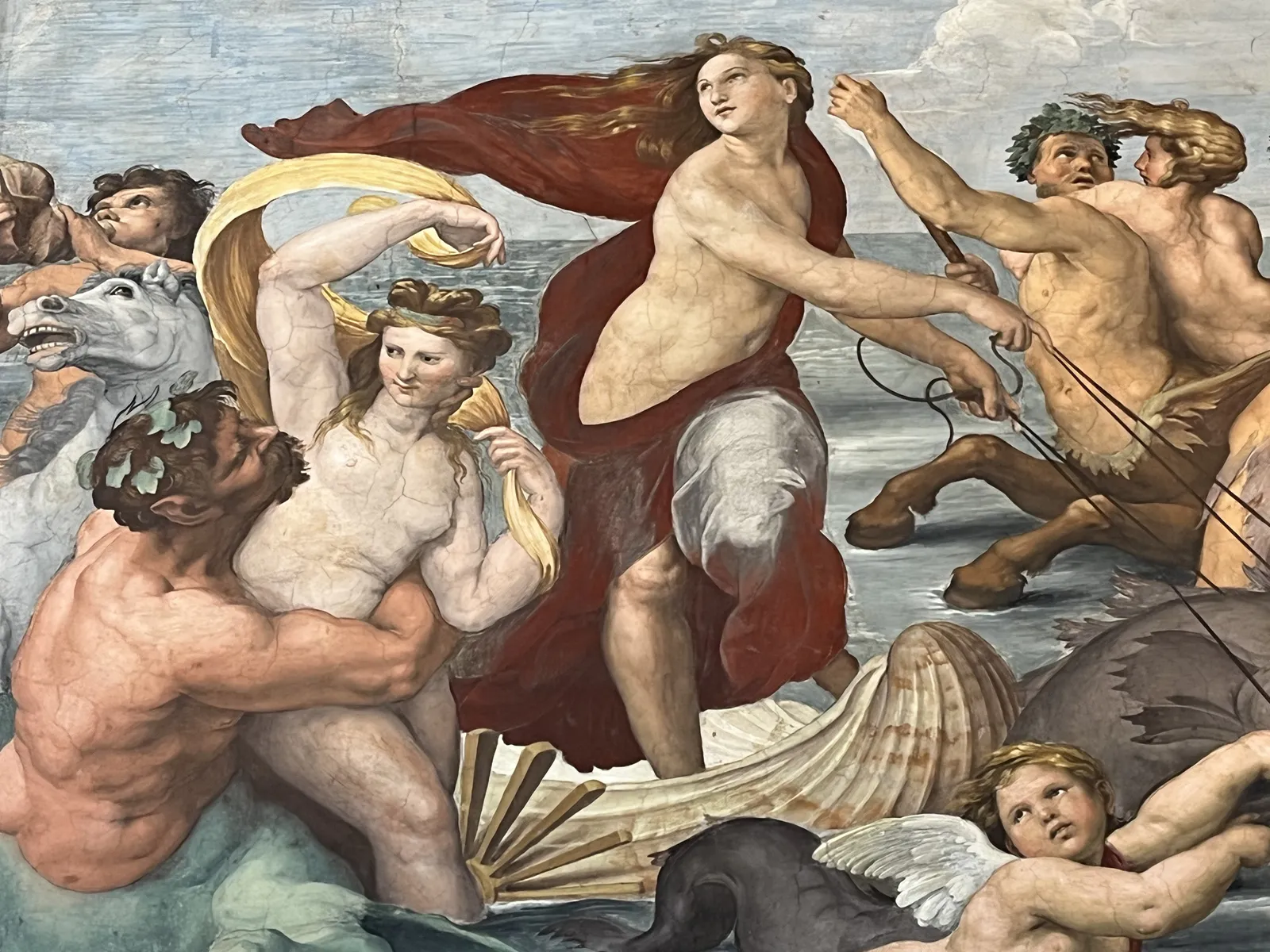
Triumph of Galatea (detail)
Raphael
This portion (1511–12) shows Galatea, the sea nymph of Greek myth, riding a dolphin-drawn shell chariot. Around her, tritons and nereids embody the vibrant energy of the sea. Raphael’s design celebrates Galatea’s beauty and grace, while capturing the joyful movement of the marine procession.
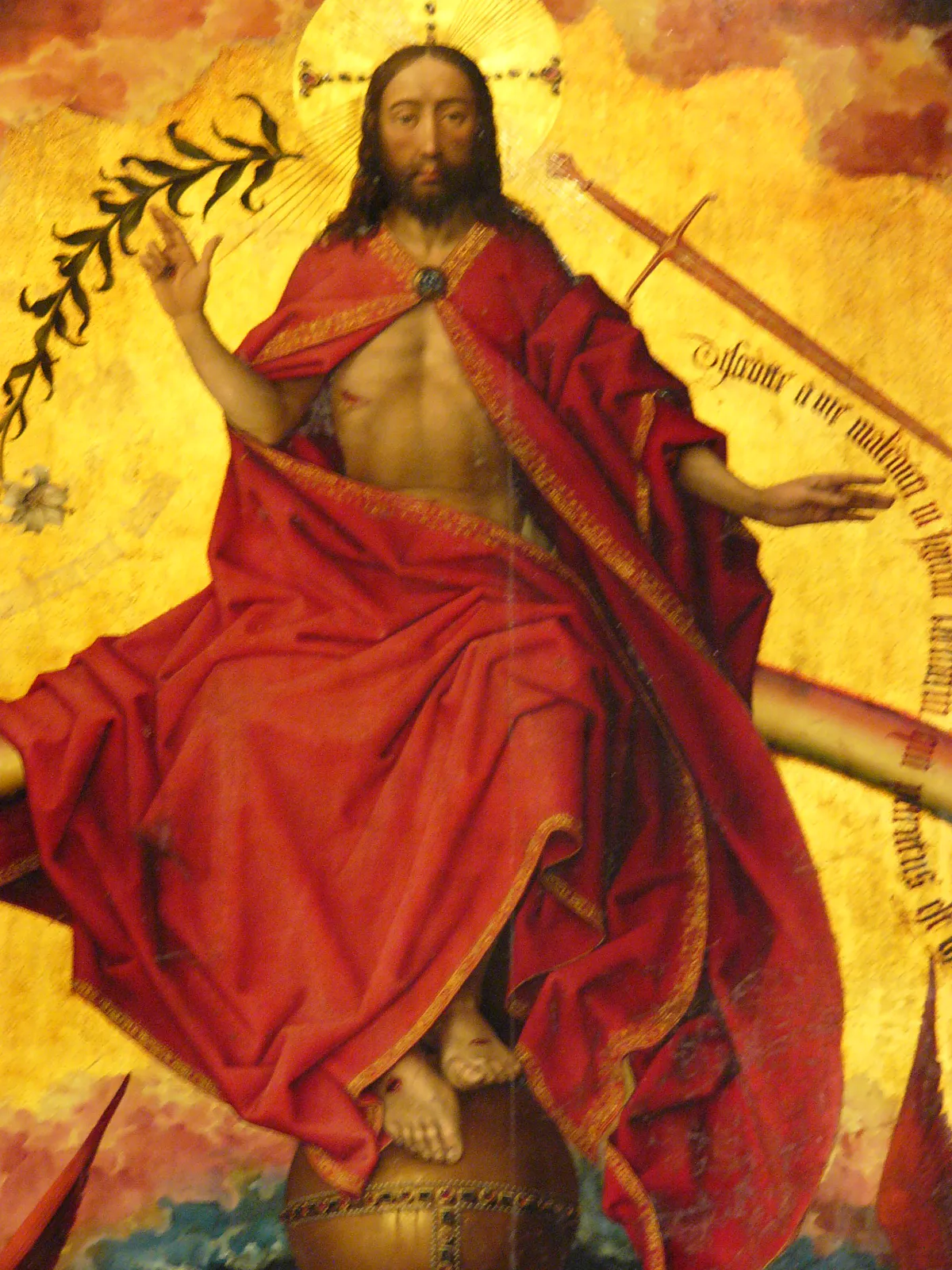
Christ the Judge
Rogier van der Weyden
At the summit of the Last Judgment Altarpiece (1445–50), Christ sits enthroned on a rainbow, resting his feet on a golden globe that symbolizes dominion over the world. He raises his right hand in blessing, while his left gestures toward judgment. The sword and lily flanking him signify justice and mercy, balancing wrath with compassion. Draped in vivid red, Christ embodies divine authority, anchoring the entire altarpiece in the promise of eternal judgment and salvation.
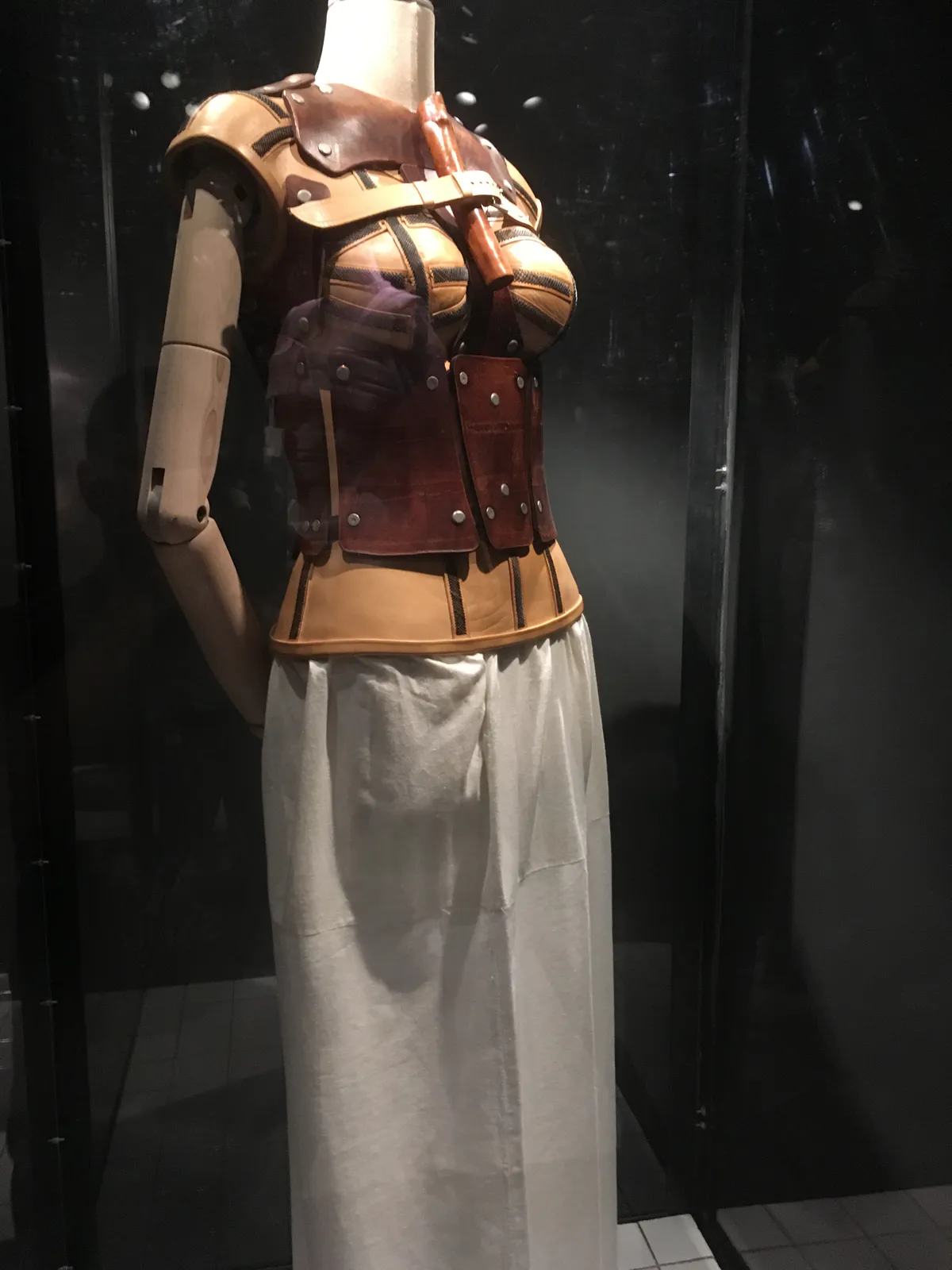
Painted Orthopedic Corset
Frida Kahlo
This hand-painted leather corset (c.1944), worn by Frida Kahlo, illustrates both her physical suffering and creative defiance. After spinal injuries and repeated surgeries, Kahlo turned orthopedic braces into canvases, inscribing them with personal symbols. She transformed medical necessity into art, merging pain, identity, and resilience.
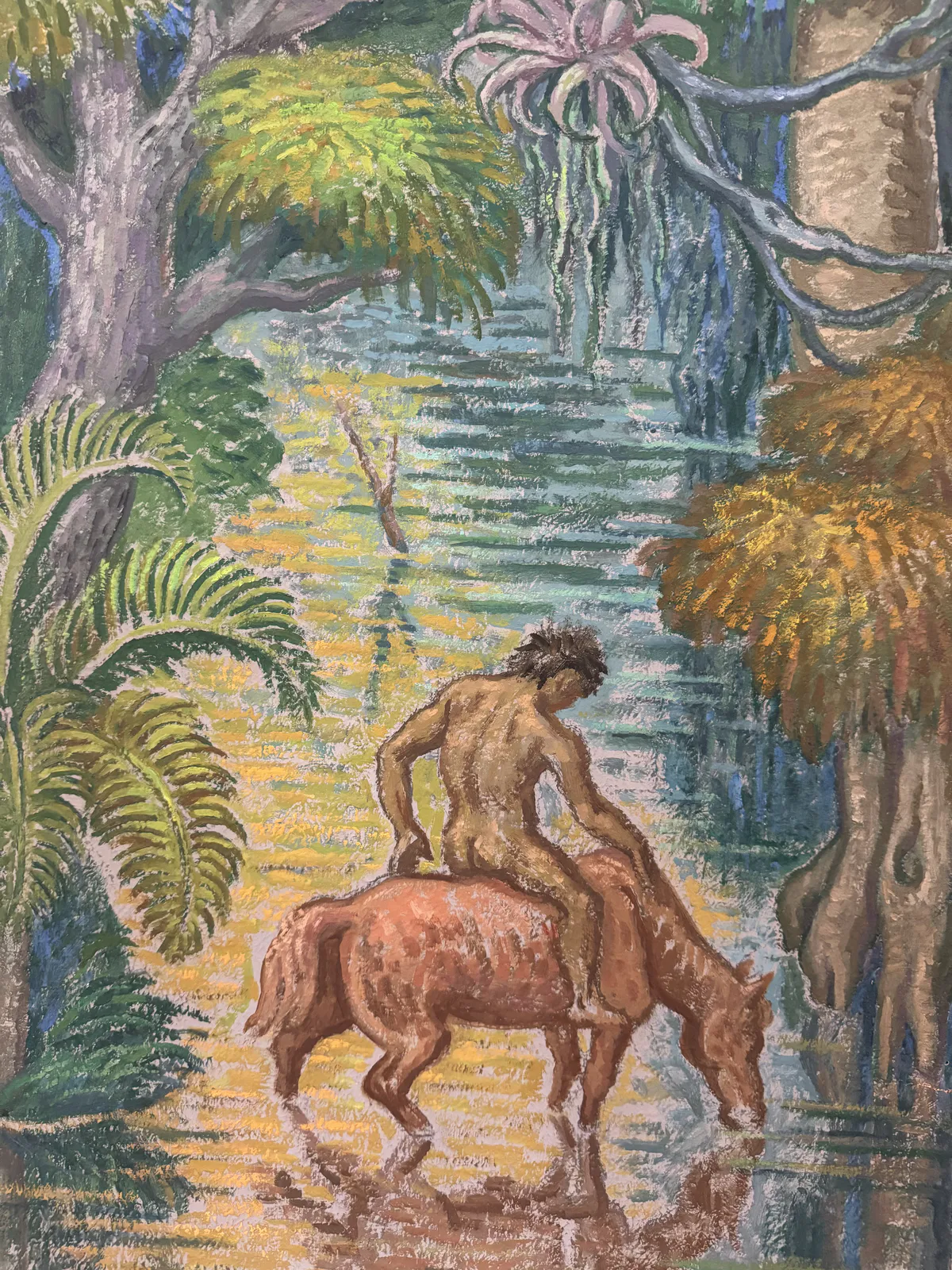
Indo-American Scene
Luis Alberto Acuña
A lone, naked rider on horseback drinks from a forest stream, immersed in a lush tropical setting. Acuña's painting (1950-60s) evokes a primordial connection between Indigenous people and the natural world, blending mythic and symbolic elements into a vision of harmony, solitude, and ancestral presence.
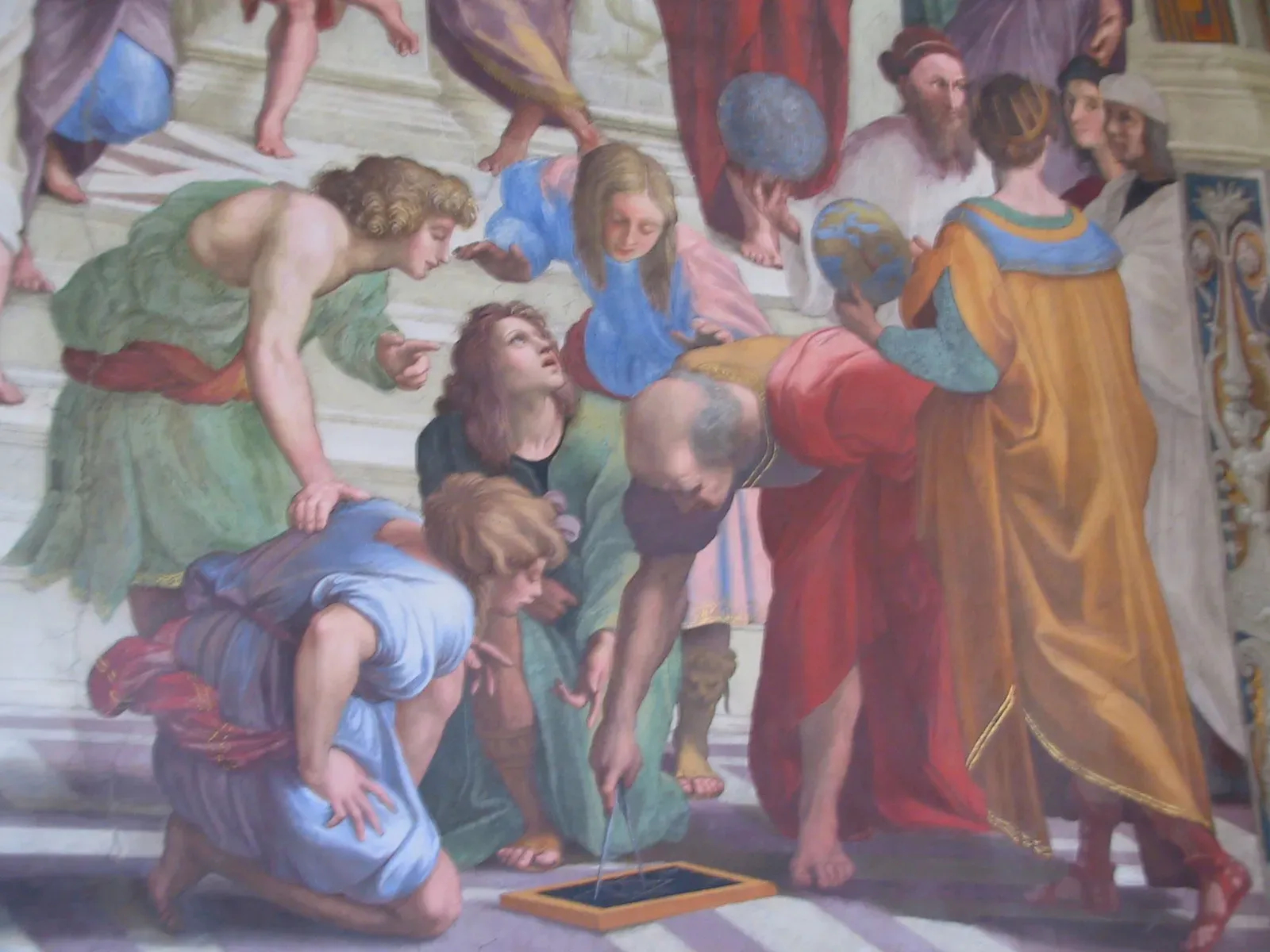
Euclid Teaching Geometry
Rapahel
In this vibrant lower-right scene from The School of Athens (1509–1511), Raphael presents Euclid demonstrating geometric principles with a compass. Painted in Rome during the High Renaissance, this detail celebrates empirical learning as foundational to human knowledge. The intense focus of his young onlookers reflects the Renaissance ideal of rediscovering ancient scientific wisdom through observation and reason.
“When the path is beautiful, do not ask where it leads.” — Zen proverb
Welcome to my travel photography!
“When the path is beautiful, do not ask where it leads.” — Zen proverb
Welcome to my travel photography!
For as long as I can remember, my path has been one of discovery—seeking beauty, timelessness, and connection in every corner of the world. It has also been a journey of deep learning and understanding. I’ve been an avid traveler (or perhaps a travel addict?) for most of my life. My love for travel began long before I ever left home: as a child, I drew a fantasy map of my grandparents’ apartment and “traveled” through it with my cousin Sonya, imagining adventures in every corner. Nearly 90 countries and countless moments of awe later, I’m excited to share this journey with you.
Thanks to the tireless and ingenious programming of Diagilev, we’re now able to present about fifteen percent of the images I’ve accumulated over the years. More will be released in small batches depending on your interest. While the first release leans toward museum photography, later ones will include more nature, architecture, culture, and general travel experiences. If you’d like to receive email notifications about new releases, feel free to reach out—no commercial use, ever.
Throughout my travels, I’ve been drawn to two intertwined kinds of discovery. One is intellectual: learning why the world is the way it is. History became my guide, shaping my perspective and filling my camera roll with museums and old buildings. To me, history is not the past—it is the key to understanding the present and how the world became what it is. The other is emotional: seeking moments of elevation—spirituality, beauty, harmony—often found in nature, monasteries, and ancient sacred spaces. Together, these impulses shape my photography. It invites you to learn, admire, and soar—to rise above the mundane and see the world through a lens of curiosity and wonder.
Much of my later travel became possible thanks to my job with Delta Air Lines, but the wanderlust began years earlier. By the time I joined the industry, I had already visited over 35 countries and lived in several—largely thanks to a backpacking journey around the world with Luis León, whose face appears in many early photos. I grew up in Ufa in the USSR, and since leaving it I have lived, studied, and worked in Latvia, the United States, France, South Korea, Canada, Spain, Italy, Brazil, Japan, and Colombia.
A life of near-constant movement may seem a little crazy, but it has deepened my understanding of the world and produced the photography you are about to see. Over the years, my style has evolved—more intentional, more refined—yet its core remains the same: a search for understanding, timeless beauty, and a connection to those who walked this earth long before us.
I hope these photos stir something in your soul, just as they did in mine. I’d love to hear from you—whether reactions, suggestions, corrections, or a request to be added to the email list for new releases (no commercial use, I promise). You can learn more about my travels here, and my academic life here.
Enjoy our shared journey!