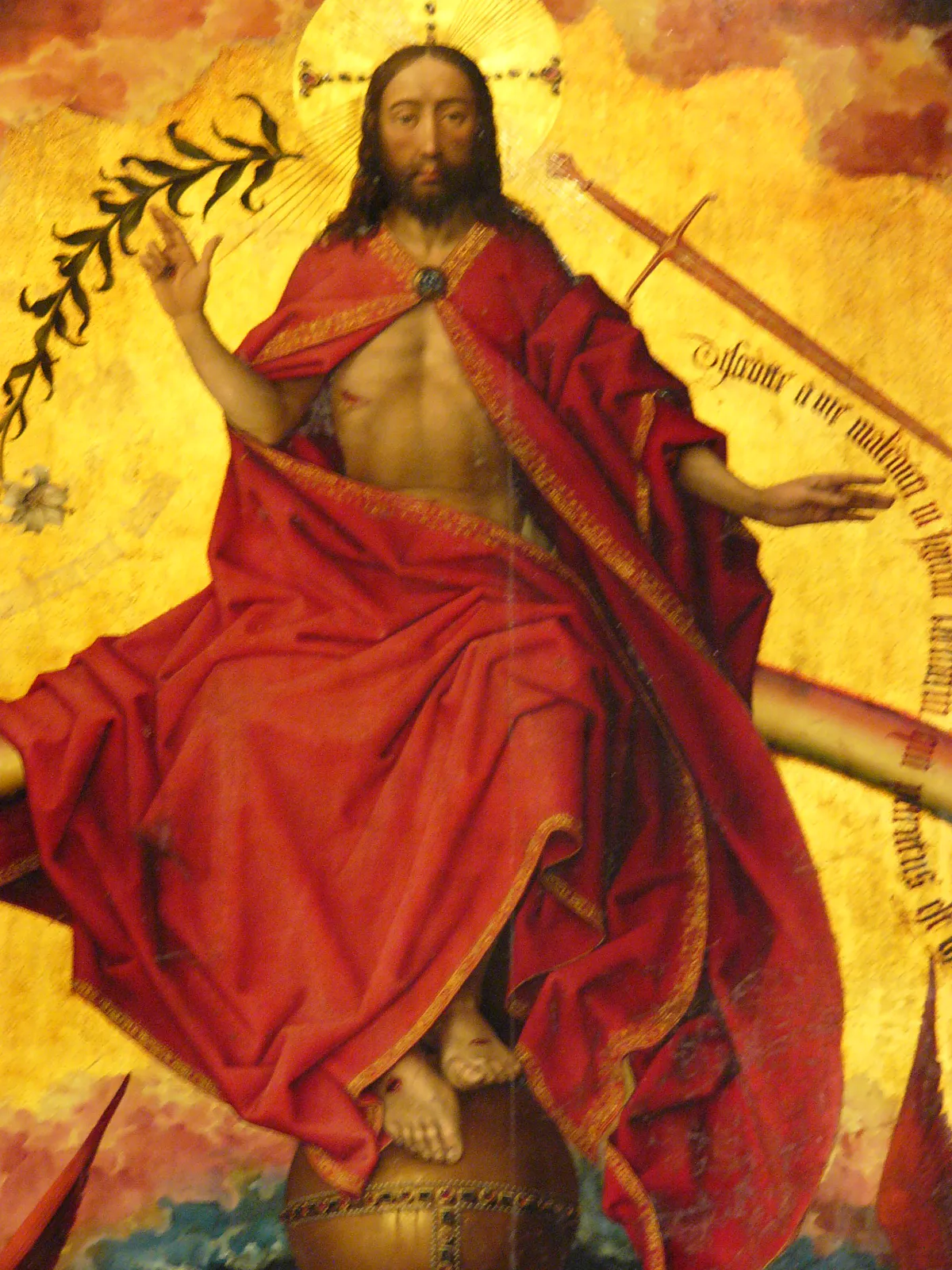
Christ the Judge
Rogier van der Weyden
At the summit of the Last Judgment Altarpiece (1445–50), Christ sits enthroned on a rainbow, resting his feet on a golden globe that symbolizes dominion over the world. He raises his right hand in blessing, while his left gestures toward judgment. The sword and lily flanking him signify justice and mercy, balancing wrath with compassion. Draped in vivid red, Christ embodies divine authority, anchoring the entire altarpiece in the promise of eternal judgment and salvation.
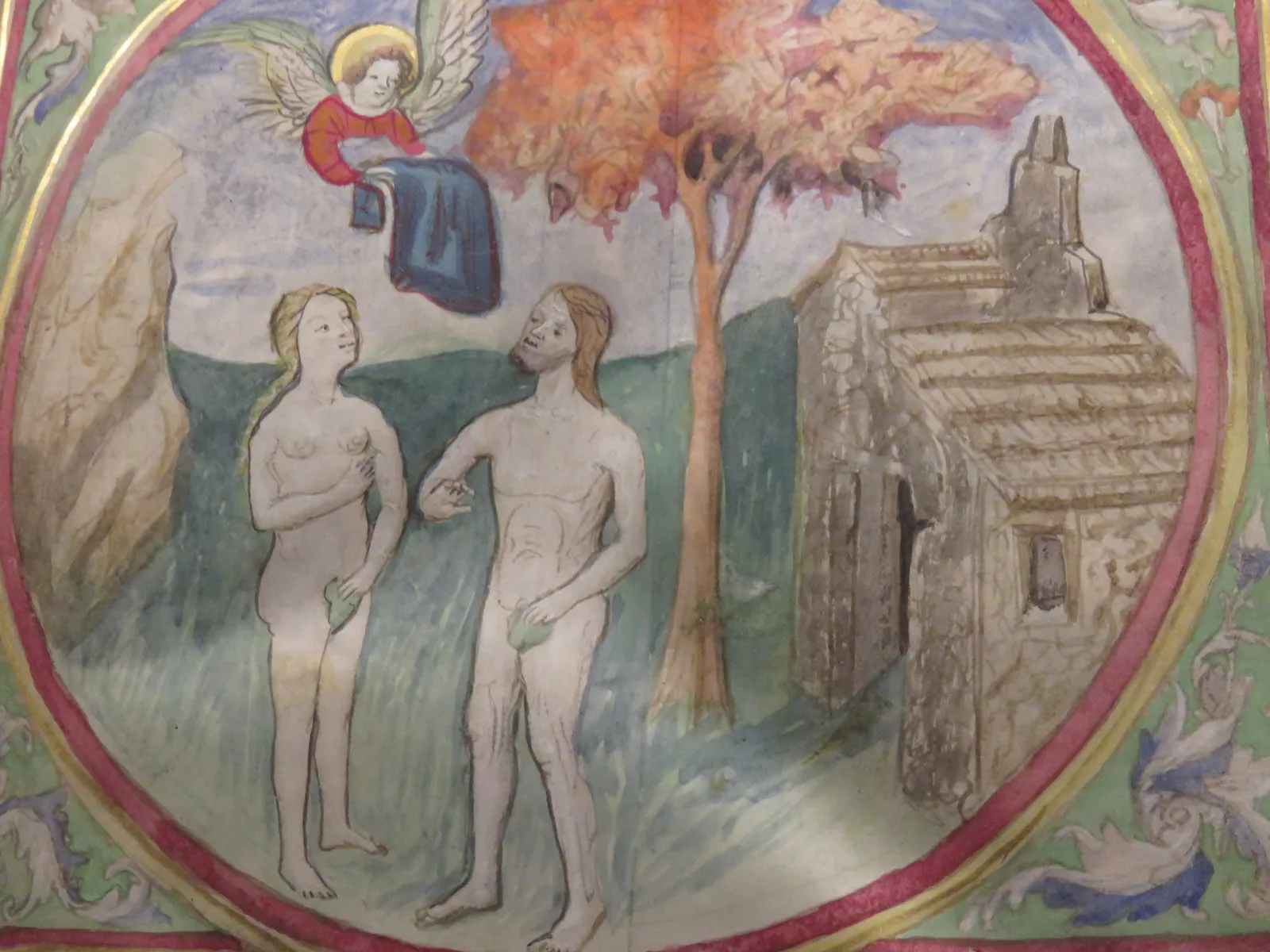
Expulsion from Eden
Maître des Médaillons
This French manuscript miniature (early 15th c.) shows Adam and Eve after the Fall, modestly covering themselves with leaves. An angel descends with a robe, while the Tree of Knowledge burns red above them. To the right stands a stone building, symbolizing exile from Paradise. The vivid colors and fine detail reflect late medieval devotional art.
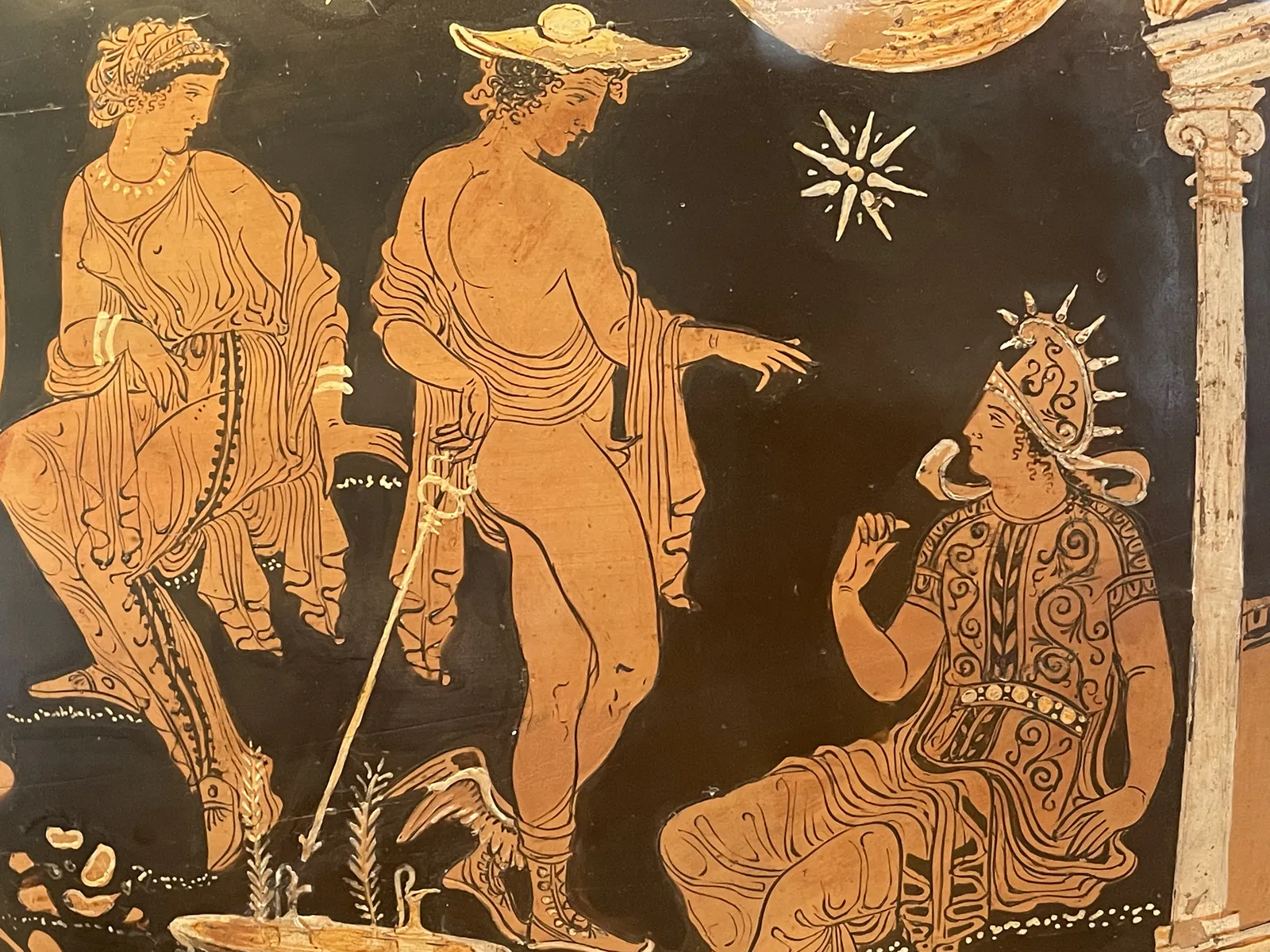
Orestes and Apollo at Delphi
Painter of the Birth of Dionysus
This Apulian red-figure volute krater (410–390 BC) depicts Apollo aiding Orestes at Delphi. After avenging Agamemnon by killing Clytemnestra, Orestes seeks refuge from the Furies. Apollo's protection symbolizes divine support for justice. This piece highlights the intersection of myth and morality in ancient Greek culture.
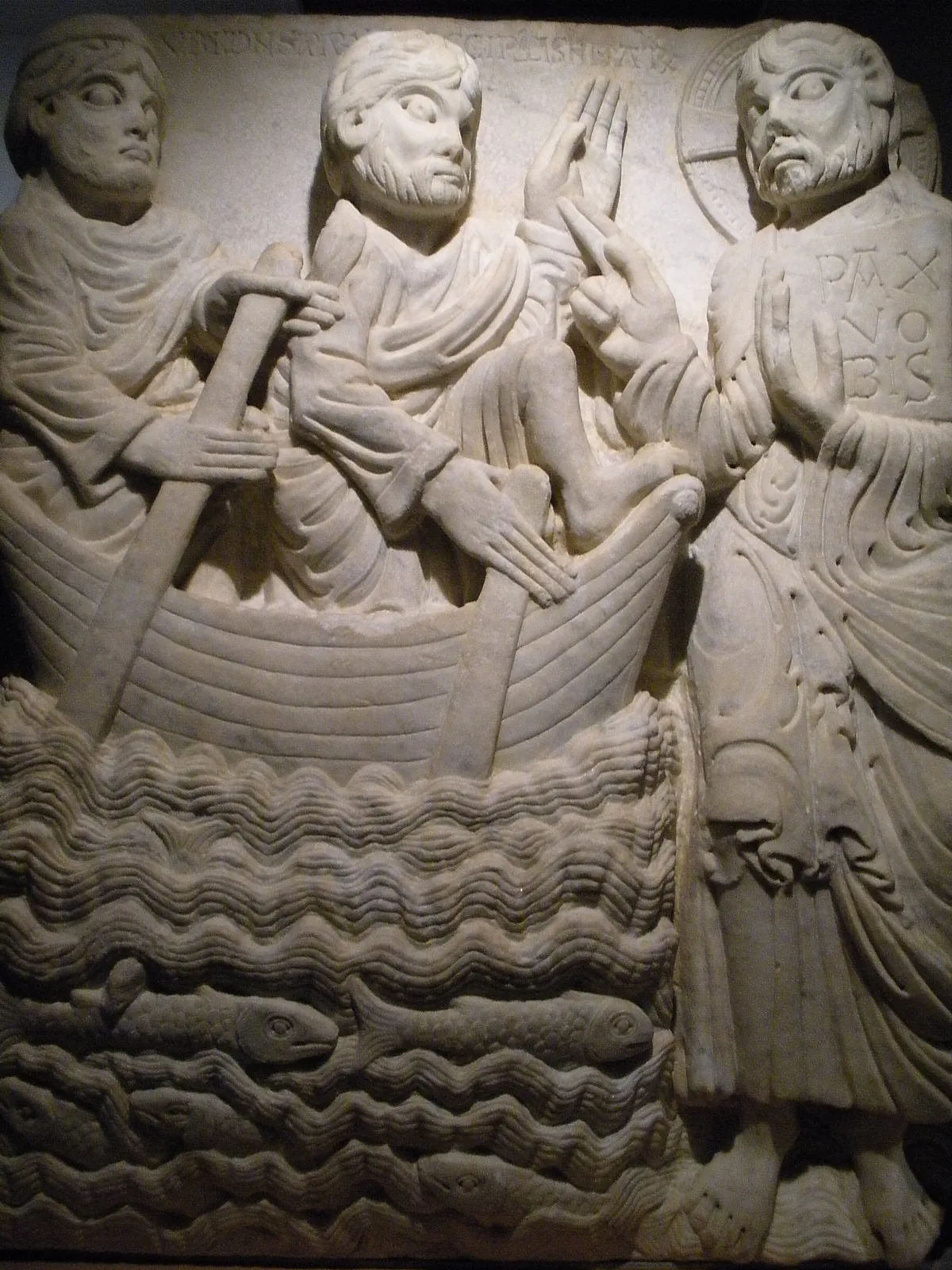
The Appearance of Christ to the Disciples
Master of Cabestany
This 12th-c. Romanesque sculpture by the Master of Cabestany depicts Christ revealing himself to his disciples after the resurrection. The artist is known for figures with large heads, flat foreheads, long noses, and almond-shaped eyes. Likely from the monastery of Sant Pere de Rodes, the work exemplifies the Master of Cabestany’s influence across Southern Europe, from Tuscany to Navarre.
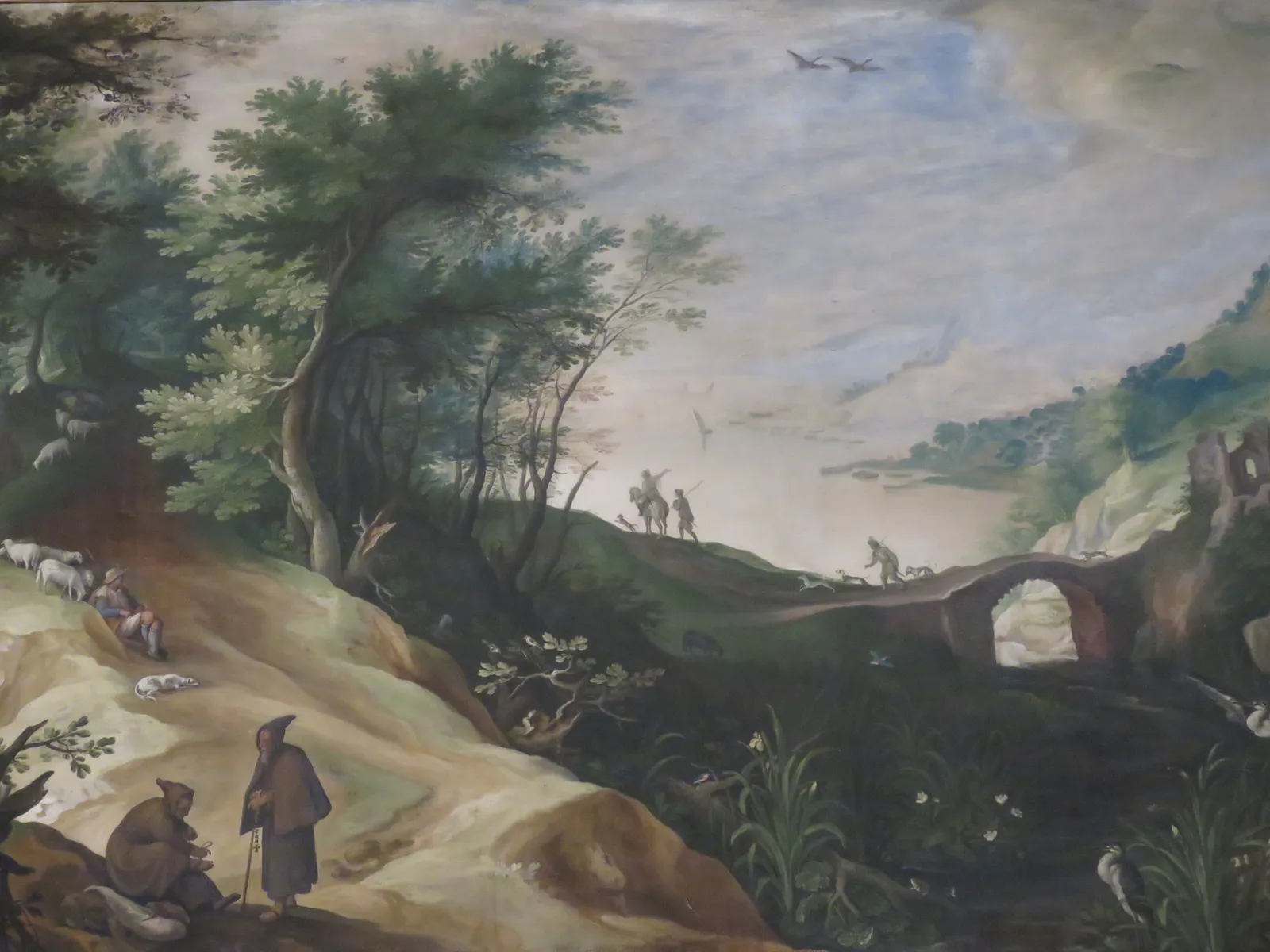
Landscape with Hermits
Paul Bril
This landscape (c. 1600) shows monks gathered in a wooded clearing beneath a broad, luminous sky. Their small figures sit or stand along a path that opens toward distant hills. Such scenes appeared in early Baroque painting, especially in northern regions where sacred retreat was a common theme. The composition indicates how artists linked hermitic life with the ordered quiet of nature.
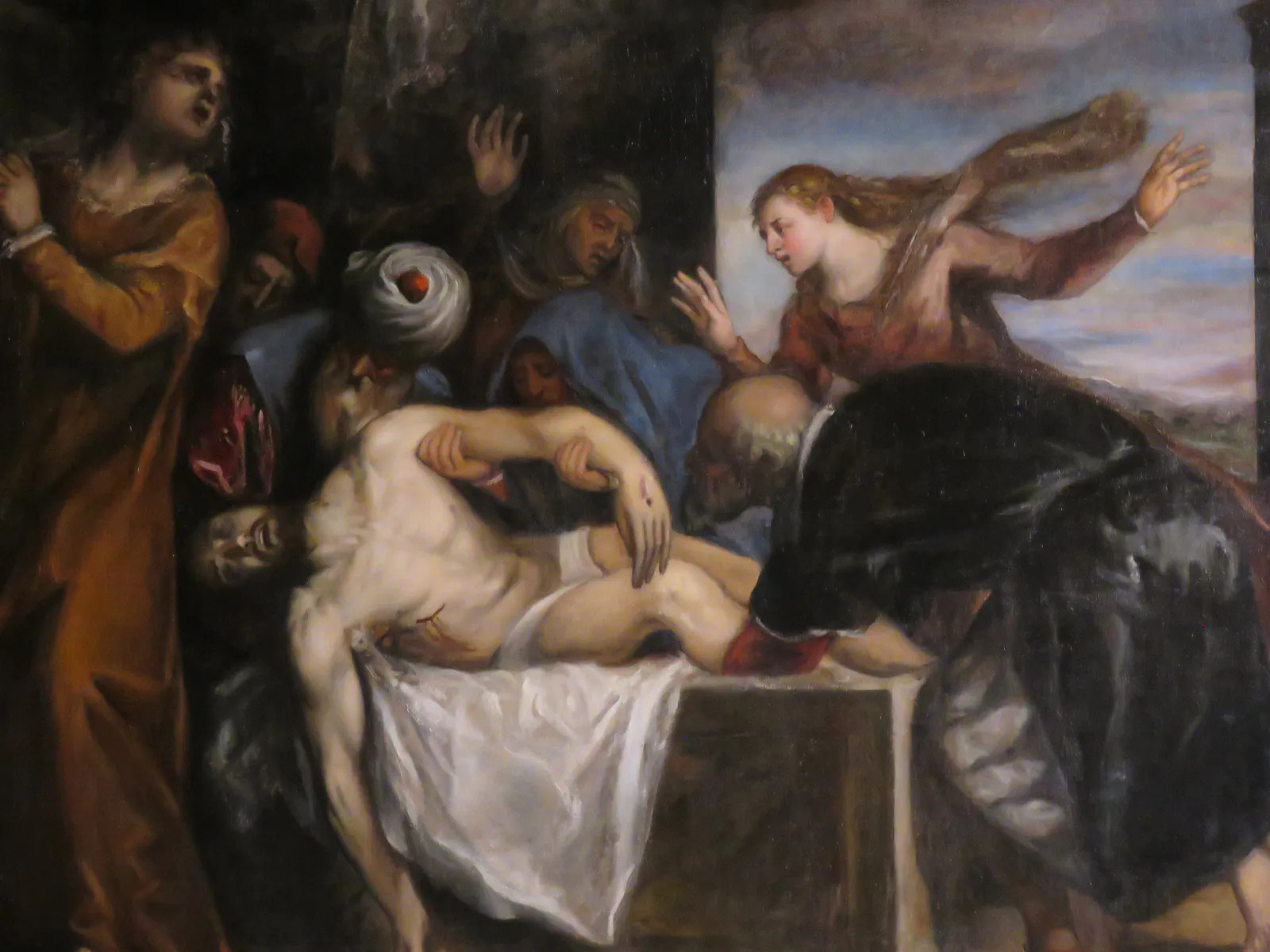
The Entombment of Christ
Titian and Palma the Younger
A poignant rendering of Christ’s burial, this oil on canvas (1618) was begun by Titian and completed by Palma the Younger. The composition captures collective grief, emphasizing the physical weight of death and the emotional weight of loss. The figures’ gestures and expressions mirror Renaissance ideals of pathos and human dignity.
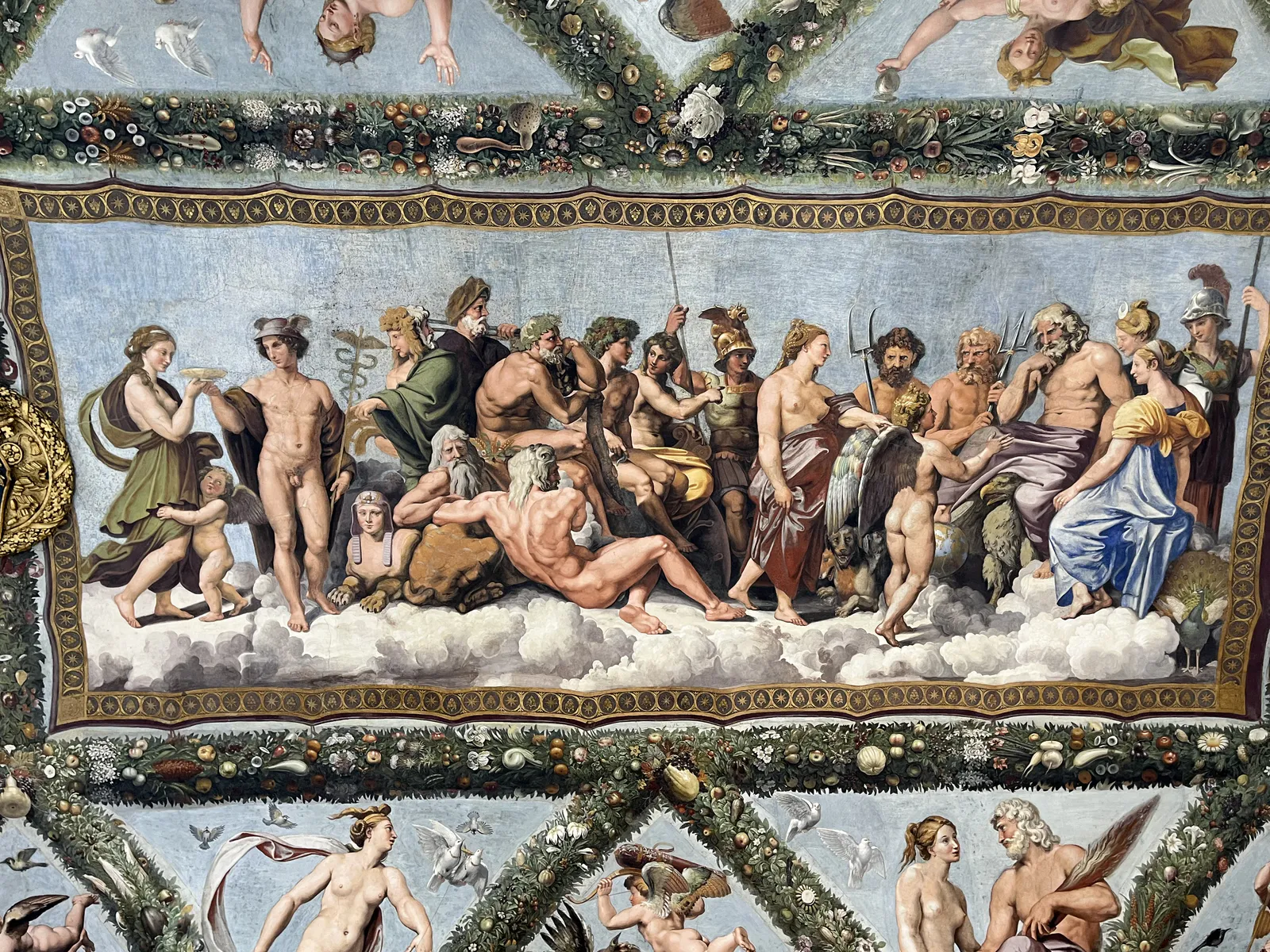
Council of the Gods
Raphael
In this scene (1518), Raphael depicts the gods deciding Psyche’s fate. Right to left: Minerva (helmet), Diana (with crescent moon), Jupiter (eagle below), Juno (blue robe), Neptune (trident), Pluto (bident, dog Cerberus), Venus (semi-nude, pointing), Mars (helmet). On the far left, Mercury (caduceus) leads Psyche to Olympus. Cupid kneels before Jupiter, pleading for Psyche’s immortality. The council embodies divine justice, granting the soul eternal union with love.
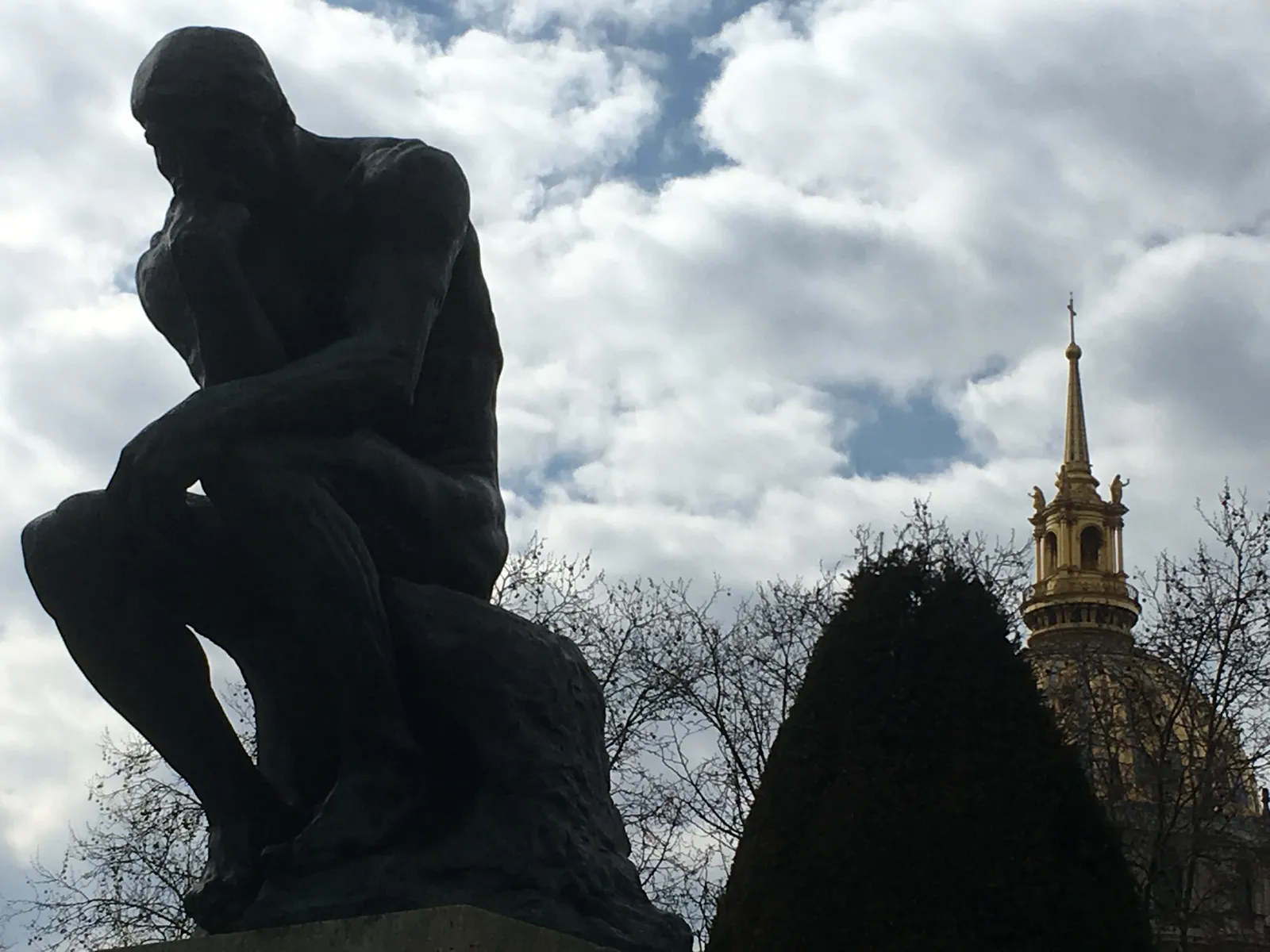
The Thinker
Auguste Rodin
Rodin's iconic bronze sculpture, The Thinker(1904), depicts a nude male figure in deep contemplation, symbolizing profound thought. Originally part of The Gates of Hell, it reflects on philosophy and introspection. This one is the monumental casting, with 27 full-sized versions worldwide. The masterpiece invites viewers to ponder life's complexities, embodying the universal quest for understanding and intellectual pursuit.
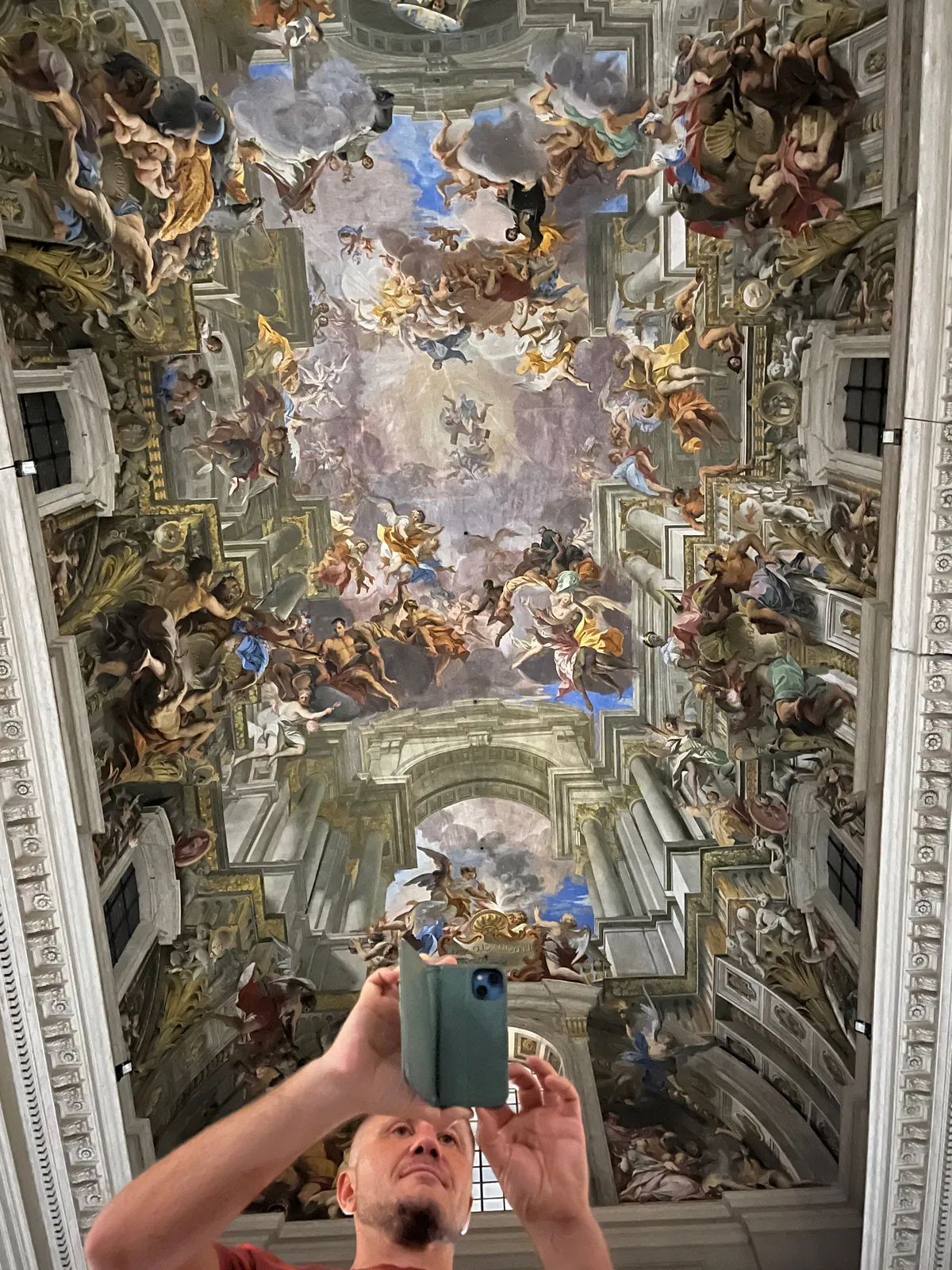
The Apotheosis of St. Ignatius
Andrea Pozzo
Max captures The Apotheosis of St. Ignatius (1685–1694) using a viewing mirror beneath the ceiling, enhancing Pozzo’s Baroque illusionism. This optical device unveils the masterful perspective that transforms the flat vault into a celestial vision, merging art and exemplifying the Baroque fascination with perspective: a dynamic interplay between earthly and divine realms.
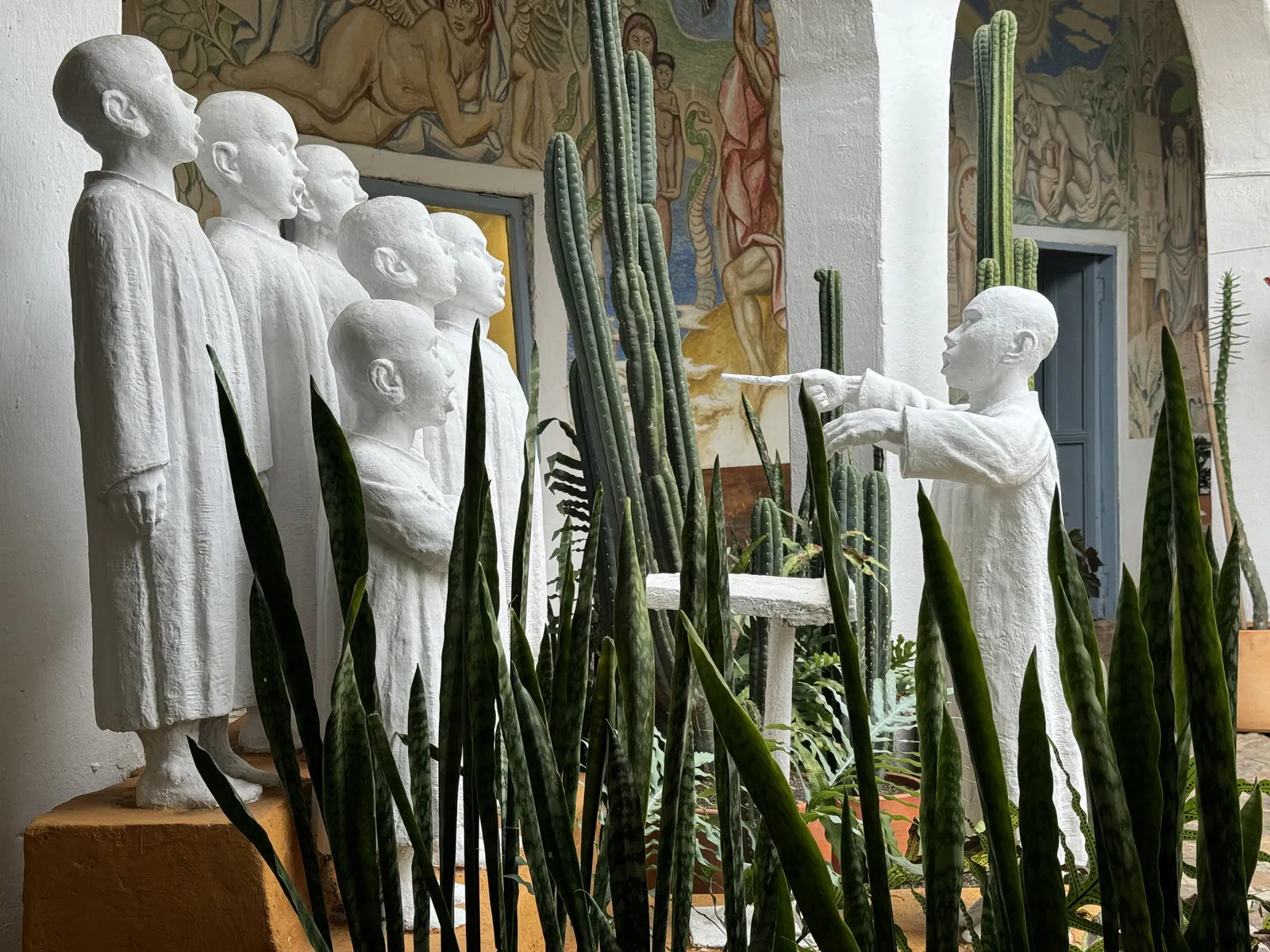
Choir of Novices
Luis Alberto Acuña
This sculptural group by Luis Alberto Acuña (1970s) depicts a choir of young novices led by a conductor, rendered in white plaster. Positioned in the courtyard of Casa Museo Acuña, it captures themes of spiritual education, harmony, and discipline. The rigid poses and minimalist forms evoke a timeless reverence, bridging artistic expression with monastic tradition.
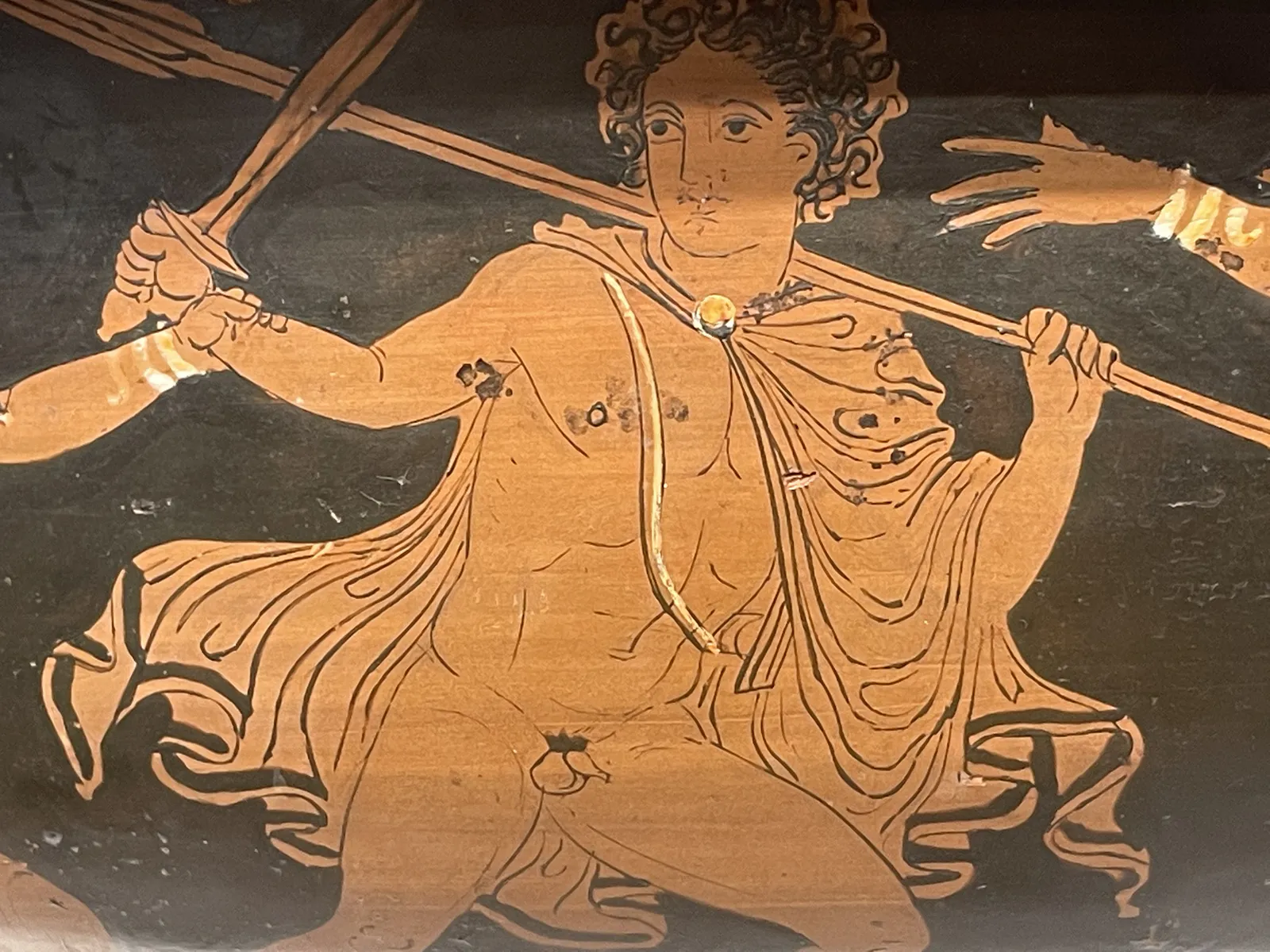
Pentheus Attacked by Bacchic Women
The Oxford Group Workshop
This Apulian red-figure plate (360–350 BC) shows Pentheus arming himself against Dionysus’ cult. In myth, he is seized by Bacchic women, including his mother Agave, who mistake him for prey and tear him apart. The scene warns against impiety and defying divine power, embodying the tragic cost of resisting Dionysian ecstasy and communal worship.
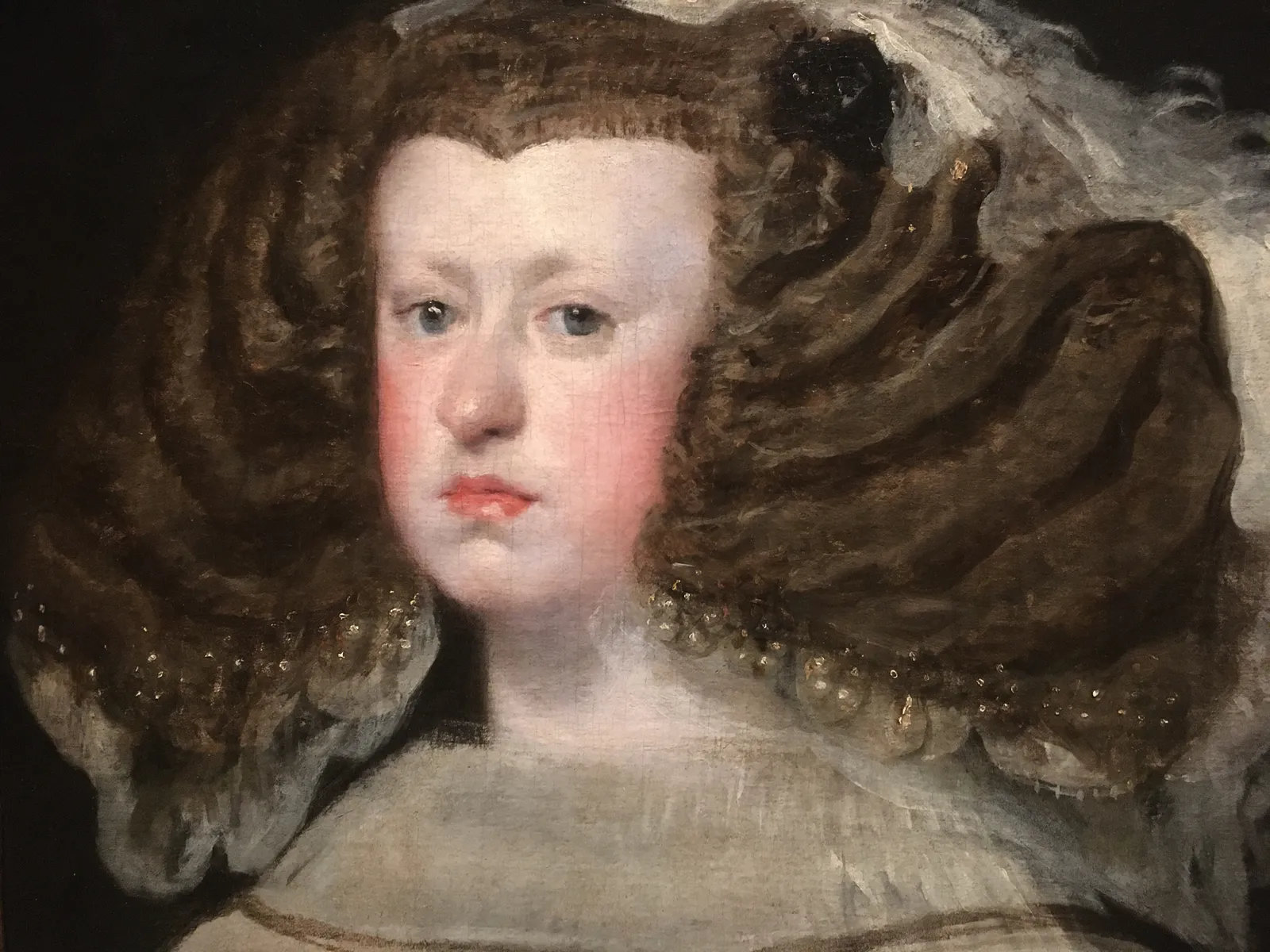
Queen Mariana
Diego Velázquez
Diego Velázquez’s portrait of Queen Mariana (c. 1656) captures the young queen with sensitivity, highlighting her regal authority and personal nuance. Painted during her early years as Philip IV’s wife, it is part of a series of likenesses that served as studies for larger compositions. These studies influenced other works, including those in Barcelona and Madrid.
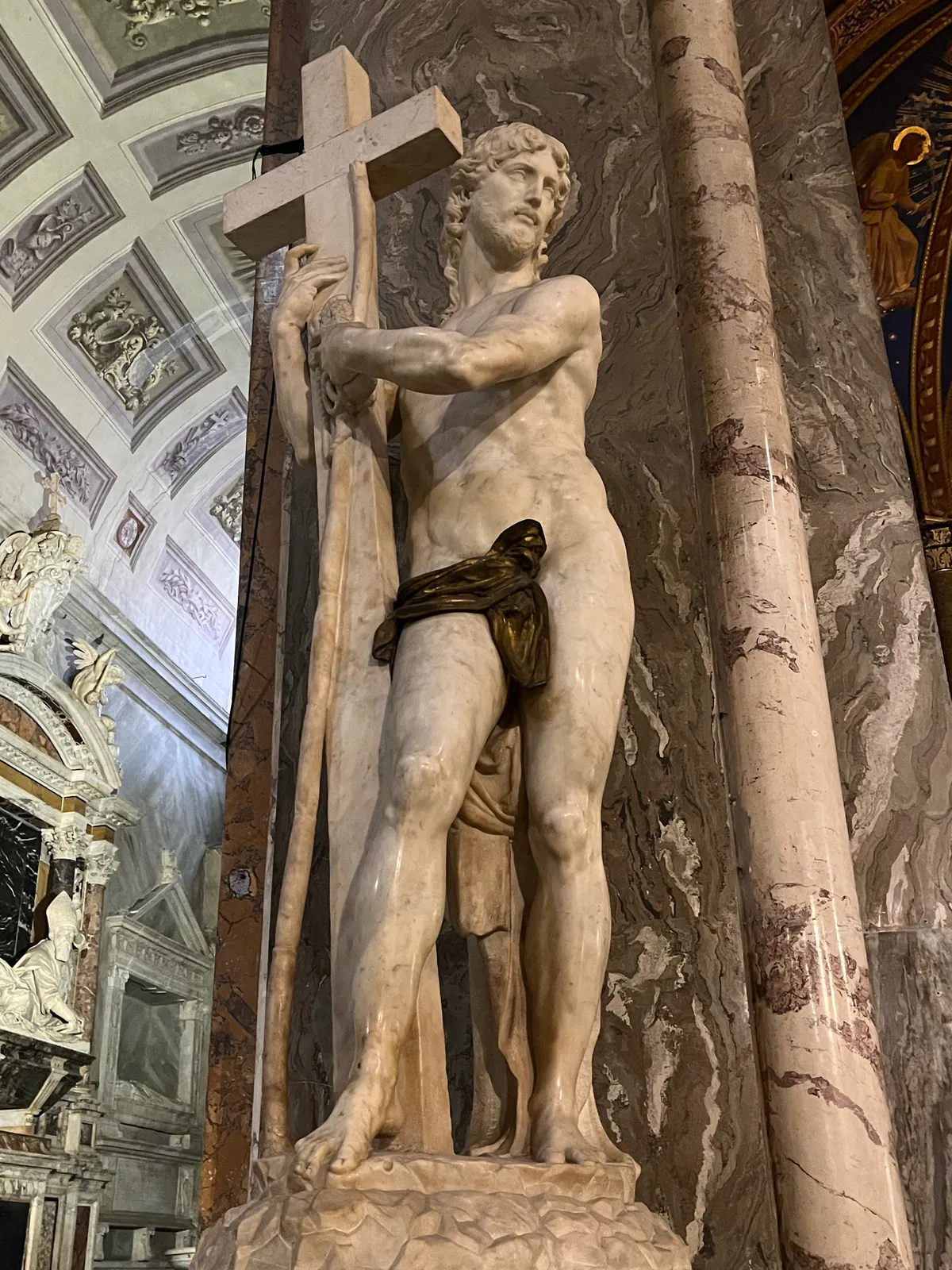
The Risen Christ
Michelangelo
Michelangelo's The Risen Christ (1521) depicts the resurrected Christ holding a cross, symbolizing triumph over death. This marble statue embodies Renaissance humanism, blending classical beauty with spiritual dignity. The idealized nude form reflects the fusion of divine suffering and victory, showcasing Michelangelo's mastery in capturing both physical perfection and profound spiritual themes.
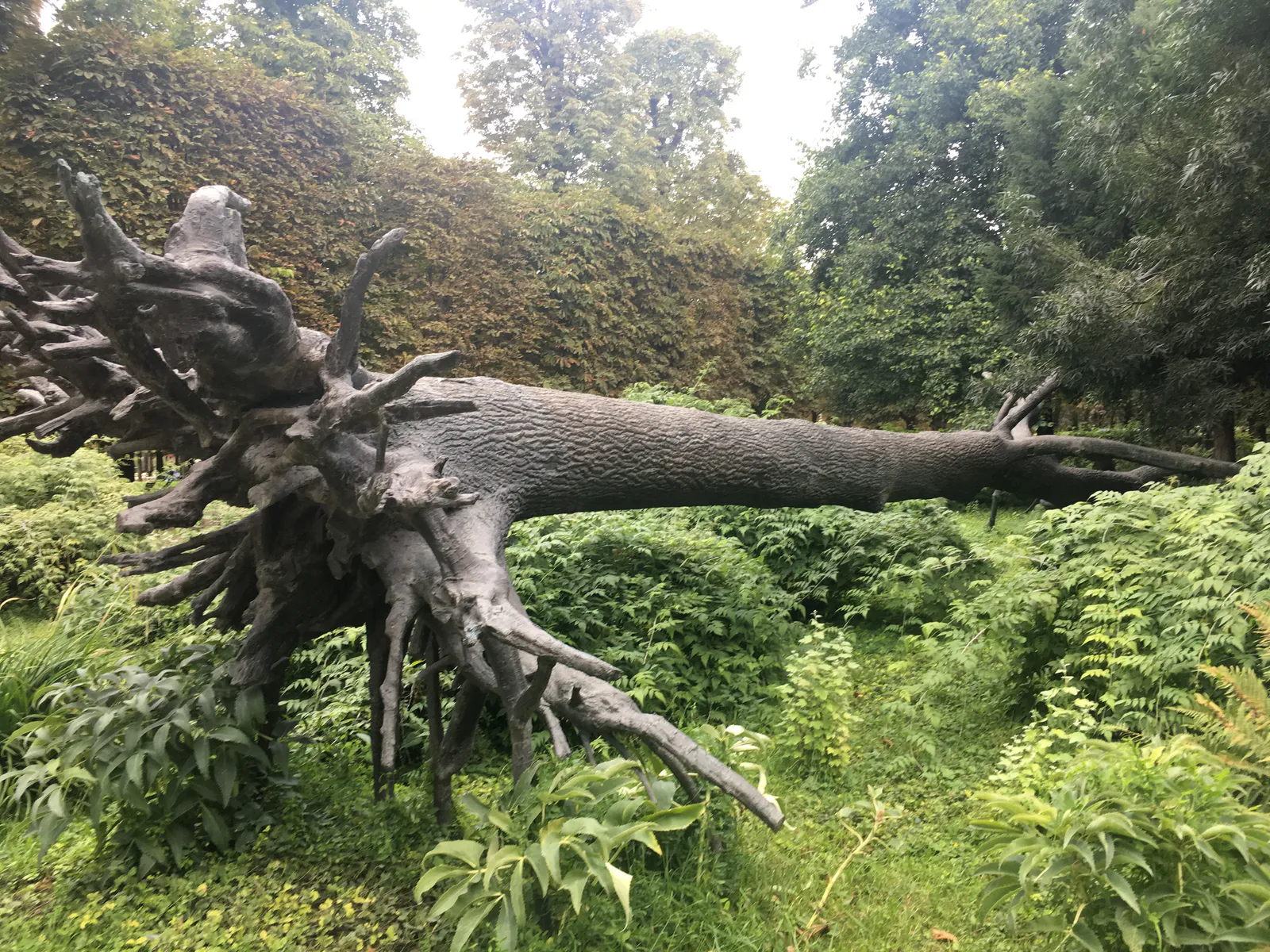
The Tree of Vowels
Giuseppe Penone
This monumental bronze sculpture (2000) shows a fallen oak with roots extending like veins across the ground. Installed in the Jardin des Tuileries, it demonstrates Penone’s exploration of the connection between humanity and nature. The work combines organic memory with sculptural permanence, inviting reflection on time, fragility, and the endurance of natural forms.
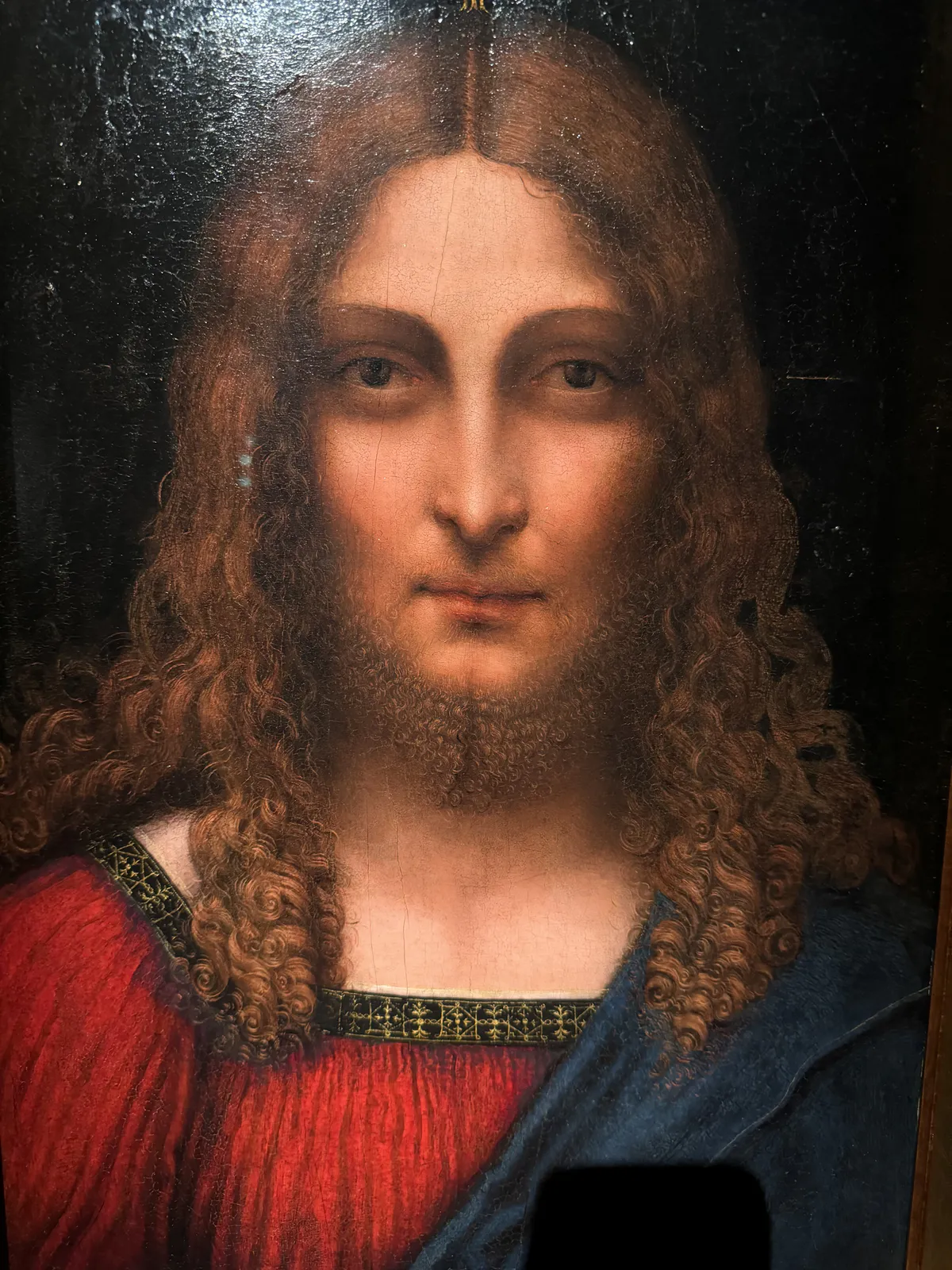
Christ the Redeemer
Salaì
This compelling portrait (1511), often attributed to Salaì—Leonardo’s apprentice—depicts Christ with idealized serenity and ambiguous allure. Sometimes called the male Mona Lisa, it showcases the sfumato technique pioneered by Leonardo. Though some argue it is da Vinci’s own work, its authorship remains debated. It reflects the spiritual humanism of the Renaissance and holds the record as the most expensive artwork ever sold at auction.
“When the path is beautiful, do not ask where it leads.” — Zen proverb
Welcome to my travel photography!
“When the path is beautiful, do not ask where it leads.” — Zen proverb
Welcome to my travel photography!
For as long as I can remember, my path has been one of discovery—seeking beauty, timelessness, and connection in every corner of the world. It has also been a journey of deep learning and understanding. I’ve been an avid traveler (or perhaps a travel addict?) for most of my life. My love for travel began long before I ever left home: as a child, I drew a fantasy map of my grandparents’ apartment and “traveled” through it with my cousin Sonya, imagining adventures in every corner. Nearly 90 countries and countless moments of awe later, I’m excited to share this journey with you.
Thanks to the tireless and ingenious programming of Diagilev, we’re now able to present about fifteen percent of the images I’ve accumulated over the years. More will be released in small batches depending on your interest. While the first release leans toward museum photography, later ones will include more nature, architecture, culture, and general travel experiences. If you’d like to receive email notifications about new releases, feel free to reach out—no commercial use, ever.
Throughout my travels, I’ve been drawn to two intertwined kinds of discovery. One is intellectual: learning why the world is the way it is. History became my guide, shaping my perspective and filling my camera roll with museums and old buildings. To me, history is not the past—it is the key to understanding the present and how the world became what it is. The other is emotional: seeking moments of elevation—spirituality, beauty, harmony—often found in nature, monasteries, and ancient sacred spaces. Together, these impulses shape my photography. It invites you to learn, admire, and soar—to rise above the mundane and see the world through a lens of curiosity and wonder.
Much of my later travel became possible thanks to my job with Delta Air Lines, but the wanderlust began years earlier. By the time I joined the industry, I had already visited over 35 countries and lived in several—largely thanks to a backpacking journey around the world with Luis León, whose face appears in many early photos. I grew up in Ufa in the USSR, and since leaving it I have lived, studied, and worked in Latvia, the United States, France, South Korea, Canada, Spain, Italy, Brazil, Japan, and Colombia.
A life of near-constant movement may seem a little crazy, but it has deepened my understanding of the world and produced the photography you are about to see. Over the years, my style has evolved—more intentional, more refined—yet its core remains the same: a search for understanding, timeless beauty, and a connection to those who walked this earth long before us.
I hope these photos stir something in your soul, just as they did in mine. I’d love to hear from you—whether reactions, suggestions, corrections, or a request to be added to the email list for new releases (no commercial use, I promise). You can learn more about my travels here, and my academic life here.
Enjoy our shared journey!