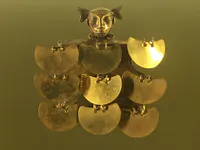
Mantilla and Hair Comb of a Bucaramanga Lady

Tolima Miniature Human Figures

Avian Pendants in Flight
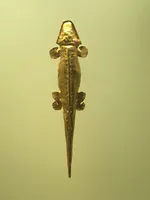
Zenú Crocodile Amulet
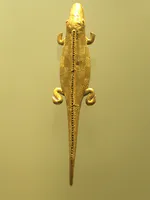
Lizard Amulet
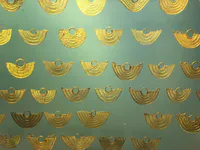
Zenú Golden Nose Ornaments
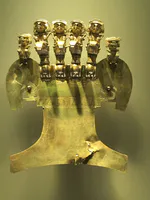
Quimbaya Ceremonial Breastplate with Warriors
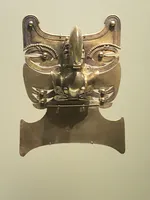
Stylized Bird Tairona Pendant
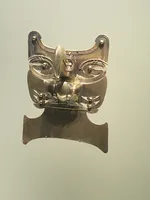
Tairona Gold Bird Pendant
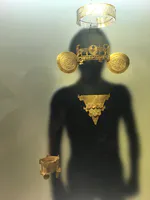
Muisca Elite Funerary Adornments
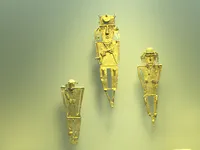
Muisca Tunjos Ritual Offerings
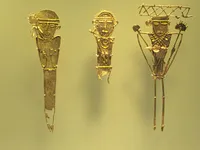
Muisca Ritual Tunjos
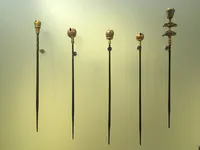
Muisca Ceremonial Scepters
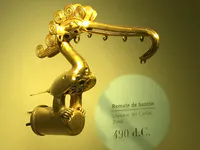
Bird-Shaped Staff Finial
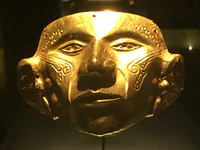
Tierradentro Funerary Mask
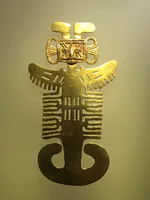
Tolima Culture Gold Breastplate
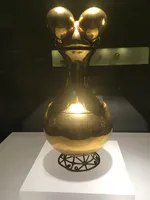
Quimbaya Poporo
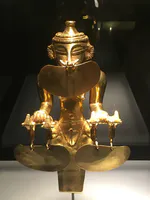
Female Chieftain with Ornaments
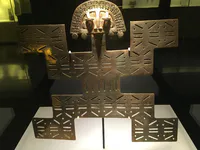
Geometric Pectoral Ornament
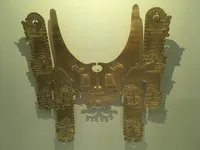
Malagana Gold Ritual Ornament
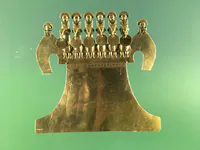
Muisca Tumbaga Pectoral with Figures and Birds
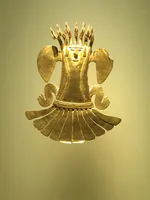
Zenú Pendant with Headdress
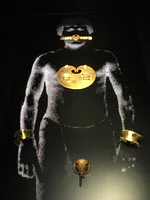
Sinú Ceremonial Gold Attire
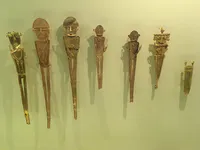
Muisca Tunjos
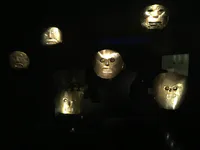
Quimbaya Gold Funerary Masks
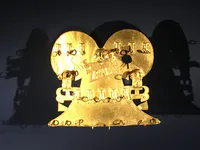
Zenú Double-Spiral Pectoral
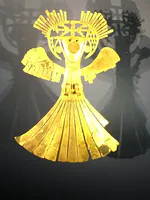
Tairona Winged Pendant Figure
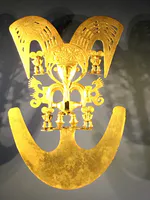
Quimbaya Gold Pectoral with Shamanic Figure
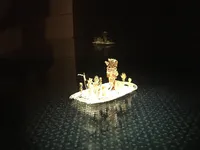
Muisca El Dorado Ritual Raft
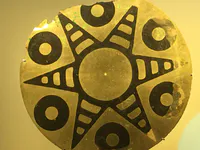
Spinning Ritual Disc
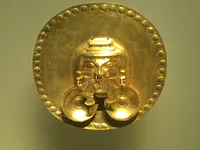
Human Face Pectoral Ornament
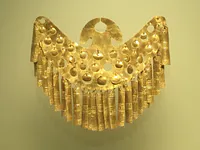
Bird-Shaped Nose Ornament
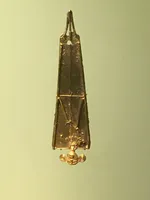
Gold Pendant with Human Figure
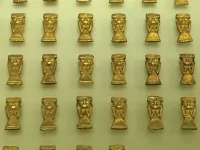
Gold Miniature Figures
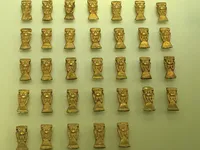
Muisca Gold Miniature Figures
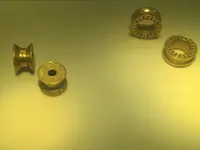
Gold Ear Spools
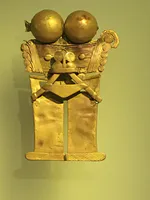
Shaman–Bat Transformation Pendant
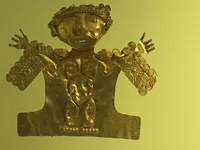
Figure with Raised Arms
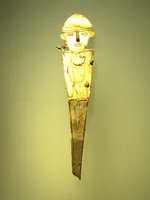
Muisca Gold Offering Figure
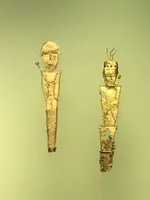
Muisca Tunjos
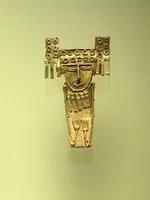
Muisca Gold Ceremonial Pectoral
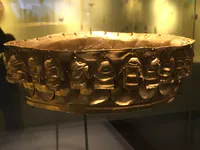
Muisca Ritual Crown with Dangles
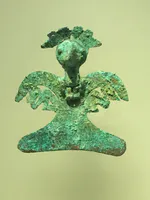
Avian-Shaped Copper Pendant
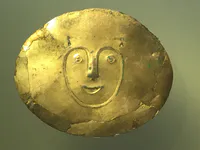
Quimbaya Gold Disc with Human Face
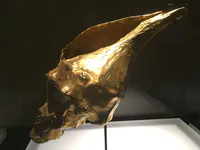
Sea Snail Shell
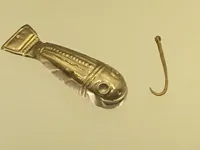
Fish Ornament and Hook
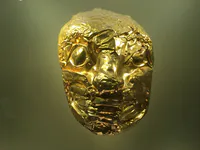
Nencatacoa Ritual Gold Mask
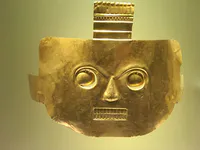
Funerary Mask
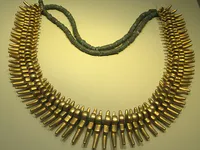
Ritual Necklace with Double Beads
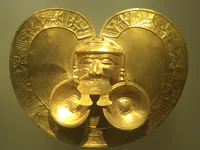
Pectoral with Face and Ornamental Discs
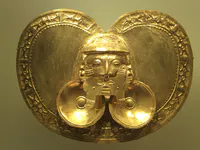
Ceremonial Pectoral with Face and Earspools
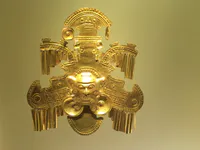
Ritual Diadem with Mythic Figure
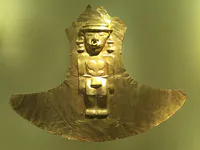
Shamanic Pectoral with Nose Ring
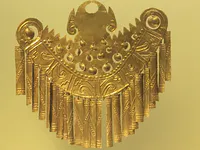
Sounding Pectoral Ornament
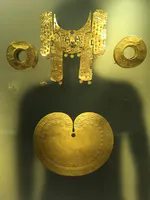
Ornaments of a Calima Cacique
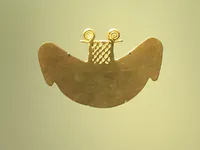
Zoomorphic Ear Ornament Pendant
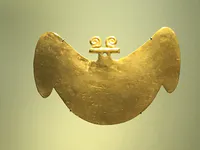
Stylized Bat Pendant from Ear Ornament
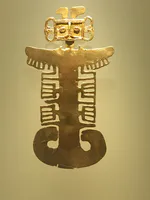
Anthropo-Zoomorphic Pendant
Museo del Oro
The Museo del Oro in Bogotá is one of Colombia’s most emblematic cultural institutions, devoted to preserving the intricate goldwork of pre-Hispanic civilizations. More than a treasury of precious metal, it shows how indigenous peoples such as the Muisca, Quimbaya, and Calima transformed gold into objects of ceremony, power, and spiritual connection. Each piece reflects a worldview in which gold was valued less for wealth than for its symbolic role between humans, nature, and the divine.
The collection reveals remarkable technical mastery, but its deeper importance lies in the stories it tells of societies that used art as a language of belief and identity. The Museo del Oro has become a touchstone for national memory, placing Colombia’s indigenous heritage within a broader sense of continuity and resilience. Through finely crafted figures, masks, and ornaments, it gives form to ancestral voices, bridging epochs and affirming that here the meaning of gold resides in culture and cosmology rather than possession.
The collection reveals remarkable technical mastery, but its deeper importance lies in the stories it tells of societies that used art as a language of belief and identity. The Museo del Oro has become a touchstone for national memory, placing Colombia’s indigenous heritage within a broader sense of continuity and resilience. Through finely crafted figures, masks, and ornaments, it gives form to ancestral voices, bridging epochs and affirming that here the meaning of gold resides in culture and cosmology rather than possession.
Popular categories
Advertising space