Conquest and the Extirpation of Indigenous Idolatry
Conquest and the Extirpation of Idolatry
The conquest took place while Indigenous populations were being decimated by diseases of European origin. Already weakened communities were further shaken by political and economic upheaval and military conflict. The encounter between Catholic Spain and the Indigenous cultures of the Americas brought two very different ways of understanding the world into direct confrontation, especially regarding the relationship between society and the supernatural.
One of the main consequences of the Spanish conquest was the introduction of the Catholic faith through a campaign that destroyed huacas—sacred places and objects—and likewise targeted the mallquis, the bodies of Inca ancestors venerated by their communities. This systematic effort to eradicate Indigenous religious practices became known as the “Extirpation of Idolatries.”
The conquest took place while Indigenous populations were being decimated by diseases of European origin. Already weakened communities were further shaken by political and economic upheaval and military conflict. The encounter between Catholic Spain and the Indigenous cultures of the Americas brought two very different ways of understanding the world into direct confrontation, especially regarding the relationship between society and the supernatural.
One of the main consequences of the Spanish conquest was the introduction of the Catholic faith through a campaign that destroyed huacas—sacred places and objects—and likewise targeted the mallquis, the bodies of Inca ancestors venerated by their communities. This systematic effort to eradicate Indigenous religious practices became known as the “Extirpation of Idolatries.”
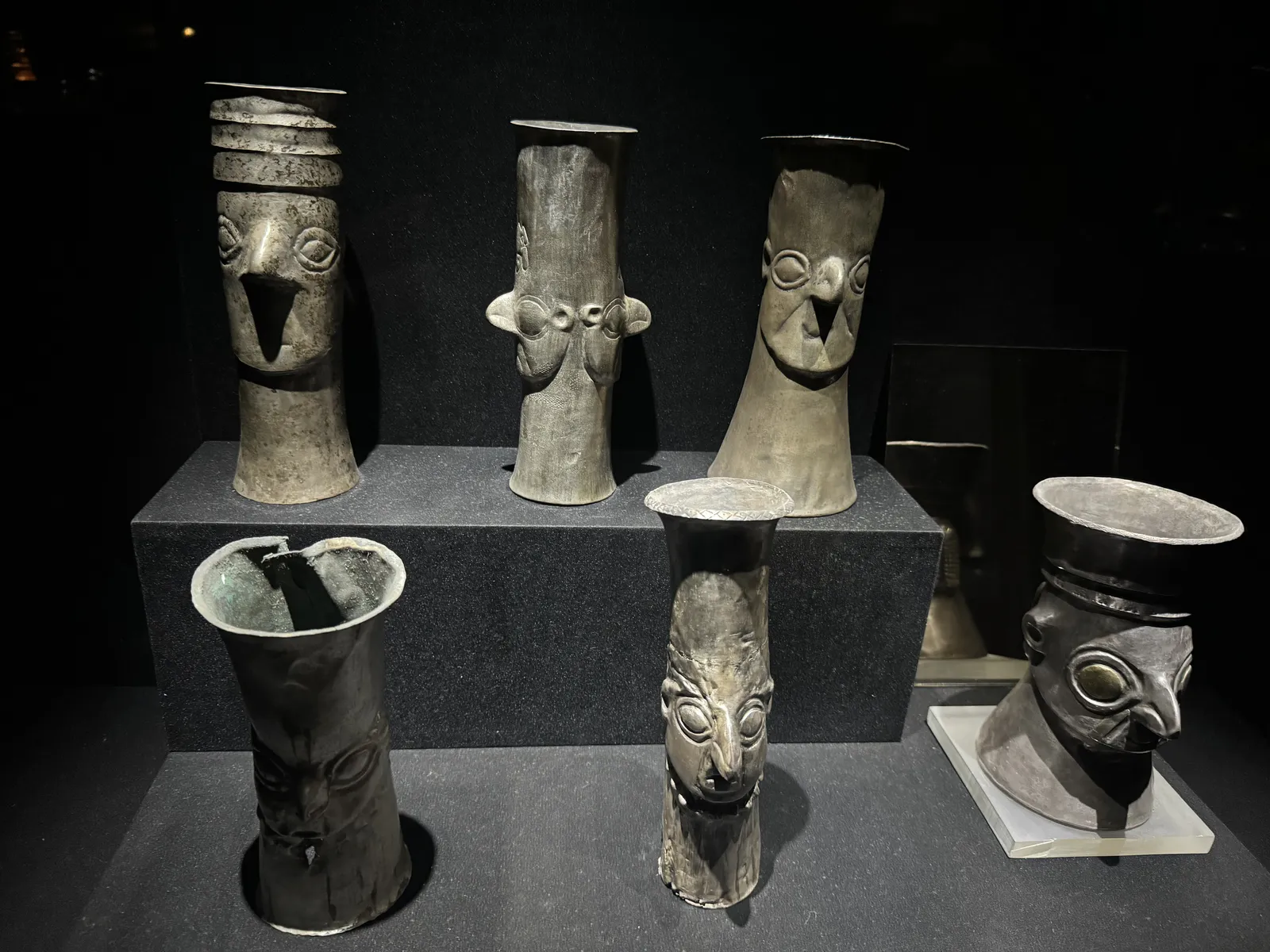
Chimú Ceremonial Vessels
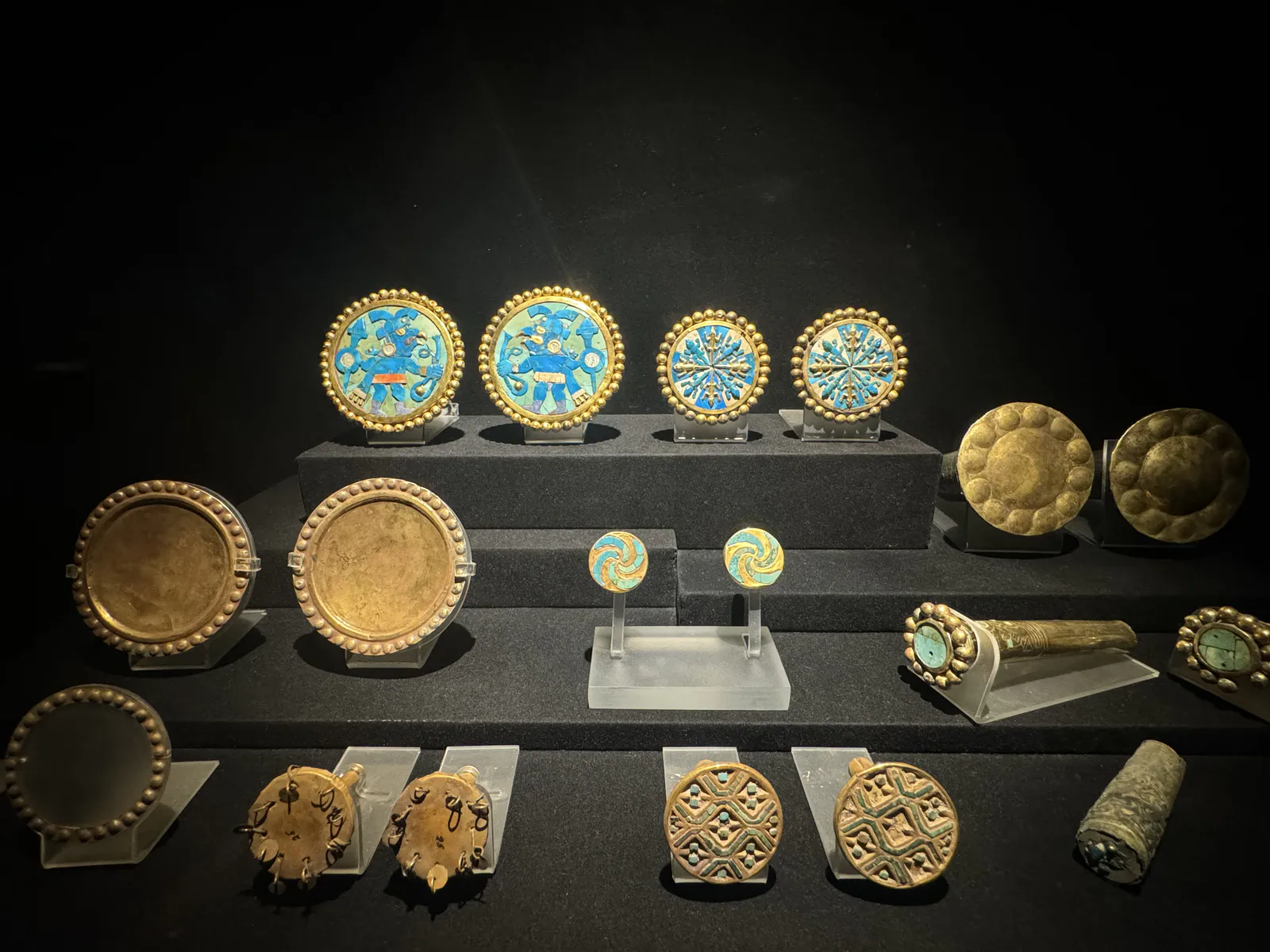
Moche Gold Ear Ornaments
Spanish Conquest and the Extirpation of Idolatries
The Spanish Conquest and Extirpation of Idolatries
The conquest occurred while Indigenous populations were being decimated by diseases of European origin. These already weakened communities were further affected by political and economic changes and by military confrontations. The encounter between Catholic Spain and the Indigenous cultures of the Americas was a dramatic clash between two ways of understanding the world and the relationship between society and the supernatural.
One of the main effects of the Spanish conquest was the introduction of the Catholic faith. In this process, huacas—places and objects sacred to Indigenous peoples—were destroyed, as were the mallquis, the bodies of Inca ancestors venerated by their communities. These actions formed part of the campaign known as the “Extirpation of Idolatries.”
The conquest occurred while Indigenous populations were being decimated by diseases of European origin. These already weakened communities were further affected by political and economic changes and by military confrontations. The encounter between Catholic Spain and the Indigenous cultures of the Americas was a dramatic clash between two ways of understanding the world and the relationship between society and the supernatural.
One of the main effects of the Spanish conquest was the introduction of the Catholic faith. In this process, huacas—places and objects sacred to Indigenous peoples—were destroyed, as were the mallquis, the bodies of Inca ancestors venerated by their communities. These actions formed part of the campaign known as the “Extirpation of Idolatries.”
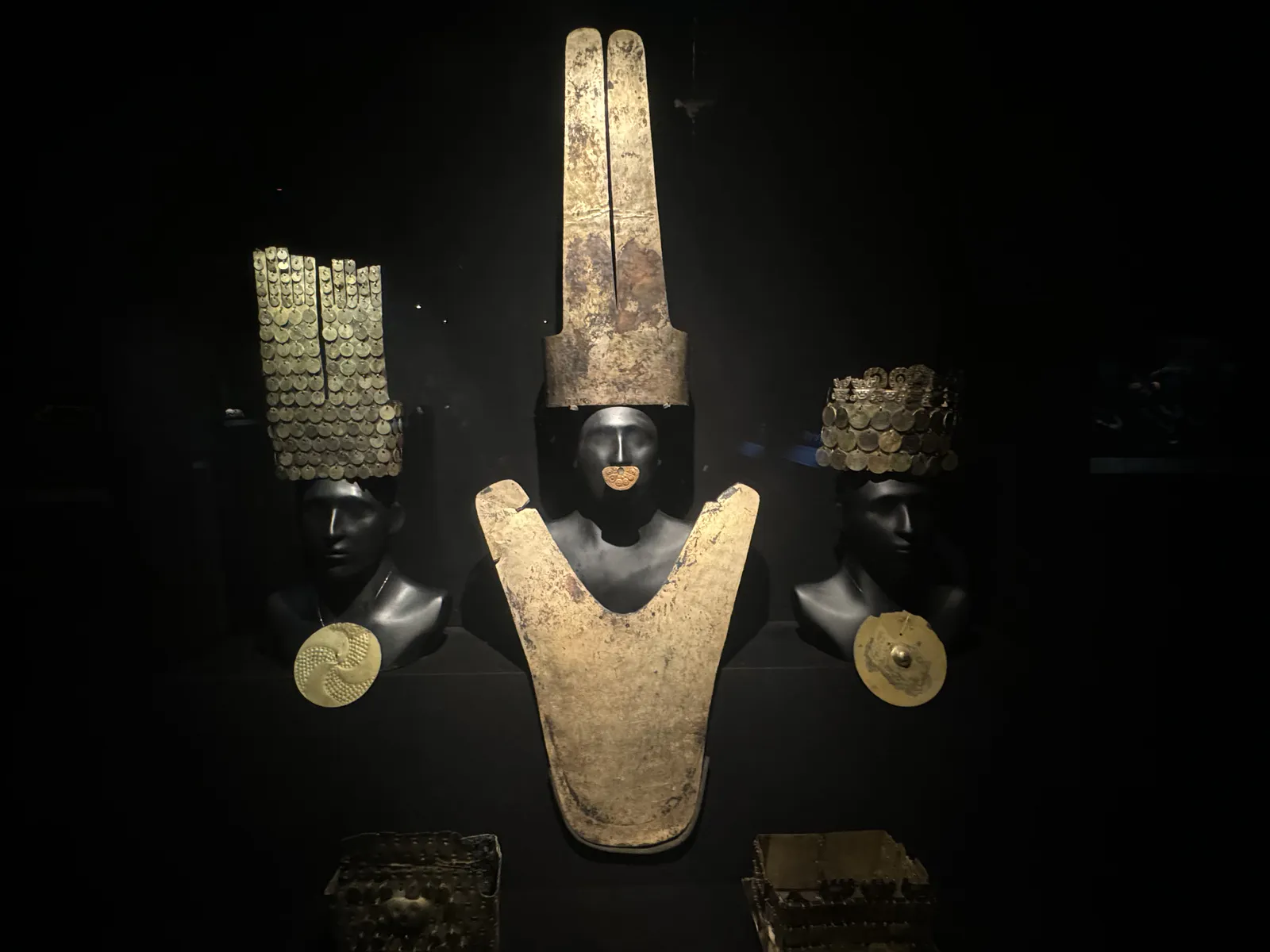
Vicús Funerary Crowns and Headdresses
Sexuality, Ancestors, and Fertility in the Lower World
Sexual Activity in the Lower World
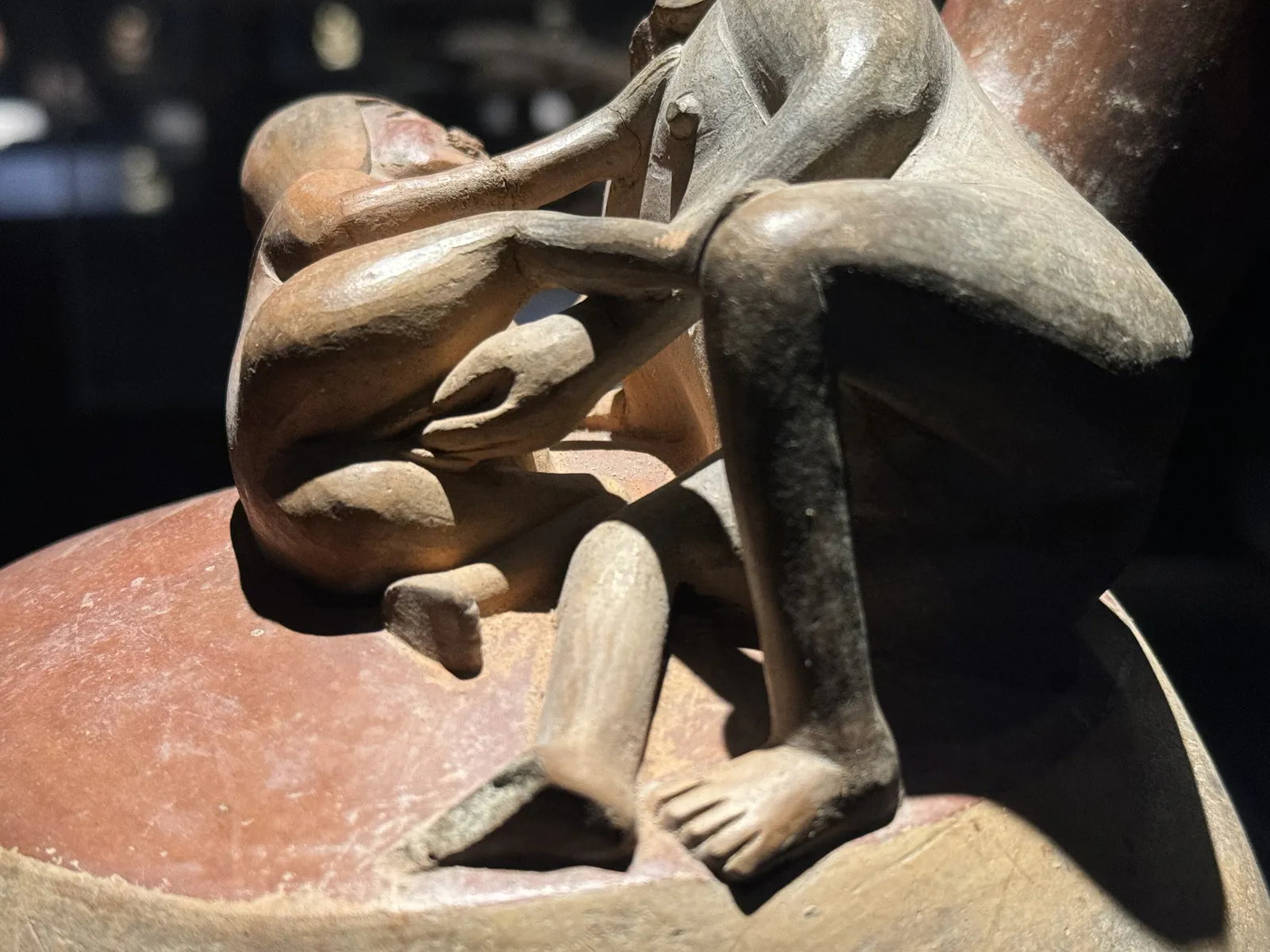
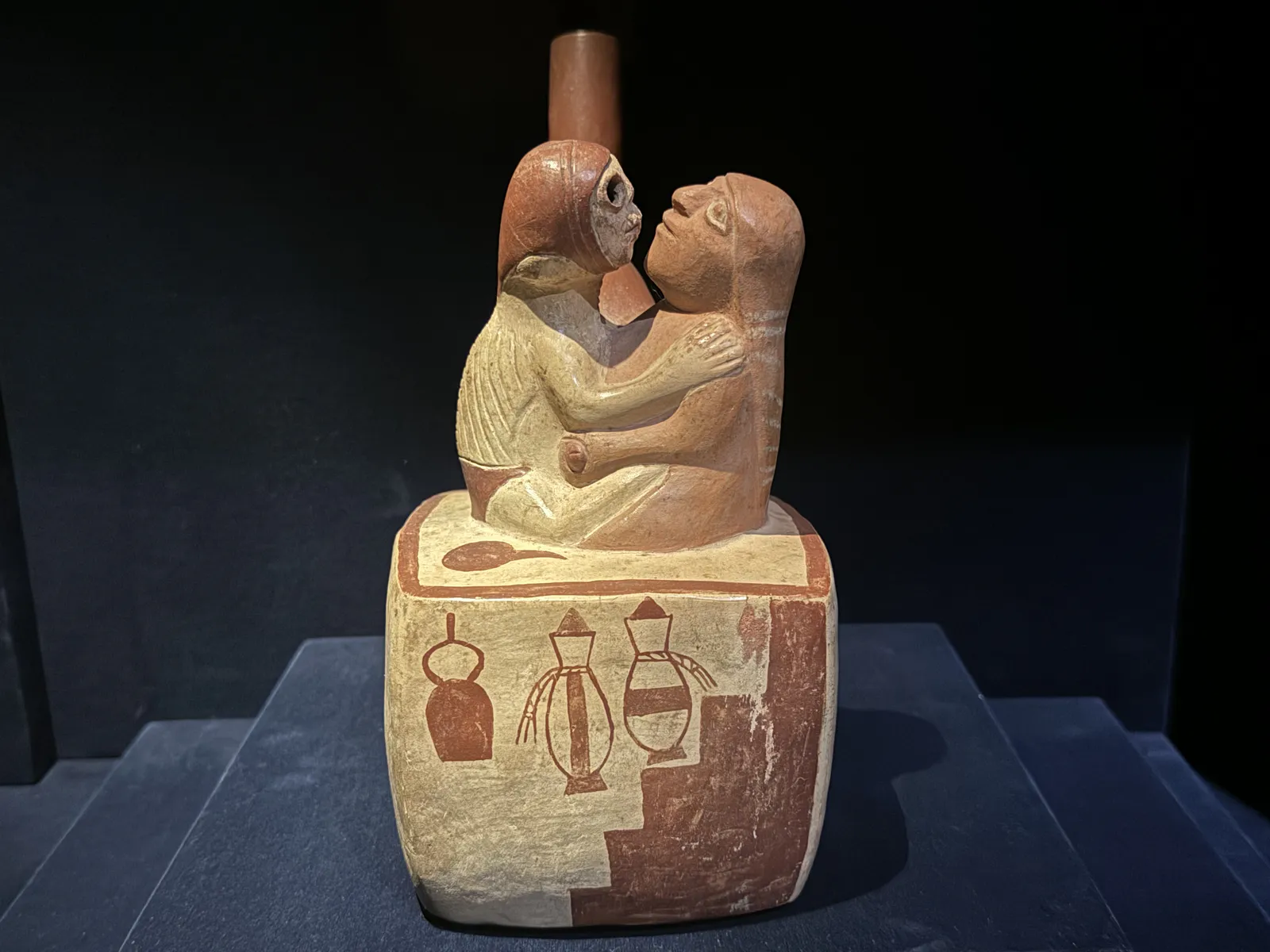
In ancient Peruvian art, sexual activity is shown both among beings of this world and in interactions with the inhabitants of the lower world, the ancestors of the Uku Pacha. In these scenes the goal seems to be to arouse and activate the dead so they emit semen or other fluids, symbolizing the coming of waters needed to fertilize the earth. The woman appears as a receptive body and as a generator of bodily fluids: touched, caressed, kissed, penetrated, pregnant, giving birth, and nourishing, while also actively provoking the emission of semen from her male partners.
The man is portrayed as an emitter and fertiliser, projecting virility, but he also touches, is touched, and can appear as a passive recipient of female actions, especially when shown as a cadaveric inhabitant of the underworld, whose condition does not nullify his sexuality. Rather, the ancestors are those who vitalize the earth from within. Two key ritual activities involving priests and women with traits of the archetypal Pachamama are fellatio and masturbation, sometimes focused on a special bowl, the canchero, whose opening can evoke either the mouth or the vagina. These practices were likely part of ceremonies linked to agricultural fertility.
In ancient Peruvian art, sexual activity is shown both among beings of this world and in interactions with the inhabitants of the lower world, the ancestors of the Uku Pacha. In these scenes the goal seems to be to arouse and activate the dead so they emit semen or other fluids, symbolizing the coming of waters needed to fertilize the earth. The woman appears as a receptive body and as a generator of bodily fluids: touched, caressed, kissed, penetrated, pregnant, giving birth, and nourishing, while also actively provoking the emission of semen from her male partners.
The man is portrayed as an emitter and fertiliser, projecting virility, but he also touches, is touched, and can appear as a passive recipient of female actions, especially when shown as a cadaveric inhabitant of the underworld, whose condition does not nullify his sexuality. Rather, the ancestors are those who vitalize the earth from within. Two key ritual activities involving priests and women with traits of the archetypal Pachamama are fellatio and masturbation, sometimes focused on a special bowl, the canchero, whose opening can evoke either the mouth or the vagina. These practices were likely part of ceremonies linked to agricultural fertility.
Human Sacrifice and Sacred Violence in Ancient Religions
Human Sacrifices in Ancient Religions
Human sacrifice, involving death, bloodshed, and bodily mutilation, was practiced in many ancient cultures. These acts ritually transformed the victim, whose life, offered to the gods, conferred a sacred status (sacrum facere). Among the Moche, ritual combat between warriors selected candidates for sacrifice from the most productive members of society, offering one of their greatest assets in exchange for communal well-being. Similar patterns appear elsewhere: the Aztec “Flower Wars” ended with the sacrifice of defeated warriors, and among the Maya the ball game seems to have culminated in the death of some players.
Peoples such as Celts, Scandinavians, Greeks, Carthaginians, Romans, and various Asian cultures also practiced human sacrifice. In almost all religions, sacrifice is a central act, intended to placate gods, spirits, or cosmic forces; in the modern world, symbolic forms of sacrifice continue in certain religious practices, echoing these older ideas of giving and receiving between humans and the divine.
Human sacrifice, involving death, bloodshed, and bodily mutilation, was practiced in many ancient cultures. These acts ritually transformed the victim, whose life, offered to the gods, conferred a sacred status (sacrum facere). Among the Moche, ritual combat between warriors selected candidates for sacrifice from the most productive members of society, offering one of their greatest assets in exchange for communal well-being. Similar patterns appear elsewhere: the Aztec “Flower Wars” ended with the sacrifice of defeated warriors, and among the Maya the ball game seems to have culminated in the death of some players.
Peoples such as Celts, Scandinavians, Greeks, Carthaginians, Romans, and various Asian cultures also practiced human sacrifice. In almost all religions, sacrifice is a central act, intended to placate gods, spirits, or cosmic forces; in the modern world, symbolic forms of sacrifice continue in certain religious practices, echoing these older ideas of giving and receiving between humans and the divine.
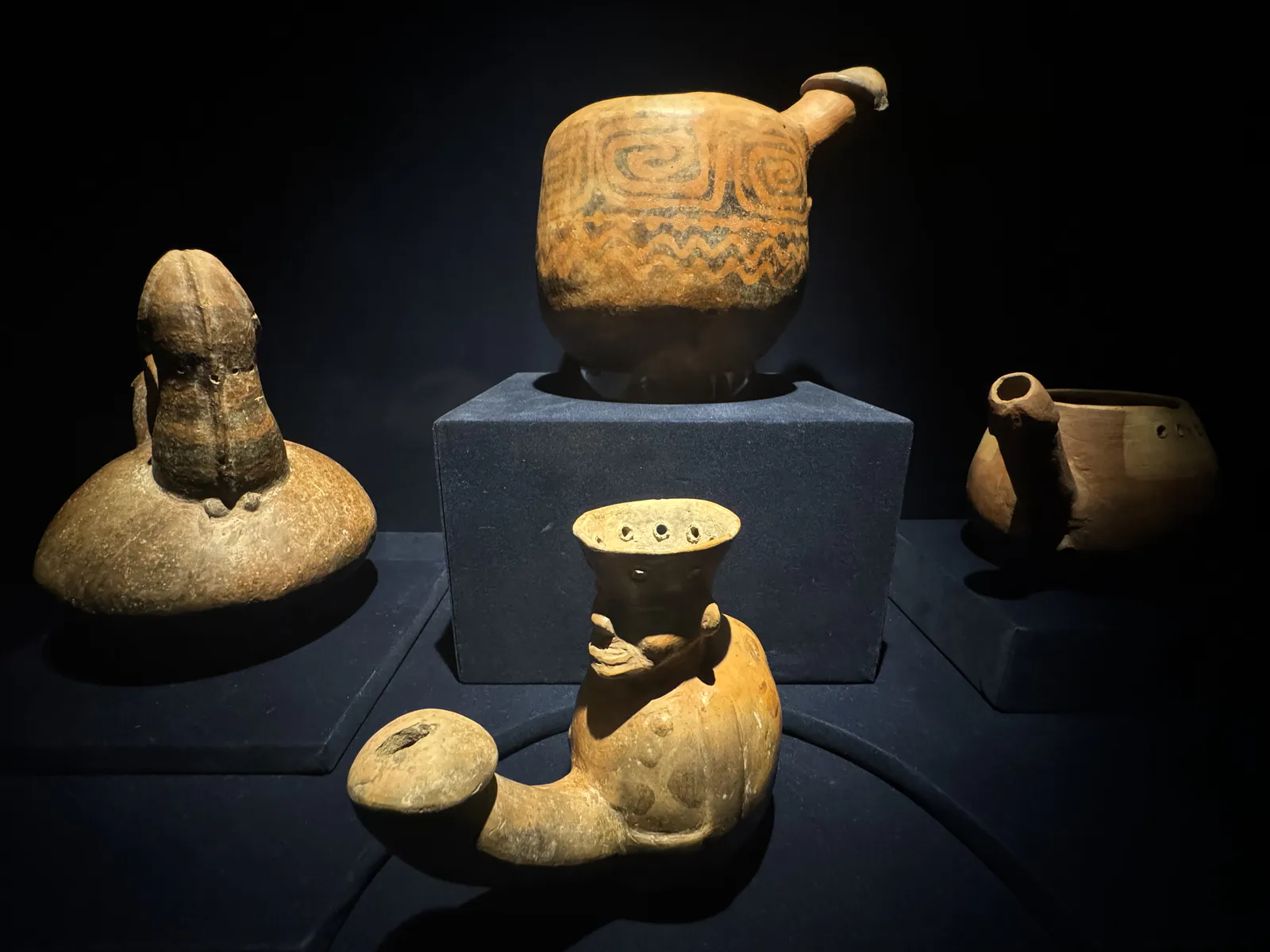
Ceramic Bottles with Phallic Spouts
Moche Erotic Sculpture
Metals and Supernatural Power in Ancient Peru
Metals and Supernatural Power in Ancient Peru
In ancient Peru, the colors and brilliance of gold and silver—linked to the sun and moon, seemingly eternal and intangible—were seen as expressions of supernatural power. Unlike today, when brightness and noise surround us, people then knew only the light of the stars and the sounds of wind, water, and animals. Because of this, both radiance and sound were perceived as otherworldly. Once shiny metals were discovered, governing elites took control of mining and metalworking, and jewelers gained privileged status through their mysterious ability to transform raw elements into enduring, shining, and sonorous objects.
These works adorned the ruling class, who wore them in public ceremonies atop pyramids, appearing to gleam like celestial bodies and to echo the forces of nature, affirming their role as representatives of the gods on Earth. Ordinary people, unable to comprehend how their leaders shone and resounded in this way, were awed and submitted to their authority. For Europeans, precious metals have long carried primarily economic value; to appreciate the creations of ancient Peruvian metalworkers, it is necessary to set aside this economic lens and recognize the spiritual and symbolic meanings these objects held for pre-Hispanic societies.
In ancient Peru, the colors and brilliance of gold and silver—linked to the sun and moon, seemingly eternal and intangible—were seen as expressions of supernatural power. Unlike today, when brightness and noise surround us, people then knew only the light of the stars and the sounds of wind, water, and animals. Because of this, both radiance and sound were perceived as otherworldly. Once shiny metals were discovered, governing elites took control of mining and metalworking, and jewelers gained privileged status through their mysterious ability to transform raw elements into enduring, shining, and sonorous objects.
These works adorned the ruling class, who wore them in public ceremonies atop pyramids, appearing to gleam like celestial bodies and to echo the forces of nature, affirming their role as representatives of the gods on Earth. Ordinary people, unable to comprehend how their leaders shone and resounded in this way, were awed and submitted to their authority. For Europeans, precious metals have long carried primarily economic value; to appreciate the creations of ancient Peruvian metalworkers, it is necessary to set aside this economic lens and recognize the spiritual and symbolic meanings these objects held for pre-Hispanic societies.
Historical Periods of Peru: From Early Settlements to Inca Rule
Historical Periods of Peru
Peruvian history is organized into a sequence of periods linked to regional cultures and major monuments. The Lower Archaic (10,000–6,000 BC) is marked by sites such as Paiján along the coast and Lauricocha in the highlands, with caves and rock shelters like Guitarrero, during the last glacial phase and early human migrations. In the Upper Archaic (6,000–1,000 BC), early agriculture, domestication, and the first villages appear, with Huaca Prieta, Asia, Chilca, Lauricocha, and Kotosh as key centers.
The Early Horizon (1,000–200 BC) includes Cupisnique and Salinar on the north coast, Paracas Cavernas on the central and south coasts, and Chavín in the highlands, with monuments such as Chavín de Huántar and Garagay, paralleling Babylon, Persia, and archaic Greece. The Early Intermediate (200–600 AD) sees Mochica, Gallinazo, Cajamarca, Lima, Nazca, Recuay, and Pucará, with sites like Pampa Grande and Cerro Sechín, alongside imperial Rome and the rise of Christianity. The Middle Horizon (600–1,000 AD) is dominated by Huari and related centers such as Cajamarquilla and Lukurmata, alongside Nazca’s and Mochica’s decline, contemporary with Islam and Byzantine power.
The Late Intermediate (1,000–1476 AD) features Chimú, Lambayeque, Sicán, Chancay, Ichma, Chincha, Chachapoyas, and Aymara kingdoms, with Chan Chan, Pachacamac, and Tambo Colorado, in parallel with Aztecs, late Maya, and medieval Europe. The Inca Horizon (1476–1532 AD) brings Inca dominance from Cusco and Cajamarca, with Machu Picchu, Sacsayhuamán, and Cusco itself. The Conquest (1532–1535 AD) is the brief period of Spanish takeover, followed by Spanish Domination (1535–1821 AD), marked by Spanish foundations and the broader context of geographic discoveries and the European Renaissance.
Peruvian history is organized into a sequence of periods linked to regional cultures and major monuments. The Lower Archaic (10,000–6,000 BC) is marked by sites such as Paiján along the coast and Lauricocha in the highlands, with caves and rock shelters like Guitarrero, during the last glacial phase and early human migrations. In the Upper Archaic (6,000–1,000 BC), early agriculture, domestication, and the first villages appear, with Huaca Prieta, Asia, Chilca, Lauricocha, and Kotosh as key centers.
The Early Horizon (1,000–200 BC) includes Cupisnique and Salinar on the north coast, Paracas Cavernas on the central and south coasts, and Chavín in the highlands, with monuments such as Chavín de Huántar and Garagay, paralleling Babylon, Persia, and archaic Greece. The Early Intermediate (200–600 AD) sees Mochica, Gallinazo, Cajamarca, Lima, Nazca, Recuay, and Pucará, with sites like Pampa Grande and Cerro Sechín, alongside imperial Rome and the rise of Christianity. The Middle Horizon (600–1,000 AD) is dominated by Huari and related centers such as Cajamarquilla and Lukurmata, alongside Nazca’s and Mochica’s decline, contemporary with Islam and Byzantine power.
The Late Intermediate (1,000–1476 AD) features Chimú, Lambayeque, Sicán, Chancay, Ichma, Chincha, Chachapoyas, and Aymara kingdoms, with Chan Chan, Pachacamac, and Tambo Colorado, in parallel with Aztecs, late Maya, and medieval Europe. The Inca Horizon (1476–1532 AD) brings Inca dominance from Cusco and Cajamarca, with Machu Picchu, Sacsayhuamán, and Cusco itself. The Conquest (1532–1535 AD) is the brief period of Spanish takeover, followed by Spanish Domination (1535–1821 AD), marked by Spanish foundations and the broader context of geographic discoveries and the European Renaissance.
Moche Erotic Ritual Funerary Vessel
Human Sacrifice and Ritual Combat in Ancient Religions
Human Sacrifices in Ancient Religions
Human sacrifice was practiced by many ancient cultures. Death, the shedding of blood, and ritual mutilation transformed the victim, whose life offered to the gods acquired a sacred status (sacrum facere). Sacrifice stands at the center of almost all religions, and today symbolic forms of sacrifice still appear in some religious practices.
Among the Moche, ritual combat between warriors seems to have selected candidates for sacrifice from among the most productive members of society; the community offered one of its most valued assets in exchange for collective well-being, in an act of giving and receiving. Similar practices are described in Mesoamerica, where Aztec “Flower Wars” and some Maya ball games ended in ritual sacrifice, and in other regions, including Celtic, Scandinavian, Greek, Carthaginian, Roman, and Eastern traditions.
Human sacrifice was practiced by many ancient cultures. Death, the shedding of blood, and ritual mutilation transformed the victim, whose life offered to the gods acquired a sacred status (sacrum facere). Sacrifice stands at the center of almost all religions, and today symbolic forms of sacrifice still appear in some religious practices.
Among the Moche, ritual combat between warriors seems to have selected candidates for sacrifice from among the most productive members of society; the community offered one of its most valued assets in exchange for collective well-being, in an act of giving and receiving. Similar practices are described in Mesoamerica, where Aztec “Flower Wars” and some Maya ball games ended in ritual sacrifice, and in other regions, including Celtic, Scandinavian, Greek, Carthaginian, Roman, and Eastern traditions.
Sexual Unions, Yanantin, and the Generative Cycle of Life
Sexual Unions and Generative Life
In Andean thought, life on this earth exists through the constant interaction of opposite yet complementary forces. Night gives way to day, the earth receives the fertilizing waters, and the female body receives male semen so that new life can be conceived. The union of man and woman echoes the primordial couple: like Mother Earth, the mother nourishes her child, and the fruits of this union ensure the continuity of the community in the Kay Pacha. These unions express yanantin, a dynamic pair of opposites whose generative encounter, the tinkuy, brings forth new life from within the female body, while parents continue their sexual and parental roles.
The child, fruit of this union, is nourished by the mother’s milk, just as water and earth feed plants so they can grow. Breastfeeding is a powerful act that manifests the feminine capacity to nourish and protect, and has been represented across cultures and times; even divine beings must first be fed by a mother before becoming heroes, gods, or prophets. At the same time, men and women do not only procreate and feed. In ancient Peruvian art, other sexual practices that do not lead to conception were also modeled in detail. Anal sex often appears in scenes linked to the world of the dead, where the inhabitants of the Uku Pacha must be activated to irrigate and fertilize Mother Earth. Some scenes also show men and women in sexual acts with mythical beings and ancestors.
In Andean thought, life on this earth exists through the constant interaction of opposite yet complementary forces. Night gives way to day, the earth receives the fertilizing waters, and the female body receives male semen so that new life can be conceived. The union of man and woman echoes the primordial couple: like Mother Earth, the mother nourishes her child, and the fruits of this union ensure the continuity of the community in the Kay Pacha. These unions express yanantin, a dynamic pair of opposites whose generative encounter, the tinkuy, brings forth new life from within the female body, while parents continue their sexual and parental roles.
The child, fruit of this union, is nourished by the mother’s milk, just as water and earth feed plants so they can grow. Breastfeeding is a powerful act that manifests the feminine capacity to nourish and protect, and has been represented across cultures and times; even divine beings must first be fed by a mother before becoming heroes, gods, or prophets. At the same time, men and women do not only procreate and feed. In ancient Peruvian art, other sexual practices that do not lead to conception were also modeled in detail. Anal sex often appears in scenes linked to the world of the dead, where the inhabitants of the Uku Pacha must be activated to irrigate and fertilize Mother Earth. Some scenes also show men and women in sexual acts with mythical beings and ancestors.
Moche Fertility Ritual
Sexuality, Ancestors, and Fertility in the Andean Underworld
Sexual Activities in the Anderworld
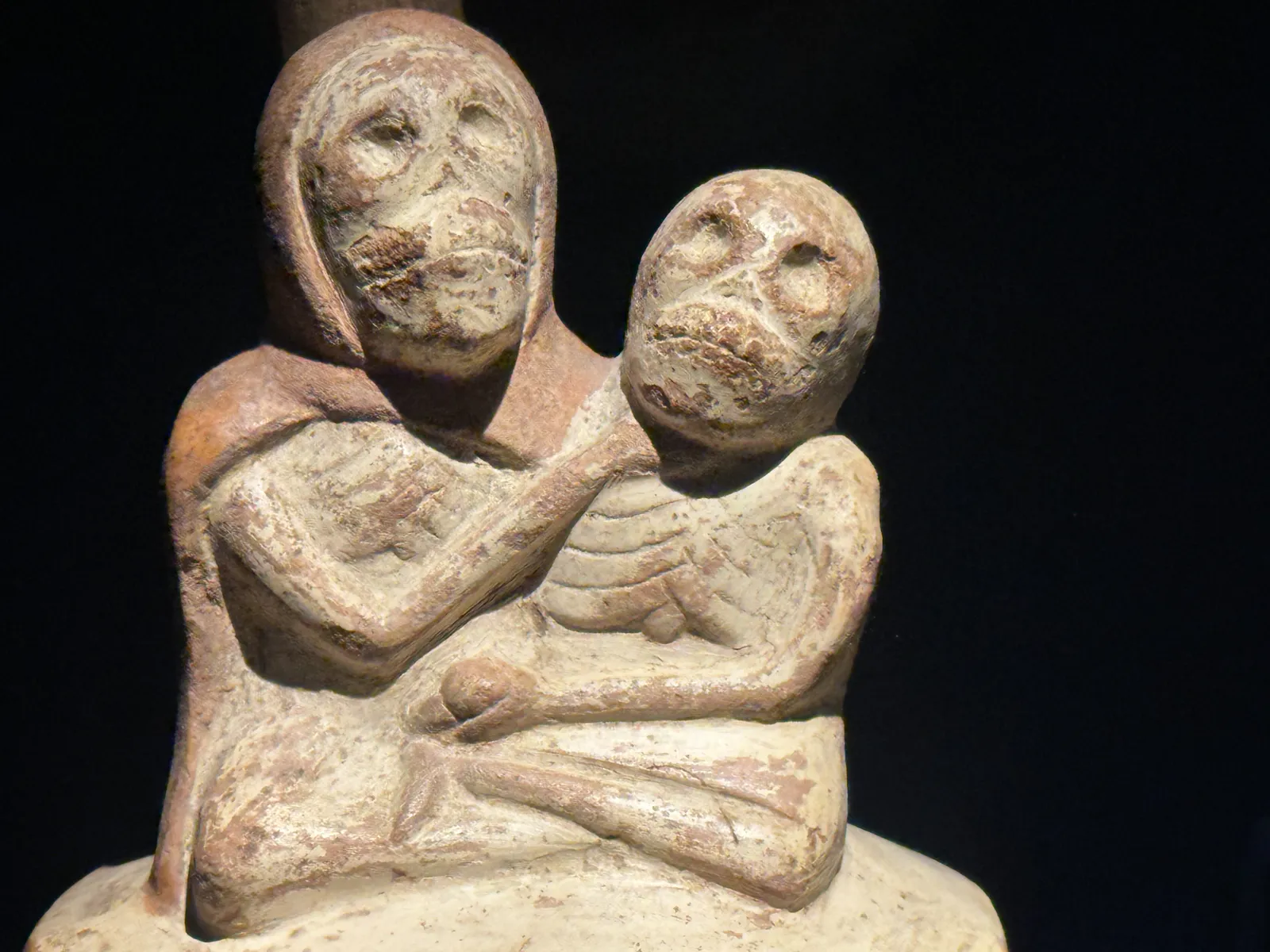
Ancient Peruvian art shows sexual encounters not only among the living but also with underworld ancestors (Uku Pacha). These scenes seek to excite the ancestors so that semen and other fluids, like the coming of water, ensure the earth’s fertility. Women appear as receptive vessels and as generators of fluids—touched, caressed, penetrated, pregnant, giving birth, and nurturing—while men are shown as emitters and fertilizers, but also as passive recipients, especially when depicted as cadaverous beings of the underworld, whose sexuality remains active and vitalizes the earth from within. Rituals of fellatio and masturbation, often involving priests and an archetypal Pachamama figure, use the “canchero” bowl, whose opening may represent a woman’s mouth or vagina, in ceremonies probably tied to agricultural fertility.
Ancient Peruvian art shows sexual encounters not only among the living but also with underworld ancestors (Uku Pacha). These scenes seek to excite the ancestors so that semen and other fluids, like the coming of water, ensure the earth’s fertility. Women appear as receptive vessels and as generators of fluids—touched, caressed, penetrated, pregnant, giving birth, and nurturing—while men are shown as emitters and fertilizers, but also as passive recipients, especially when depicted as cadaverous beings of the underworld, whose sexuality remains active and vitalizes the earth from within. Rituals of fellatio and masturbation, often involving priests and an archetypal Pachamama figure, use the “canchero” bowl, whose opening may represent a woman’s mouth or vagina, in ceremonies probably tied to agricultural fertility.
Sacred Animals and the First Religions of Ancient Peru
The First Religions and Sacred Animals
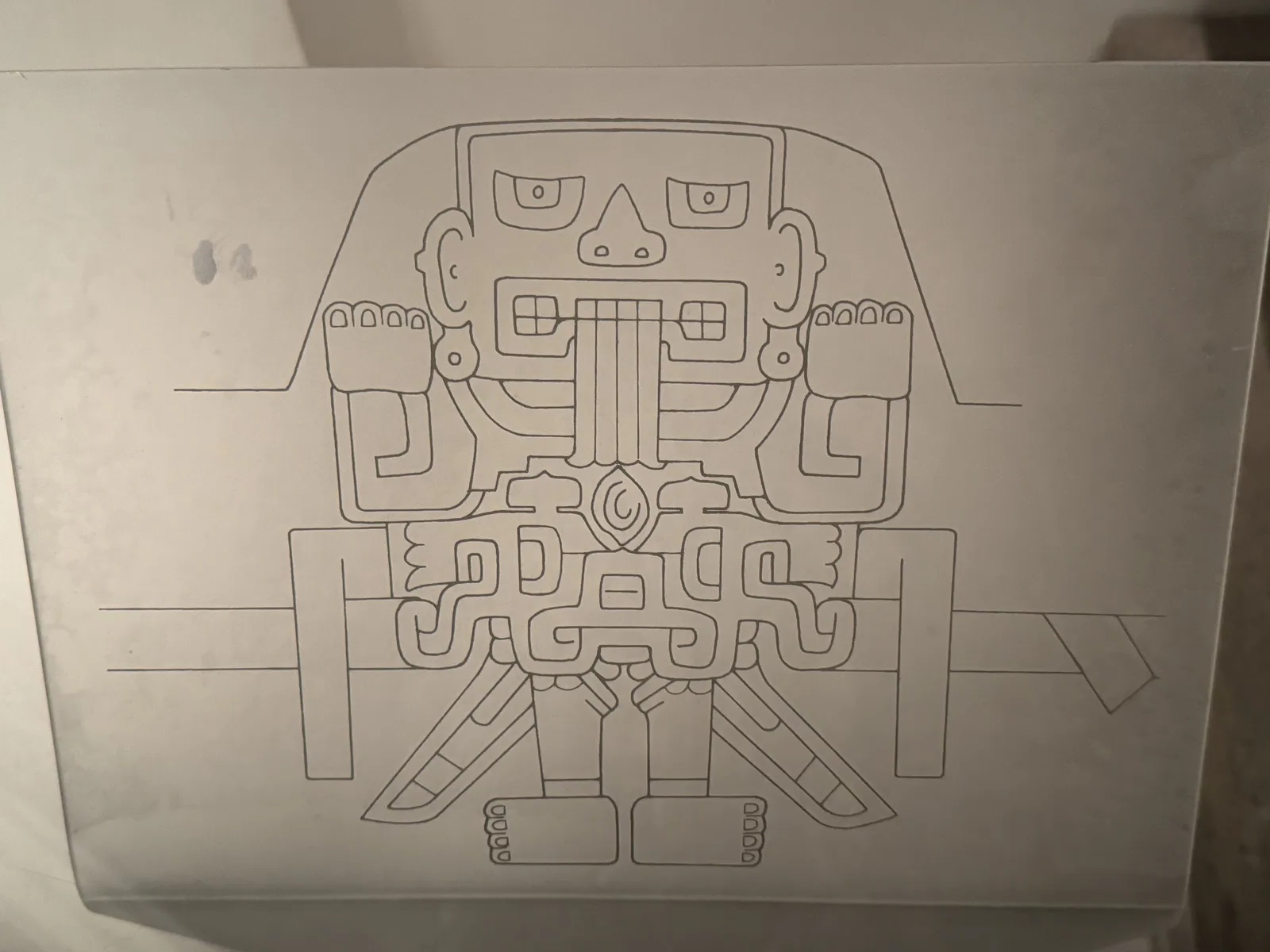
The first sedentary and agricultural societies in ancient Peru depended on making the land productive and ensuring that natural cycles repeated without major disruption. Their survival hinged on favorable climate, timely and sufficient water, fertile soil, and organized labor. The universe was conceived as three interrelated worlds: the sky, where rain came from; the earth, which had to be worked; and the subterranean realm, where fruits of the earth originated and where the dead went. Each world was divine and symbolized by a dominant animal: a bird of prey such as an eagle, owl, or condor for the heavens, a feline such as a jaguar or puma for the earth, and a serpent (or sometimes a spider) for the underworld.
In contrast to today, when value is often tied to what can be purchased, these early societies were closely bound to agriculture and to maintaining harmony with these three realms. Before the arrival of the Spanish, the principal Andean deities bore the features of these sacred animals, expressing a vision of the cosmos in which sky, earth, and underworld were alive, powerful, and constantly interacting.
The first sedentary and agricultural societies in ancient Peru depended on making the land productive and ensuring that natural cycles repeated without major disruption. Their survival hinged on favorable climate, timely and sufficient water, fertile soil, and organized labor. The universe was conceived as three interrelated worlds: the sky, where rain came from; the earth, which had to be worked; and the subterranean realm, where fruits of the earth originated and where the dead went. Each world was divine and symbolized by a dominant animal: a bird of prey such as an eagle, owl, or condor for the heavens, a feline such as a jaguar or puma for the earth, and a serpent (or sometimes a spider) for the underworld.
In contrast to today, when value is often tied to what can be purchased, these early societies were closely bound to agriculture and to maintaining harmony with these three realms. Before the arrival of the Spanish, the principal Andean deities bore the features of these sacred animals, expressing a vision of the cosmos in which sky, earth, and underworld were alive, powerful, and constantly interacting.
Pacopampa Stele Schematic Drawing
Metals of Ancient Peru: Divine Brilliance and Power
The Metals of Ancient Peru
In ancient Peru, the colors of gold and silver—associated with the sun and the moon, their luminous sheen and apparent permanence—made these metals expressions of supernatural power. Today we live surrounded by artificial light and reflective surfaces, but more than two thousand years ago only the stars shone in the sky. Likewise, in a world largely free of mechanical noise, sound and brilliance seemed ethereal and otherworldly.
When shiny metals such as gold and silver were discovered, ruling elites quickly assumed control of mining and metalworking. Goldsmiths occupied privileged positions, working in close contact with political and religious leaders. Through techniques that must have seemed mysterious, they transformed raw elements into dazzling, resonant objects designed to endure.
These creations adorned the bodies of rulers during ceremonies performed atop pyramids. There, leaders glittered like the sun and moon and produced sounds reminiscent of wind or water, reinforcing their divine aura and their status as earthly representatives of the gods. Common people, unable to comprehend how these lords shone and rang with such intensity, were awed and bowed before their power.
For Europeans, precious metals have long been measured primarily by economic value. To appreciate the metalwork of ancient Peru, we must set aside that narrowly monetary view and recognize that, for pre-Hispanic societies, such objects carried profound religious, political, and cosmological significance that far exceeded their material worth.
In ancient Peru, the colors of gold and silver—associated with the sun and the moon, their luminous sheen and apparent permanence—made these metals expressions of supernatural power. Today we live surrounded by artificial light and reflective surfaces, but more than two thousand years ago only the stars shone in the sky. Likewise, in a world largely free of mechanical noise, sound and brilliance seemed ethereal and otherworldly.
When shiny metals such as gold and silver were discovered, ruling elites quickly assumed control of mining and metalworking. Goldsmiths occupied privileged positions, working in close contact with political and religious leaders. Through techniques that must have seemed mysterious, they transformed raw elements into dazzling, resonant objects designed to endure.
These creations adorned the bodies of rulers during ceremonies performed atop pyramids. There, leaders glittered like the sun and moon and produced sounds reminiscent of wind or water, reinforcing their divine aura and their status as earthly representatives of the gods. Common people, unable to comprehend how these lords shone and rang with such intensity, were awed and bowed before their power.
For Europeans, precious metals have long been measured primarily by economic value. To appreciate the metalwork of ancient Peru, we must set aside that narrowly monetary view and recognize that, for pre-Hispanic societies, such objects carried profound religious, political, and cosmological significance that far exceeded their material worth.
The True Value of Gold in Ancient Peru
The True Value of Gold
In ancient Peru, the true value of gold lay in its role as a symbol of royal identity and supernatural power. Much has been written about the quantities of gold taken by the Spanish conquerors, but metallurgical analysis shows that many ceremonial items were made from alloys with relatively low gold content. Highly developed techniques allowed Andean metalworkers to create large, thin sheets and voluminous objects using very little precious metal, often giving copper-based pieces the appearance of pure gold.
This raises a question: what, exactly, did the conquerors seize—and what did the conquered peoples lose? In terms of raw metal, the amount of gold and silver extracted by melting down ceremonial ornaments and elite garments was modest. The great wealth taken by the Spanish came instead from intensive mining, especially of silver later converted into coinage.
Yet the emotional and cultural loss far outweighed the metal recovered. The destruction and removal of sacred emblems and prestige objects meant a profound loss of power and identity for Andean societies. Today, these surviving artifacts are invaluable not for their bullion content but as material evidence of how ancient Peruvians understood the world. They are essential components of our cultural memory and key to recovering the worldview of the societies that created them.
In ancient Peru, the true value of gold lay in its role as a symbol of royal identity and supernatural power. Much has been written about the quantities of gold taken by the Spanish conquerors, but metallurgical analysis shows that many ceremonial items were made from alloys with relatively low gold content. Highly developed techniques allowed Andean metalworkers to create large, thin sheets and voluminous objects using very little precious metal, often giving copper-based pieces the appearance of pure gold.
This raises a question: what, exactly, did the conquerors seize—and what did the conquered peoples lose? In terms of raw metal, the amount of gold and silver extracted by melting down ceremonial ornaments and elite garments was modest. The great wealth taken by the Spanish came instead from intensive mining, especially of silver later converted into coinage.
Yet the emotional and cultural loss far outweighed the metal recovered. The destruction and removal of sacred emblems and prestige objects meant a profound loss of power and identity for Andean societies. Today, these surviving artifacts are invaluable not for their bullion content but as material evidence of how ancient Peruvians understood the world. They are essential components of our cultural memory and key to recovering the worldview of the societies that created them.
The First Religions of Ancient Peru and Their Sacred Realms
The First Religions of Ancient Peru
Ancient Peruvian agricultural societies depended on making the land productive and keeping natural cycles stable: favorable climate, rain arriving in time and in sufficient quantity, fertile soil, and organized human labor. They imagined the universe as three divine realms: the sky, source of rain; the earth, which had to be worked; and the subterranean world, where crops emerged and the dead went.
Each realm was symbolized by a dominant animal: birds of prey such as eagles, owls, or condors for the heavens; felines such as jaguars or pumas for the earth; and serpents (or spiders) for the underworld. Before the Spanish arrived, the principal Andean deities bore the features of these animals, expressing the sacred character of sky, land, and subterranean world.
Ancient Peruvian agricultural societies depended on making the land productive and keeping natural cycles stable: favorable climate, rain arriving in time and in sufficient quantity, fertile soil, and organized human labor. They imagined the universe as three divine realms: the sky, source of rain; the earth, which had to be worked; and the subterranean world, where crops emerged and the dead went.
Each realm was symbolized by a dominant animal: birds of prey such as eagles, owls, or condors for the heavens; felines such as jaguars or pumas for the earth; and serpents (or spiders) for the underworld. Before the Spanish arrived, the principal Andean deities bore the features of these animals, expressing the sacred character of sky, land, and subterranean world.
Moche Ritual Combat and Sacrifice for Cosmic Balance
Moche Ritual Combat and Sacrifice
In many religions, collective rites sought to secure cosmic order and favorable changes in nature. As an agricultural society, the Moche worshiped natural forces and saw human sacrifice as essential to maintaining balance and preventing disasters such as those linked to El Niño. Their ceramics reveal a major ceremonial sequence that began with ritual combat and ended with the sacrifice of the defeated.
Finely adorned warriors fought hand to hand, aiming to remove the opponent’s headdress rather than kill him, since the goal was to obtain victims. The vanquished were stripped, bound, and led in procession to the temple, where priests and priestesses prepared them for sacrifice. At least one captive was bled to death, his blood offered to the principal deities to appease and please them.
In many religions, collective rites sought to secure cosmic order and favorable changes in nature. As an agricultural society, the Moche worshiped natural forces and saw human sacrifice as essential to maintaining balance and preventing disasters such as those linked to El Niño. Their ceramics reveal a major ceremonial sequence that began with ritual combat and ended with the sacrifice of the defeated.
Finely adorned warriors fought hand to hand, aiming to remove the opponent’s headdress rather than kill him, since the goal was to obtain victims. The vanquished were stripped, bound, and led in procession to the temple, where priests and priestesses prepared them for sacrifice. At least one captive was bled to death, his blood offered to the principal deities to appease and please them.
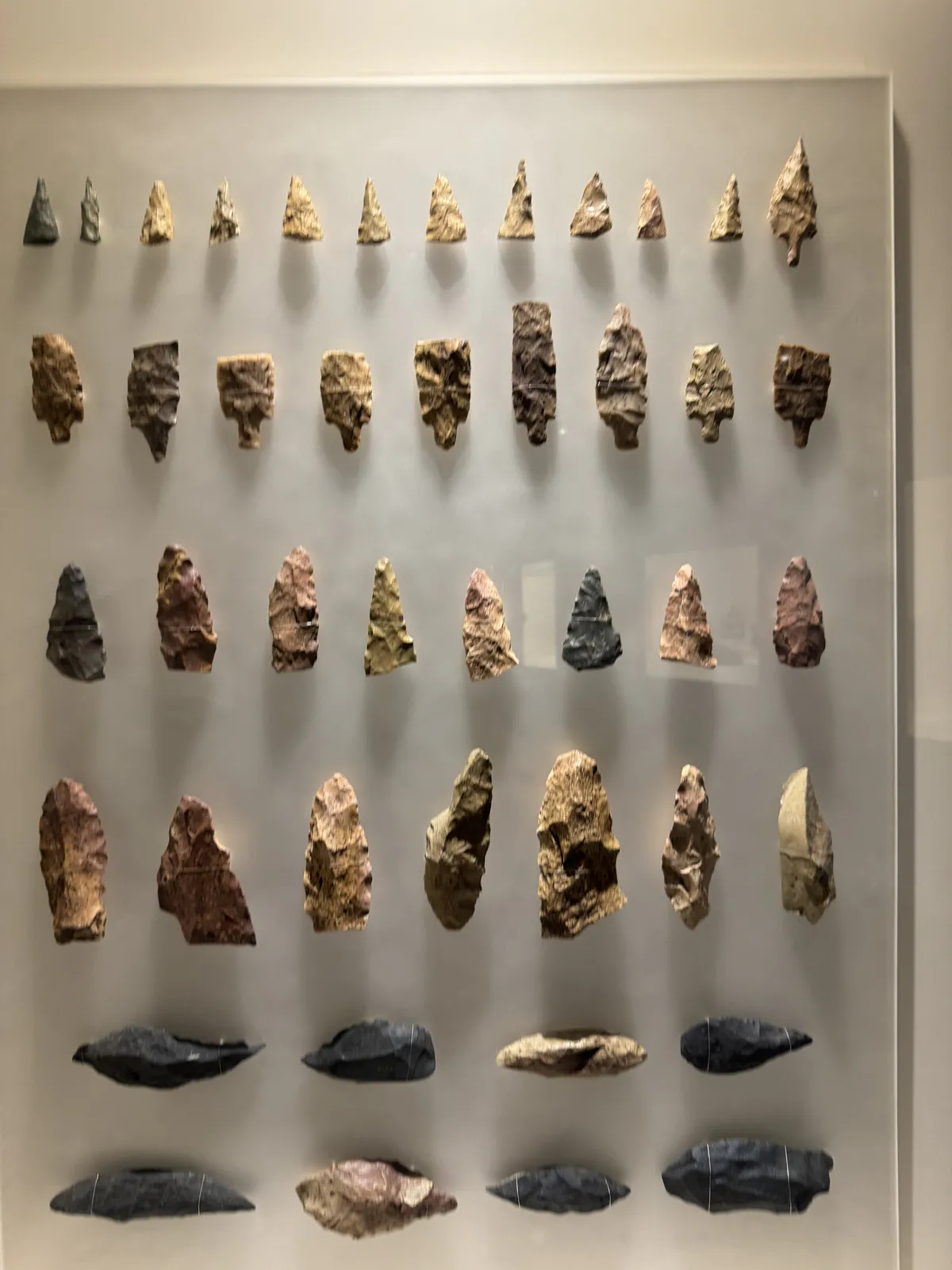
Stone Points from Preceramic Peru
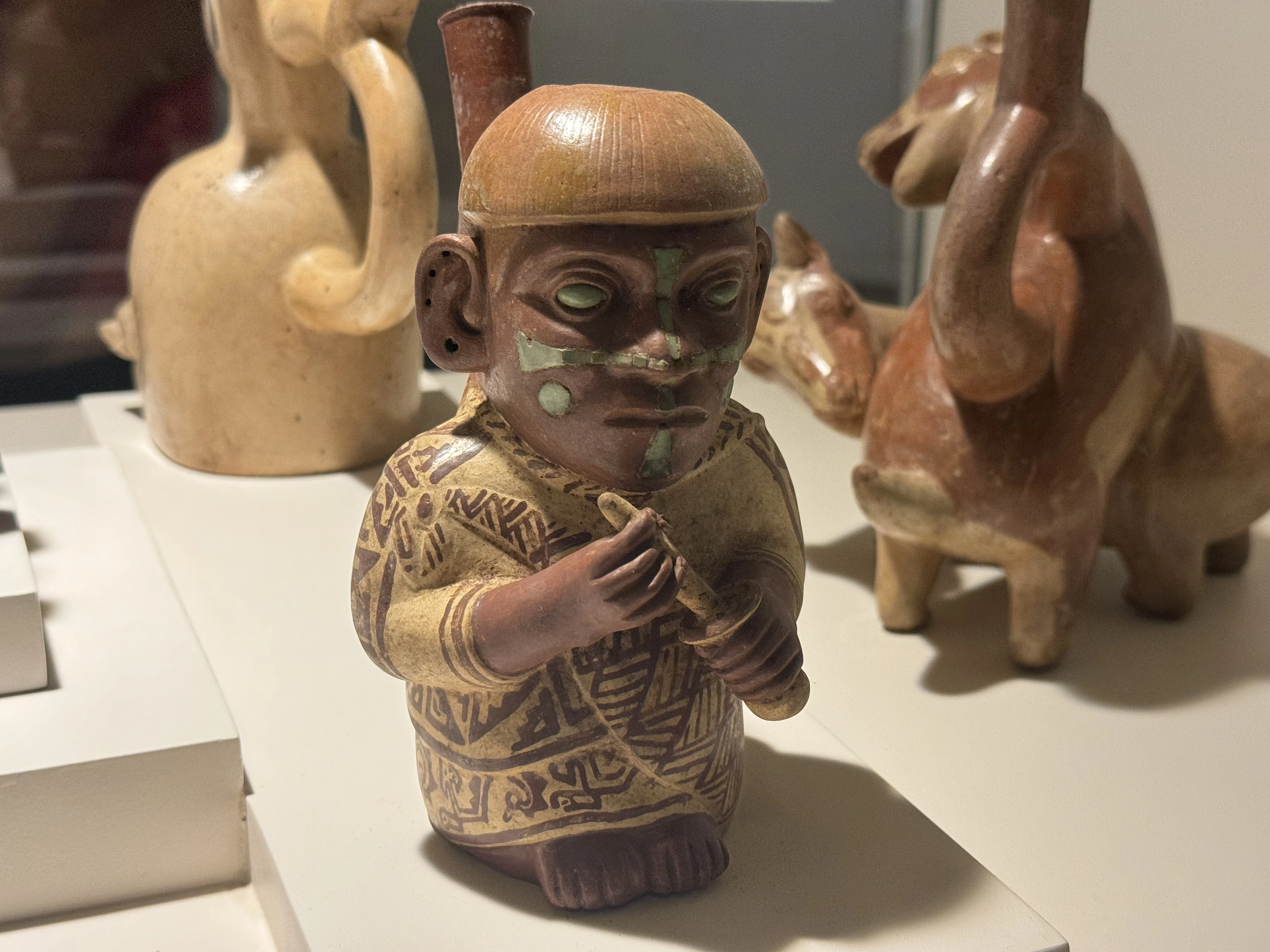
Moche Flutist
From Archaic Beginnings to Empire: Historical Periods of Peru
Historical Periods of Peru
This chronological scheme outlines Peruvian history from the Lower Archaic (10,000–6,000 BCE), with sites such as Paiján, Lauricocha, and Guitarrero, through the Upper Archaic (6,000–1,000 BCE), marked by early agriculture and village life at Huaca Prieta, Asia, Chilca, Lauricocha, and Kotosh. The Early Horizon (1,000–200 BCE) centers on Chavín and Paracas traditions and monuments like Chavín de Huántar and Garagay, while the Early Intermediate (200–600) includes Mochica, Gallinazo, Cajamarca, Lima, Nazca, Recuay, and Pucará. In the Middle Horizon (600–1,000), Huari and Tiahuanaco dominate, with sites such as Huari, Cajamarquilla, and Lukurmata.
The Late Intermediate (1,000–1,476) features Chimú, Lambayeque, Sicán, Chancay, Ichma, Chincha, Chachapoyas, and Aymara kingdoms, with major centers like Chan Chan, Pachacamac, and Tambo Colorado. The Inca Horizon (1,476–1,532) unites much of the Andes from Cusco and Cajamarca, with monuments such as Machu Picchu and Sacsayhuamán. The sequence ends with the Conquest (1,532–1,535) and Spanish domination (1,535–1,821), linked to world processes from the last glacial period and early agriculture to ancient Mesopotamia and Persia, imperial Rome and Christianity, Islam and Byzantium, Mesoamerican civilizations, the European Middle Ages, the Renaissance, and great geographic discoveries.
This chronological scheme outlines Peruvian history from the Lower Archaic (10,000–6,000 BCE), with sites such as Paiján, Lauricocha, and Guitarrero, through the Upper Archaic (6,000–1,000 BCE), marked by early agriculture and village life at Huaca Prieta, Asia, Chilca, Lauricocha, and Kotosh. The Early Horizon (1,000–200 BCE) centers on Chavín and Paracas traditions and monuments like Chavín de Huántar and Garagay, while the Early Intermediate (200–600) includes Mochica, Gallinazo, Cajamarca, Lima, Nazca, Recuay, and Pucará. In the Middle Horizon (600–1,000), Huari and Tiahuanaco dominate, with sites such as Huari, Cajamarquilla, and Lukurmata.
The Late Intermediate (1,000–1,476) features Chimú, Lambayeque, Sicán, Chancay, Ichma, Chincha, Chachapoyas, and Aymara kingdoms, with major centers like Chan Chan, Pachacamac, and Tambo Colorado. The Inca Horizon (1,476–1,532) unites much of the Andes from Cusco and Cajamarca, with monuments such as Machu Picchu and Sacsayhuamán. The sequence ends with the Conquest (1,532–1,535) and Spanish domination (1,535–1,821), linked to world processes from the last glacial period and early agriculture to ancient Mesopotamia and Persia, imperial Rome and Christianity, Islam and Byzantium, Mesoamerican civilizations, the European Middle Ages, the Renaissance, and great geographic discoveries.
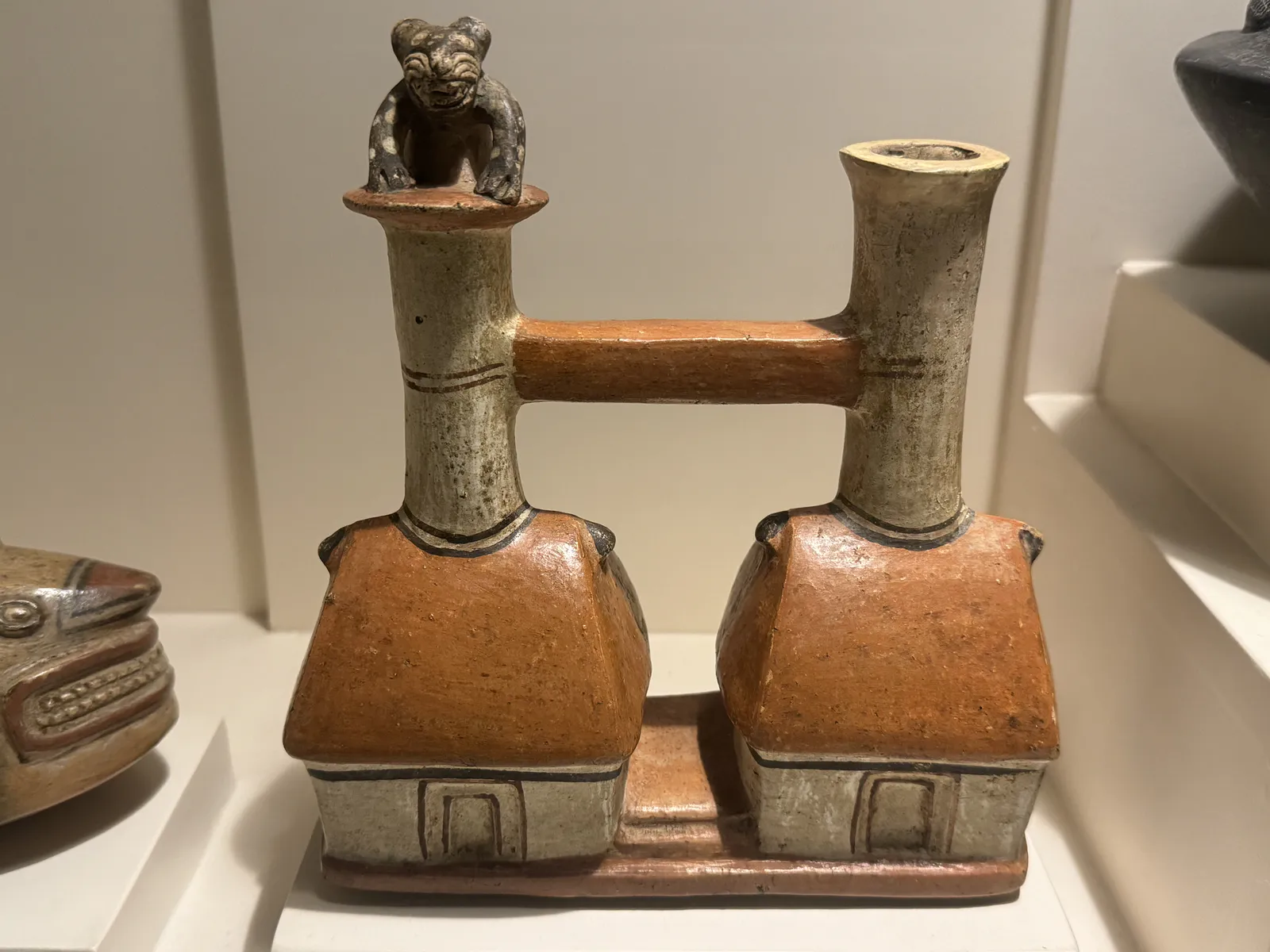
Chimú-Inca Ceramic Vessel with Monkey Figure
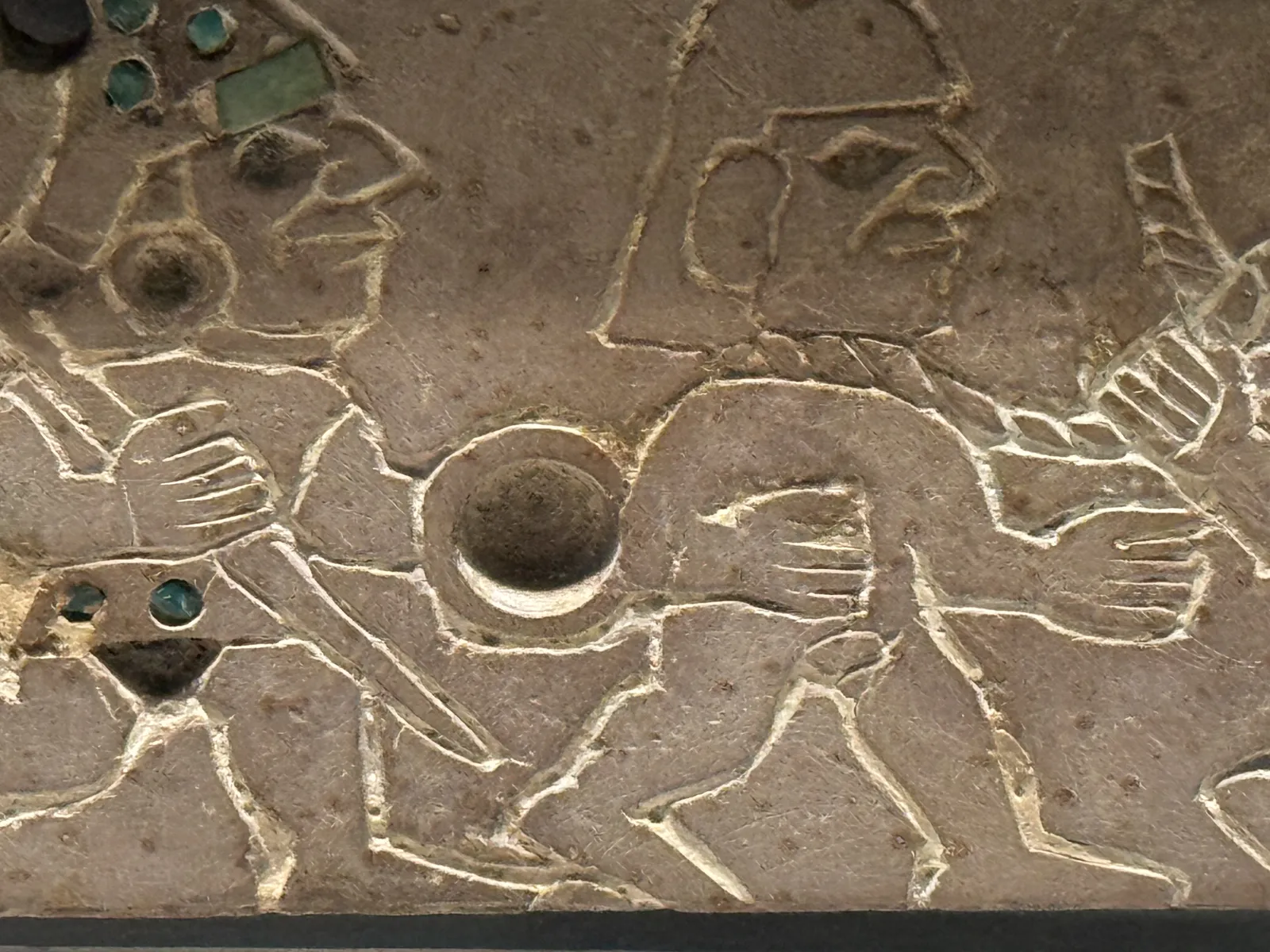
Moche Ritual Combat Stone Box
Sexual Unions and the Circulation of Life in Andean Cosmology
Life-Generating Sexual Unions in Andean Cosmology
According to Andean thought, life on this earth exists through the continual interaction of opposing yet complementary forces. Night yields to day, earth receives the fertilizing waters, and the female body accepts male seed so that new life can form. These creative unions occur among humans and other animals alike, ensuring the continuity of existence in the Kay Pacha, the living world.
One key expression of this principle is the union of man and woman, understood as complementary opposites following the pattern of a primordial couple. As with the nourishing earth, the mother feeds and protects her children so that they grow and in turn bear fruit, securing the community’s future. This dynamic is framed by concepts such as yanantin, the relational pair of opposites that require one another, and tinkuy, the generative encounter from which new life emerges.
The child born of this union is sustained by the mother’s milk, just as plants depend on water and soil. Breastfeeding is seen as a powerful act that manifests the female capacity to nourish and protect, and has been depicted across cultures and eras. Even divine beings in Andean narratives are shown as infants who must be cared for before becoming heroes, gods, or prophets.
Ancient Peruvian art also portrays other forms of sexual activity that do not lead directly to procreation, situating them within a broader sacred landscape. Some scenes associate non-procreative acts with the world of the dead and the Uku Pacha, the inner or underworld, where dormant forces are activated to irrigate and fertilize the earth. Other images show humans engaging with mythical beings or ancestors. Together, these representations emphasize that sexuality was understood not merely as a private act, but as a vital part of cosmic balance, renewal, and the circulation of life between different realms.
According to Andean thought, life on this earth exists through the continual interaction of opposing yet complementary forces. Night yields to day, earth receives the fertilizing waters, and the female body accepts male seed so that new life can form. These creative unions occur among humans and other animals alike, ensuring the continuity of existence in the Kay Pacha, the living world.
One key expression of this principle is the union of man and woman, understood as complementary opposites following the pattern of a primordial couple. As with the nourishing earth, the mother feeds and protects her children so that they grow and in turn bear fruit, securing the community’s future. This dynamic is framed by concepts such as yanantin, the relational pair of opposites that require one another, and tinkuy, the generative encounter from which new life emerges.
The child born of this union is sustained by the mother’s milk, just as plants depend on water and soil. Breastfeeding is seen as a powerful act that manifests the female capacity to nourish and protect, and has been depicted across cultures and eras. Even divine beings in Andean narratives are shown as infants who must be cared for before becoming heroes, gods, or prophets.
Ancient Peruvian art also portrays other forms of sexual activity that do not lead directly to procreation, situating them within a broader sacred landscape. Some scenes associate non-procreative acts with the world of the dead and the Uku Pacha, the inner or underworld, where dormant forces are activated to irrigate and fertilize the earth. Other images show humans engaging with mythical beings or ancestors. Together, these representations emphasize that sexuality was understood not merely as a private act, but as a vital part of cosmic balance, renewal, and the circulation of life between different realms.
Moche Ritual Combat, Captive Warriors, and Sacrifice
Moche Ritual Combat and Sacrifice
As an agricultural society, the Moche—like other pre-Columbian cultures—worshipped the forces of nature and saw human sacrifice as necessary to preserve cosmic order and avert disasters such as those linked to the El Niño phenomenon. Images in their art reveal a ceremonial sequence that began with ritual combat and culminated in the sacrifice of defeated warriors. Finely adorned fighters faced each other in hand-to-hand combat where the goal was to remove an opponent’s headdress rather than kill him, selecting captives for sacrifice rather than for ordinary warfare.
The vanquished, portrayed as strong and sexually potent, were stripped, bound, and led in procession to the sacrificial place, where priests and priestesses prepared them. Methods varied, but at least one victim was bled to death, and his blood offered to the principal deities to please and placate them. Through this act, society surrendered some of its most valued members in exchange for the continued well-being of the community and the stability of the natural world.
As an agricultural society, the Moche—like other pre-Columbian cultures—worshipped the forces of nature and saw human sacrifice as necessary to preserve cosmic order and avert disasters such as those linked to the El Niño phenomenon. Images in their art reveal a ceremonial sequence that began with ritual combat and culminated in the sacrifice of defeated warriors. Finely adorned fighters faced each other in hand-to-hand combat where the goal was to remove an opponent’s headdress rather than kill him, selecting captives for sacrifice rather than for ordinary warfare.
The vanquished, portrayed as strong and sexually potent, were stripped, bound, and led in procession to the sacrificial place, where priests and priestesses prepared them. Methods varied, but at least one victim was bled to death, and his blood offered to the principal deities to please and placate them. Through this act, society surrendered some of its most valued members in exchange for the continued well-being of the community and the stability of the natural world.
The Real Value of Gold in Ancient Peru
The Real Value of Gold
In ancient Peru, the true value of gold lay in its role as a symbol of royal identity and supernatural power. Although chronicles emphasize the vast amount of gold taken by the Spanish, most metal objects were made from alloys with minimal gold content, and advanced techniques allowed large, thin sheets to be produced from very little metal. Andean goldsmiths developed ways to give copper-based objects the appearance of solid gold. Thus, much of what was melted down contained only small quantities of precious metal; the great volumes of silver and some gold that enriched the conquerors came mainly from mining, not from ceremonial artifacts.
There is no real proportion between the small amount of metal recovered by melting elite and ritual objects and the profound loss felt by the conquered societies. What was truly taken was not just metal, but the religious emblems and prestige symbols that embodied Andean power and identity. Today, these surviving works are valued as material evidence of how ancient Peruvian societies understood the world and as an essential part of our cultural memory.
In ancient Peru, the true value of gold lay in its role as a symbol of royal identity and supernatural power. Although chronicles emphasize the vast amount of gold taken by the Spanish, most metal objects were made from alloys with minimal gold content, and advanced techniques allowed large, thin sheets to be produced from very little metal. Andean goldsmiths developed ways to give copper-based objects the appearance of solid gold. Thus, much of what was melted down contained only small quantities of precious metal; the great volumes of silver and some gold that enriched the conquerors came mainly from mining, not from ceremonial artifacts.
There is no real proportion between the small amount of metal recovered by melting elite and ritual objects and the profound loss felt by the conquered societies. What was truly taken was not just metal, but the religious emblems and prestige symbols that embodied Andean power and identity. Today, these surviving works are valued as material evidence of how ancient Peruvian societies understood the world and as an essential part of our cultural memory.
Museo Larco
Museo Larco in Lima offers a vivid journey through thousands of years of pre-Columbian history, from early agricultural settlements to the Inca Empire and the Spanish conquest. Housed in an 18th‑century mansion, its galleries explore how ancient Andean societies understood the cosmos, honored sacred animals, and organized their world across sky, earth, and underworld. Clear timelines and thematic rooms guide visitors through the rise and transformation of cultures along Peru’s coast and highlands.
The museum is especially renowned for its metalwork and ceramics. Gold and silver ornaments, once reserved for rulers and priests, illuminate beliefs about power, divinity, and identity, while finely modeled vessels depict scenes of daily life, ritual combat, sacrifice, and fertility. Together, these collections show how sound, brilliance, sexuality, and agricultural abundance were woven into religion and politics, offering both an aesthetic experience and insight into Peru’s enduring cultural memory.
The museum is especially renowned for its metalwork and ceramics. Gold and silver ornaments, once reserved for rulers and priests, illuminate beliefs about power, divinity, and identity, while finely modeled vessels depict scenes of daily life, ritual combat, sacrifice, and fertility. Together, these collections show how sound, brilliance, sexuality, and agricultural abundance were woven into religion and politics, offering both an aesthetic experience and insight into Peru’s enduring cultural memory.
Popular categories
Advertising space