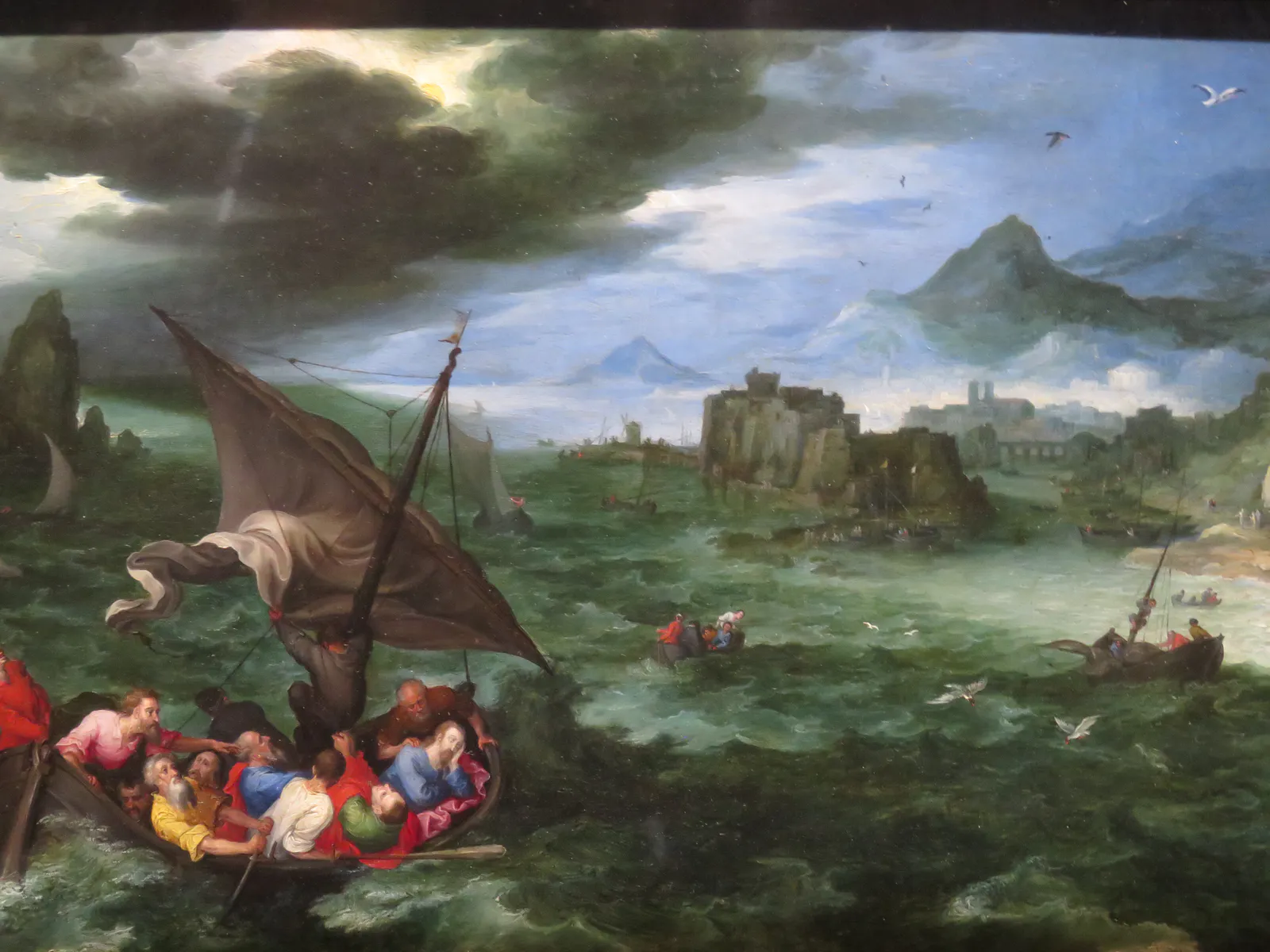
Christ in the Storm on the Sea of Galilee
Jan Brueghel
This oil on copper (1596) shows Christ asleep during a storm as an apostle wakes him amid violent waves on the Sea of Galilee. The heeling boat and twisted sail convey imminent peril, while the darkened sky dramatizes the disciples’ fear. Brueghel’s vivid rendering turns natural turbulence into a meditation on faith and divine control.
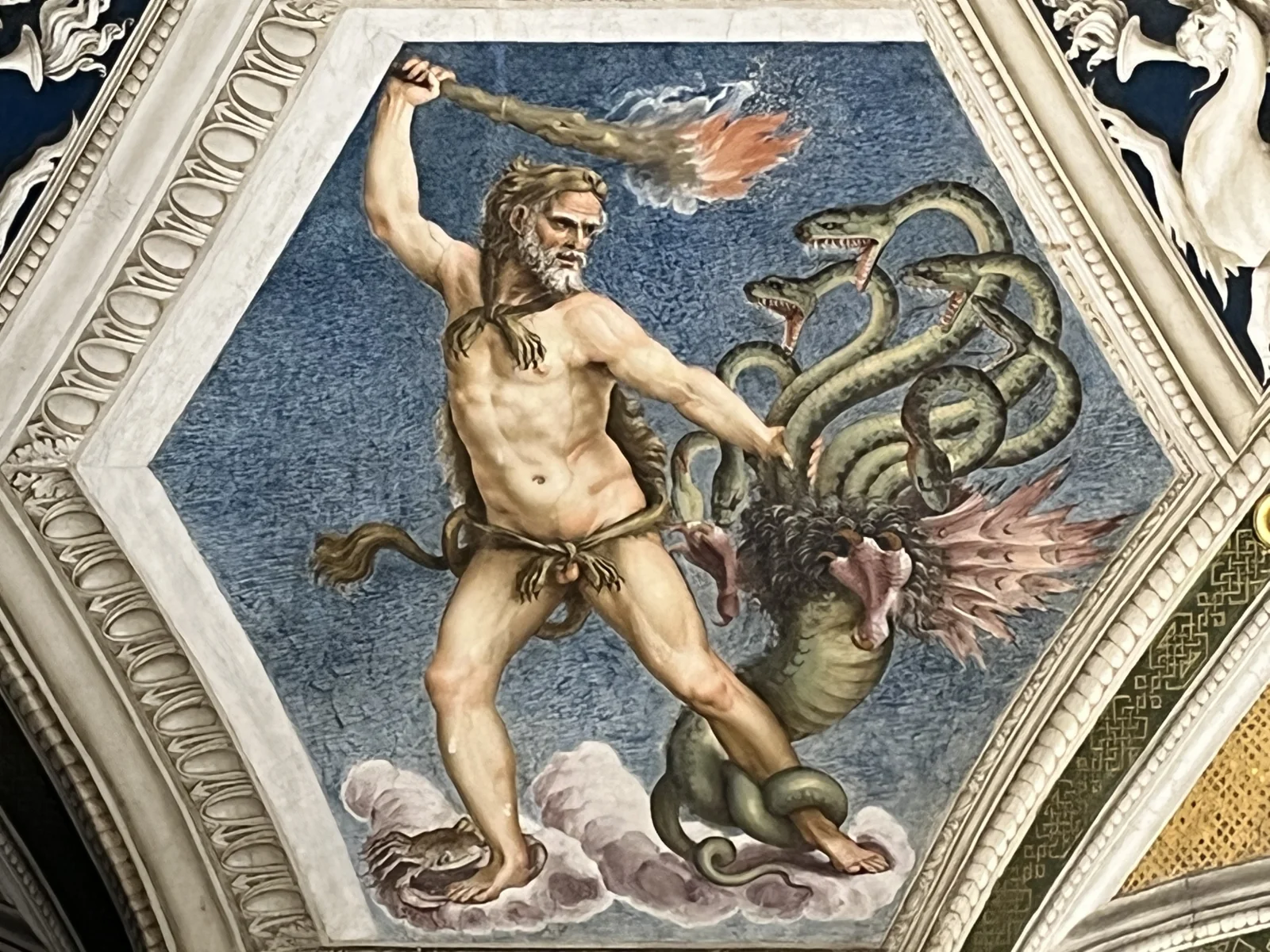
Hercules and the Hydra
Baldassarre Peruzzi
This ceiling fresco (c. 1510) in the Hall of the Perspectives shows Hercules battling the multi-headed Hydra. The creature symbolizes the zodiac sign Cancer, aligning with the room’s astrological theme. Peruzzi demonstrates heroic virtue triumphing over chaos and earthly temptation, reflecting Renaissance ideals of order and moral strength.
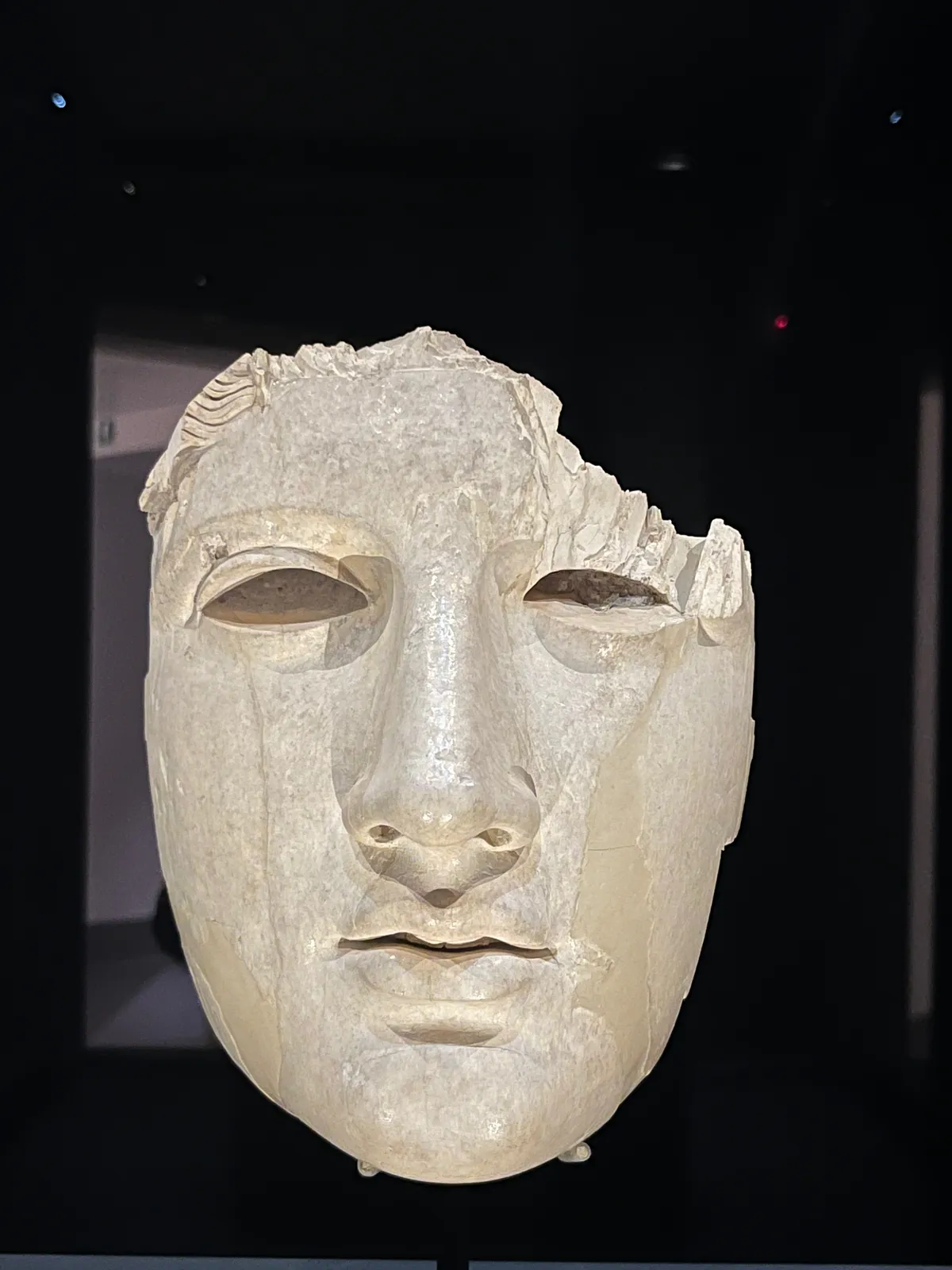
Apollo
Phidias
This ivory mask (5th c. BC) represents Apollo-Greek god of light, music, and prophecy-and once belonged to a chryselephantine statue (a prestigious cult image of ivory and gold). Attributed to Phidias, the master sculptor of classical Greece, it is an exceptionally rare survival of this luxury art form. Looted in 1995 and recovered in 2003, it now serves as both a rare survival of luxury cult sculpture and a reminder of ongoing threats to archaeological heritage.
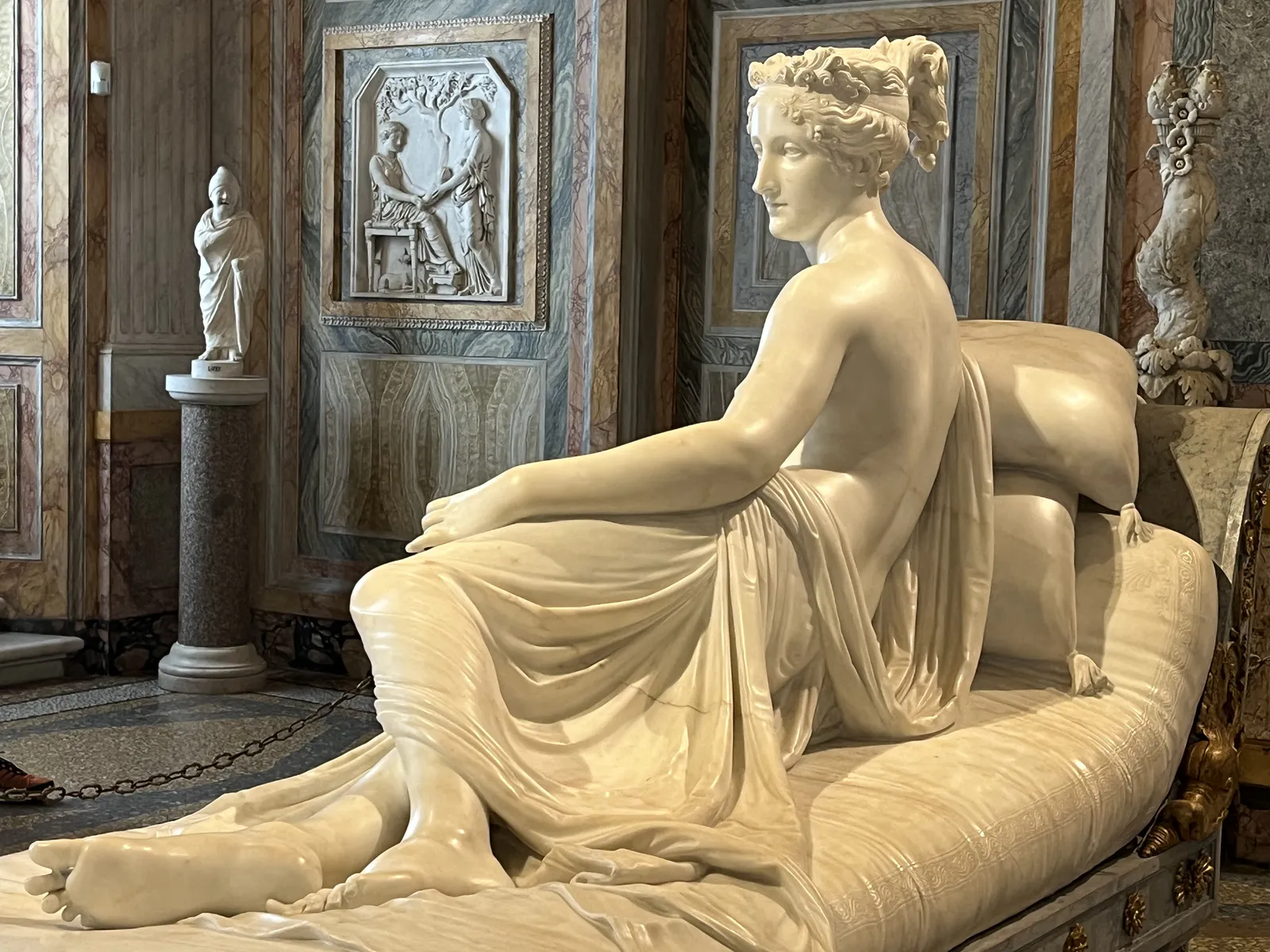
Pauline Bonaparte as Venus Victrix
Antonio Canova
Antonio Canova's marble masterpiece (1805–08) depicts Pauline Bonaparte as Venus Victrix, reclining semi-nude on a couch, holding an apple symbolizing Venus's triumph in the Judgement of Paris. Commissioned by her husband, Camillo Borghese, Pauline insisted on being portrayed as Venus rather than Diana. The sculpture, originally designed to rotate, reflects both personal ambition and classical beauty.
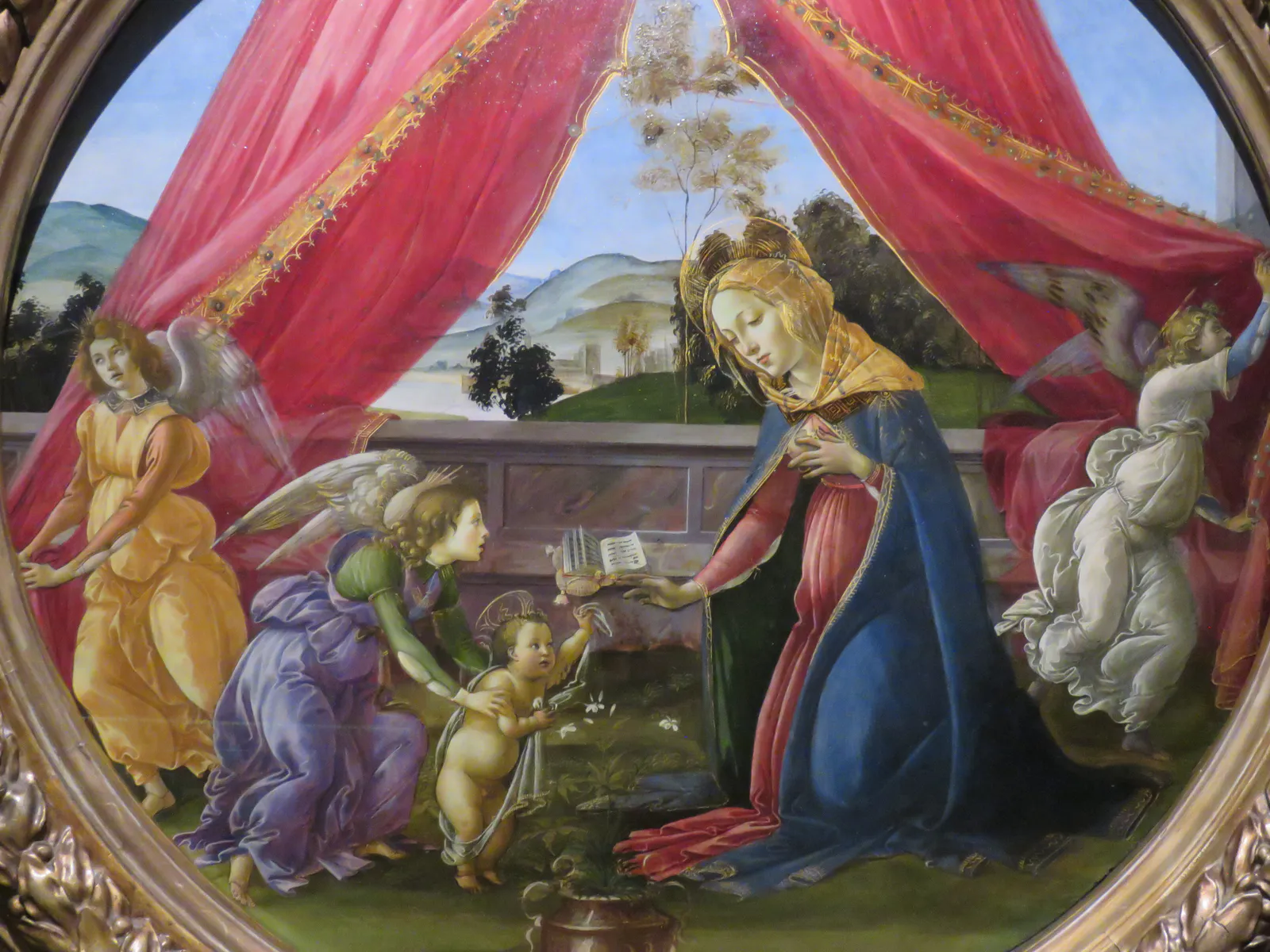
Madonna del Padiglione
Sandro Botticelli
This tempera painting (c. 1493) shows the Virgin Mary adoring the Christ Child beneath a luxurious red canopy, assisted by angels. Botticelli fuses spiritual intimacy with courtly elegance. The open book and flowering symbols evoke divine wisdom and purity, while the tent references the tabernacle—God’s dwelling among humanity.
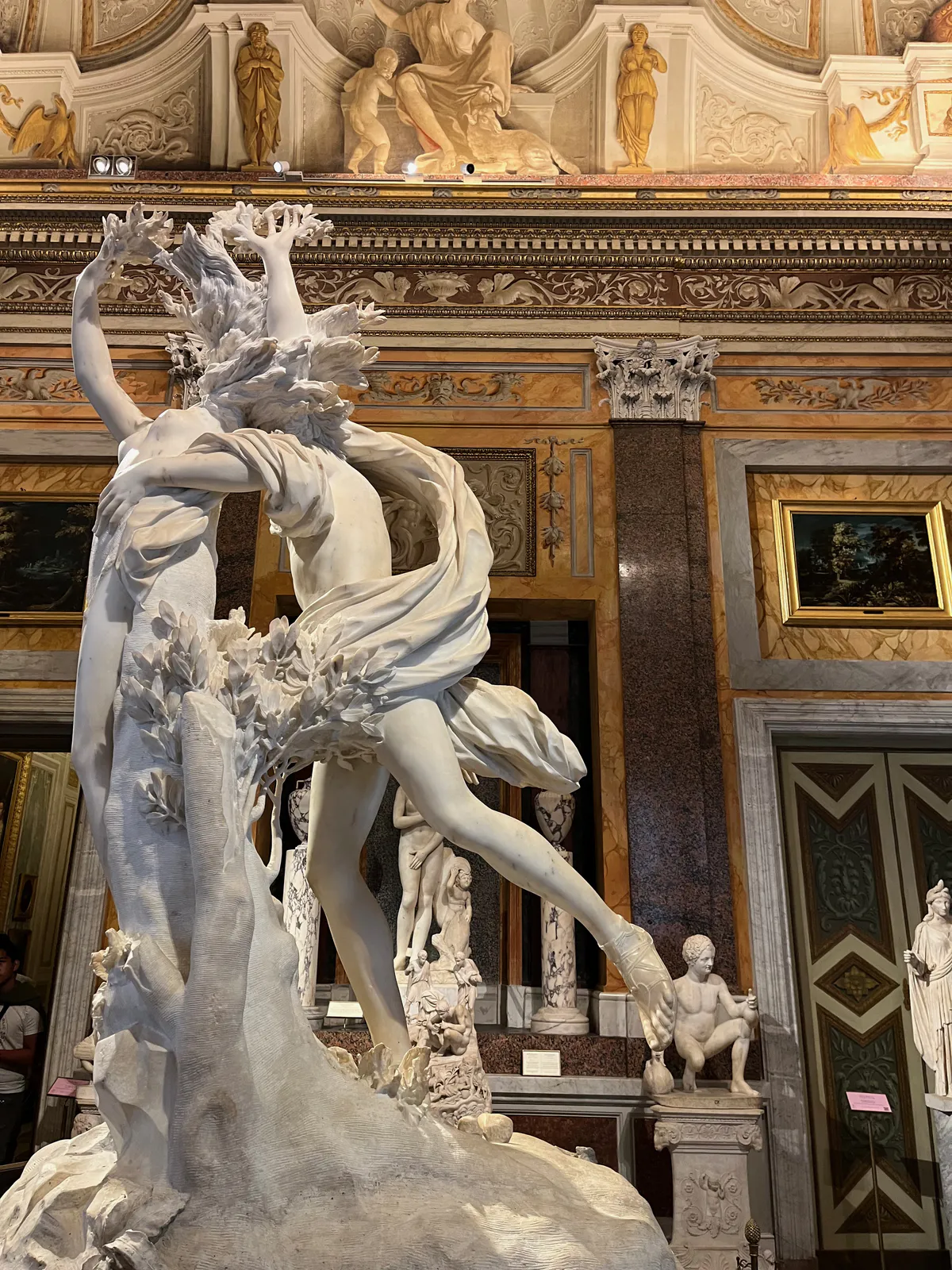
Apollo and Daphne
Bernini
Seen from behind, Bernini’s Apollo and Daphne (1622–25) reveals the spiraling tension of flight and pursuit. Daphne’s transformation accelerates—branches burst from her hair as Apollo strains forward, barely grounded. This angle heightens the illusion of motion, capturing the myth’s fleeting climax with lyrical virtuosity.
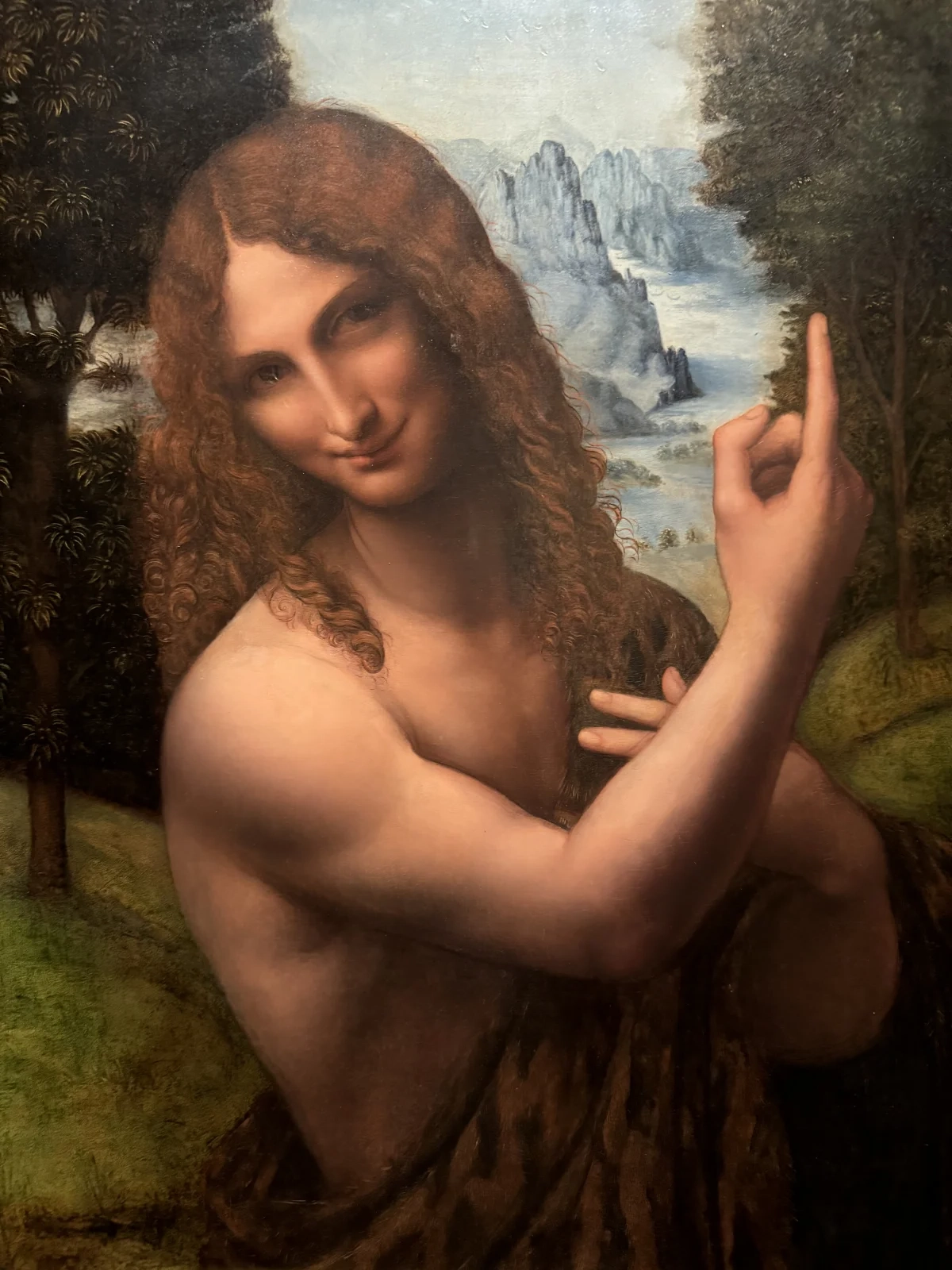
St John the Baptist
Salaino
This sensuous portrayal of John the Baptist (early 16th c.) blends spiritual solemnity with ambiguous allure. Influenced by Leonardo da Vinci, the figure’s delicate features and mysterious smile reflect a complex merging of divine grace and human beauty, inviting contemplation beyond doctrine.
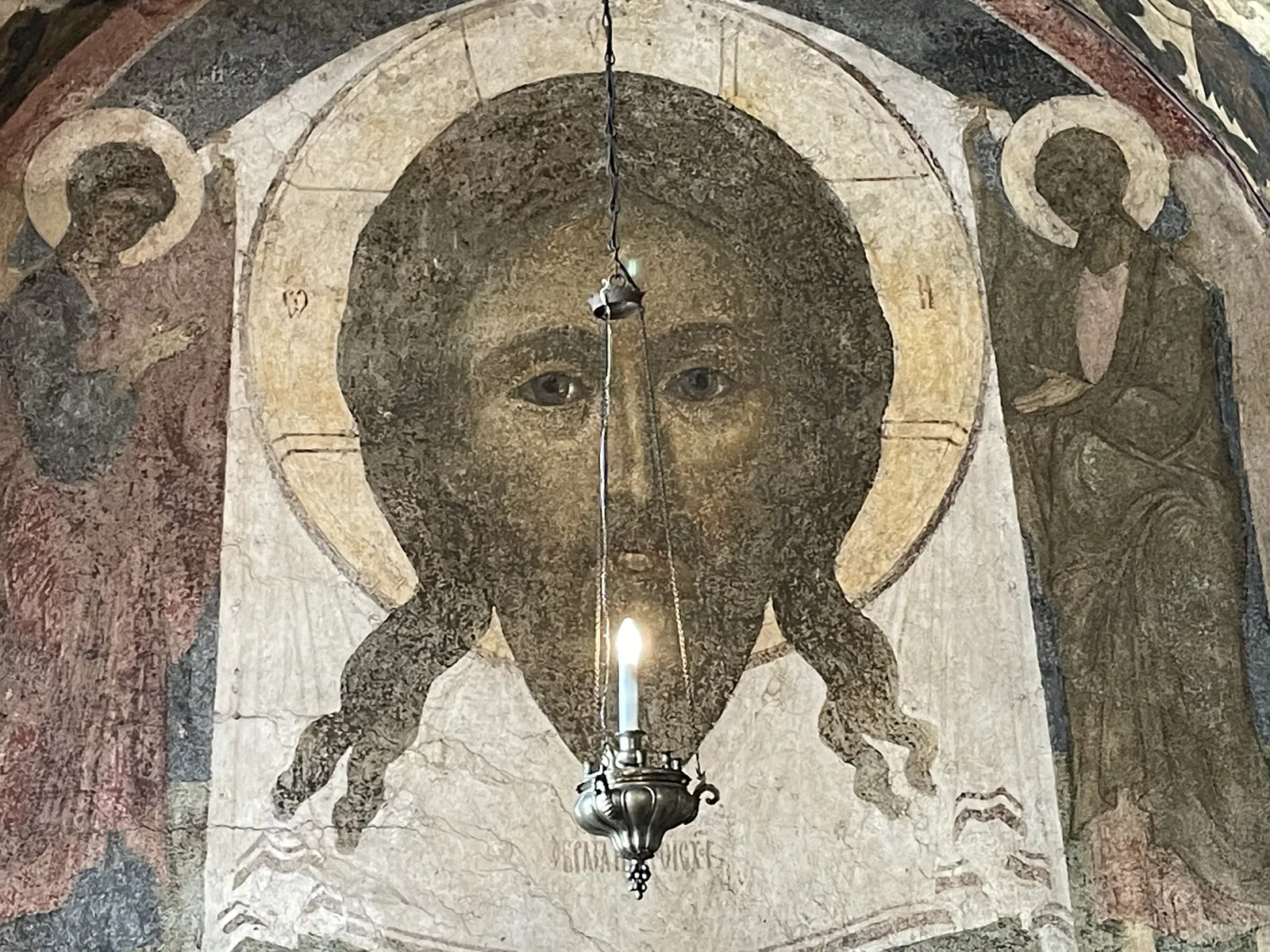
The Saviour Not Made by Hand
Simon Ushakov
This mid–late 17th-c. fresco depicts Spas Nerukotvorny (The Saviour Not Made by Hand), an image understood as a direct imprint of Christ’s face and a sign of his enduring presence. Ushakov follows Byzantine conventions yet introduces soft modeling and spatial depth drawn from Western art. The work reflects a moment when Moscow blended inherited Orthodox forms with new artistic influences to express religious renewal.
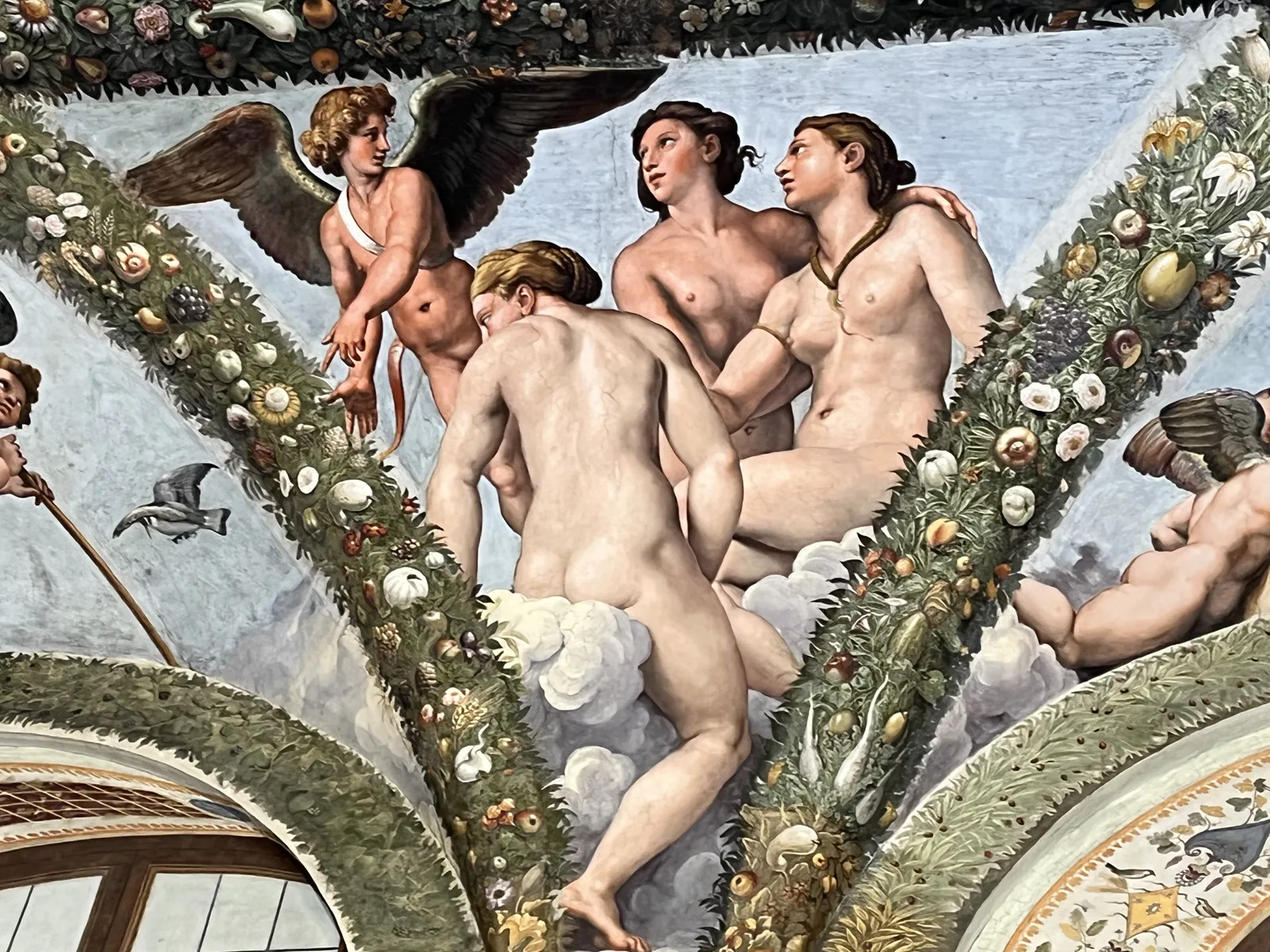
Cupid and the Three Graces
Raphael
In this fresco (1518), Raphael portrays Cupid with the Three Graces, who embody beauty, charm, and joy. The scene reflects the harmony of love and divine favor, integral to Psyche’s myth. Framed by Giovanni da Udine’s botanical festoons, it blends mythology with Renaissance ideals of grace and abundance.
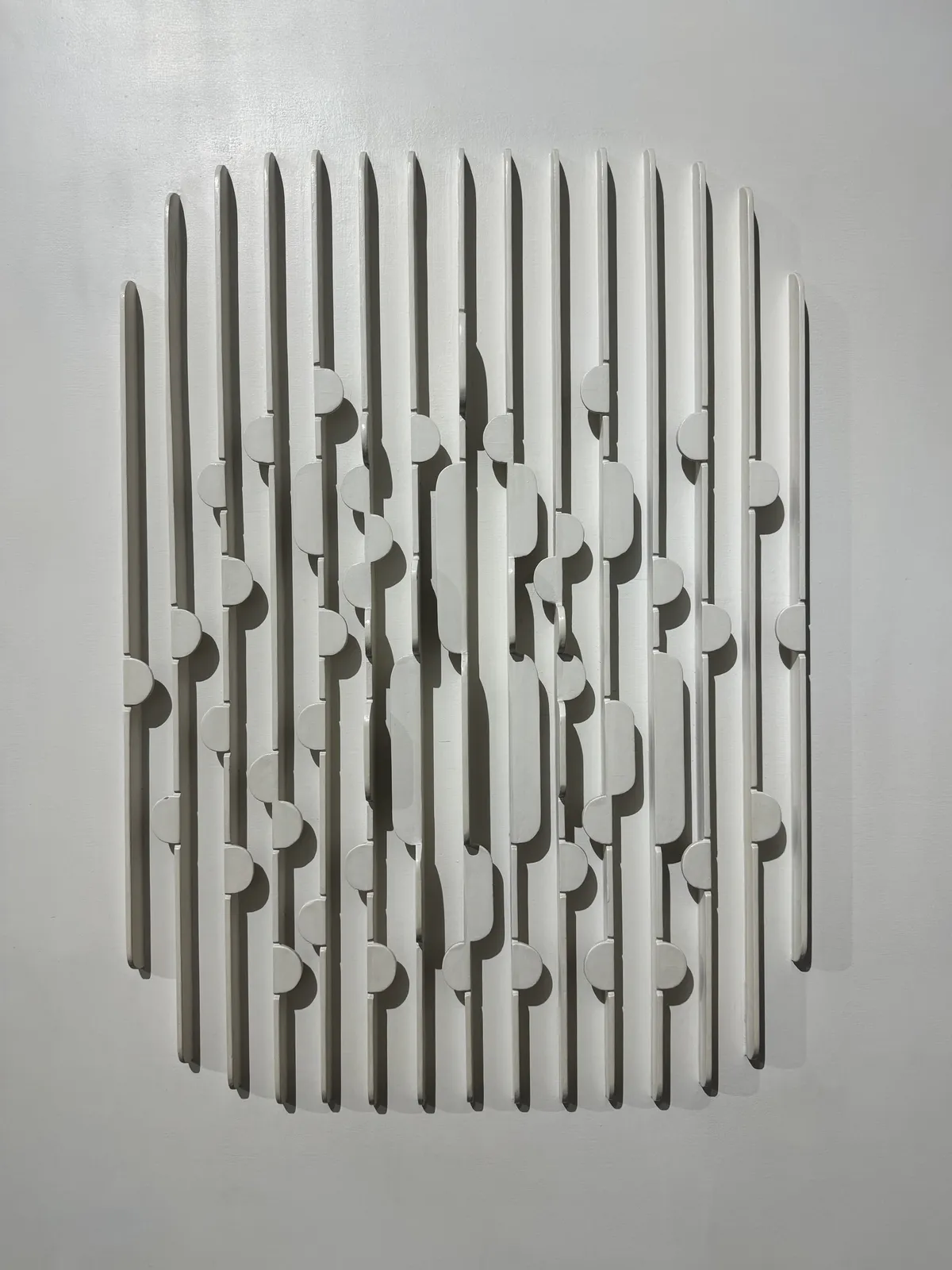
Homage to Vivaldi
Eduardo Ramírez Villamizar
This sculptural relief in painted wood (1963) reflects Villamizar’s fusion of geometric abstraction and musical rhythm. Vertical repetition and modulated forms evoke the structured elegance of Vivaldi’s compositions, transforming sound into visual cadence. It belongs to the museum’s permanent collection.
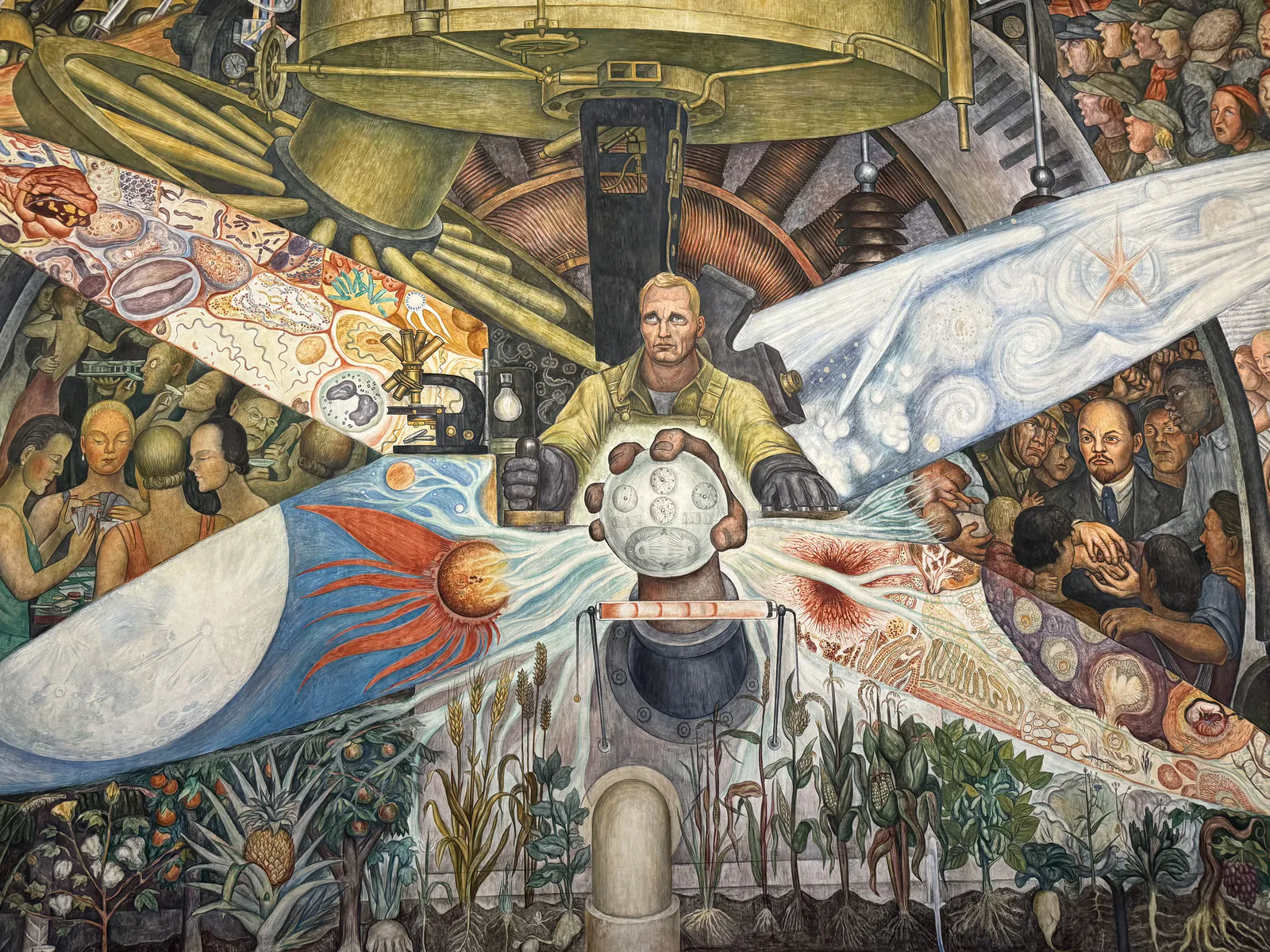
Man, Controller of the Universe
Diego Rivera
This mural (1934), a replica of Rivera’s censored Rockefeller Center fresco, places a worker at the symbolic axis of modernity. He guides cosmic, scientific, and political forces—flanked by socialism on the left and capitalism on the right. Lenin’s presence affirms Rivera’s Marxist ideals, asserting art’s power to envision revolutionary futures.
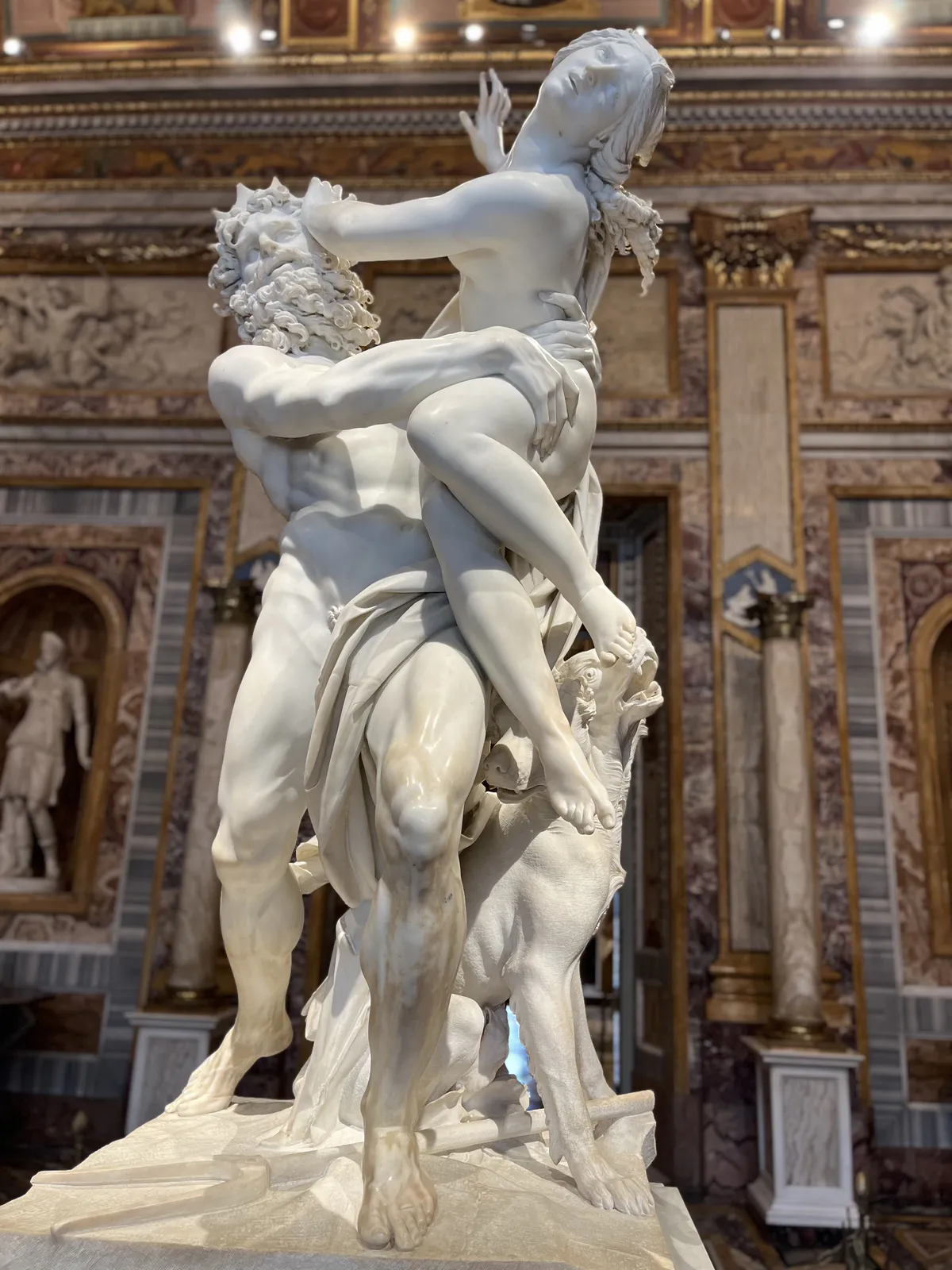
The Rape of Proserpina
Bernini
In this masterful marble (1621–22), Bernini captures Pluto’s violent abduction of Proserpina—an allegory for the changing seasons from Roman myth. Her twisting body and anguished face contrast Pluto’s force, while Cerberus, the underworld’s three-headed hound, reinforces the drama. At just 23, Bernini infused the stone with breathless motion and tactile realism, anchoring the Borghese legacy in Baroque brilliance.
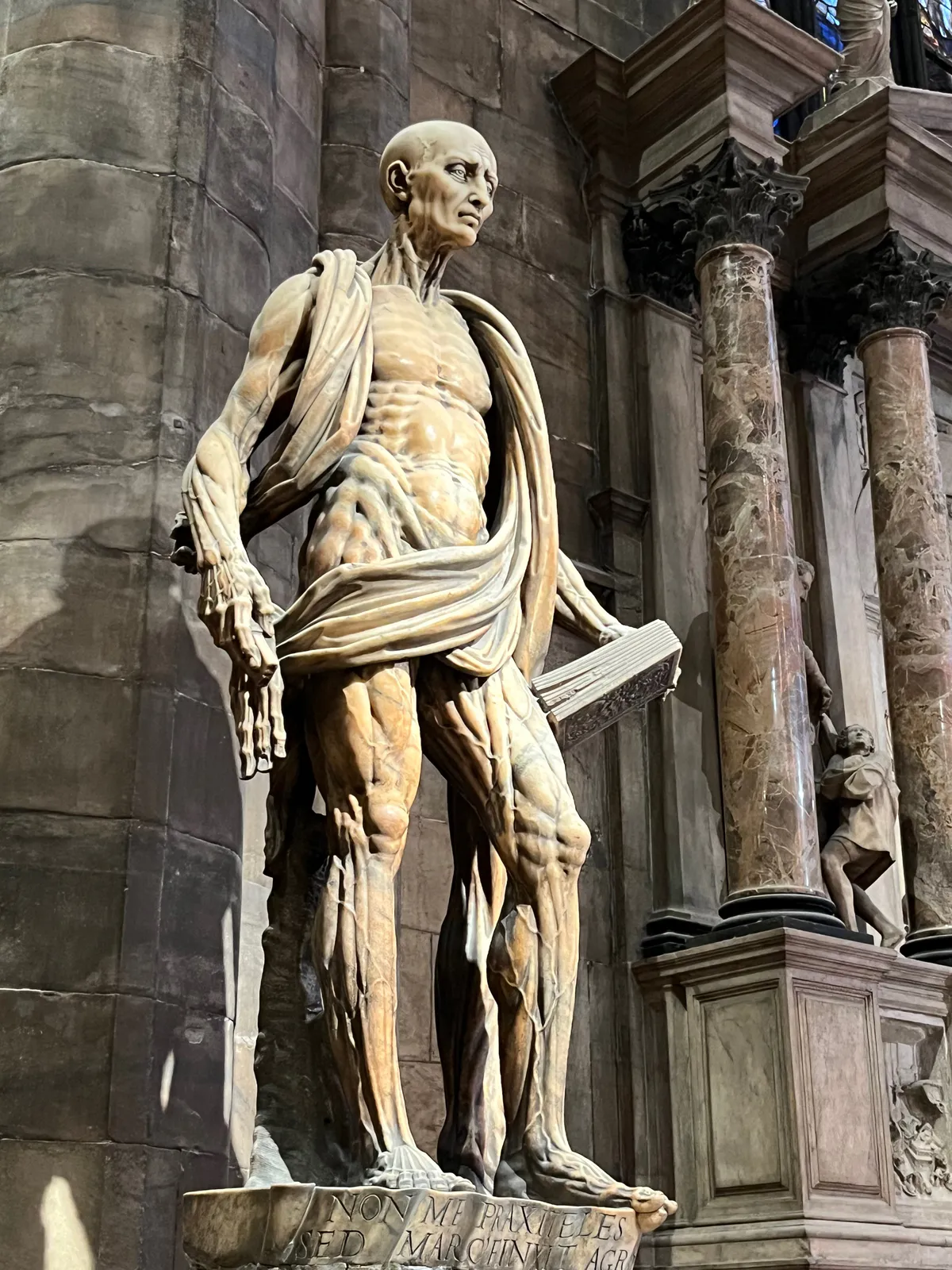
St Bartholomew Flayed
Marco d’Agrate
This marble statue (1562) shows St Bartholomew as a flayed figure, his own skin arranged like a draped garment around an exposed muscular body. Such extreme anatomical precision draws on Renaissance study of dissected cadavers. The saint’s upright stance and calm, frontal gaze demonstrate how martyrdom could be articulated as steadfast faith rather than physical defeat.
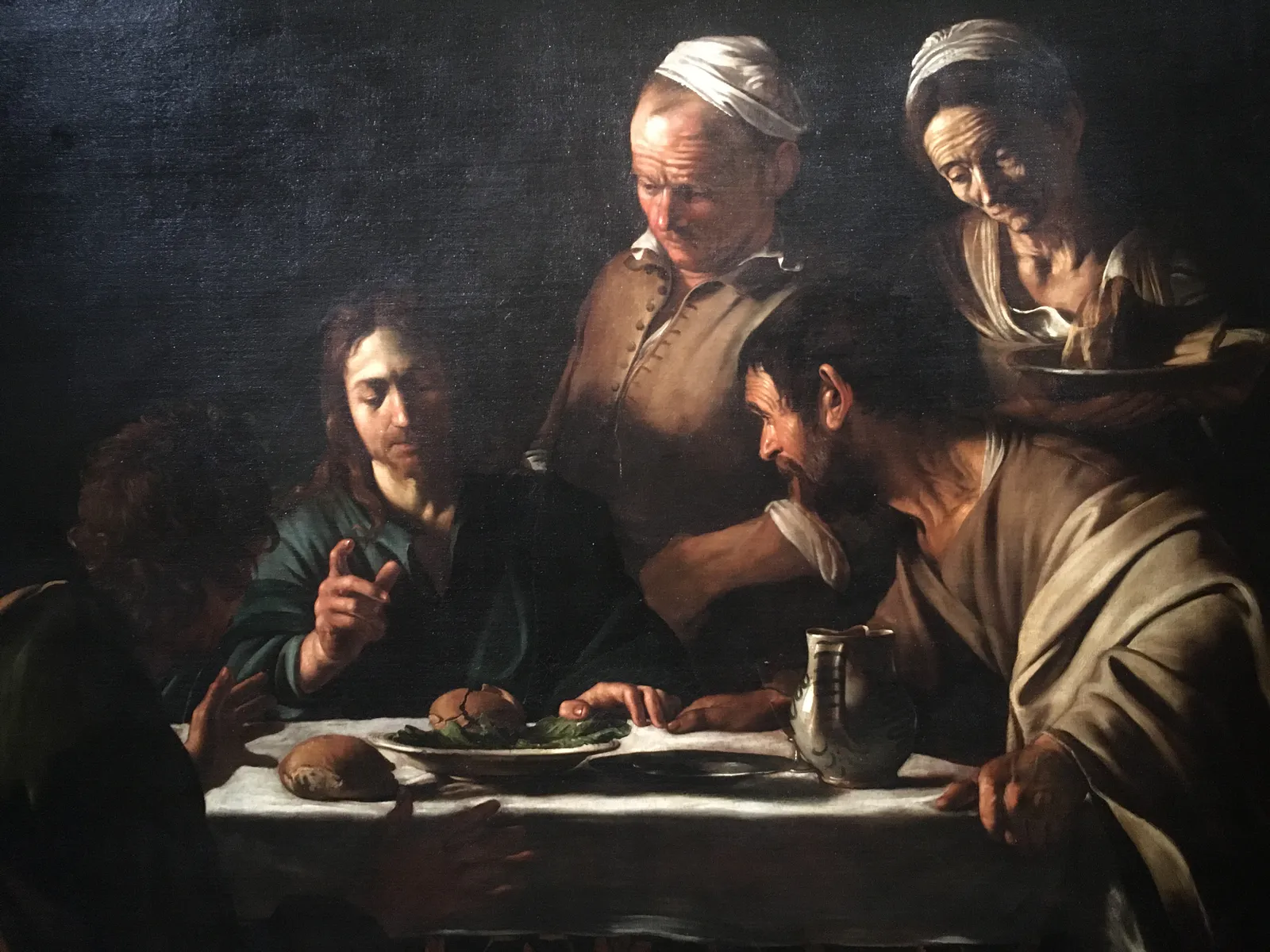
The Supper at Emmaus
Caravaggio
This painting (c.1606) focuses on Christ’s quiet gesture and the attentive figures around him. Subtle expressions replace dramatic shock, emphasizing intimacy over display. Caravaggio draws revelation into the realm of the ordinary, showing faith as recognition that dawns quietly amid human fragility.
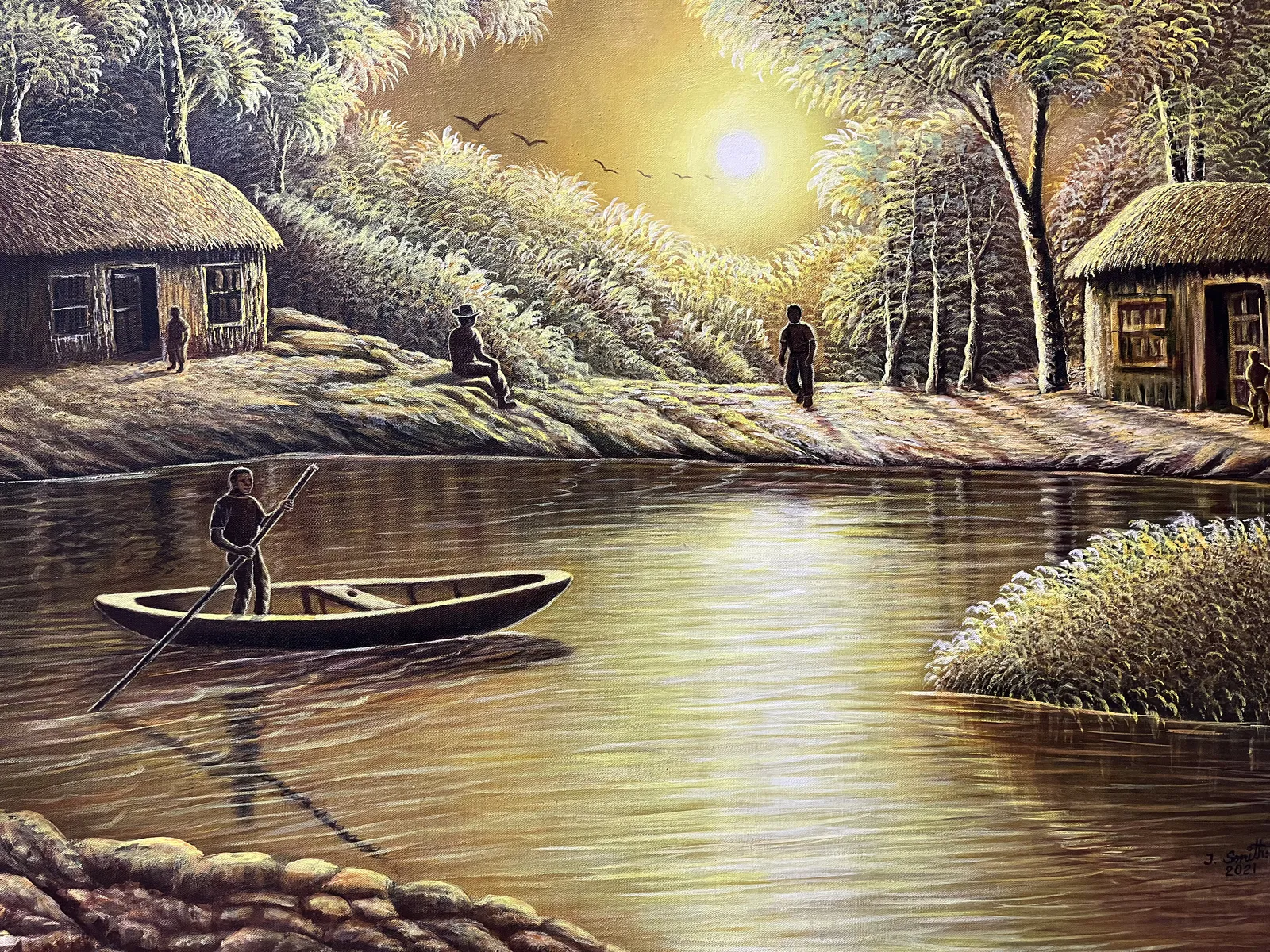
The Lagoon of Peace
Jorge Alberto Smith Ellas
This 2021 oil and acrylic painting evokes serenity and ancestral rhythm. A golden twilight bathes the rural scene, where everyday life unfolds by a calm lagoon. The composition speaks to Colombia’s Pacific and Caribbean heritage, honoring peace through stillness, memory, and connection to the land.
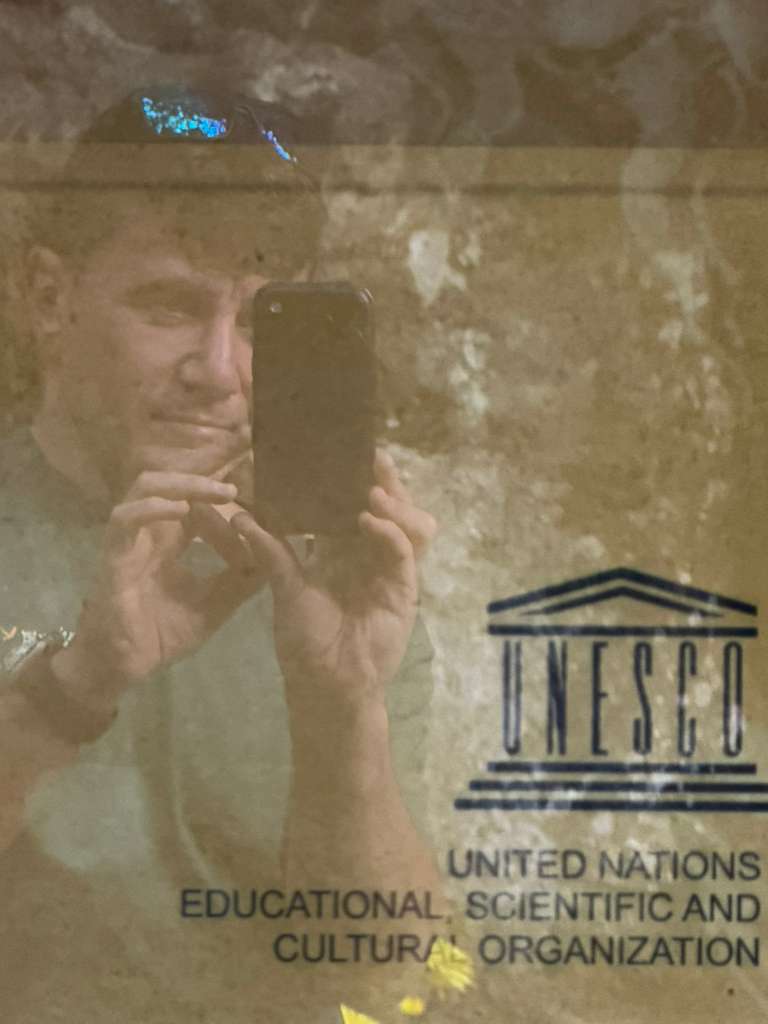
“When the path is beautiful, do not ask where it leads.” — Zen proverb
Welcome to my travel photography!
“When the path is beautiful, do not ask where it leads.” — Zen proverb
Welcome to my travel photography!
For as long as I can remember, my path has been one of discovery—seeking beauty, timelessness, and connection in every corner of the world. It has also been a journey of deep learning and understanding. I’ve been an avid traveler (or perhaps a travel addict?) for most of my life. My love for travel began long before I ever left home: as a child, I drew a fantasy map of my grandparents’ apartment and “traveled” through it with my cousin Sonya, imagining adventures in every corner. Nearly 90 countries and countless moments of awe later, I’m excited to share this journey with you.
Thanks to the tireless and ingenious programming of Diagilev, we’re now able to present about fifteen percent of the images I’ve accumulated over the years. More will be released in small batches depending on your interest. While the first release leans toward museum photography, later ones will include more nature, architecture, culture, and general travel experiences. If you’d like to receive email notifications about new releases, feel free to reach out—no commercial use, ever.
Throughout my travels, I’ve been drawn to two intertwined kinds of discovery. One is intellectual: learning why the world is the way it is. History became my guide, shaping my perspective and filling my camera roll with museums and old buildings. To me, history is not the past—it is the key to understanding the present and how the world became what it is. The other is emotional: seeking moments of elevation—spirituality, beauty, harmony—often found in nature, monasteries, and ancient sacred spaces. Together, these impulses shape my photography. It invites you to learn, admire, and soar—to rise above the mundane and see the world through a lens of curiosity and wonder.
Much of my later travel became possible thanks to my job with Delta Air Lines, but the wanderlust began years earlier. By the time I joined the industry, I had already visited over 35 countries and lived in several—largely thanks to a backpacking journey around the world with Luis León, whose face appears in many early photos. I grew up in Ufa in the USSR, and since leaving it I have lived, studied, and worked in Latvia, the United States, France, South Korea, Canada, Spain, Italy, Brazil, Japan, and Colombia.
A life of near-constant movement may seem a little crazy, but it has deepened my understanding of the world and produced the photography you are about to see. Over the years, my style has evolved—more intentional, more refined—yet its core remains the same: a search for understanding, timeless beauty, and a connection to those who walked this earth long before us.
I hope these photos stir something in your soul, just as they did in mine. I’d love to hear from you—whether reactions, suggestions, corrections, or a request to be added to the email list for new releases (no commercial use, I promise). You can learn more about my travels here, and my academic life here.
Enjoy our shared journey!