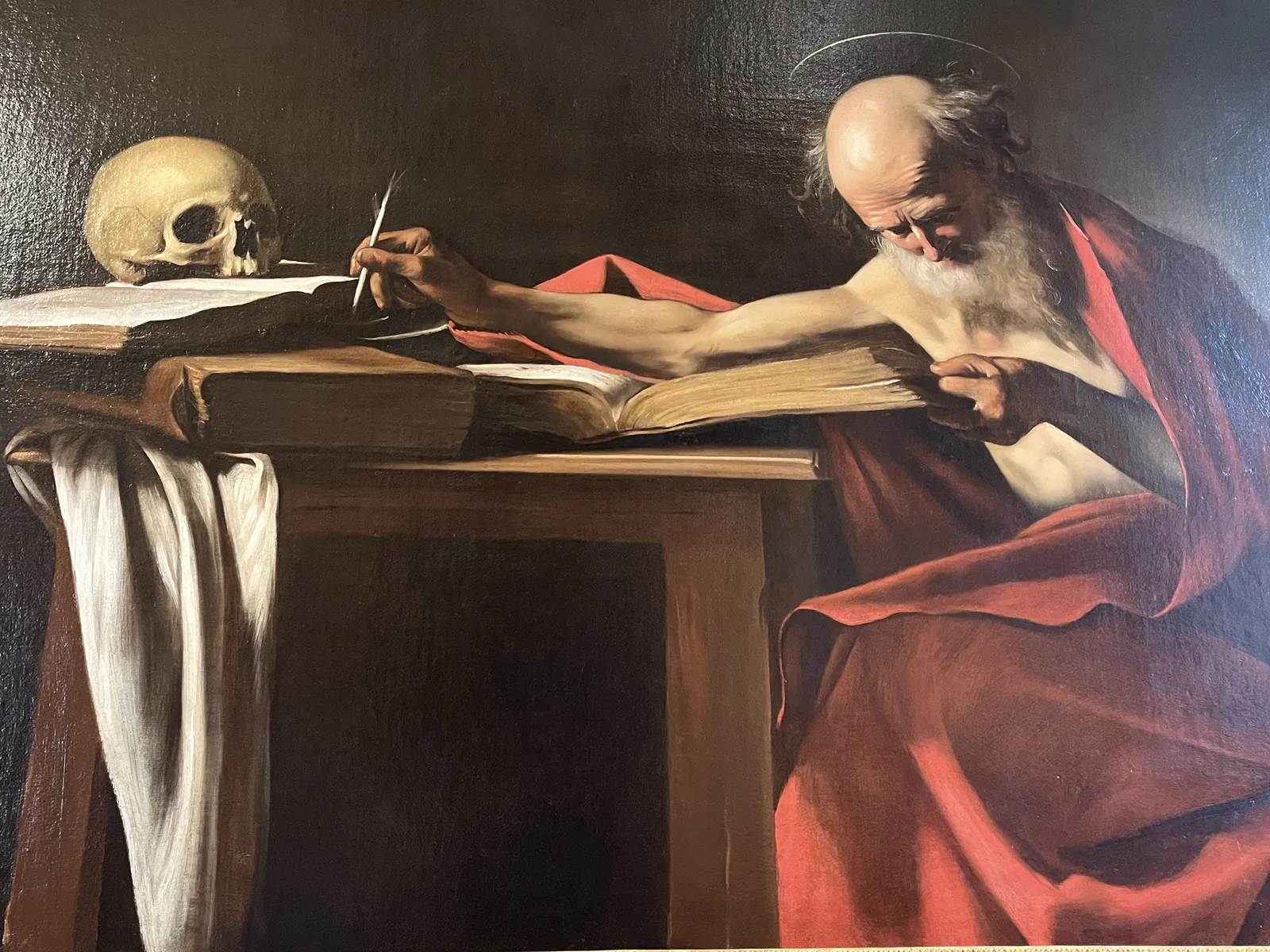
St. Jerome Writing
Caravaggio
This introspective painting (1605–6) shows Saint Jerome translating the Bible, immersed in thought. A skull atop the desk serves as a memento mori (remembrance of death), while dramatic lighting and vivid red drapery highlight the tension between divine labor and mortal fragility. Caravaggio transforms study into a spiritual battleground of flesh, faith, and time.
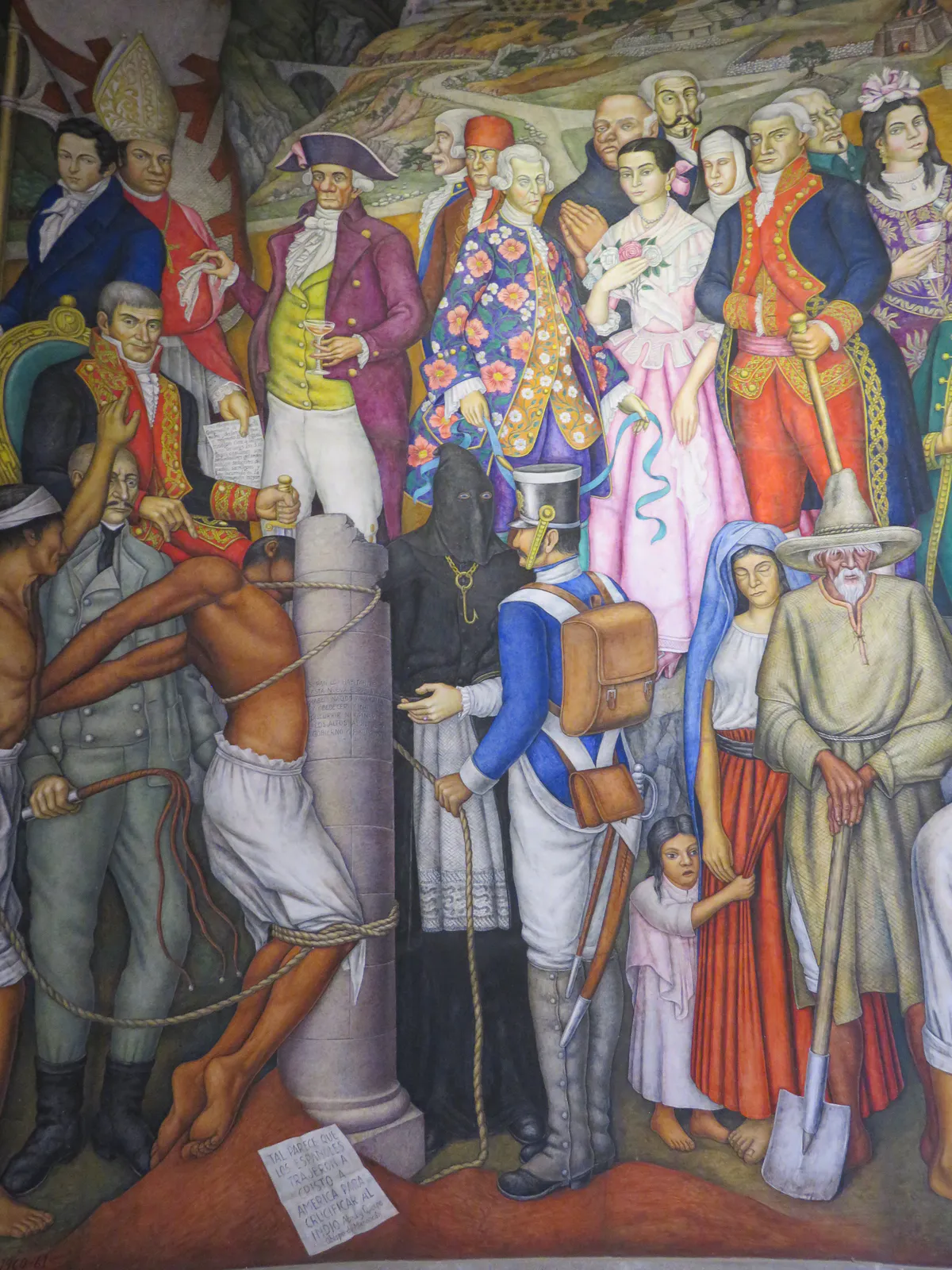
Detail from Retablo de la Independencia
Juan O'Gorman
This mural detail (1960–61) dramatizes colonial brutality during Mexico’s struggle for independence (1810–1821). A near-nude man is tortured before Spanish troops and clergy, symbolizing oppression. At left appear insurgent leaders Miguel Hidalgo and José María Morelos, while nobles and clerics in bright dress embody privilege. The peasants and child at right embody the pueblo whose suffering and resilience fueled the revolt for freedom.
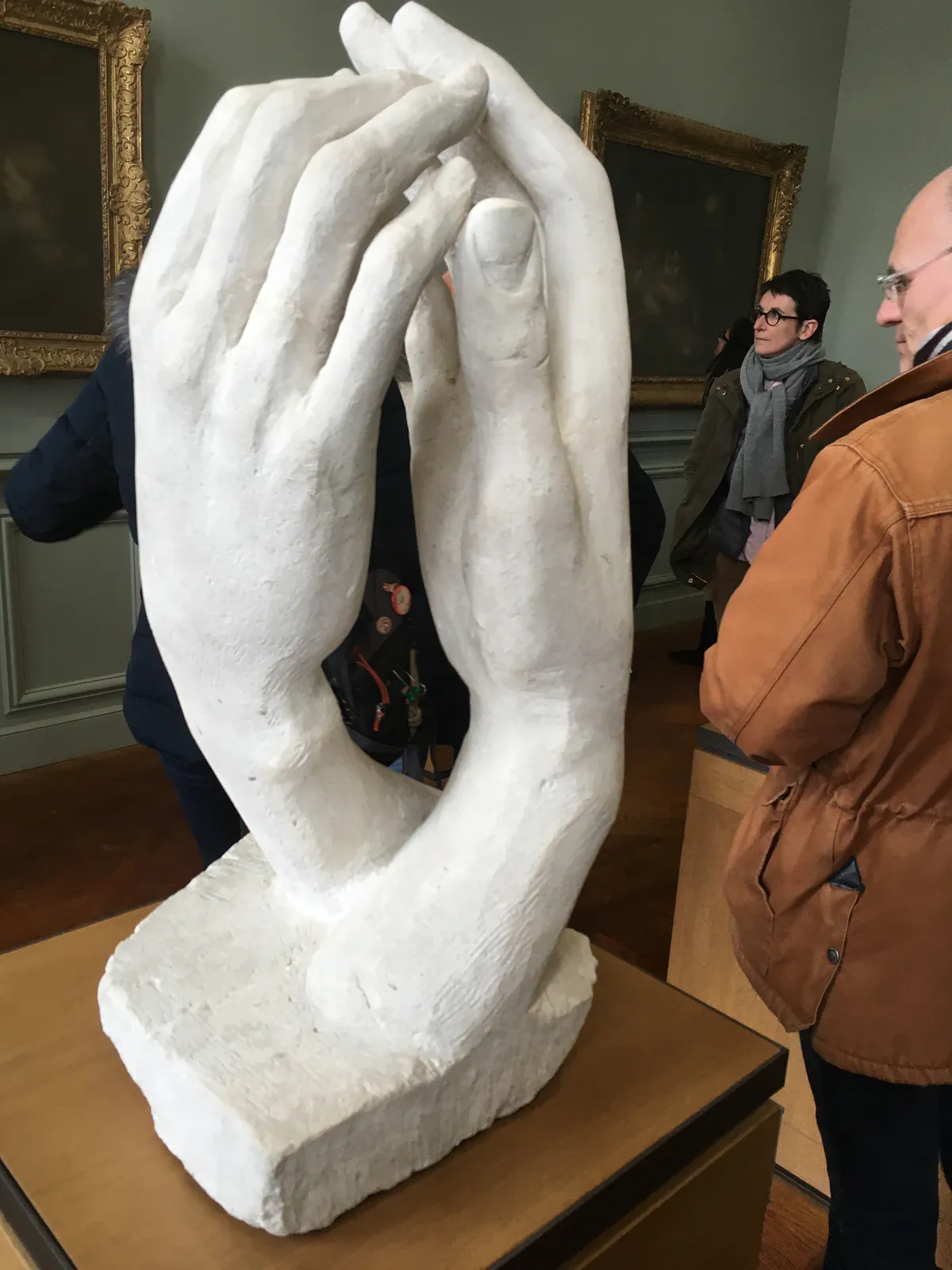
The Cathedral
Auguste Rodin
This 1908 sculpture features two right hands reaching towards each other, symbolizing connection and unity. Initially named The Arch of Alliance, it was inspired by Gothic cathedral rib vaults and renamed in 1914. The texture and interplay of light and shadow evoke prayer and contemplation. This work marks Rodin’s shift from realism to modernism, emphasizing emotional depth over physical form.
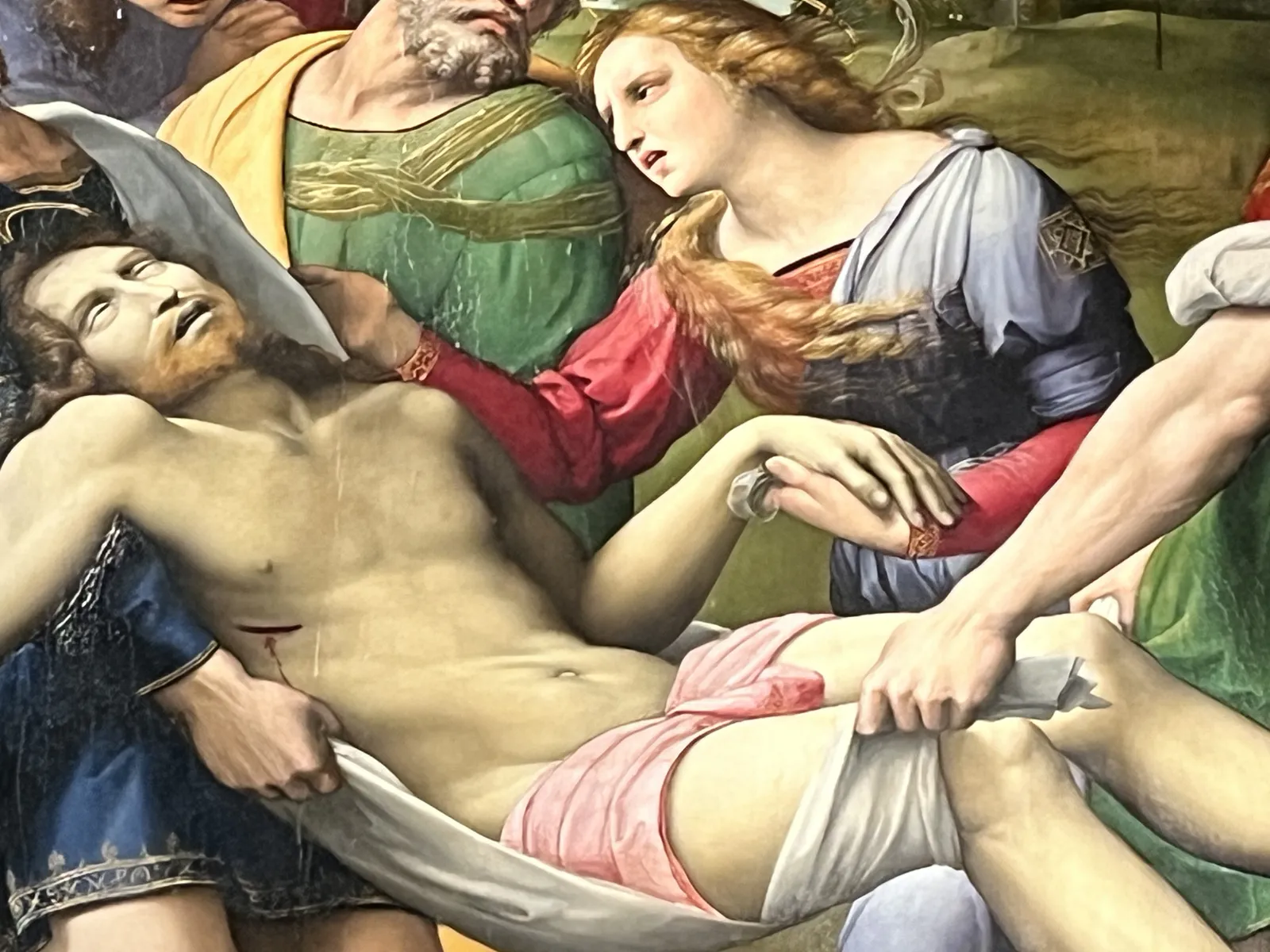
The Entombment (detail)
Raphael
This masterpiece (1507) shows a group of figures surrounding the lifeless body of Christ, merging themes of Deposition, Lamentation, and Entombment. Commissioned by Atalanta Baglioni, it honors her murdered son. Raphael’s composition shows Michelangelo’s influence in the sculptural form of Christ. A 2020 restoration revealed refinements in Raphael’s underdrawing, pigment choices, and layered modeling, clarifying how he built depth and anatomical precision.
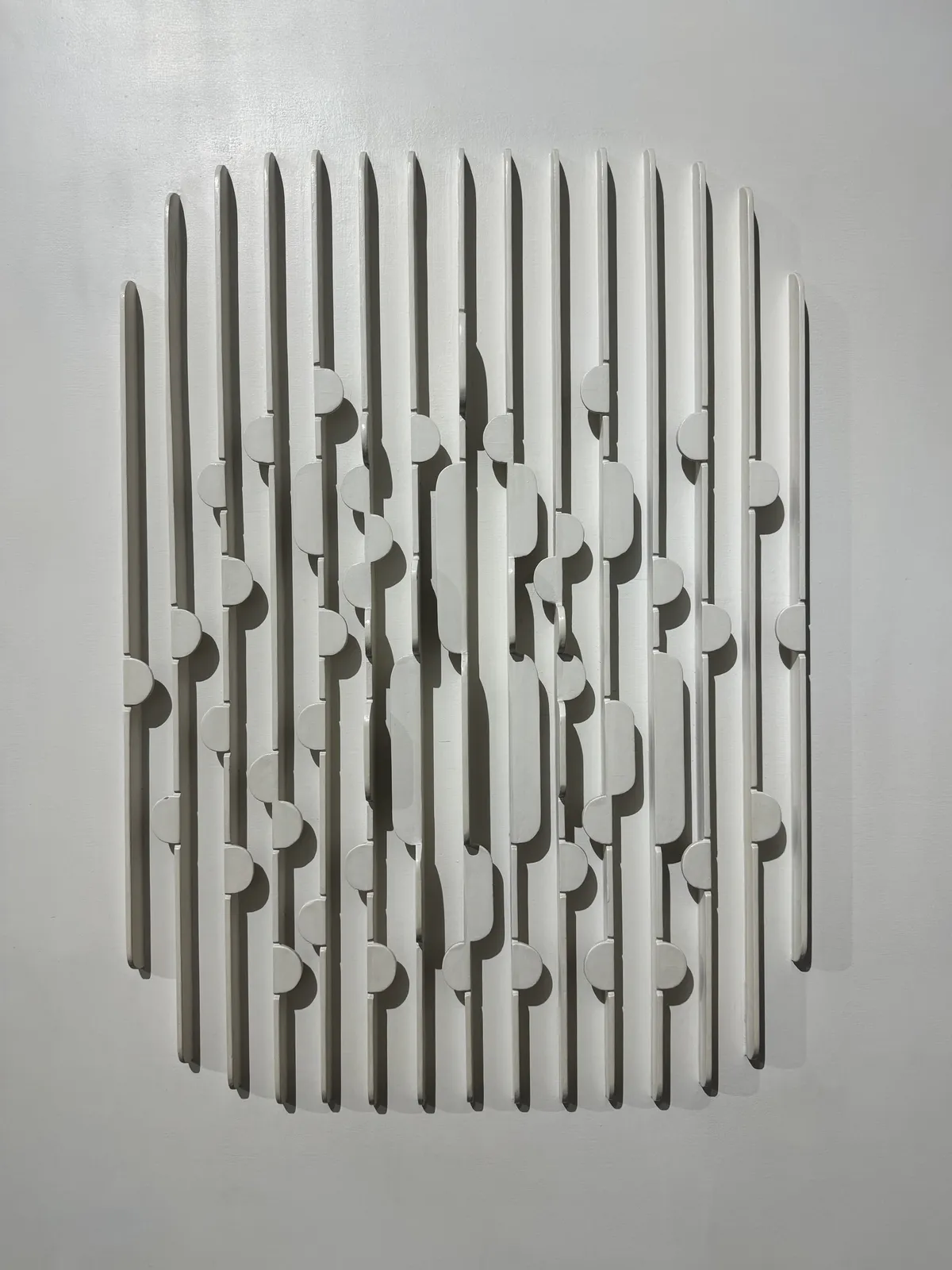
Homage to Vivaldi
Eduardo Ramírez Villamizar
This sculptural relief in painted wood (1963) reflects Villamizar’s fusion of geometric abstraction and musical rhythm. Vertical repetition and modulated forms evoke the structured elegance of Vivaldi’s compositions, transforming sound into visual cadence. It belongs to the museum’s permanent collection.
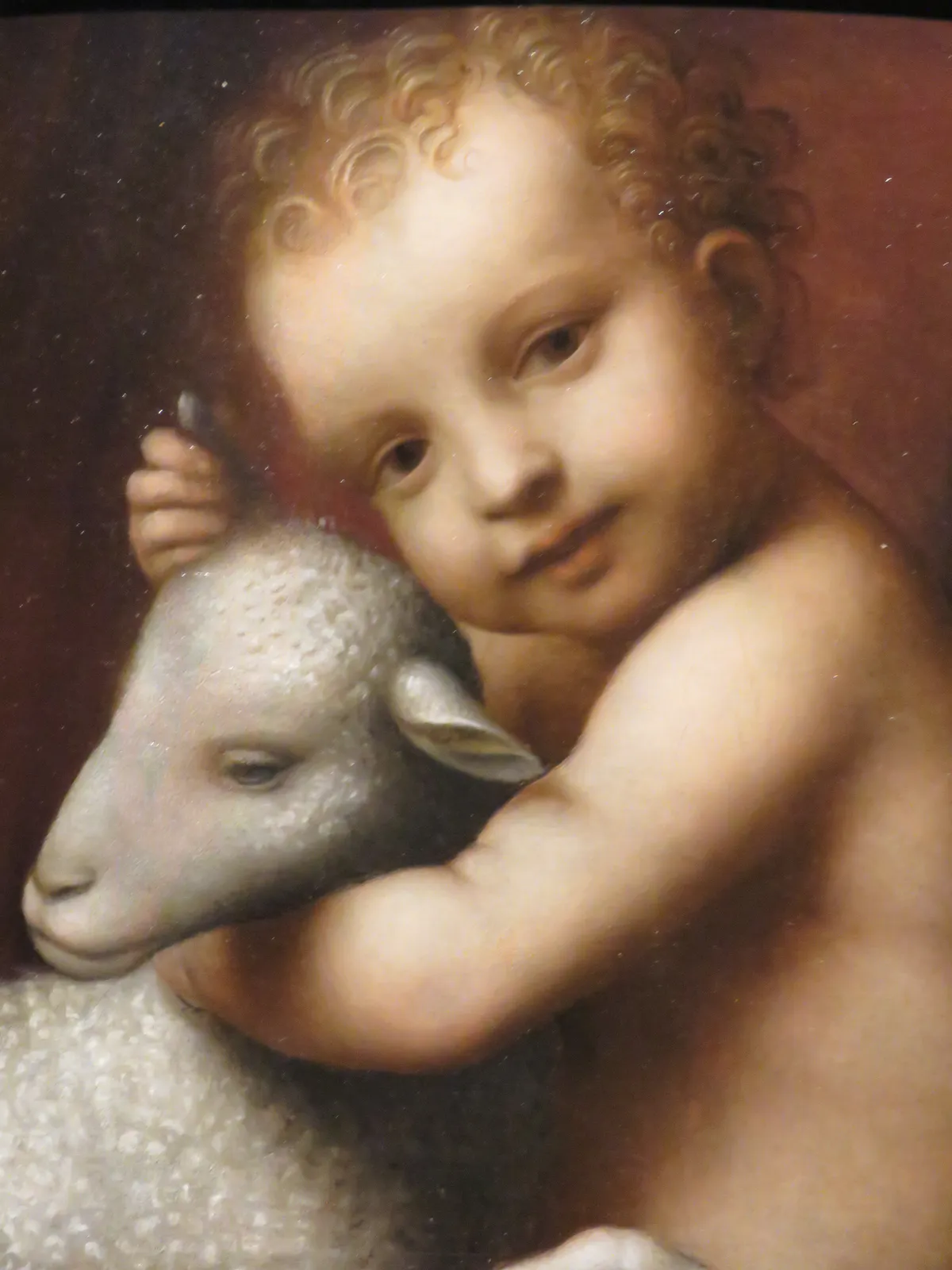
The Infant Jesus with a Lamb
Bernardino Luini
This oil and tempera on panel (c. 1525) captures the tenderness of the Infant Jesus, or Gesu Bambino, embracing a lamb—a symbol of his future sacrifice as the Lamb of God. Luini’s High Renaissance style blends divine purity and human innocence, creating a serene image of spiritual love and redemptive foreshadowing.
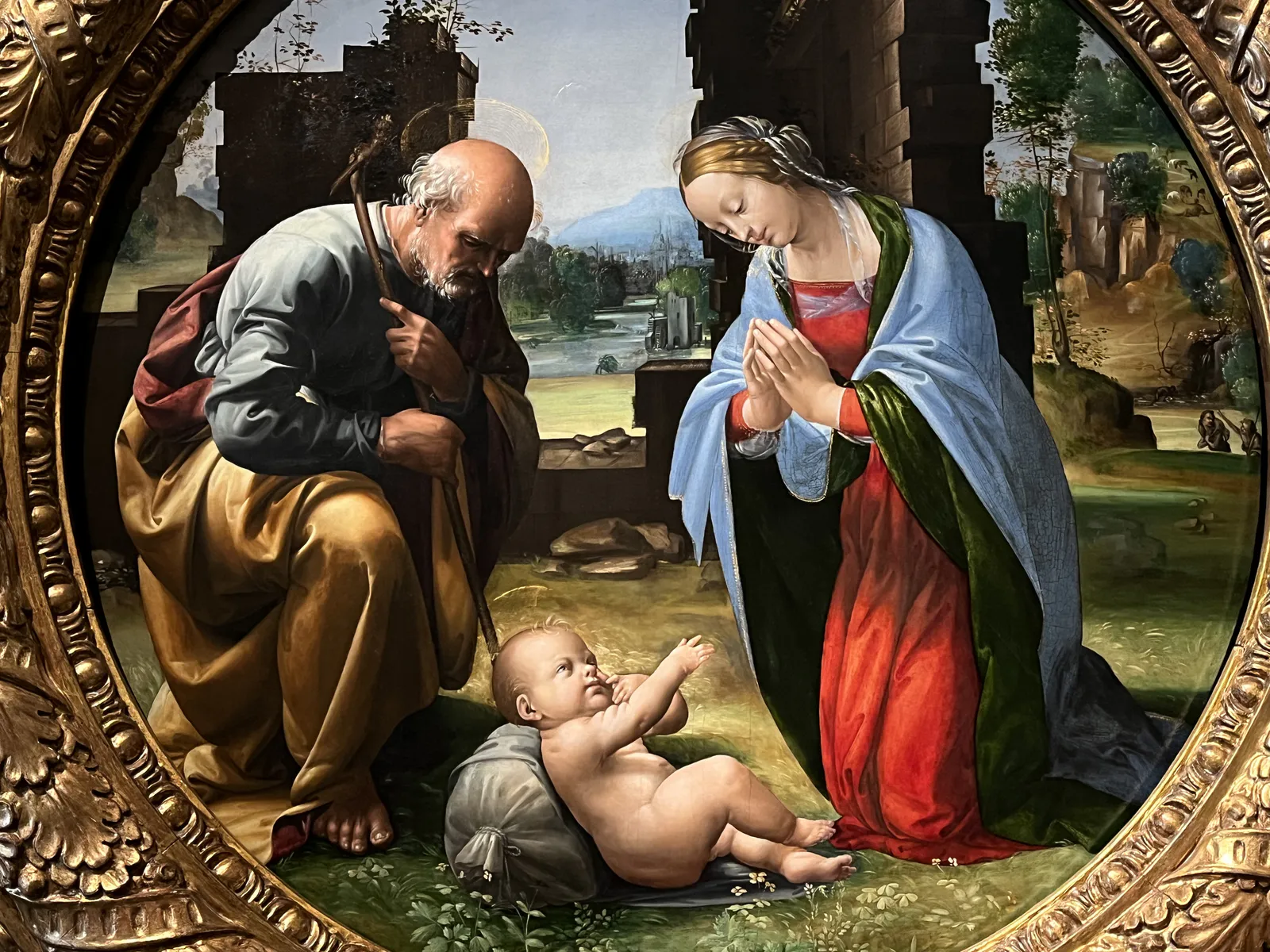
Adoration of the Child (detail)
Fra Bartolomeo
This tondo or circular painting (c.1495), Mary and Joseph kneel in reverence before the infant Christ, who rests on a sack amid delicate vegetation. The ruined architecture behind them symbolizes the fall of paganism, while the balanced composition and radiant palette reflect Bartolomeo’s early embrace of Renaissance ideals.
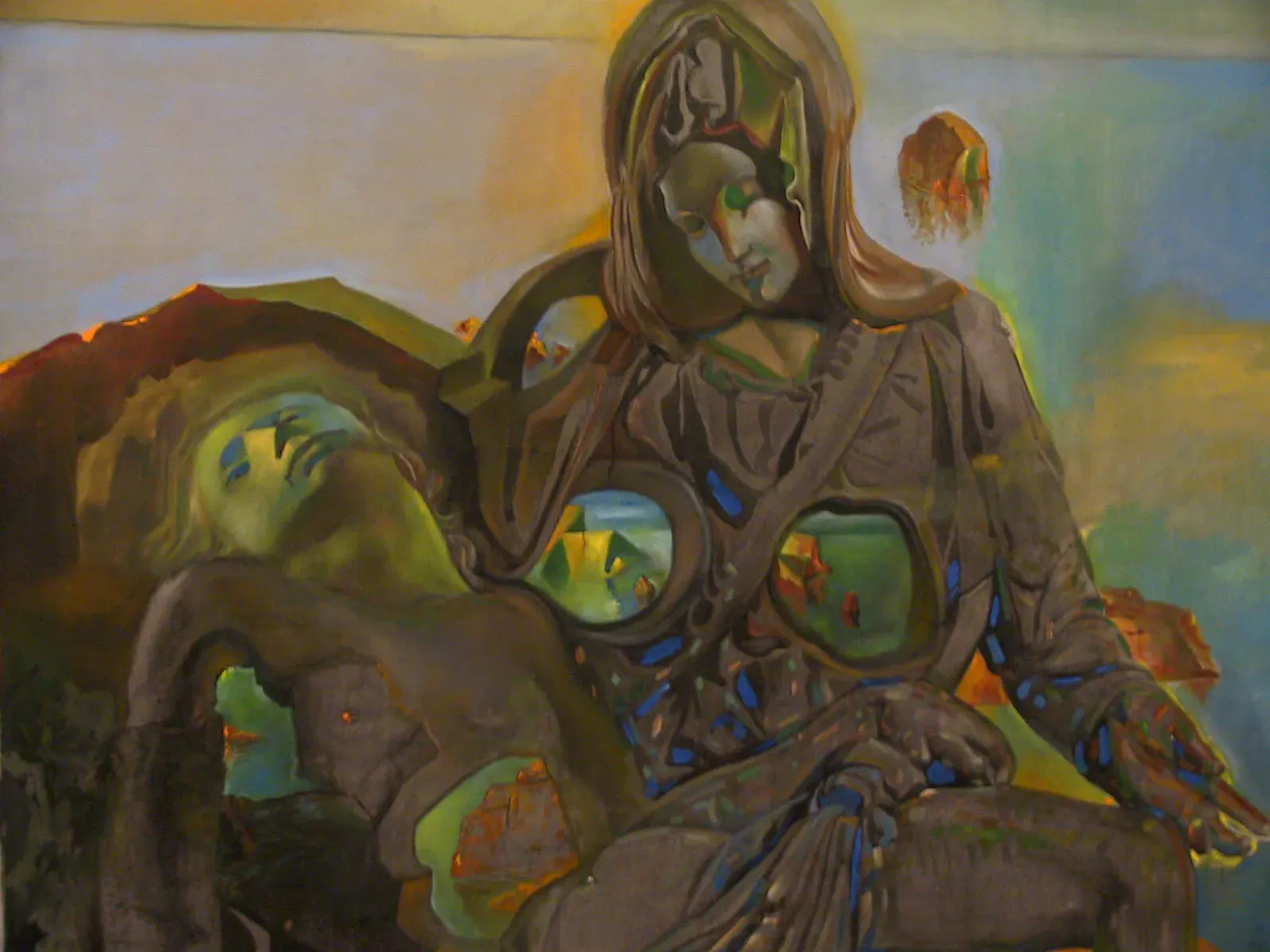
Geological Echo. La Pietà
Salvador Dalí
Dalí reinterprets Michelangelo’s La Pietà, merging sacred imagery with surreal geological forms (1982). The figures’ bodies become fragmented landscapes, symbolizing the erosion of memory and time. Created during Gala’s final years, the work reflects personal grief, exploring themes of love, loss, and the unconscious through voids that resonate with emotional depth and introspection.
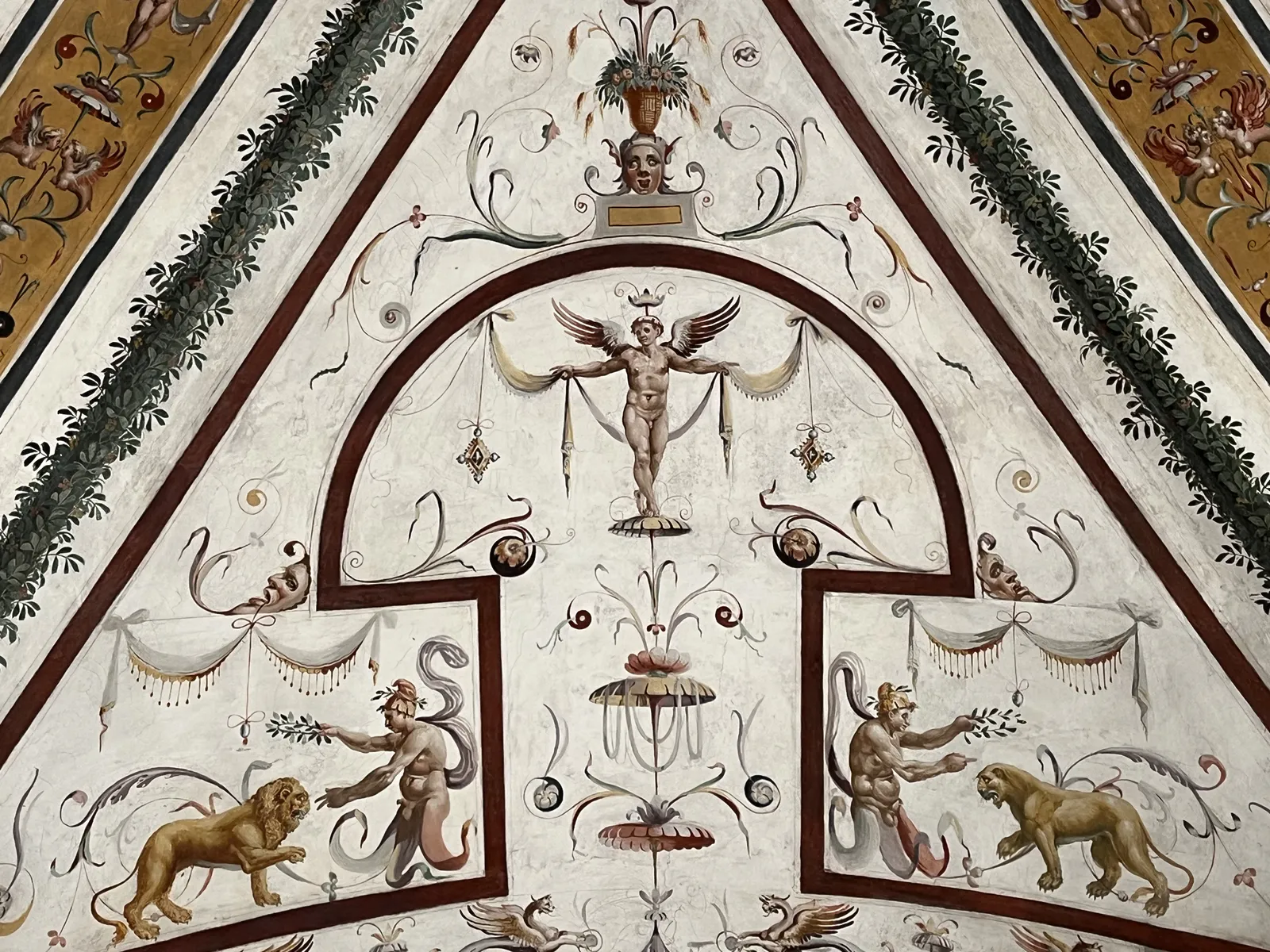
Grotesque Ceiling Decoration
Bonaccorsi Pietro (Perin del Vaga) and Rietti Domenico
This fresco (c. 16th c.) blends Renaissance whimsy with ancient Roman influence, reviving the grotesque style unearthed in Nero’s Domus Aurea. Figures with human and animal features balance symmetrical vines, mythical beasts, and theatrical masks. The composition celebrates harmony through fantasy, playfully bridging antiquity and imagination.
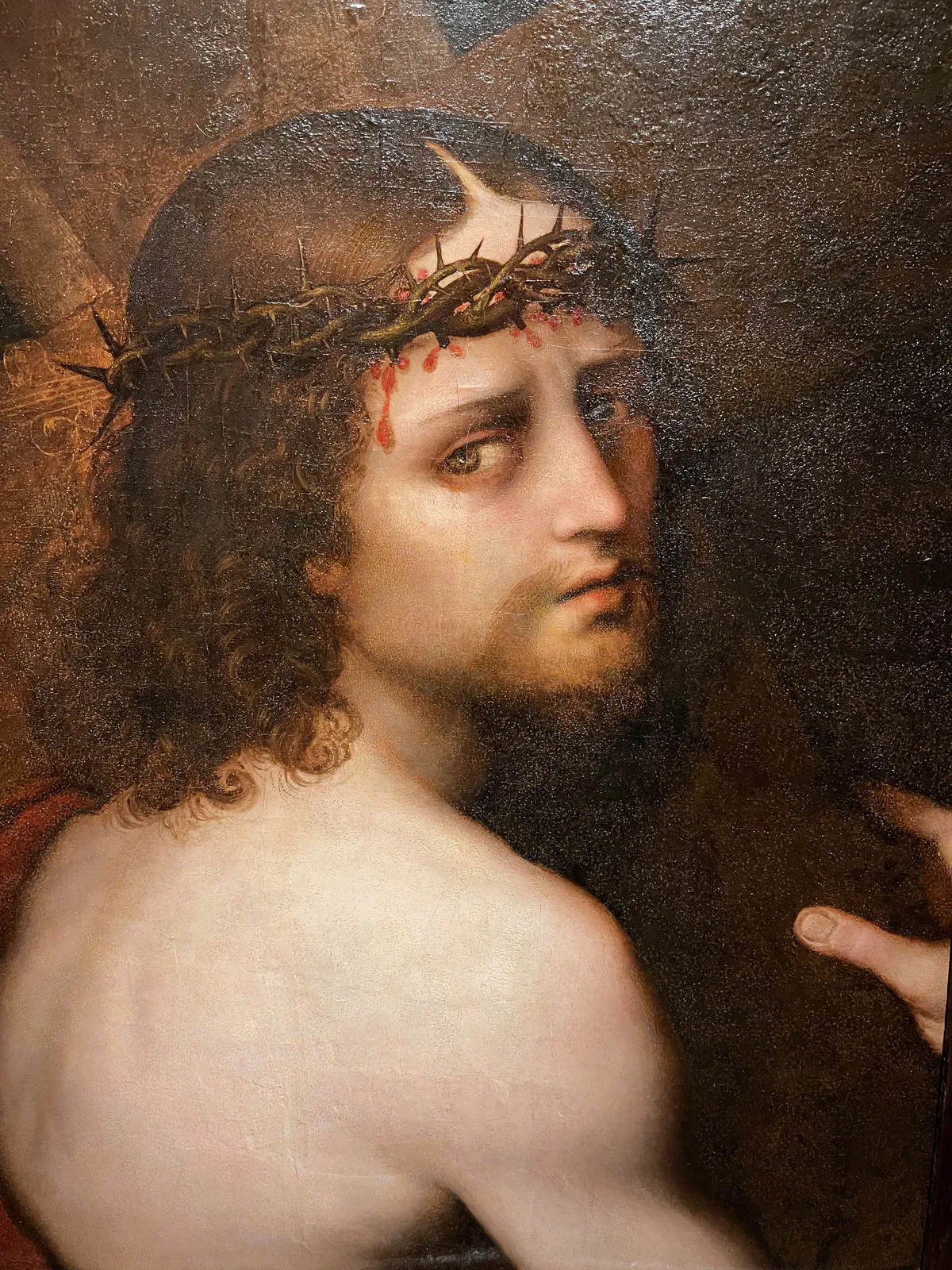
Christ Carrying His Cross
Giampietrino
This intense portrait (1520-30) captures the poignant moment of Christ's journey to crucifixion. The crown of thorns, with its vivid drops of blood, symbolizes suffering and sacrifice. Giampietrino, a follower of Leonardo da Vinci, employs chiaroscuro to enhance the emotional depth, highlighting Christ's resigned yet resolute expression. This work reflects Renaissance ideals of human emotion and divine purpose, illustrating the enduring narrative of redemption through suffering.
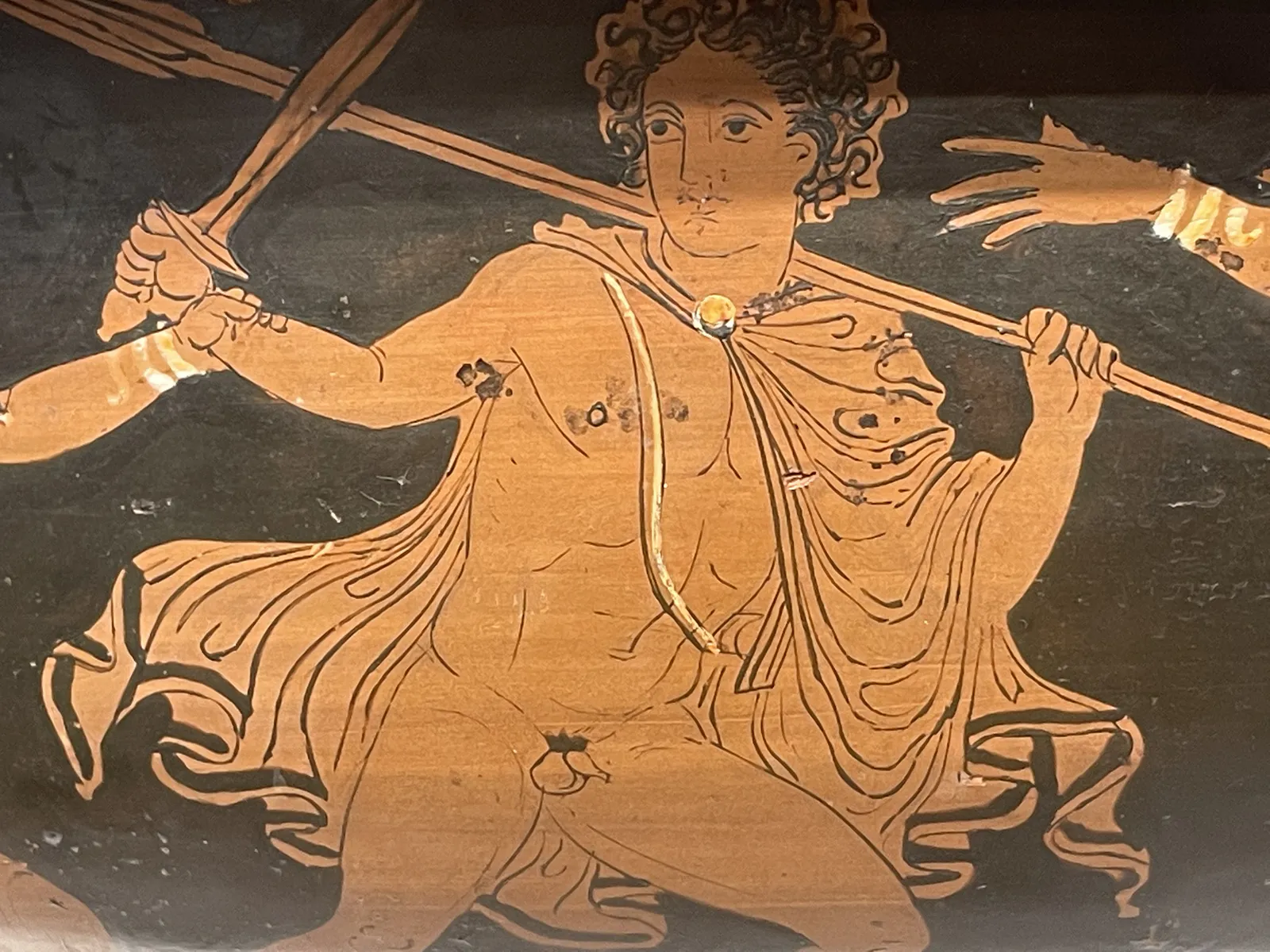
Pentheus Attacked by Bacchic Women
The Oxford Group Workshop
This Apulian red-figure plate (360–350 BC) shows Pentheus arming himself against Dionysus’ cult. In myth, he is seized by Bacchic women, including his mother Agave, who mistake him for prey and tear him apart. The scene warns against impiety and defying divine power, embodying the tragic cost of resisting Dionysian ecstasy and communal worship.
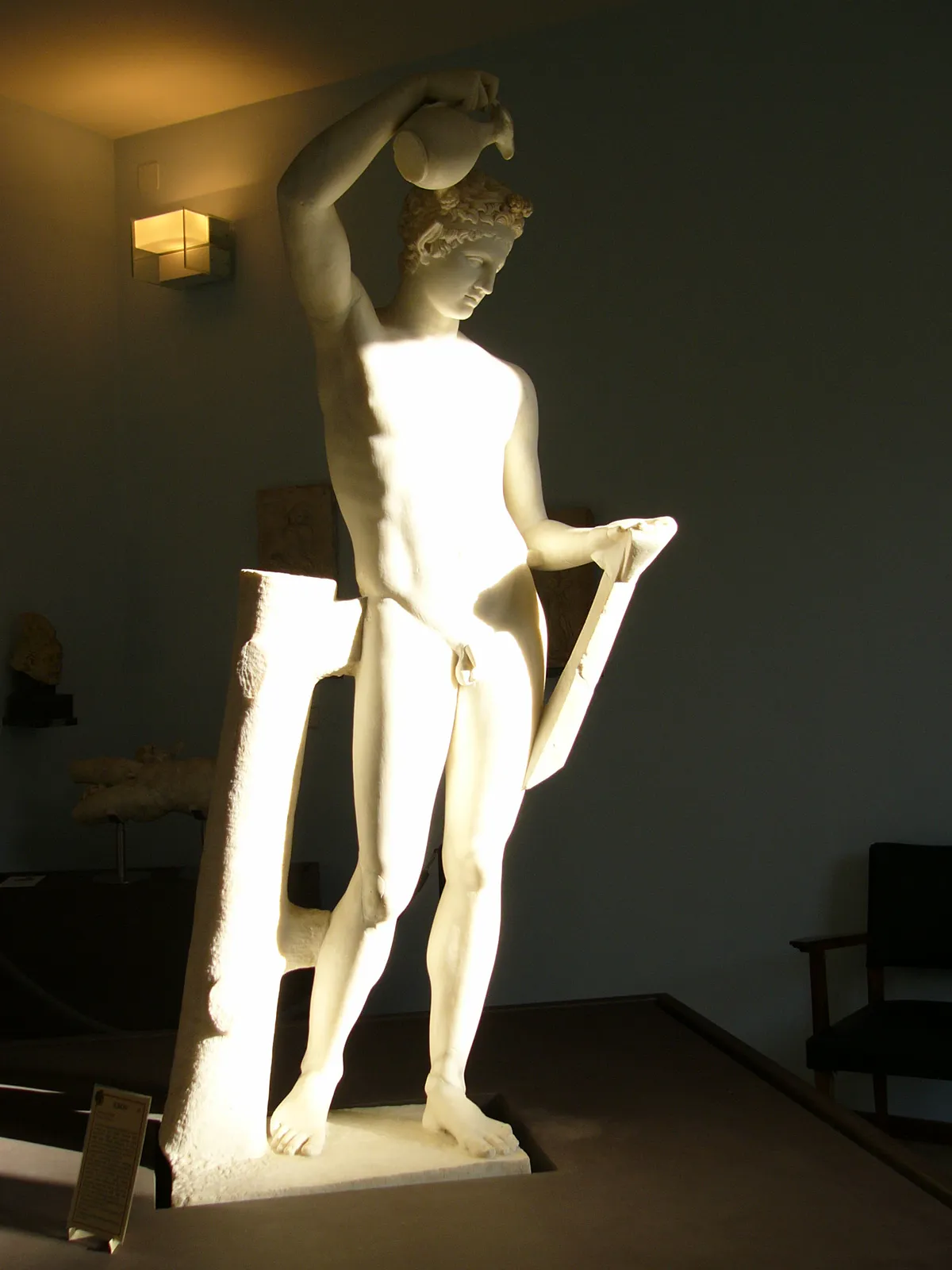
Satyr Pouring Wine
Praxiteles
This Roman marble statue is a copy of Praxiteles’ 4th-c. BC Greek original, depicting a youthful satyr, a companion of Dionysus, pouring wine. Though the pitcher and cup are missing, it captures the revelry and music linked to satyrs. Found near Naples in 1797, it exemplifies Praxiteles’ style with sinuous curves and a naturalistic pose, embodying the carefree spirit of Dionysian myth.
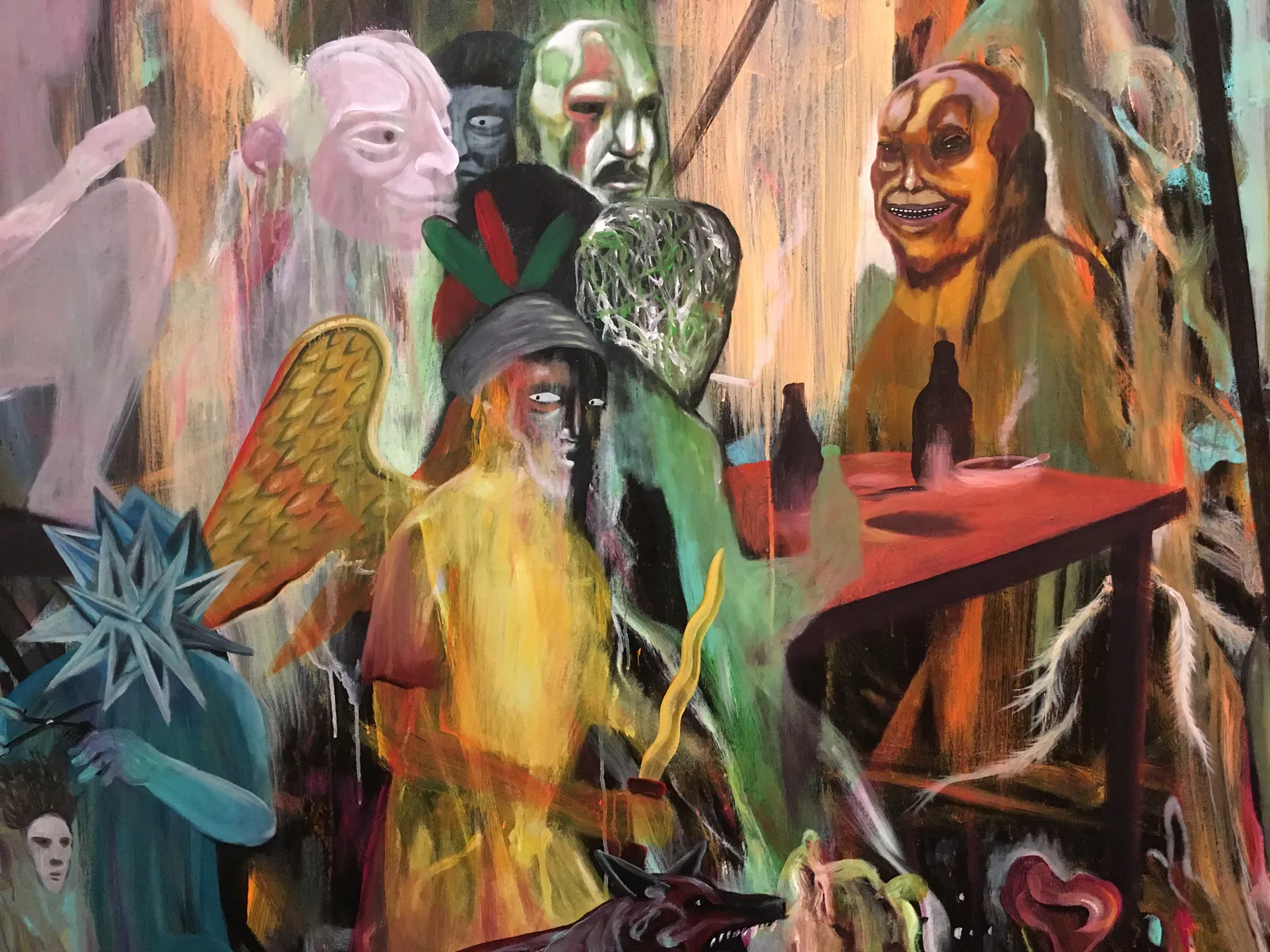
The Comedy, Parody, and Tragedy
Rodel Tapaya
This painting (2018) from Tapaya’s Urban Labyrinth series swirls with hybrid beings, masks, and mythic figures at a chaotic table. Angelic wings, demonic grins, and spectral visages blur folk imagination with urban satire. Tapaya weaves Philippine mythology into contemporary critique, where humor and menace mirror the fractured realities of modern city life.
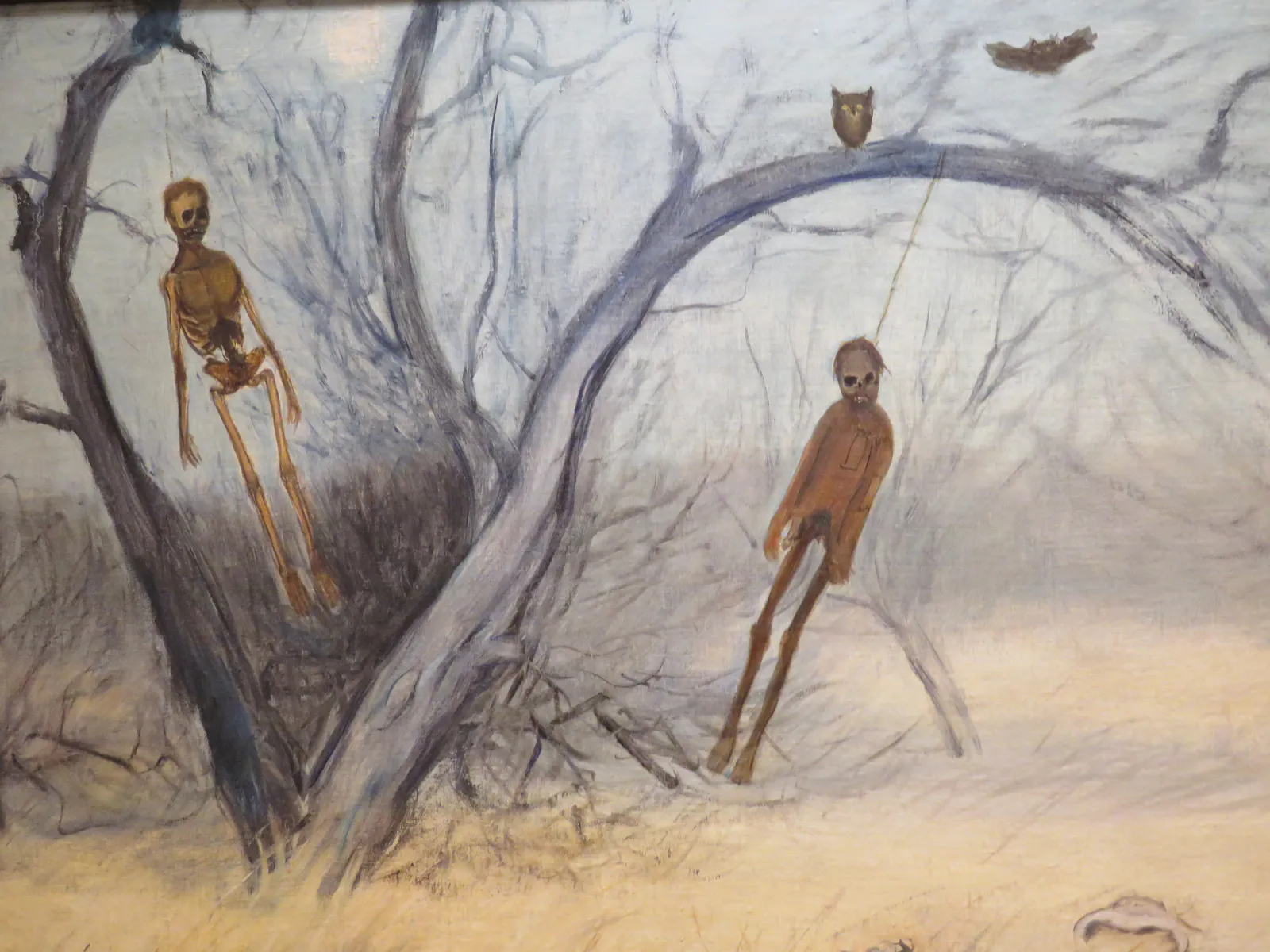
Zacatecas Landscape with Hanged Men
Francisco Goitia
This 1914 canvas exposes the horrors of the Mexican Revolution. Two skeletal corpses hang from a barren tree, their twisted bodies blending with the lifeless landscape, while an owl perches above as a symbol of death. Goitia, who witnessed the battle of Zacatecas, rejected heroic depictions in favor of brutal realism. His work stands as both testimony and condemnation, capturing the trauma of a nation torn by war.
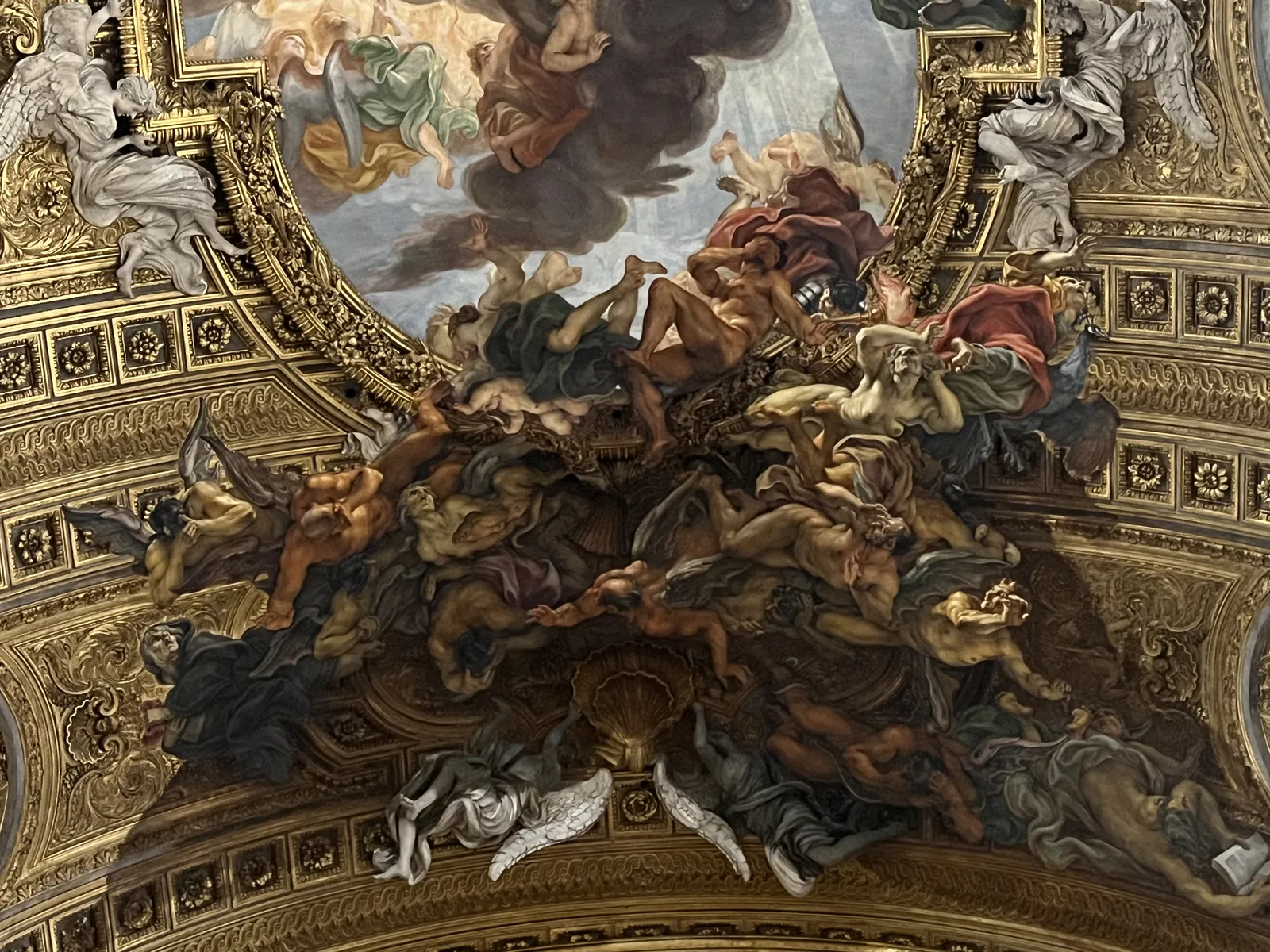
The Damned
Giovanni Battista Gaulli
In this dramatic segment (1676–79) from the Triumph of the Name of Jesus, Gaulli casts the damned from heaven into shadow and chaos. Their bodies twist, morph, and scream as they recoil from the divine light. Cloaked in darkness and shame, they contrast sharply with the radiant saved above—embodying Baroque emotion and the terrifying cost of spiritual failure.
“When the path is beautiful, do not ask where it leads.” — Zen proverb
Welcome to my travel photography!
“When the path is beautiful, do not ask where it leads.” — Zen proverb
Welcome to my travel photography!
For as long as I can remember, my path has been one of discovery—seeking beauty, timelessness, and connection in every corner of the world. It has also been a journey of deep learning and understanding. I’ve been an avid traveler (or perhaps a travel addict?) for most of my life. My love for travel began long before I ever left home: as a child, I drew a fantasy map of my grandparents’ apartment and “traveled” through it with my cousin Sonya, imagining adventures in every corner. Nearly 90 countries and countless moments of awe later, I’m excited to share this journey with you.
Thanks to the tireless and ingenious programming of Diagilev, we’re now able to present about fifteen percent of the images I’ve accumulated over the years. More will be released in small batches depending on your interest. While the first release leans toward museum photography, later ones will include more nature, architecture, culture, and general travel experiences. If you’d like to receive email notifications about new releases, feel free to reach out—no commercial use, ever.
Throughout my travels, I’ve been drawn to two intertwined kinds of discovery. One is intellectual: learning why the world is the way it is. History became my guide, shaping my perspective and filling my camera roll with museums and old buildings. To me, history is not the past—it is the key to understanding the present and how the world became what it is. The other is emotional: seeking moments of elevation—spirituality, beauty, harmony—often found in nature, monasteries, and ancient sacred spaces. Together, these impulses shape my photography. It invites you to learn, admire, and soar—to rise above the mundane and see the world through a lens of curiosity and wonder.
Much of my later travel became possible thanks to my job with Delta Air Lines, but the wanderlust began years earlier. By the time I joined the industry, I had already visited over 35 countries and lived in several—largely thanks to a backpacking journey around the world with Luis León, whose face appears in many early photos. I grew up in Ufa in the USSR, and since leaving it I have lived, studied, and worked in Latvia, the United States, France, South Korea, Canada, Spain, Italy, Brazil, Japan, and Colombia.
A life of near-constant movement may seem a little crazy, but it has deepened my understanding of the world and produced the photography you are about to see. Over the years, my style has evolved—more intentional, more refined—yet its core remains the same: a search for understanding, timeless beauty, and a connection to those who walked this earth long before us.
I hope these photos stir something in your soul, just as they did in mine. I’d love to hear from you—whether reactions, suggestions, corrections, or a request to be added to the email list for new releases (no commercial use, I promise). You can learn more about my travels here, and my academic life here.
Enjoy our shared journey!