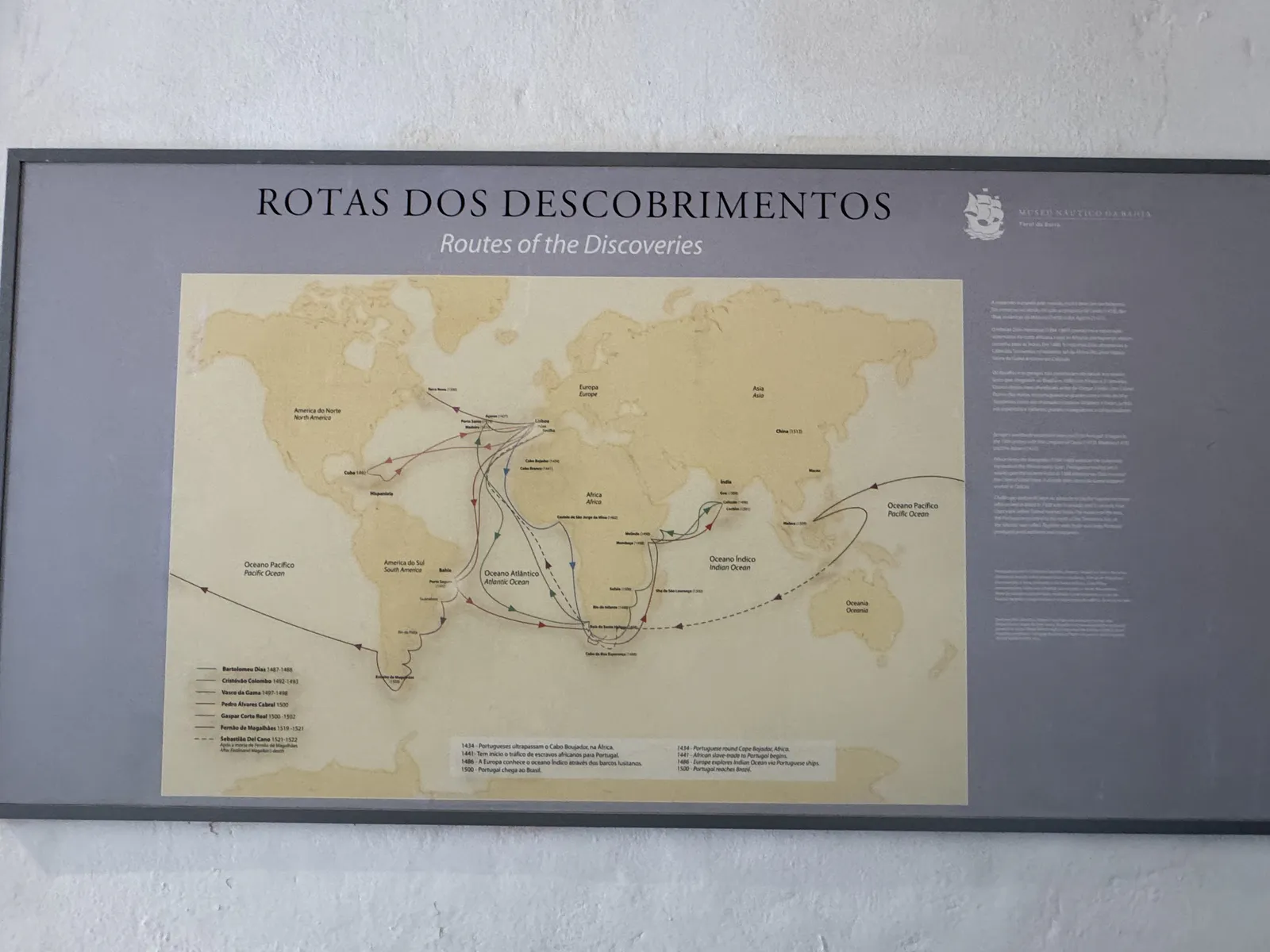
Portuguese Maritime Explorations
A Bahian Saint’s Unusual Rise Through the Army Ranks
A Bahian Saint’s Military Career
Brazil, a strongly Catholic country, long saw the Church present in every sphere of social life, including the army. In Salvador, the image of Saint Anthony at the Forte da Barra—also the city’s first patron saint—was officially given a soldier’s rank and pay in the mid-17th c., and promoted to captain in 1705. This unusual military appointment illustrates both the Church’s cultural influence and the popular reach of Catholic devotion in Bahia. The saint’s image continued to receive promotions and corresponding salaries for centuries, until it was finally removed from the army payroll in 1912, by which time it held the rank of lieutenant colonel.
Brazil, a strongly Catholic country, long saw the Church present in every sphere of social life, including the army. In Salvador, the image of Saint Anthony at the Forte da Barra—also the city’s first patron saint—was officially given a soldier’s rank and pay in the mid-17th c., and promoted to captain in 1705. This unusual military appointment illustrates both the Church’s cultural influence and the popular reach of Catholic devotion in Bahia. The saint’s image continued to receive promotions and corresponding salaries for centuries, until it was finally removed from the army payroll in 1912, by which time it held the rank of lieutenant colonel.
The Tragic Sinking of the Galleon Santíssimo Sacramento
Galleon Santíssimo Sacramento
The Santíssimo Sacramento, a 500-ton galleon built between 1650–51 at the Ribeira das Naus shipyard in Porto for the Companhia Geral do Comércio do Brasil, served in the armed conavoys protecting merchant fleets. On the night of 5 May 1668, as cannon fire from the Forte de Santo Antônio signaled the fleet’s arrival, a violent storm in the bay pushed the ship off course as it approached Salvador. Driven toward the shore, it sank around 11 p.m., taking with it Francisco Corrêa da Silva—about to assume office as Governor General of Brazil—along with the captain, several officers, crew members, and numerous passengers. Nearly 400 people died, with roughly 70 survivors, marking one of the most tragic maritime losses in colonial Brazil.
The Santíssimo Sacramento, a 500-ton galleon built between 1650–51 at the Ribeira das Naus shipyard in Porto for the Companhia Geral do Comércio do Brasil, served in the armed conavoys protecting merchant fleets. On the night of 5 May 1668, as cannon fire from the Forte de Santo Antônio signaled the fleet’s arrival, a violent storm in the bay pushed the ship off course as it approached Salvador. Driven toward the shore, it sank around 11 p.m., taking with it Francisco Corrêa da Silva—about to assume office as Governor General of Brazil—along with the captain, several officers, crew members, and numerous passengers. Nearly 400 people died, with roughly 70 survivors, marking one of the most tragic maritime losses in colonial Brazil.
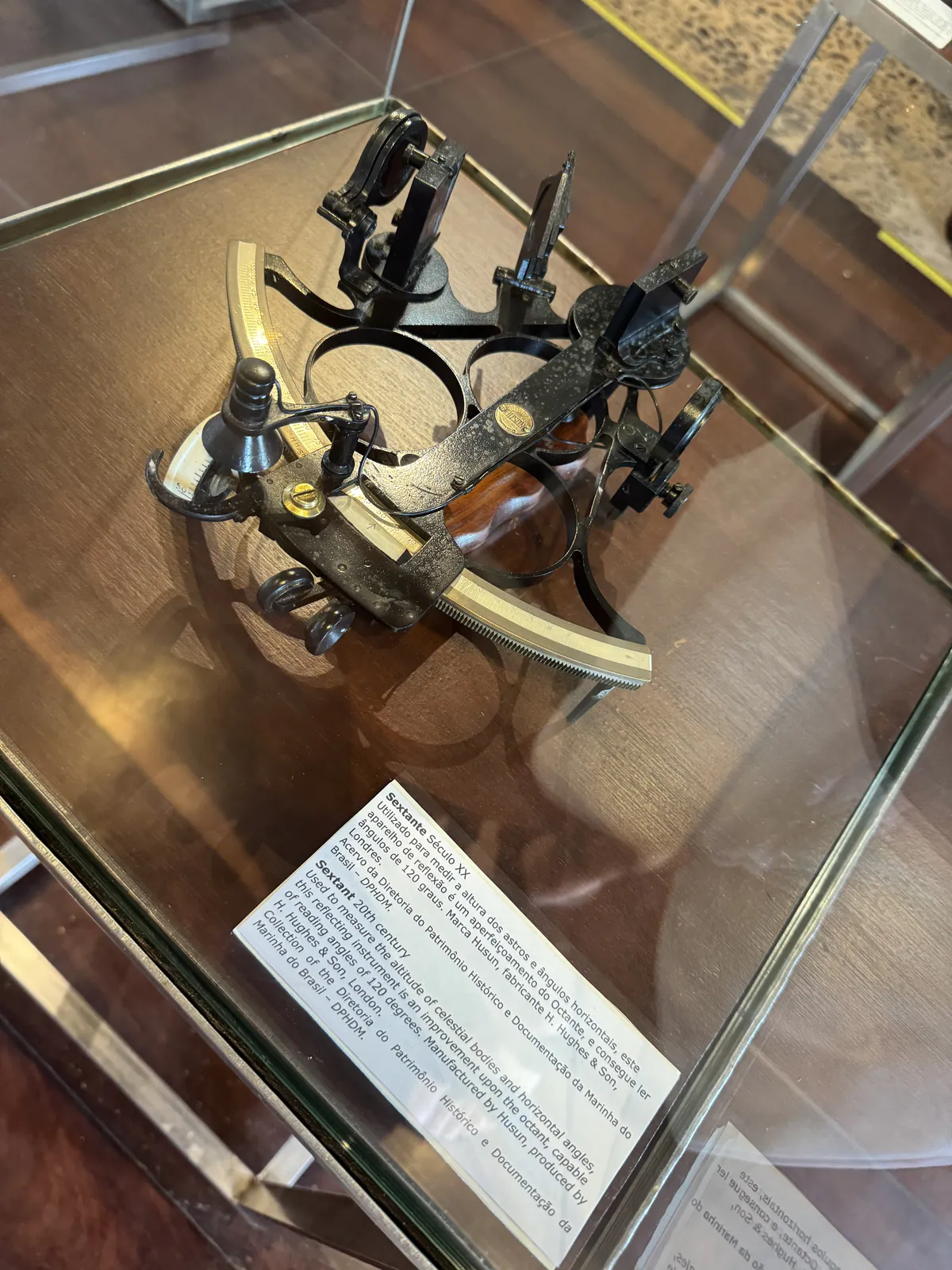
Marine Sextant
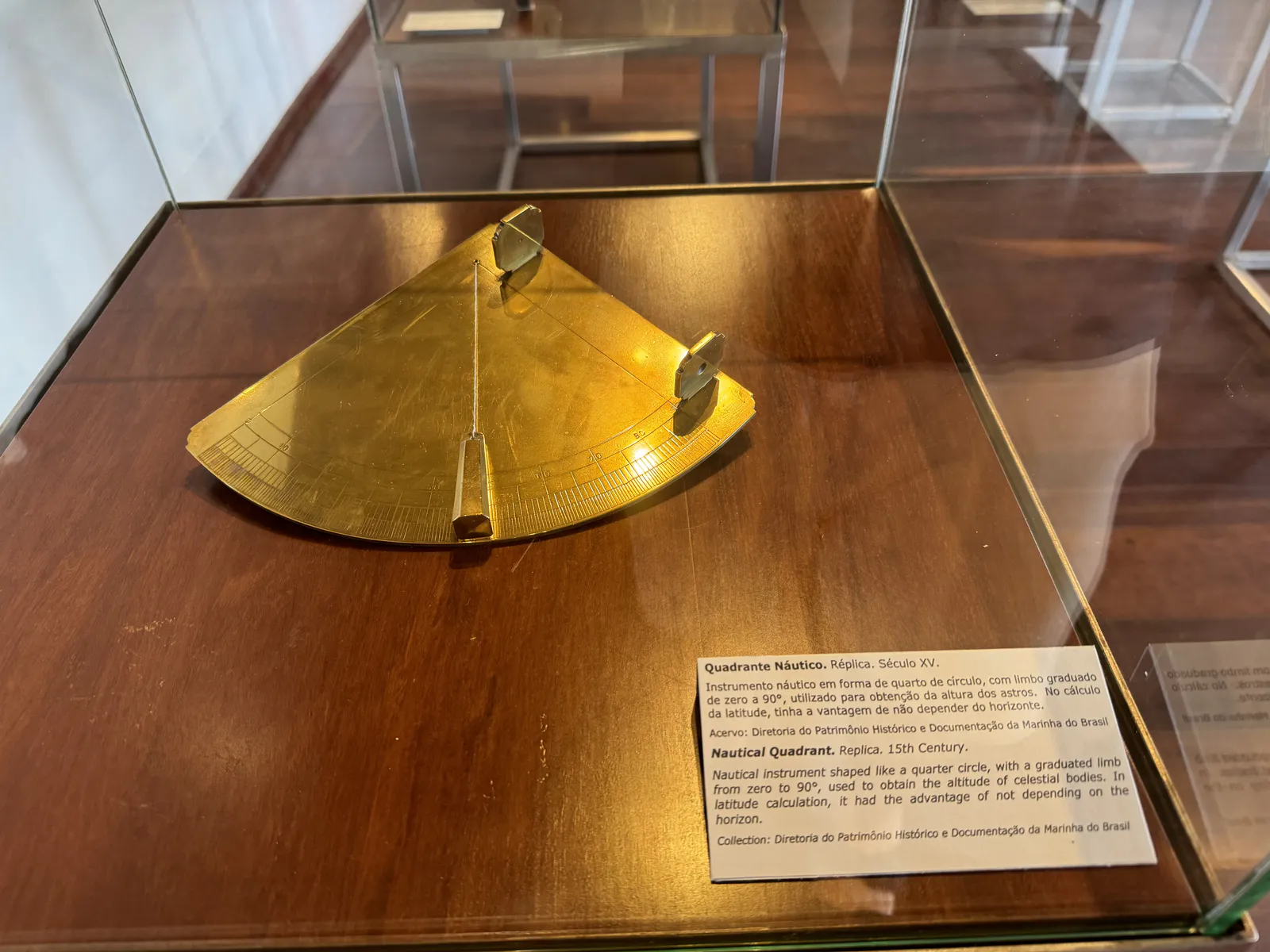
Nautical Quadrant
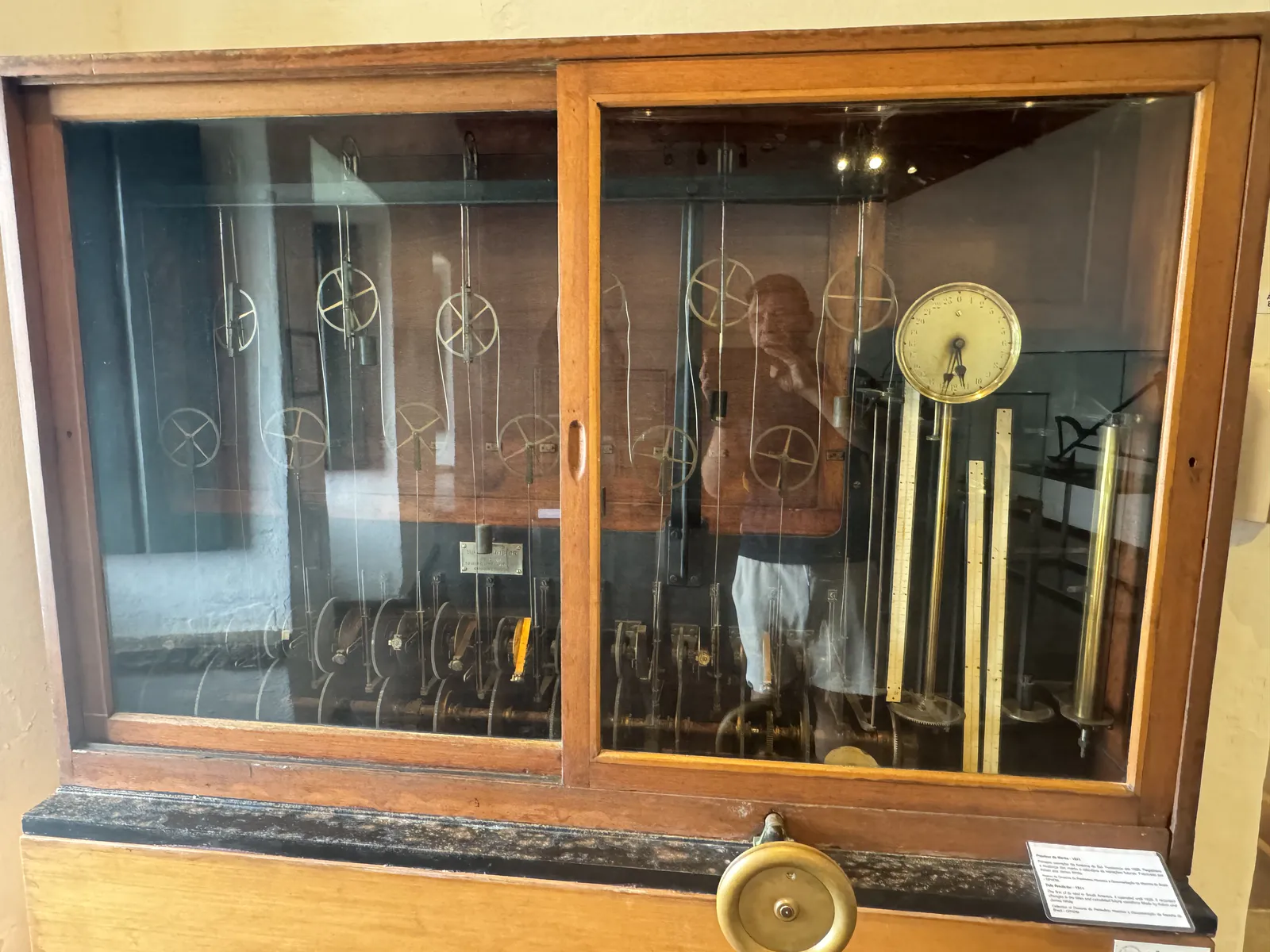
Longitude Calculation Device
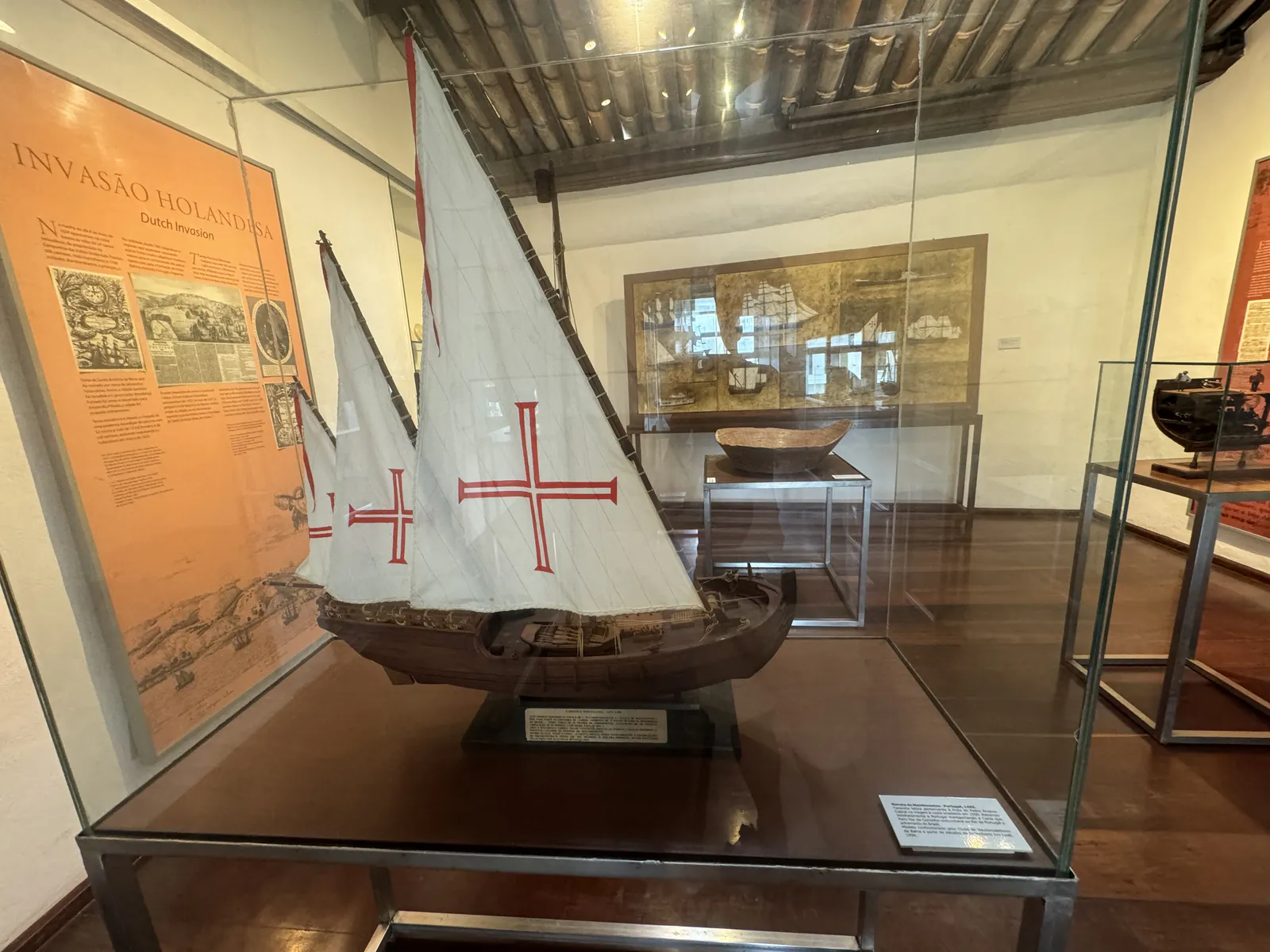
A Portuguese Caravel
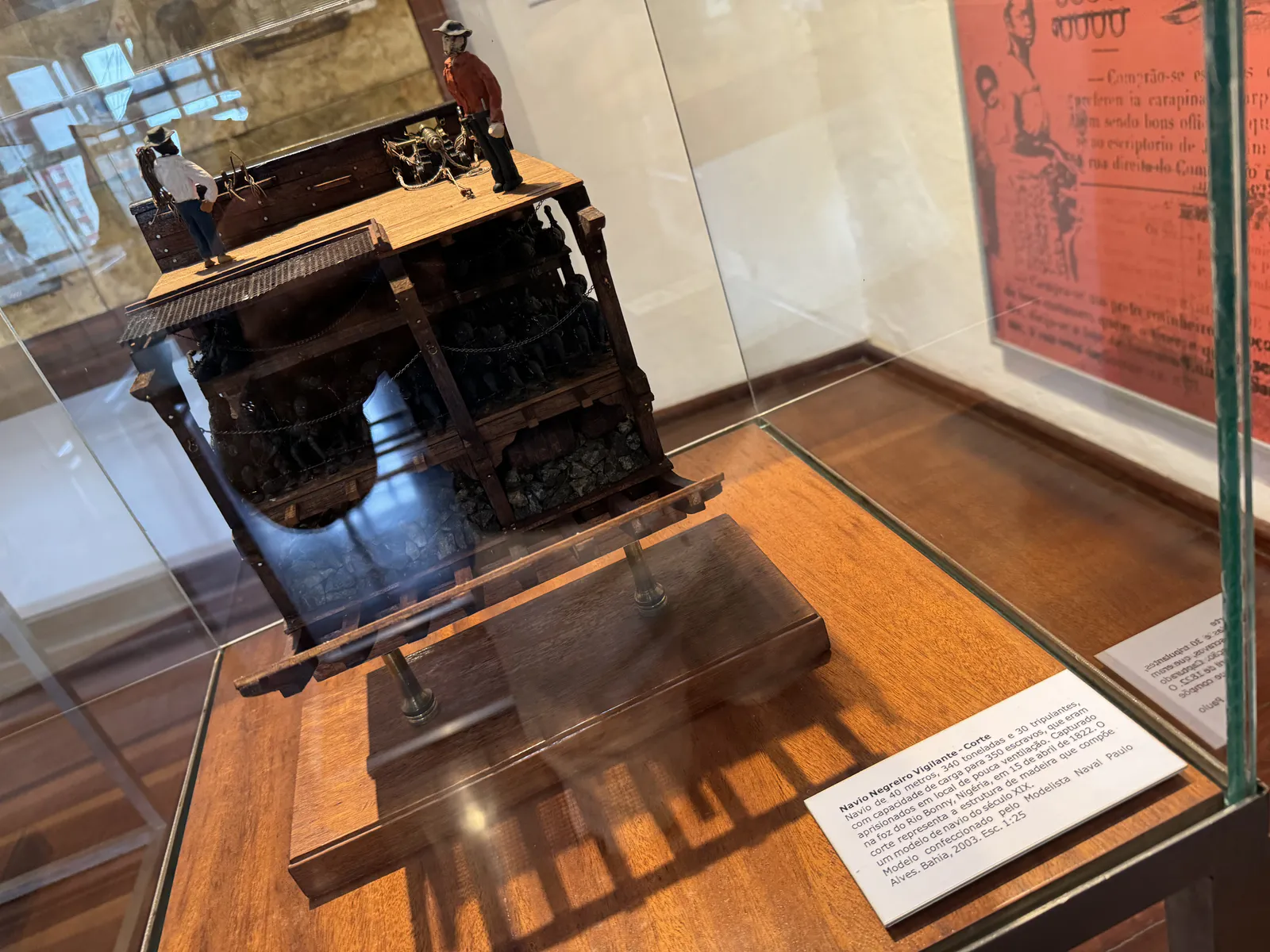
Model of the Slave Ship Vigilante
First Peoples of Todos os Santos Bay and Their Legacy
The First Inhabitants of the Bay
Thirty to forty thousand years ago, the ancestors of today’s Amerindians crossed the Bering Strait during the Ice Age and eventually reached Brazil. When the Portuguese arrived in the 16th c., the region of Todos os Santos Bay was inhabited by the Tupinambá, who had displaced the Tupiniquim and lived in groups of 500–3000. Early missionary Manoel da Nóbrega described them as warlike, skilled in hunting, fishing, and agriculture, and “overly lustful.” To convert and control them, the Church created coastal and inland missions where Amerindians were enslaved and Catholicized. Elements of Indigenous culture endure in place names, daily customs, and foods such as manioc and grilled meats.
Thirty to forty thousand years ago, the ancestors of today’s Amerindians crossed the Bering Strait during the Ice Age and eventually reached Brazil. When the Portuguese arrived in the 16th c., the region of Todos os Santos Bay was inhabited by the Tupinambá, who had displaced the Tupiniquim and lived in groups of 500–3000. Early missionary Manoel da Nóbrega described them as warlike, skilled in hunting, fishing, and agriculture, and “overly lustful.” To convert and control them, the Church created coastal and inland missions where Amerindians were enslaved and Catholicized. Elements of Indigenous culture endure in place names, daily customs, and foods such as manioc and grilled meats.
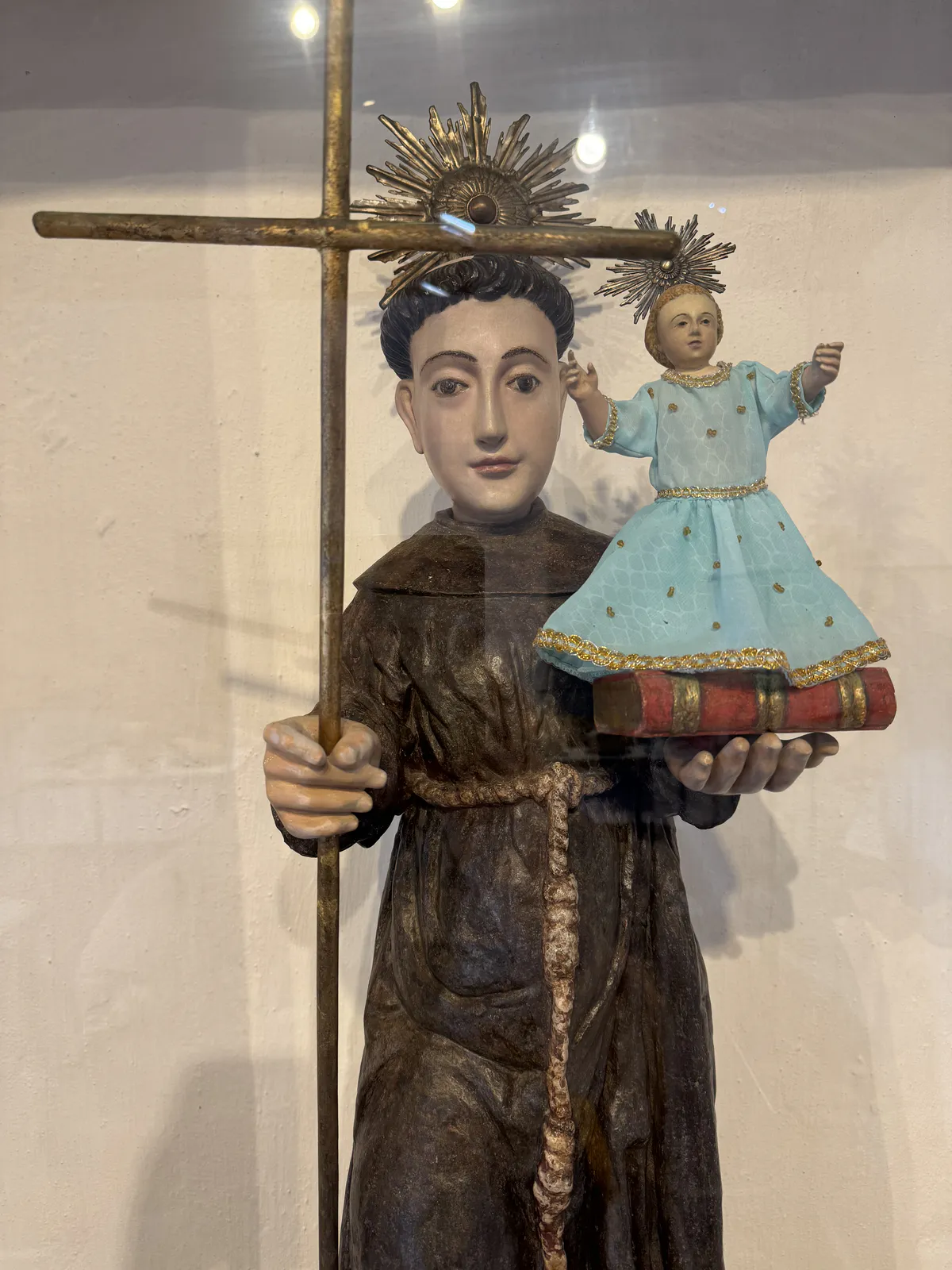
Saint Anthony as Military Captain
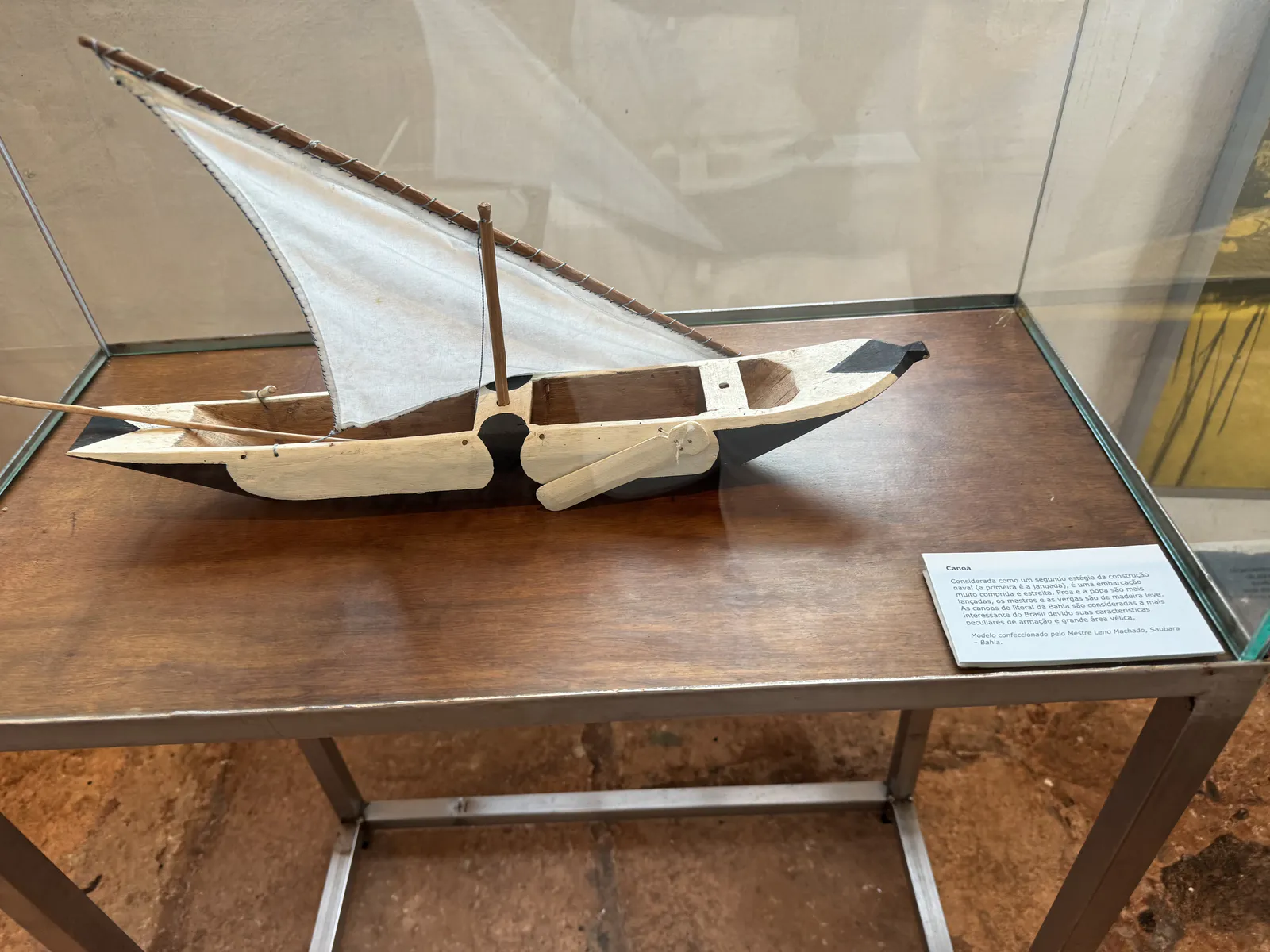
Bahian Sailing Canoe
Amerindians and the Origins of Brazil
Amerindians and the Origins of Brazil
Thirty to forty thousand years ago, the ancestors of today’s Indigenous peoples crossed the Bering Strait during the Ice Age and gradually peopled the Americas. When the Portuguese reached Brazil in the 16th c., Todos os Santos Bay was inhabited by the Tupinambá, distant descendants of those migrants. They had expelled the Tupiniquim from this fertile region and lived in groups of 500 to 3,000. Early missionary Father Manoel da Nóbrega described them as very warlike, highly sensual, and skilled hunters, fishers, and farmers.
To convert and control the Tupinambá, the Church established missions along the coast and inland, aligned with colonial conquest and settlement. Indigenous people were forced into labour and subjected to Jesuit evangelisation. Yet Indigenous culture endures in place names for towns, rivers, and hills, in Brazilians’ love of bright colours and frequent bathing, and in culinary practices such as cooking with manioc and grilling meat on skewers.
Thirty to forty thousand years ago, the ancestors of today’s Indigenous peoples crossed the Bering Strait during the Ice Age and gradually peopled the Americas. When the Portuguese reached Brazil in the 16th c., Todos os Santos Bay was inhabited by the Tupinambá, distant descendants of those migrants. They had expelled the Tupiniquim from this fertile region and lived in groups of 500 to 3,000. Early missionary Father Manoel da Nóbrega described them as very warlike, highly sensual, and skilled hunters, fishers, and farmers.
To convert and control the Tupinambá, the Church established missions along the coast and inland, aligned with colonial conquest and settlement. Indigenous people were forced into labour and subjected to Jesuit evangelisation. Yet Indigenous culture endures in place names for towns, rivers, and hills, in Brazilians’ love of bright colours and frequent bathing, and in culinary practices such as cooking with manioc and grilling meat on skewers.
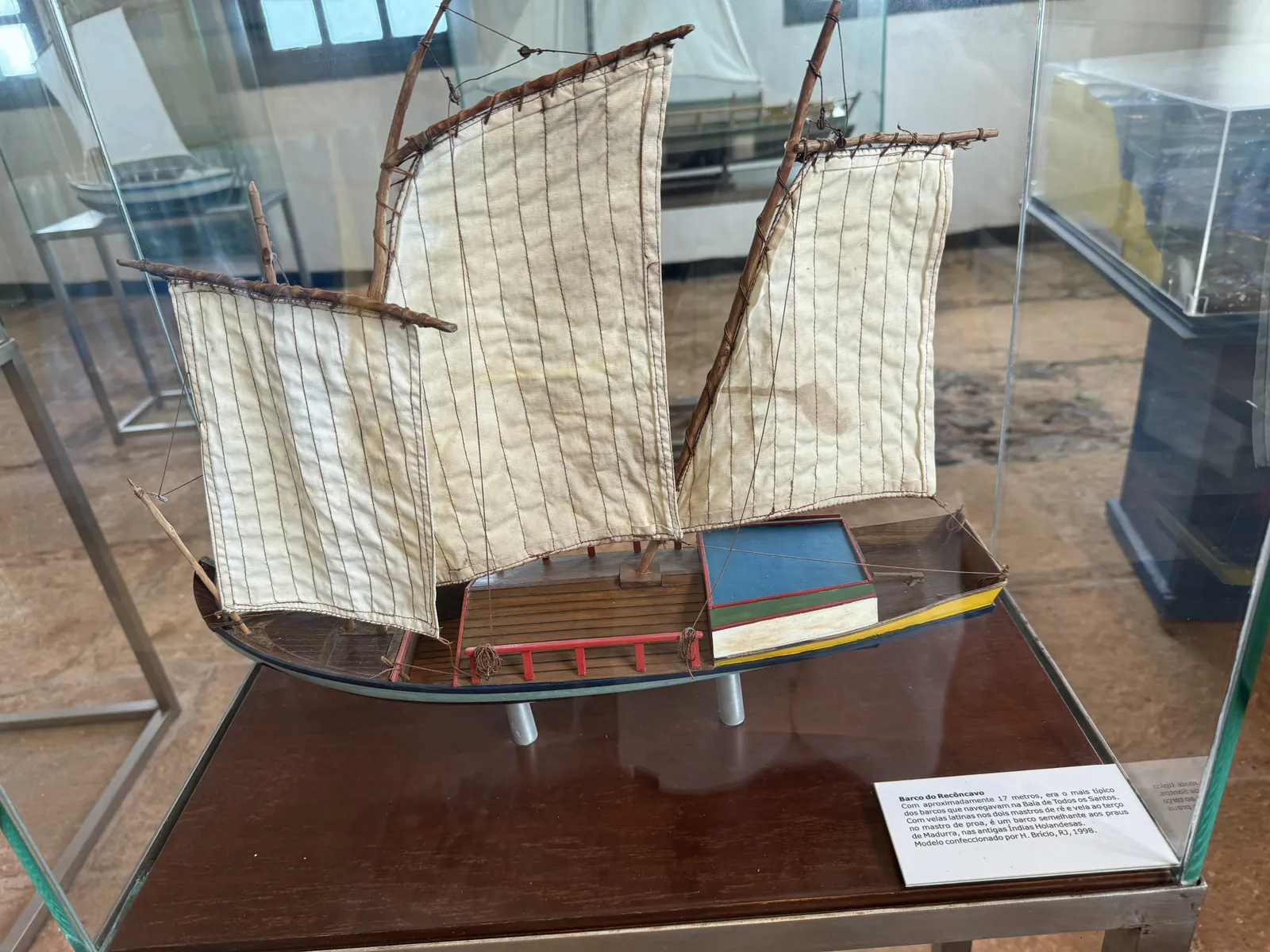
Boat from the Recôncavo
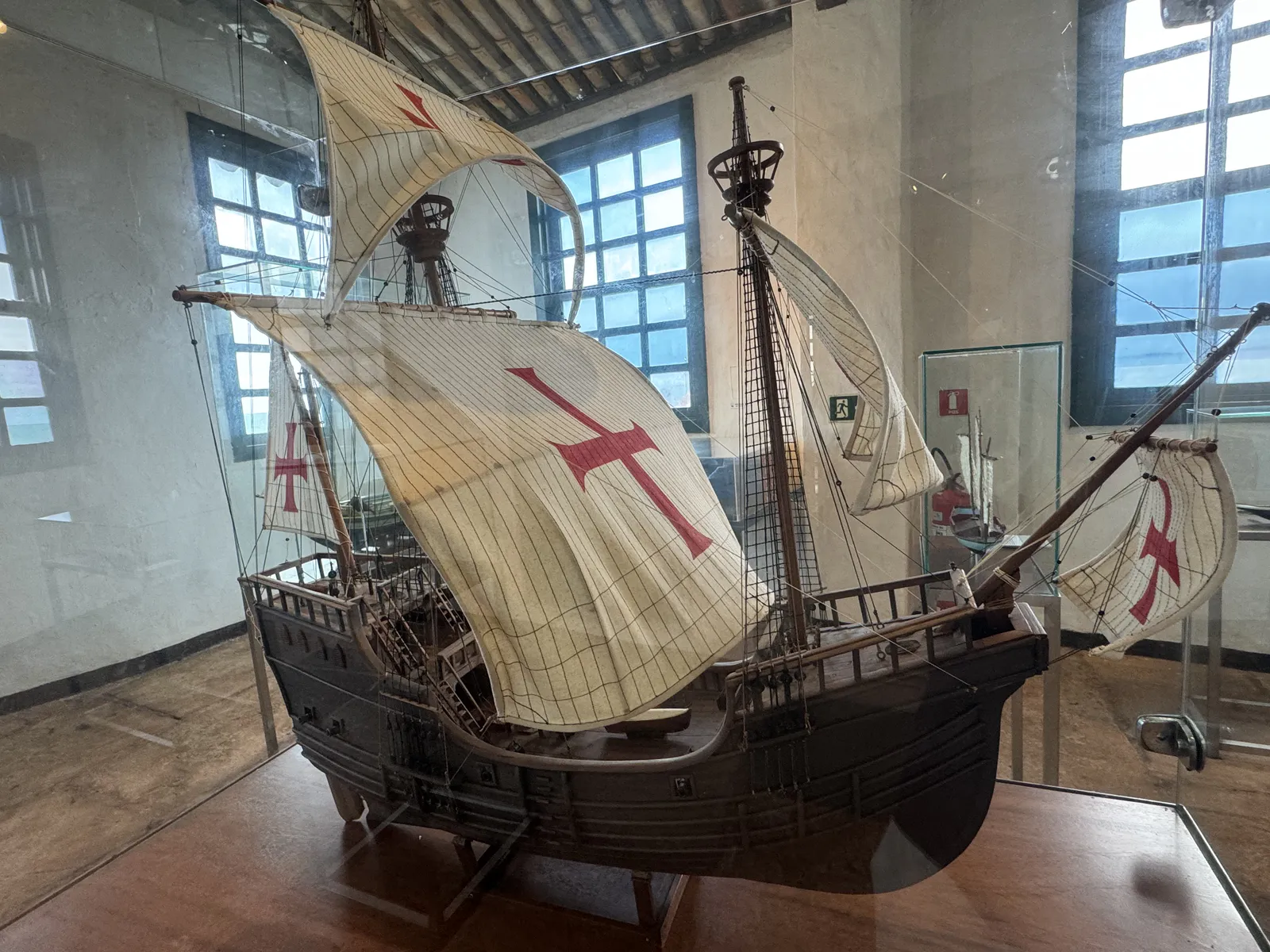
Portuguese Carrack São Gabriel
A Bahian Saint’s Military Career in Colonial Brazil
A Bahian Saint’s Military Career
In colonial Brazil, where Catholic influence reached every sphere of life, the statue of St Anthony at the Forte da Barra was officially enrolled in the garrison in the mid-17th c., receiving a soldier’s rank and pay. Over the following centuries, popular devotion sustained this unusual practice, and the image was repeatedly promoted, eventually reaching lieutenant colonel. The tradition reveals both the Church’s deep presence in Bahian society and the merging of religious symbolism with civic identity. The saint’s military salary was finally withdrawn in 1912, ending a custom that had blended faith and public service for generations.
In colonial Brazil, where Catholic influence reached every sphere of life, the statue of St Anthony at the Forte da Barra was officially enrolled in the garrison in the mid-17th c., receiving a soldier’s rank and pay. Over the following centuries, popular devotion sustained this unusual practice, and the image was repeatedly promoted, eventually reaching lieutenant colonel. The tradition reveals both the Church’s deep presence in Bahian society and the merging of religious symbolism with civic identity. The saint’s military salary was finally withdrawn in 1912, ending a custom that had blended faith and public service for generations.
The Galleon Santíssimo Sacramento: Shipwreck and Empire
The Galleon Santíssimo Sacramento: Shipwreck and Empire
On the night of 5 May 1668, cannon at the Forte de Santo Antônio da Barra announced the arrival of the galleon Santíssimo Sacramento at the entrance to Todos os Santos Bay. A violent storm near the anchorage drove the ship off course as it approached port, and it sank around 11 p.m. Among the dead were the incoming governor-general of Brazil, the captain, several clerics and nobles, and many families. The death toll approached 400; barely some 70 people survived.
The Santíssimo Sacramento, a 500-ton galleon armed with about sixty iron and bronze cannon, was built between 1650 and 1651 at the Ribeira das Naus shipyard in Porto, northern Portugal. It belonged to the Companhia Geral do Comércio do Brasil, founded in 1649, which maintained its own war fleet to escort merchant convoys on the Brazil run, linking commercial interests, naval power, and colonial expansion.
On the night of 5 May 1668, cannon at the Forte de Santo Antônio da Barra announced the arrival of the galleon Santíssimo Sacramento at the entrance to Todos os Santos Bay. A violent storm near the anchorage drove the ship off course as it approached port, and it sank around 11 p.m. Among the dead were the incoming governor-general of Brazil, the captain, several clerics and nobles, and many families. The death toll approached 400; barely some 70 people survived.
The Santíssimo Sacramento, a 500-ton galleon armed with about sixty iron and bronze cannon, was built between 1650 and 1651 at the Ribeira das Naus shipyard in Porto, northern Portugal. It belonged to the Companhia Geral do Comércio do Brasil, founded in 1649, which maintained its own war fleet to escort merchant convoys on the Brazil run, linking commercial interests, naval power, and colonial expansion.
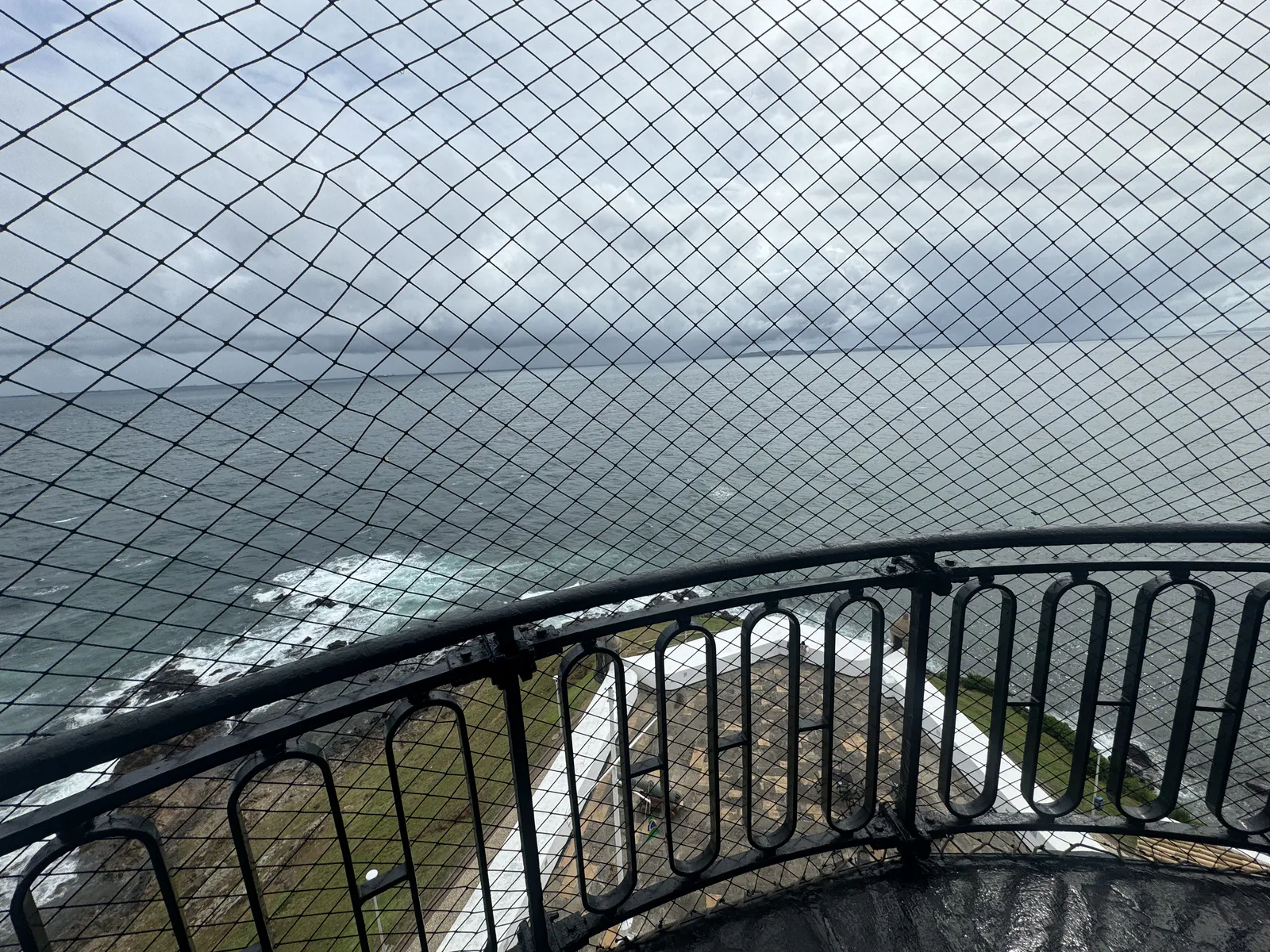
View from the Farol da Barra
Museu Náutico da Bahia
### A CARREIRA MILITAR DE UM SANTOΟ ΒΑΙΑΝΟ
A Bahian Saint's Military Career
2024-06-04
Itapua, Salvador
2024-06-01
Itapua, Salvador
S
☆
☆
2024-06-04
Itapua, Salvador
☆
2024-06-04
2024-06-04
Itapuä, Salvador
2024-06-04
Itapua, Salvador
+
New Folder
20
S
País de forte inclinação católica, o Brasil se acostumou, desde cedo, a conviver com a presença da Igreja em todas as esferas de sua vida social. No comércio, na literatura, na política e até nas forças armadas a Igreja se fez presente, direta ou indiretamente. É o que atesta a adoção como primeiro padroeiro da cidade de Salvador e a patente militar, no grau de soldado, concedida à imagem do Santo Antônio do Forte da Barra em meados do século XVII, elevado a capitão em 1705.
A strongly Catholic country, Brazil soon became accustomed to the Church's presence in all walks of life. Even in the military. The fort's statue of St. Anthony Salvador's first patron saint, was given a soldier's rank and pay in the mid-17th century and promoted to captain in 1705
The saint or his statue got promotions and raises for hundreds of years until he was struck from the military payroll in 1912.By that time he was a lieutenant colonel
2024-06-04 Itapua, Salvador
2024-06-04
Itapua, Salvador
2024-06-04
Itapuã, Salvador
Itapua, Ivador
2024-06-05
Barra, Salvador
Descr.db
Ad
☆
A
A curiosa nomeação militar de Santo Antônio é uma evidência da presença marcante da Igreja na vida cultural e da popularização que o catolicismo viveu na sociedade baiana. O Santo, quer dizer, a sua imagem, que ganhou promoções e vencimentos correspondentes durante séculos, só teve seu soldo cassado em 1912, quando já detinha o posto de Tenente-Coronel.
###GALEÃO SANTÍSSIMO SACRAMENTO
20
I
NAUFRÁGIO E HISTÓRIA
2824-06HOA Routes of Discoveries
☆
2024-06-04
Itapua, Salvador
Π
☆
Santíssimo Sacramento (Shipwreck and Background)
2024-06-04
Itapua, Salvador
2024-06-01
Itapua, Salvador
2024-06-04
Itapua, Salvador
2024-06-04
Itapua, Ivador
+
2024-06-04
Itapuä, Salvador
2024-06-04
Itapua, Salvador
les do Forte de Santo da Barma ruigiram
sna noite do dia 5 de de 1668, anunciando ação da Cidade do accolhida no início da
que entre outras finalidades
mercantilistas mantinha uma armada de guerra para dar comboio às frotas mercantes da Carreira do Brasil
kenta tormenta no Rio próximo da atracação, Sacramento derivou ra agonia de sua ando ás 11 horas da igo o Governador rea da Silva, que inia amandante da Cristóvã scan.mlige
um total de Mam da da
May 5: 1664 Fort Santo Are de arma's cannons reared umfully in the night. A violent ood pushed the Sanssimo Sacramento off coone as she win soiling into port. The guileon sunk at 11 pm, ang with it Francisco Comea da Silva, who was about to take office as governor general of Brazil the ship's caαρτων. Επετόνου δε
Cosseveral clets and disc and numerous familles. The death toll nipped 400. Junt 70 alors survivent
A500-cow galleon armed with ion and bronze cannons, the Santissuno Sacramento was built in 1650 and 1657 the shipyards of Pirtis, Portugal Her owner was the General Trading Company of Bru which had its own feet of warshipste protect conveys of menharem
2024-06-04
Itapua, Salvador
2024-06-06
Barra, Salvador
Descr.db
Kew Folder
Add Phot
Cove
A
☆
madamente com cerca de 60 tronne, o Galvão
Santissimo Sacramento foi construido
entre os anos de 1650 e 1651 na Ribeira das Naus da cidade do Porto, norte de Portugal Pertencia à Companhia Geral do Comércio do Brasil, fundada em 1649
###Thirty to forty thousand years ago, the Asiatic ancestors of our Amerindians discovered the Americas. They crossed the Bering Strait to the Aleutian Islands during the Ice Age.
When the Portuguese arrived in Brazil in the 16th century, Todos os Santos Bay was settled by distant relatives of those Asiatic discoverers: the Tupinambá people, who had driven the Tupiniquim from that rich and fruitful land, and lived there in groups of 500 to 3000. According to Father Manoel da Nóbrega, an early missionary, they were very warlike, “overly lustful,” and great hunters, fishers and farmers.
To convert the Tupinambá, the Church established mission settlements on the coast and further inland according to the needs of conquest and settlement. Amerindians were forced to work as slaves and Catholicized by the Jesuits.
Indigenous culture lives on in the names of towns, rivers, hills, and people; in the Brazilians’ love of bright colors and frequent bathing; cooking with manioc and grilling meat on skewers.
COPYRIGHT
A Bahian Saint's Military Career
2024-06-04
Itapua, Salvador
2024-06-01
Itapua, Salvador
S
☆
☆
2024-06-04
Itapua, Salvador
☆
2024-06-04
2024-06-04
Itapuä, Salvador
2024-06-04
Itapua, Salvador
+
New Folder
20
S
País de forte inclinação católica, o Brasil se acostumou, desde cedo, a conviver com a presença da Igreja em todas as esferas de sua vida social. No comércio, na literatura, na política e até nas forças armadas a Igreja se fez presente, direta ou indiretamente. É o que atesta a adoção como primeiro padroeiro da cidade de Salvador e a patente militar, no grau de soldado, concedida à imagem do Santo Antônio do Forte da Barra em meados do século XVII, elevado a capitão em 1705.
A strongly Catholic country, Brazil soon became accustomed to the Church's presence in all walks of life. Even in the military. The fort's statue of St. Anthony Salvador's first patron saint, was given a soldier's rank and pay in the mid-17th century and promoted to captain in 1705
The saint or his statue got promotions and raises for hundreds of years until he was struck from the military payroll in 1912.By that time he was a lieutenant colonel
2024-06-04 Itapua, Salvador
2024-06-04
Itapua, Salvador
2024-06-04
Itapuã, Salvador
Itapua, Ivador
2024-06-05
Barra, Salvador
Descr.db
Ad
☆
A
A curiosa nomeação militar de Santo Antônio é uma evidência da presença marcante da Igreja na vida cultural e da popularização que o catolicismo viveu na sociedade baiana. O Santo, quer dizer, a sua imagem, que ganhou promoções e vencimentos correspondentes durante séculos, só teve seu soldo cassado em 1912, quando já detinha o posto de Tenente-Coronel.
###GALEÃO SANTÍSSIMO SACRAMENTO
20
I
NAUFRÁGIO E HISTÓRIA
2824-06HOA Routes of Discoveries
☆
2024-06-04
Itapua, Salvador
Π
☆
Santíssimo Sacramento (Shipwreck and Background)
2024-06-04
Itapua, Salvador
2024-06-01
Itapua, Salvador
2024-06-04
Itapua, Salvador
2024-06-04
Itapua, Ivador
+
2024-06-04
Itapuä, Salvador
2024-06-04
Itapua, Salvador
les do Forte de Santo da Barma ruigiram
sna noite do dia 5 de de 1668, anunciando ação da Cidade do accolhida no início da
que entre outras finalidades
mercantilistas mantinha uma armada de guerra para dar comboio às frotas mercantes da Carreira do Brasil
kenta tormenta no Rio próximo da atracação, Sacramento derivou ra agonia de sua ando ás 11 horas da igo o Governador rea da Silva, que inia amandante da Cristóvã scan.mlige
um total de Mam da da
May 5: 1664 Fort Santo Are de arma's cannons reared umfully in the night. A violent ood pushed the Sanssimo Sacramento off coone as she win soiling into port. The guileon sunk at 11 pm, ang with it Francisco Comea da Silva, who was about to take office as governor general of Brazil the ship's caαρτων. Επετόνου δε
Cosseveral clets and disc and numerous familles. The death toll nipped 400. Junt 70 alors survivent
A500-cow galleon armed with ion and bronze cannons, the Santissuno Sacramento was built in 1650 and 1657 the shipyards of Pirtis, Portugal Her owner was the General Trading Company of Bru which had its own feet of warshipste protect conveys of menharem
2024-06-04
Itapua, Salvador
2024-06-06
Barra, Salvador
Descr.db
Kew Folder
Add Phot
Cove
A
☆
madamente com cerca de 60 tronne, o Galvão
Santissimo Sacramento foi construido
entre os anos de 1650 e 1651 na Ribeira das Naus da cidade do Porto, norte de Portugal Pertencia à Companhia Geral do Comércio do Brasil, fundada em 1649
###Thirty to forty thousand years ago, the Asiatic ancestors of our Amerindians discovered the Americas. They crossed the Bering Strait to the Aleutian Islands during the Ice Age.
When the Portuguese arrived in Brazil in the 16th century, Todos os Santos Bay was settled by distant relatives of those Asiatic discoverers: the Tupinambá people, who had driven the Tupiniquim from that rich and fruitful land, and lived there in groups of 500 to 3000. According to Father Manoel da Nóbrega, an early missionary, they were very warlike, “overly lustful,” and great hunters, fishers and farmers.
To convert the Tupinambá, the Church established mission settlements on the coast and further inland according to the needs of conquest and settlement. Amerindians were forced to work as slaves and Catholicized by the Jesuits.
Indigenous culture lives on in the names of towns, rivers, hills, and people; in the Brazilians’ love of bright colors and frequent bathing; cooking with manioc and grilling meat on skewers.
COPYRIGHT
Popular categories
Advertising space