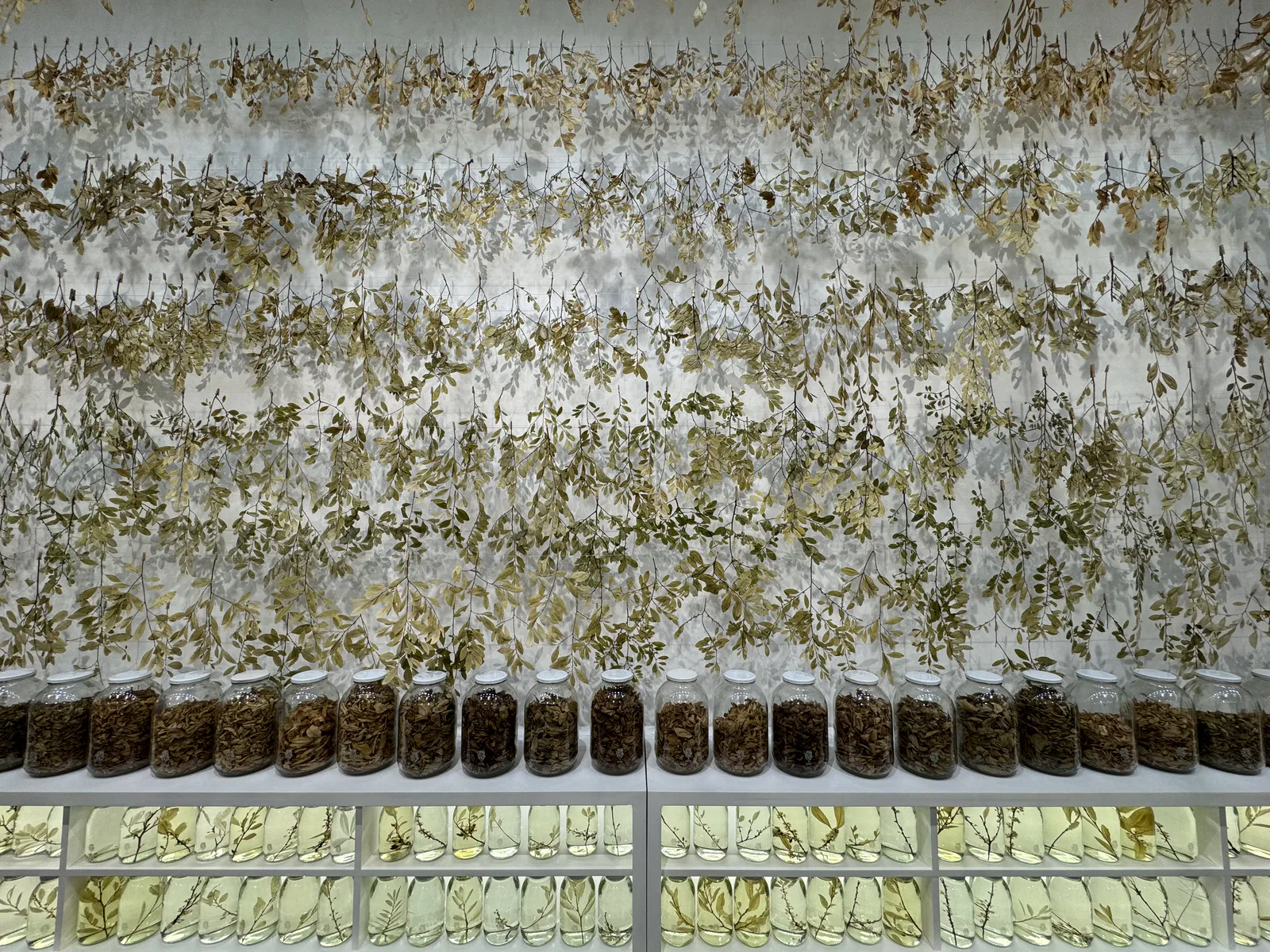
Coca: Ancestral Plant and Contested Symbol
Cultivated Coca Varieties and Landscapes of South America
Cultivated Coca Varieties in South America
The Khoka Project classifies coca (Erythroxylum spp.) into four major cultivated types, each tied to specific landscapes and traditions. Hayo (E. novogranatense var. novogranatense) was grown in pre-Columbian Colombia, especially in the Magdalena and Cauca valleys and the Sierra Nevada region. Thupa coca (E. novogranatense var. truxillense), known for its large “royal” leaves, likely originated on Peru’s northern desert coast and spread into the Andes and the Inca world, remaining common from Ecuador to northern Chile. Mamox coca (E. coca var. coca), linked to Andean highlands and humid eastern slopes, was cultivated from eastern Ecuador to Bolivia and the Amazonian foothills. Ipadu (E. coca var. ipadu), native to the lowland Amazon, has long been central to daily and ritual life among Indigenous groups of Brazil, Colombia, and Peru. Across South America, coca has been used for millennia for spiritual, medicinal, and social purposes, each variety adapted to a distinct ecological zone and cultural tradition.
The Khoka Project classifies coca (Erythroxylum spp.) into four major cultivated types, each tied to specific landscapes and traditions. Hayo (E. novogranatense var. novogranatense) was grown in pre-Columbian Colombia, especially in the Magdalena and Cauca valleys and the Sierra Nevada region. Thupa coca (E. novogranatense var. truxillense), known for its large “royal” leaves, likely originated on Peru’s northern desert coast and spread into the Andes and the Inca world, remaining common from Ecuador to northern Chile. Mamox coca (E. coca var. coca), linked to Andean highlands and humid eastern slopes, was cultivated from eastern Ecuador to Bolivia and the Amazonian foothills. Ipadu (E. coca var. ipadu), native to the lowland Amazon, has long been central to daily and ritual life among Indigenous groups of Brazil, Colombia, and Peru. Across South America, coca has been used for millennia for spiritual, medicinal, and social purposes, each variety adapted to a distinct ecological zone and cultural tradition.
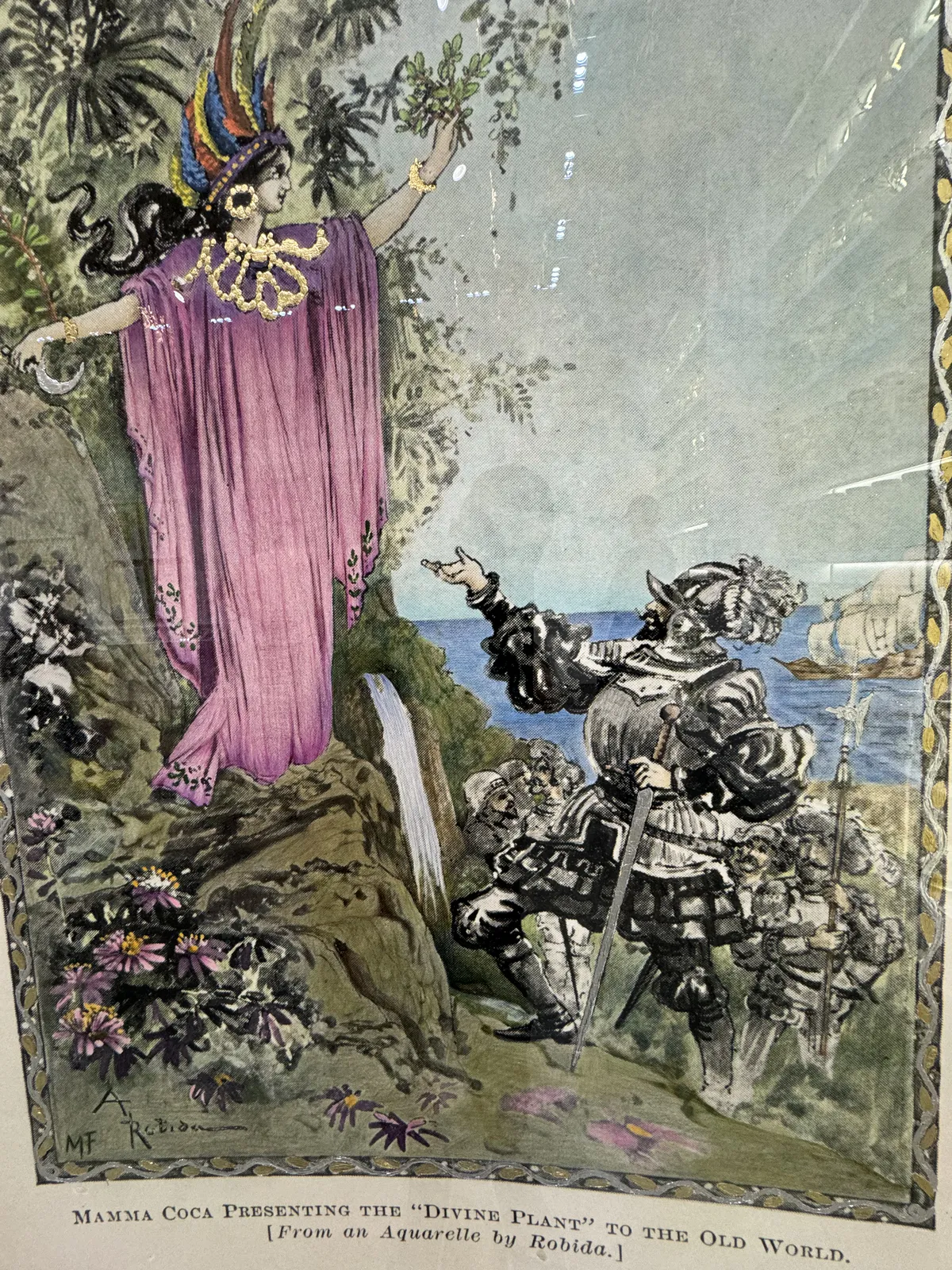
Mamma Coca Presenting the Divine Plant to the Old World
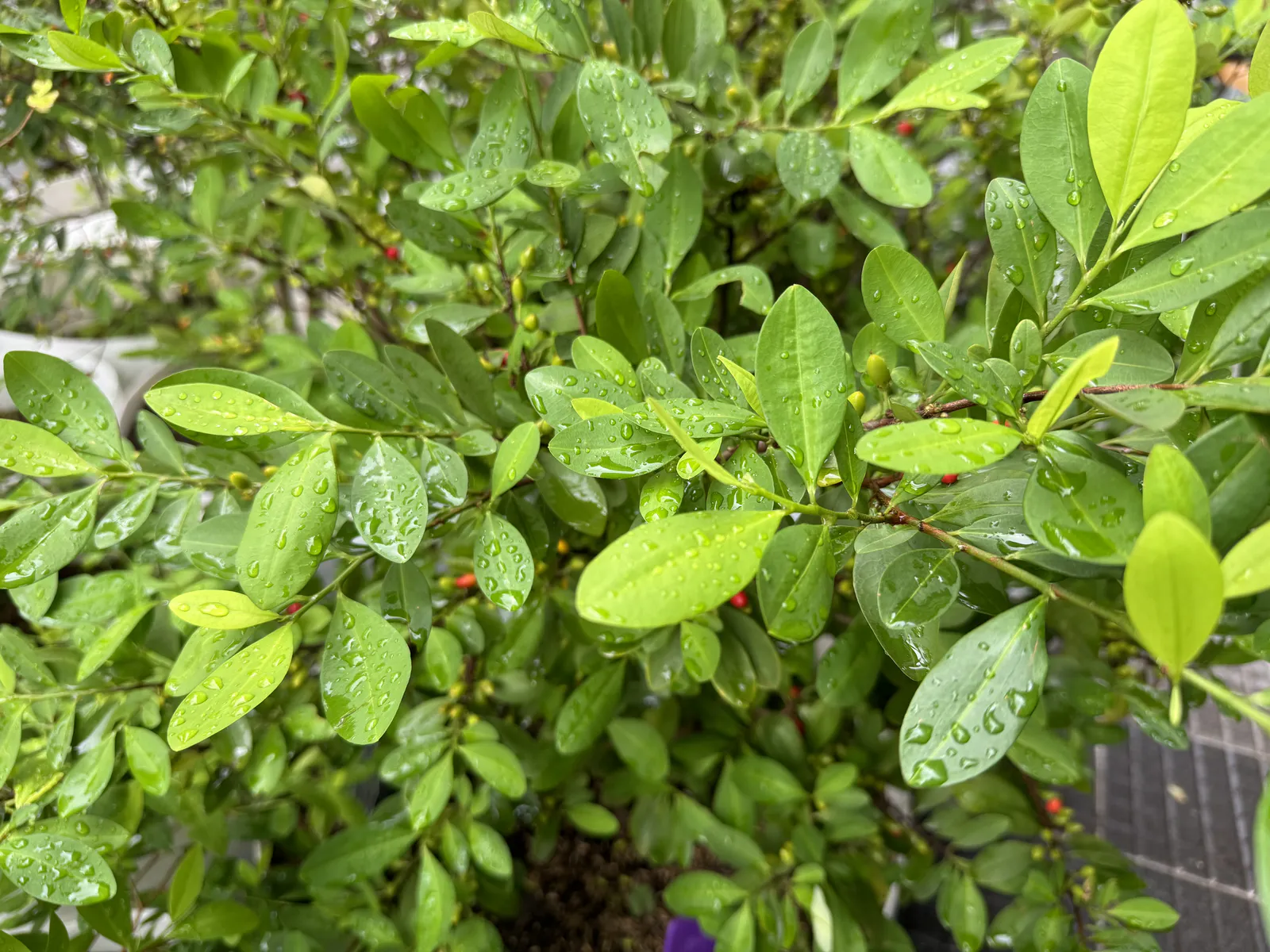
Coca Plant
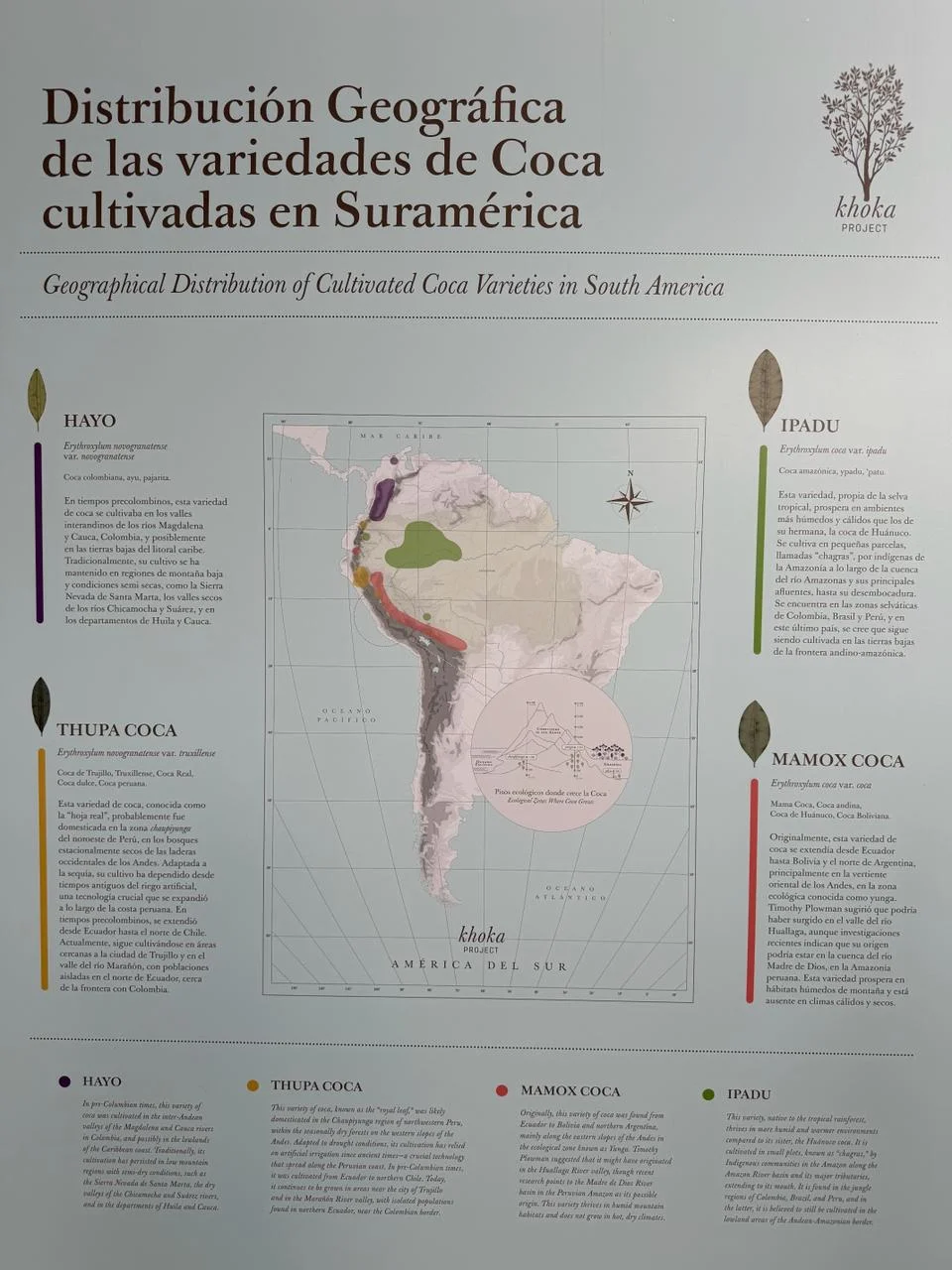
Coca Varieties in South America
Museo de Arte Moderno
Museo de Arte Moderno invites visitors into a reflective dialogue between contemporary creativity and deep cultural memory. Its galleries present artworks and research-based installations that explore how landscapes, plants, and people shape one another over time. Exhibitions often focus on South American contexts, tracing how Indigenous knowledge, colonial histories, and modern life intersect in everyday materials and symbolic objects, revealing connections that cross generations.
Rather than presenting art in isolation, the museum foregrounds stories, rituals, and lived experience. Detailed displays examine themes such as ethnobotany, spiritual practice, and regional identity, showing how a single plant or object can carry layered meanings across geography and history. The atmosphere is calm and accessible, encouraging visitors to slow down, read, and look closely, turning each room into a space for discovery and quiet contemplation.
Rather than presenting art in isolation, the museum foregrounds stories, rituals, and lived experience. Detailed displays examine themes such as ethnobotany, spiritual practice, and regional identity, showing how a single plant or object can carry layered meanings across geography and history. The atmosphere is calm and accessible, encouraging visitors to slow down, read, and look closely, turning each room into a space for discovery and quiet contemplation.
Popular categories
Advertising space